Difference Between Domicile And Deemed Domicile In Illinois
Description
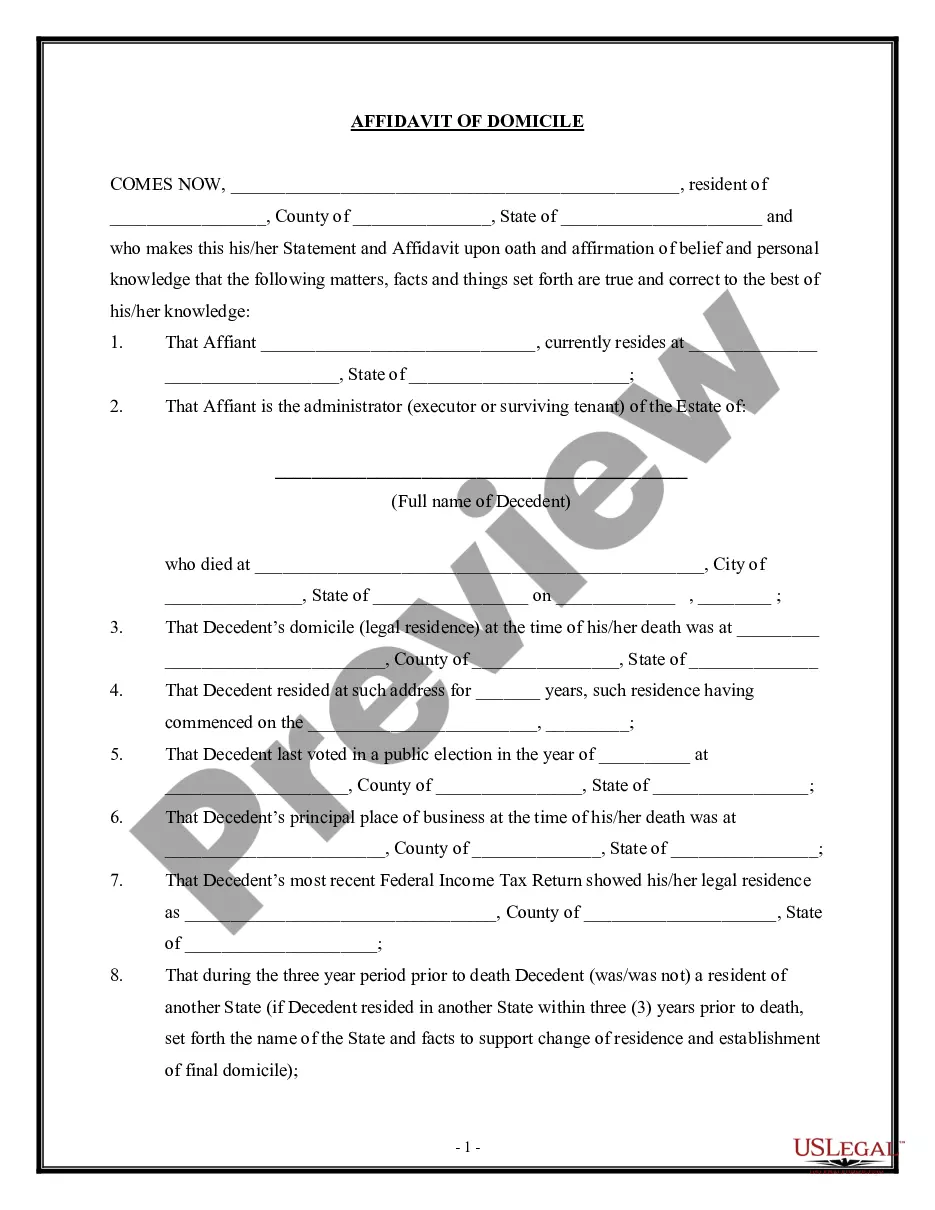
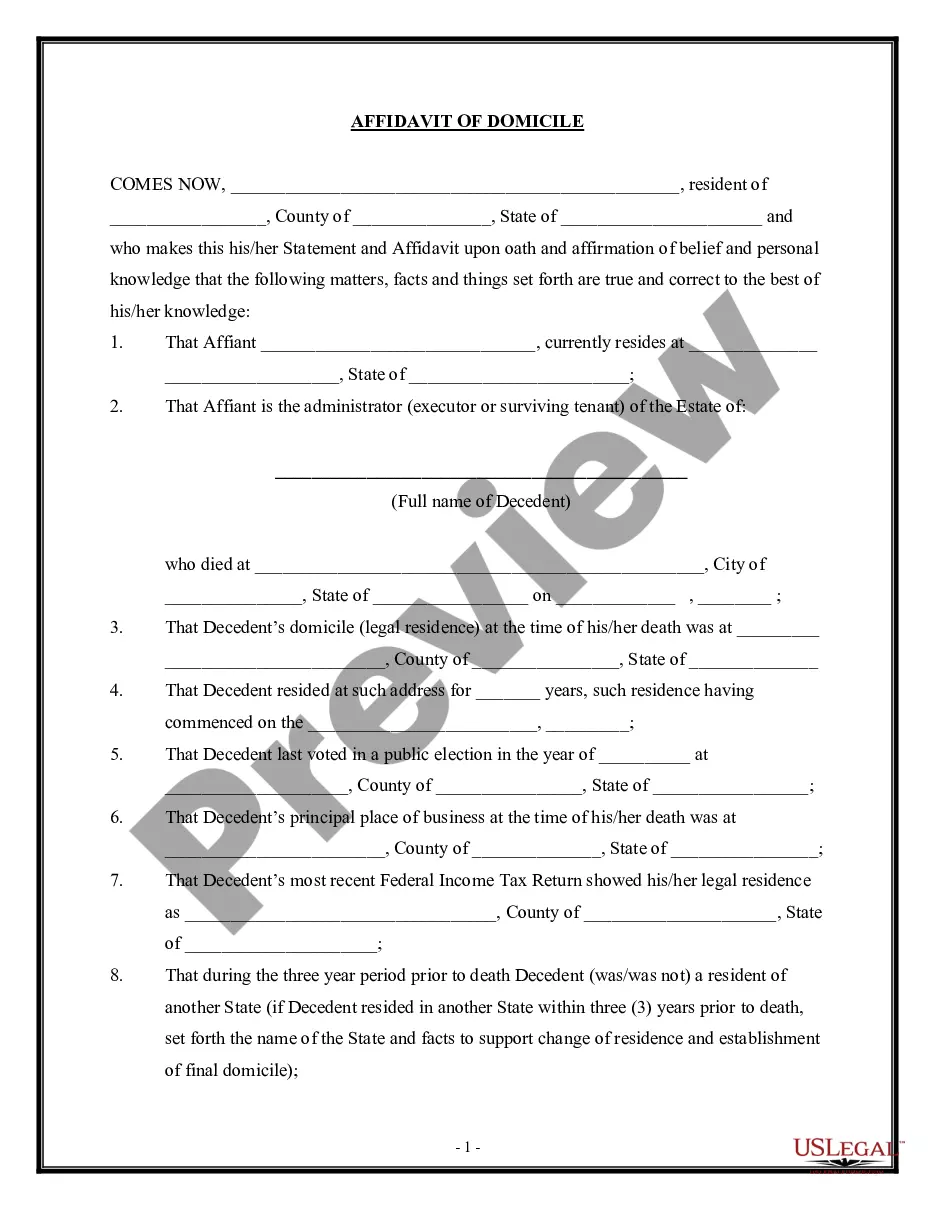
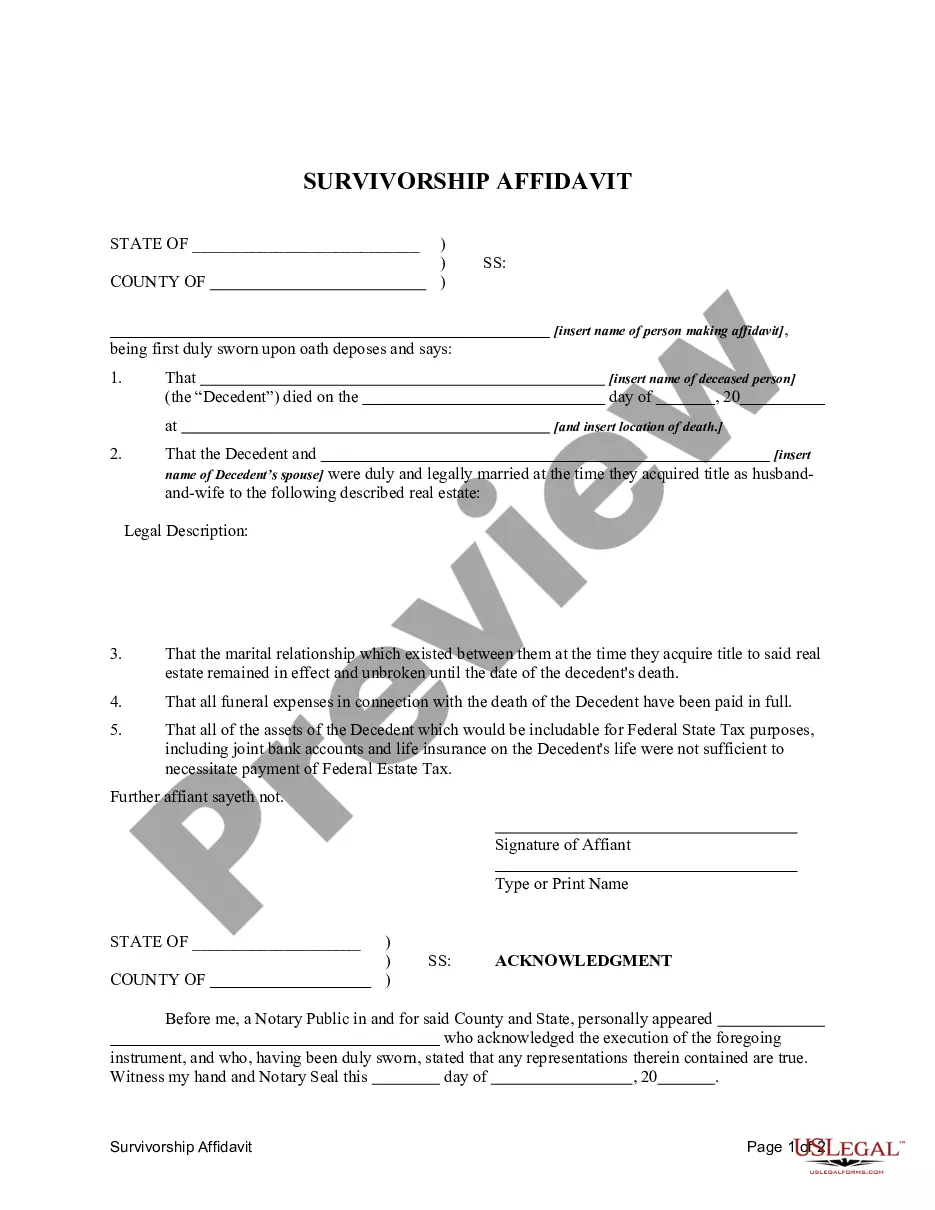
Get your form ready online
Our built-in tools help you complete, sign, share, and store your documents in one place.
Make edits, fill in missing information, and update formatting in US Legal Forms—just like you would in MS Word.
Download a copy, print it, send it by email, or mail it via USPS—whatever works best for your next step.
Sign and collect signatures with our SignNow integration. Send to multiple recipients, set reminders, and more. Go Premium to unlock E-Sign.
If this form requires notarization, complete it online through a secure video call—no need to meet a notary in person or wait for an appointment.
We protect your documents and personal data by following strict security and privacy standards.

Make edits, fill in missing information, and update formatting in US Legal Forms—just like you would in MS Word.

Download a copy, print it, send it by email, or mail it via USPS—whatever works best for your next step.

Sign and collect signatures with our SignNow integration. Send to multiple recipients, set reminders, and more. Go Premium to unlock E-Sign.

If this form requires notarization, complete it online through a secure video call—no need to meet a notary in person or wait for an appointment.

We protect your documents and personal data by following strict security and privacy standards.
Looking for another form?








Form popularity
FAQ
A state with a 183-day residency rule will consider you a full-year resident for tax purposes if you spent more than half the year there. Suppose your domicile is in California, but since you can work remotely you decided to live with your sister in Illinois beginning in April.
Group 1: Easy residency, zero-state income tax Based on our experience and research, Florida and South Dakota are the best states for nomads, because of their straightforward residency requirements and zero-state income tax policies.
The three most popular domicile states for nomads are South Dakota, Texas, and Florida. The biggest benefit to “residing” in these states is that they don't have a state income tax. These three states aren't the only ones that don't collect state income tax, but they offer a few other attractive benefits as well.
Group 1: Simple residency, zero-state income tax From our research, Florida and South Dakota stand out as the top states for expats due to their easy residency requirements and no state income tax.
Most commonly, the in-state residency minimum is three to six months, but the requirements vary depending on the state and the circumstances. Alaska, South Dakota, and Washington have no minimum residency requirement and you can file for divorce in those states immediately upon moving there.
What is the quickest state in which to become a resident? Florida and South Dakota are the quickest and easiest states to establish residency, especially for location-independent workers and nomads.
Am I a resident? Full-year resident – You maintained a legal place of residence in Illinois from January 1st through December 31st. You do not have to be physically present in Illinois the entire year to be considered a full-year resident.
Examples of Documentation To Prove Illinois Residency Valid State of Illinois tax return or federal tax transcript. Illinois high school or college transcript. Illinois driver's license. Utility or rent bills in the applicant's (or parent's) name. Illinois auto registration card.
It is possible for an individual who becomes deemed domicile under Condition B to lose this deemed status - it does not last indefinitely. They can lose their deemed domicile status if they leave the UK and there are at least 6 tax years as a non-UK resident in the 20 tax years before the relevant tax year.

