Domicile Form Texas In Fulton
Description
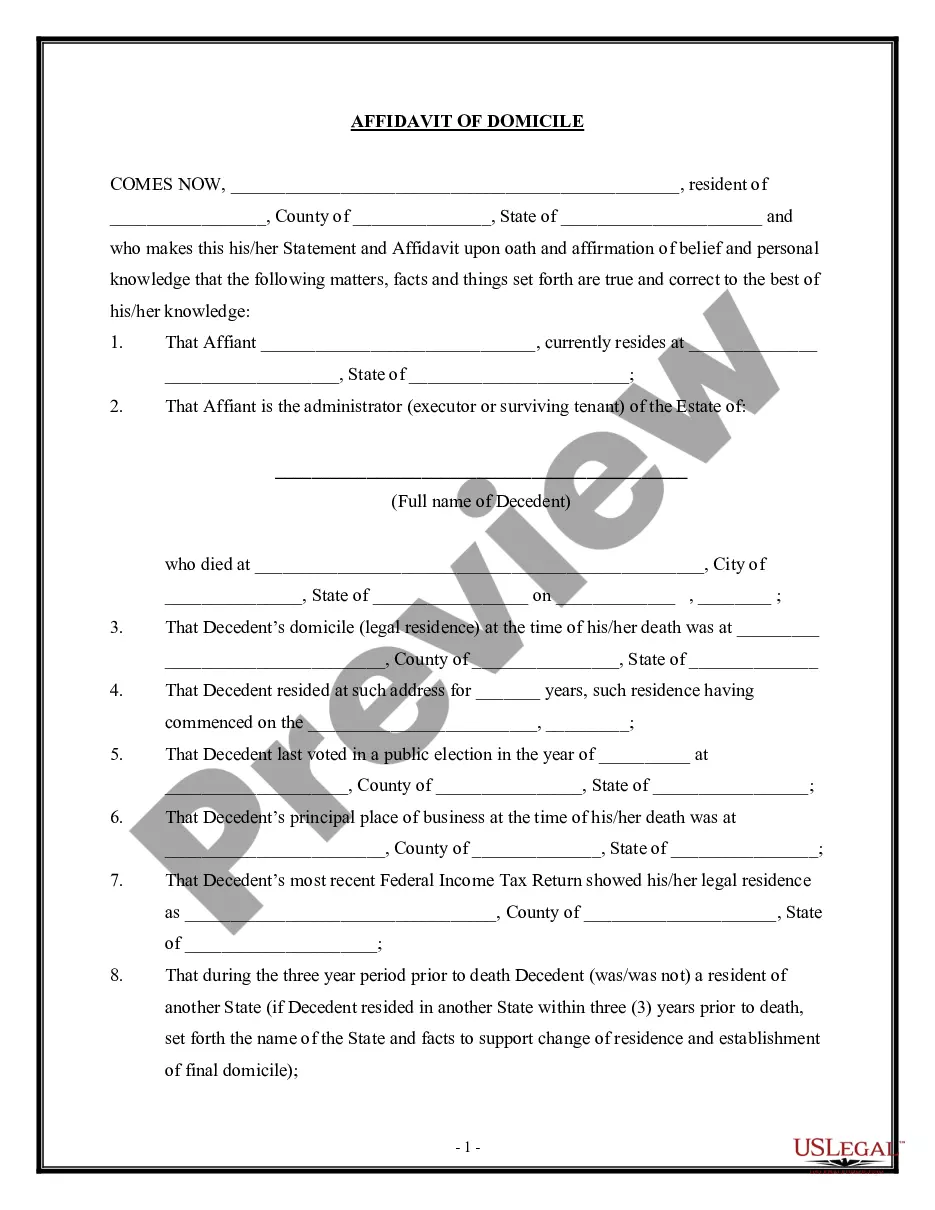
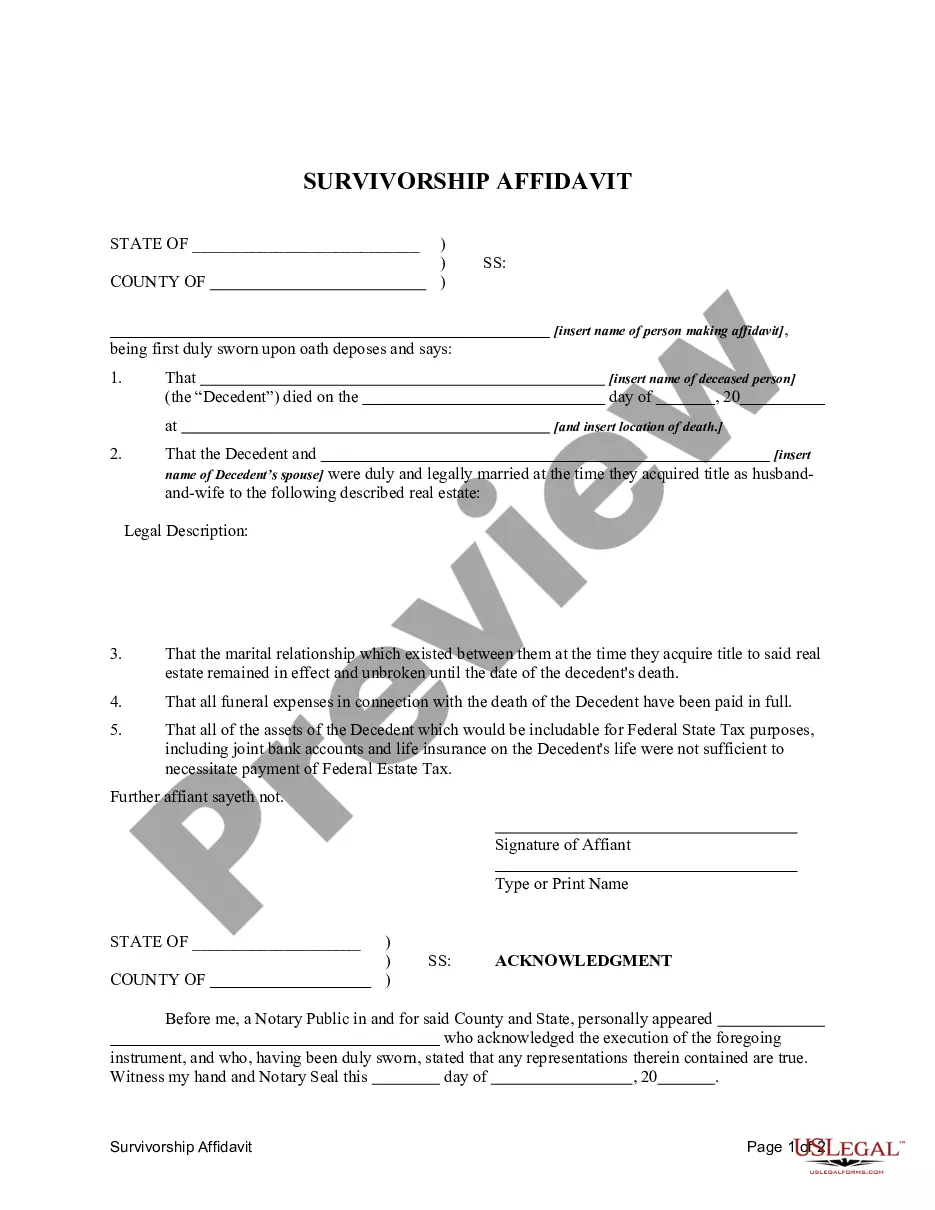
Get your form ready online
Our built-in tools help you complete, sign, share, and store your documents in one place.
Make edits, fill in missing information, and update formatting in US Legal Forms—just like you would in MS Word.
Download a copy, print it, send it by email, or mail it via USPS—whatever works best for your next step.
Sign and collect signatures with our SignNow integration. Send to multiple recipients, set reminders, and more. Go Premium to unlock E-Sign.
If this form requires notarization, complete it online through a secure video call—no need to meet a notary in person or wait for an appointment.
We protect your documents and personal data by following strict security and privacy standards.

Make edits, fill in missing information, and update formatting in US Legal Forms—just like you would in MS Word.

Download a copy, print it, send it by email, or mail it via USPS—whatever works best for your next step.

Sign and collect signatures with our SignNow integration. Send to multiple recipients, set reminders, and more. Go Premium to unlock E-Sign.

If this form requires notarization, complete it online through a secure video call—no need to meet a notary in person or wait for an appointment.

We protect your documents and personal data by following strict security and privacy standards.
Looking for another form?

Form popularity
FAQ
A person can prove residency by providing document(s) that indicate a Texas address. For example, sources of evidence could be from the following: Property, income or other tax forms or receipts. Utility bills, leases or rent payment records.
The following are acceptable sources to verify the household's current address: utility bills or utility company records; rent receipt or statement from non-relative landlord; mortgage receipt or statement from mortgage company; valid Texas driver license or Department of Public Safety (DPS) identification card;
How to fill out the Domicile Verification Request Form - Texas? Provide the client's name and case number. List all persons living in the household. Indicate your relationship to the client. Fill in required personal information. Sign and date the form appropriately.
Residence - Utility bills or utility company records, rent receipt or statement from non-relative landlord, mortgage receipt or statement from mortgage company or a valid Texas driver's license or Department of Public Safety (DPS) identification card.
(b) In order to prove domicile, all original applicants for a driver license or identification certificate must present two acceptable documents verifying the applicant's residential address in Texas.
A domicile is a very formal/old-fashioned word for home: The structure where one lives. One's address is the index to the location of one's domicile: A description of where it is in terms of community, street name, and street number.
A person's domicile is very similar to their residence; however, while a person can have multiple residences, they can only have one domicile. For example, if a person spends part of the year in Texas and another part in New York, they may have residency in both places—but only one can be their domicile.
While a residence is merely the place where you currently live, Texas law defines “domicile” as the place where you have an intent to make your fixed and permanent home (Schreiner v. Schreiner, Tex. Civ.
A citizen, national or a permanent resident of the United States, who is independent 18 years of age or over and who has lived in Texas for 12 consecutive months and has been gainfully employed within the state prior to enrollment in an institution of higher education is entitled to be classified as a resident of Texas ...
Maybe you wish to vote in Texas elections or maybe the fact that Texas has no state income taxes appeals to you. While a residence is merely the place where you currently live, Texas law defines “domicile” as the place where you have an intent to make your fixed and permanent home (Schreiner v. Schreiner, Tex.

