Slander Without Proof In Dallas
Description

Get your form ready online
Our built-in tools help you complete, sign, share, and store your documents in one place.
Make edits, fill in missing information, and update formatting in US Legal Forms—just like you would in MS Word.
Download a copy, print it, send it by email, or mail it via USPS—whatever works best for your next step.
Sign and collect signatures with our SignNow integration. Send to multiple recipients, set reminders, and more. Go Premium to unlock E-Sign.
If this form requires notarization, complete it online through a secure video call—no need to meet a notary in person or wait for an appointment.
We protect your documents and personal data by following strict security and privacy standards.

Make edits, fill in missing information, and update formatting in US Legal Forms—just like you would in MS Word.

Download a copy, print it, send it by email, or mail it via USPS—whatever works best for your next step.

Sign and collect signatures with our SignNow integration. Send to multiple recipients, set reminders, and more. Go Premium to unlock E-Sign.

If this form requires notarization, complete it online through a secure video call—no need to meet a notary in person or wait for an appointment.

We protect your documents and personal data by following strict security and privacy standards.
Looking for another form?






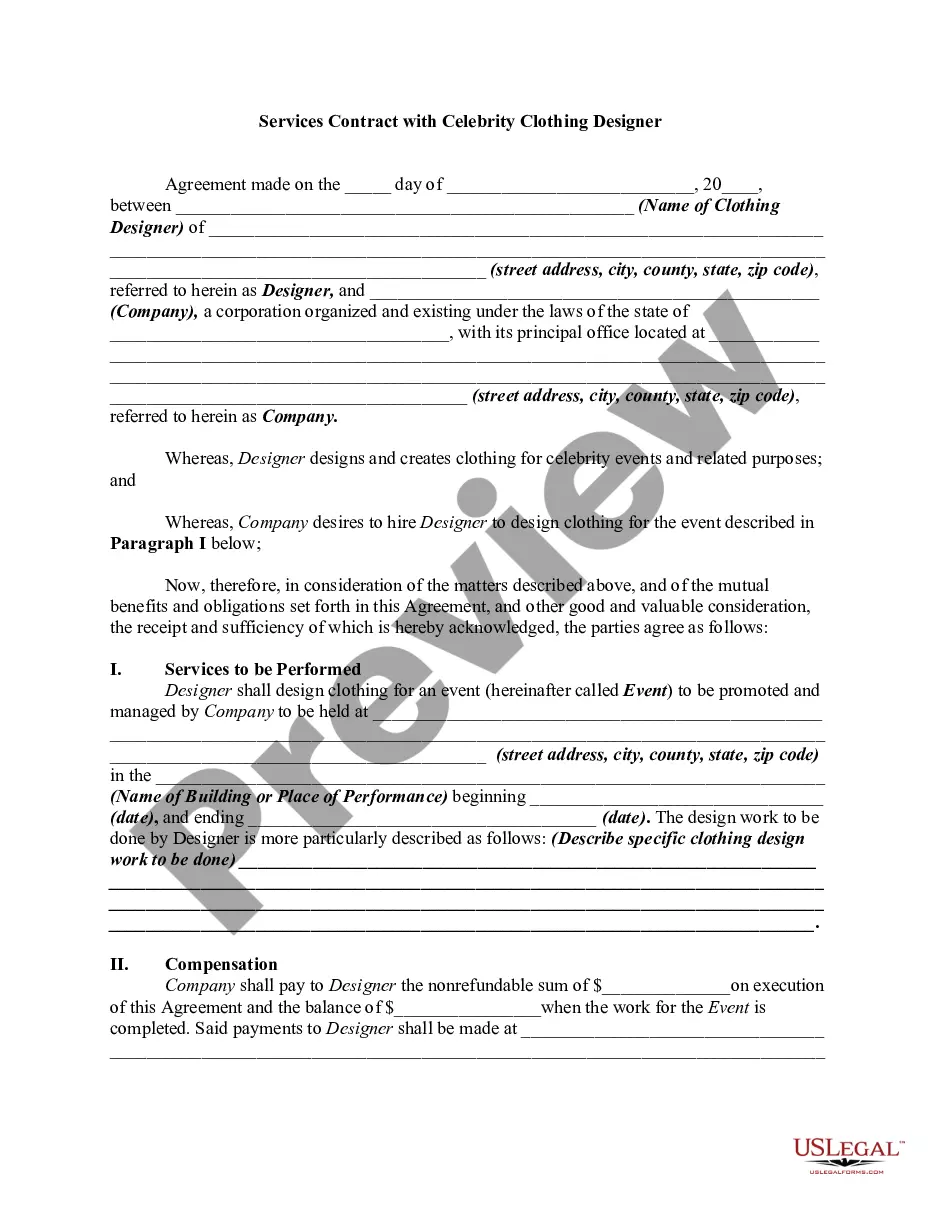


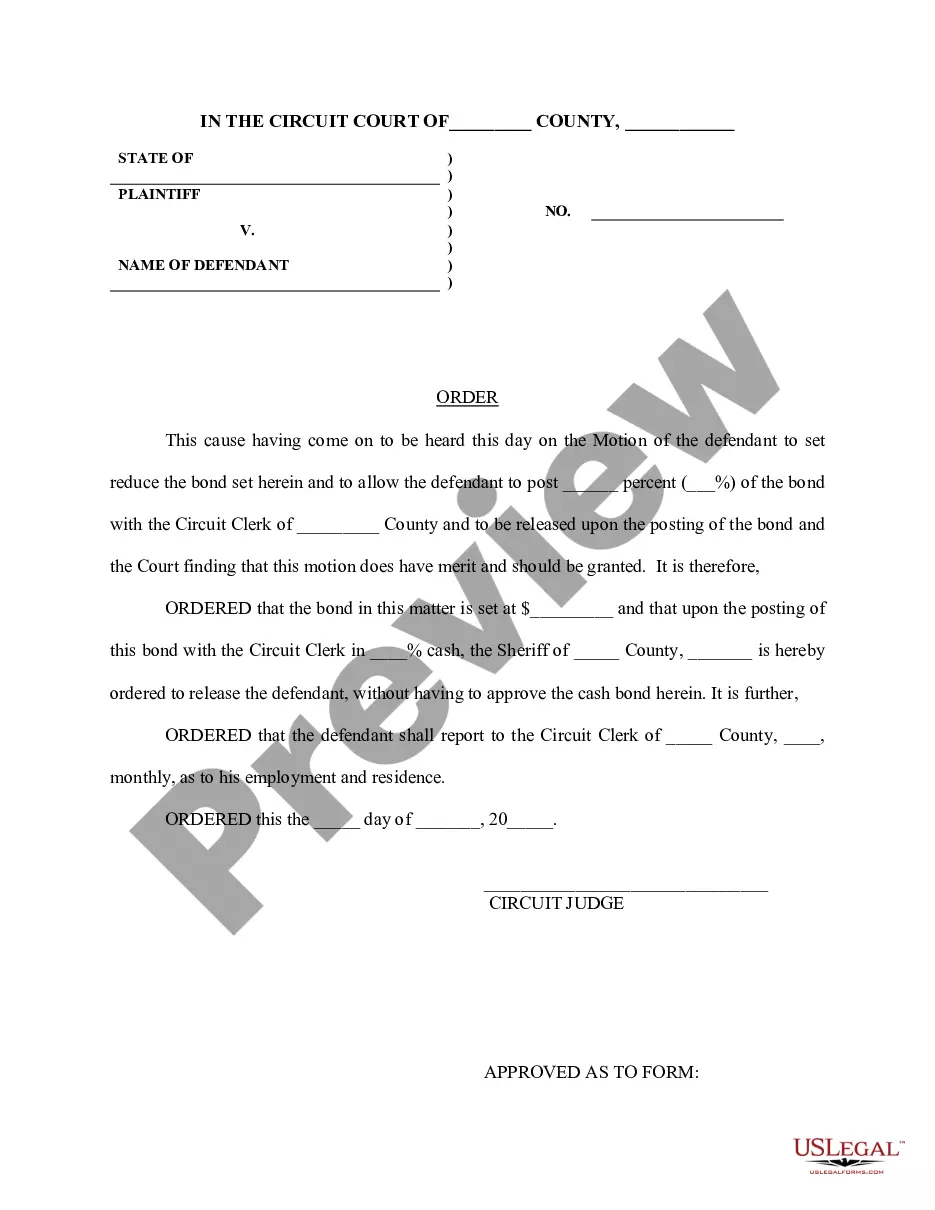
Form popularity
FAQ
To prove a successful defamation claim, the plaintiff must show the following: (1) the defendant published a false statement; (2) that defamed the plaintiff; (3) with the requisite degree of fault regarding the statement's truth; and (4) damages, unless the statement constitutes defamation per se.
Written defamation is called "libel," and spoken defamation is considered "slander," and they both fall under "defamation." In the US, defamation is not usually a crime. Instead, it is a "tort" or civil wrong. Under the law, a person who has been defamed can seek damages from the perpetrator.
If someone knowingly provides false information to law enforcement officers or makes up a crime, they can be charged with this crime. The penalties may include fines and possible imprisonment. While not a criminal offense, making false claims that harm someone's reputation can lead to civil lawsuits for defamation.
Slander can be hard to prove, as the complainant must show the slanderer was driven by malice and knew their claims were false. Slander is different from libel, which are false statements made through print or broadcast.
To successfully establish a defamation claim under Texas law, as in most states, one must prove the following key elements: The statement was published. The statement was false, defamatory, and directly related to the plaintiff. The defendant made the defamatory statement either with actual malice or through negligence.
Section 119.202 - Criminal Slander or Libel, Tex. Fin. Code § 119.202 | Casetext Search + Citator.
Defamation is the general tort that encompasses statements that damage a person's reputation. There are different forms of defamation, including libel and slander. The difference between libel and slander is simply whether the statements are written or spoken. If they are written, they are considered libel.
Section 119.202 - Criminal Slander or Libel (a) A person commits an offense if the person: (1) knowingly makes, utters, circulates, or transmits to another person a statement that is untrue and derogatory to the financial condition of a savings bank; or (2) with intent to injure a savings bank counsels, aids, procures, ...
Sec. 16.002. ONE-YEAR LIMITATIONS PERIOD. (a) A person must bring suit for malicious prosecution, libel, slander, or breach of promise of marriage not later than one year after the day the cause of action accrues.

