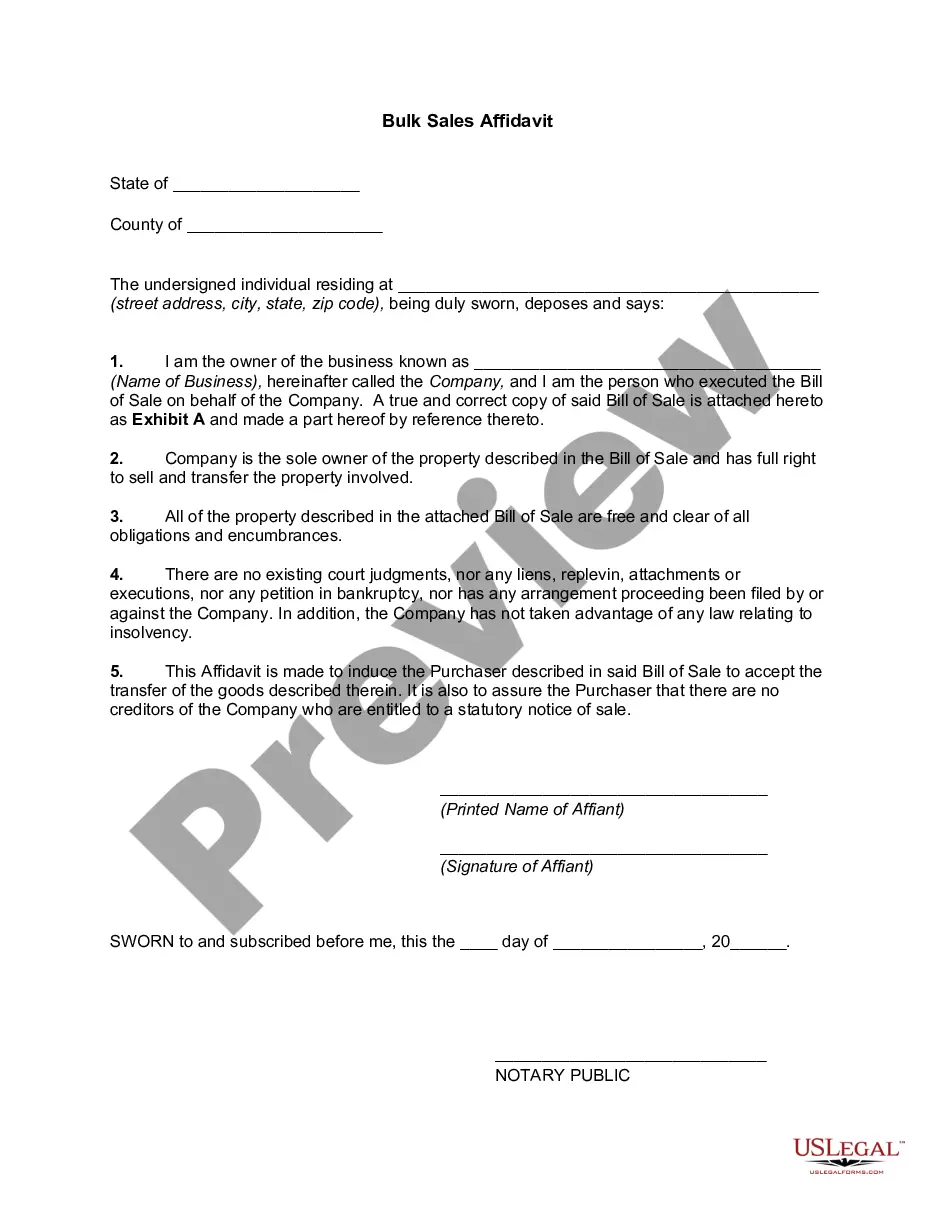
Listing Agreement Real Estate With Multiple Owners In Wayne
Description


Get your form ready online
Our built-in tools help you complete, sign, share, and store your documents in one place.
Make edits, fill in missing information, and update formatting in US Legal Forms—just like you would in MS Word.
Download a copy, print it, send it by email, or mail it via USPS—whatever works best for your next step.
Sign and collect signatures with our SignNow integration. Send to multiple recipients, set reminders, and more. Go Premium to unlock E-Sign.
If this form requires notarization, complete it online through a secure video call—no need to meet a notary in person or wait for an appointment.
We protect your documents and personal data by following strict security and privacy standards.

Make edits, fill in missing information, and update formatting in US Legal Forms—just like you would in MS Word.

Download a copy, print it, send it by email, or mail it via USPS—whatever works best for your next step.

Sign and collect signatures with our SignNow integration. Send to multiple recipients, set reminders, and more. Go Premium to unlock E-Sign.

If this form requires notarization, complete it online through a secure video call—no need to meet a notary in person or wait for an appointment.

We protect your documents and personal data by following strict security and privacy standards.
Looking for another form?









Form popularity
FAQ
A multiple listing service (MLS) is a database created by collaborating real estate agents containing properties for sale. An MLS allows brokers to see one another's listings of properties for sale with the goal of connecting homebuyers to sellers.
Working with more than one real estate agent is fine when you haven't signed an exclusive agreement with anyone, says Adam Aguilar, a real estate agent with Reliantra in West Toluca Lake, CA. “You can use as many as you wish, unless they stop to ask you to make a commitment to them, in writing,” Aguilar adds.
Exclusive Rights-to-Sell Listing This gives the real estate agent the exclusive rights to market your home and list it on MLS. They will receive the full commission as long the home is sold within the designated timeframe. This is the preferred agreement for most real estate agents.
An MLS allows brokers to see one another's listings of properties for sale with the goal of connecting homebuyers to sellers. An MLS helps real estate agents and brokers connect by consolidating and sharing information while sharing commissions.
Most MLSs are owned by the REALTOR® association that formed them. They may be owned by multiple associations in a regional MLS. Some MLSs were formed directly by groups of brokers which own the MLS themselves.
So there you go, a little bit about working with multiple agents. Yes you can absolutely do it, you just have to be smart about it. You have to have open and honest dialogue and talks with your agents about your relationship with other agents, and from there you can make a really successful business happen.
Up to a certain point, it is legal to list your home with multiple Realtors in most states. It would be a logistical nightmare (we'll cover that in detail below), but it is still technically legal. The moment it becomes not okay is when you sign an exclusive agency listing with a particular broker or firm.
Open listings An open listing allows the vendor to retain to right to sell the property while the property is listed with multiple agents. If the seller pursues a buyer and sells the property themselves, the agents all receive zero commission.
Known under a variety of names, a common element of these product listing agreements (PLAs) is the negotiation of confidential prices that are typically achieved through rebates that may or may not be tied to drug expenditures, utilization patterns or health outcomes.
An open listing enables multiple real estate agents to try to sell your home. This setup gives the seller the ability to work with multiple agents at once. This differs from an exclusive listing, in which the seller works exclusively with one listing agent to find a buyer.