Affidavit Of Forgery Form With 2 Points In Phoenix
Description

Get your form ready online
Our built-in tools help you complete, sign, share, and store your documents in one place.
Make edits, fill in missing information, and update formatting in US Legal Forms—just like you would in MS Word.
Download a copy, print it, send it by email, or mail it via USPS—whatever works best for your next step.
Sign and collect signatures with our SignNow integration. Send to multiple recipients, set reminders, and more. Go Premium to unlock E-Sign.
If this form requires notarization, complete it online through a secure video call—no need to meet a notary in person or wait for an appointment.
We protect your documents and personal data by following strict security and privacy standards.

Make edits, fill in missing information, and update formatting in US Legal Forms—just like you would in MS Word.

Download a copy, print it, send it by email, or mail it via USPS—whatever works best for your next step.

Sign and collect signatures with our SignNow integration. Send to multiple recipients, set reminders, and more. Go Premium to unlock E-Sign.

If this form requires notarization, complete it online through a secure video call—no need to meet a notary in person or wait for an appointment.

We protect your documents and personal data by following strict security and privacy standards.
Looking for another form?

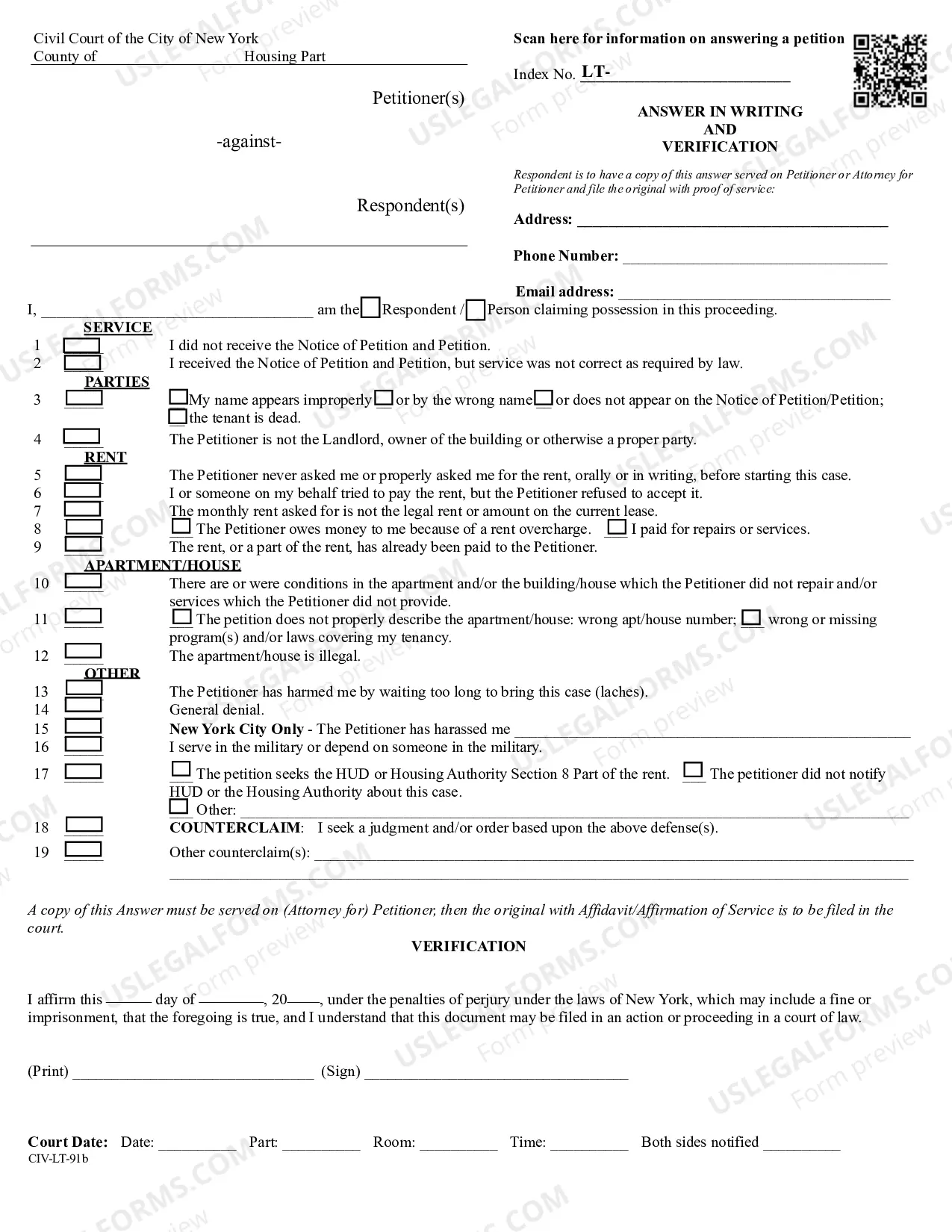


Form popularity
FAQ
Proving forgery in court can be challenging since it often requires the testimony of an expert who has conducted a detailed examination of various elements of a document, such as the paper, they typed fonts, the date, handwriting and time sequences all in the context of the content of the document.
Under the FCRA, tax liens, civil judgments, accounts sent to collections, and arrests that didn't result in a conviction may only be reported for seven years. Bankruptcies may be reported for 10 years. This seven-year lookback period doesn't apply to jobs with a salary of $75,000 or more.
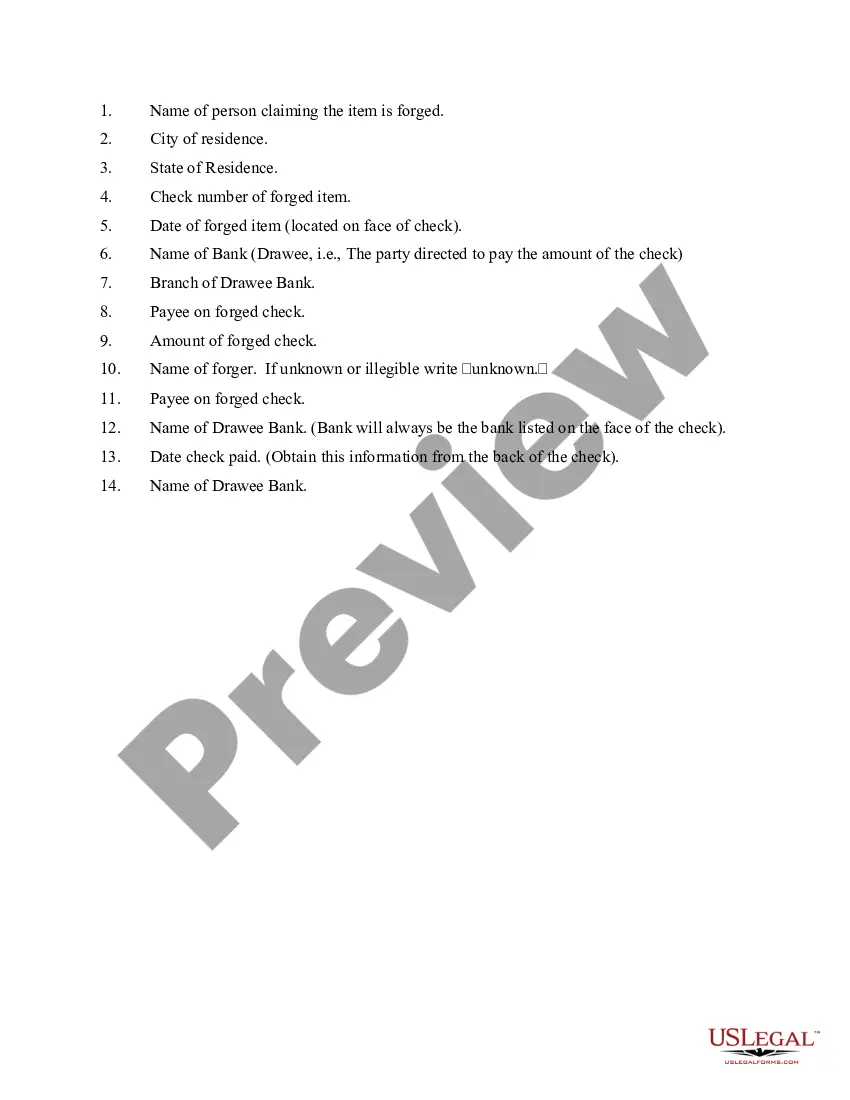
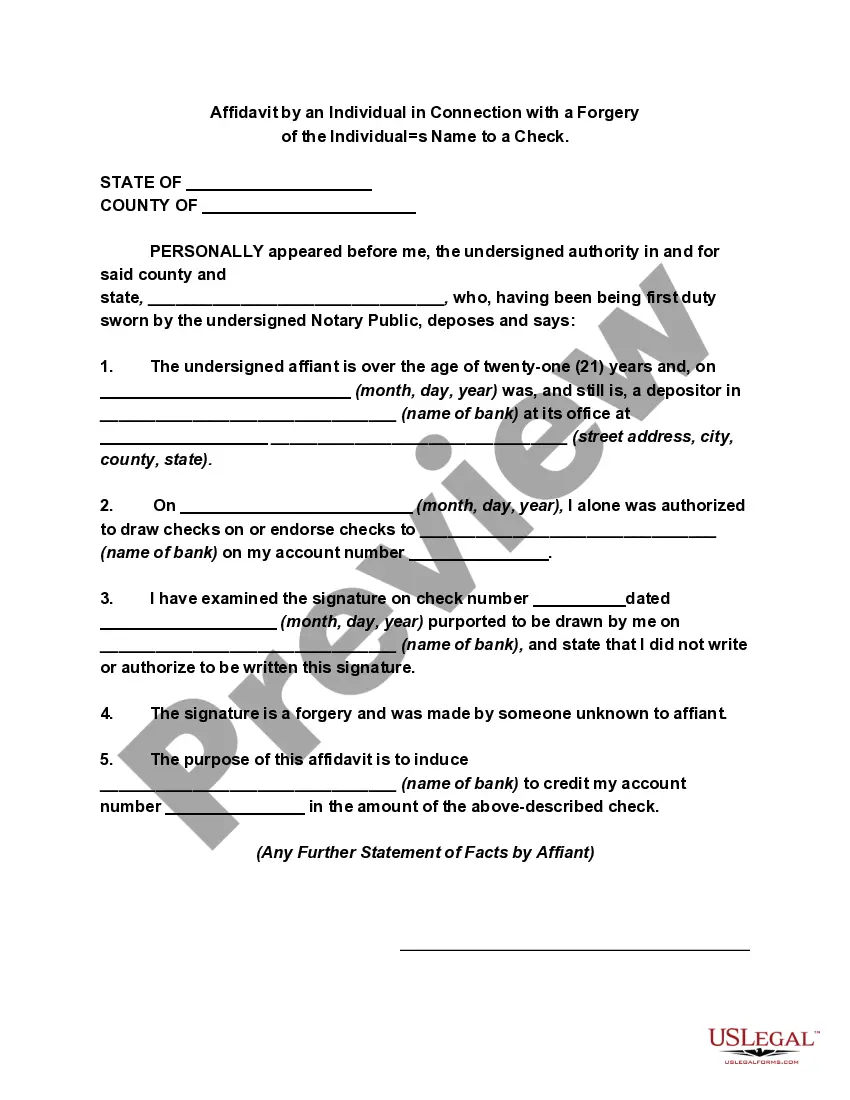
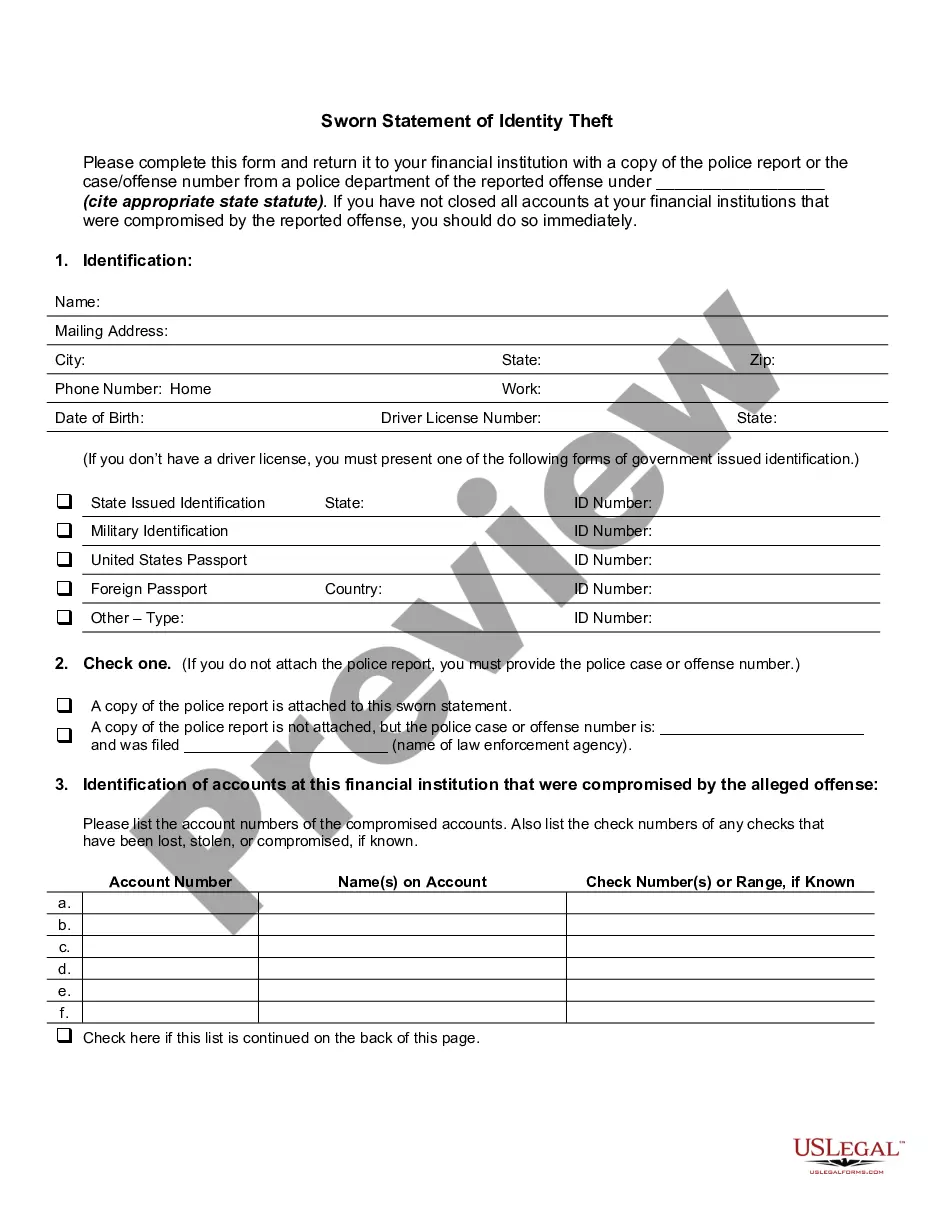
An “Affidavit of Forgery" is a notarized, sworn statement, attesting that the signature appearing on it is indeed a forgery. The account holder MUST provide an Affidavit of Forgery before any criminal charges can be filed! An affidavit must accompany each forged or counterfeited item.
Penalties for Forgery in Arizona Fraud involving the use of a credit card is usually considered a class 5 felony, and is punishable by 9 to 24 months in prison. In most cases, forgery is categorized as a class four felony, which is punishable by between 18 months and three years in prison.
Examples of Forgery Creating a counterfeit seal of another individual or entity. Falsifying, altering, counterfeiting or duplicating a driver's license or government-issued ID card. Falsifying, altering or forging an entry in a book of records. Modifying a medical record with fraudulent intent.
Arizona Revised Statutes § 542-15203. A. states, "Any person owning a mobile home that is permanently affixed to real property may file an affidavit of affixture with the county recorder of the county in which the real property is located."
Proving forgery in court can be challenging since it often requires the testimony of an expert who has conducted a detailed examination of various elements of a document, such as the paper, they typed fonts, the date, handwriting and time sequences all in the context of the content of the document.
Affidavits can occur any time a formal promise is made, and they are often used as a form of documentation tied to a specific person in the proceedings. They are often used in court to serve as evidence toward a singular side in a dispute, or to affirm a claim that someone is making.
An “Affidavit of Forgery" is a notarized, sworn statement, attesting that the signature appearing on it is indeed a forgery. The account holder MUST provide an Affidavit of Forgery before any criminal charges can be filed! An affidavit must accompany each forged or counterfeited item.
