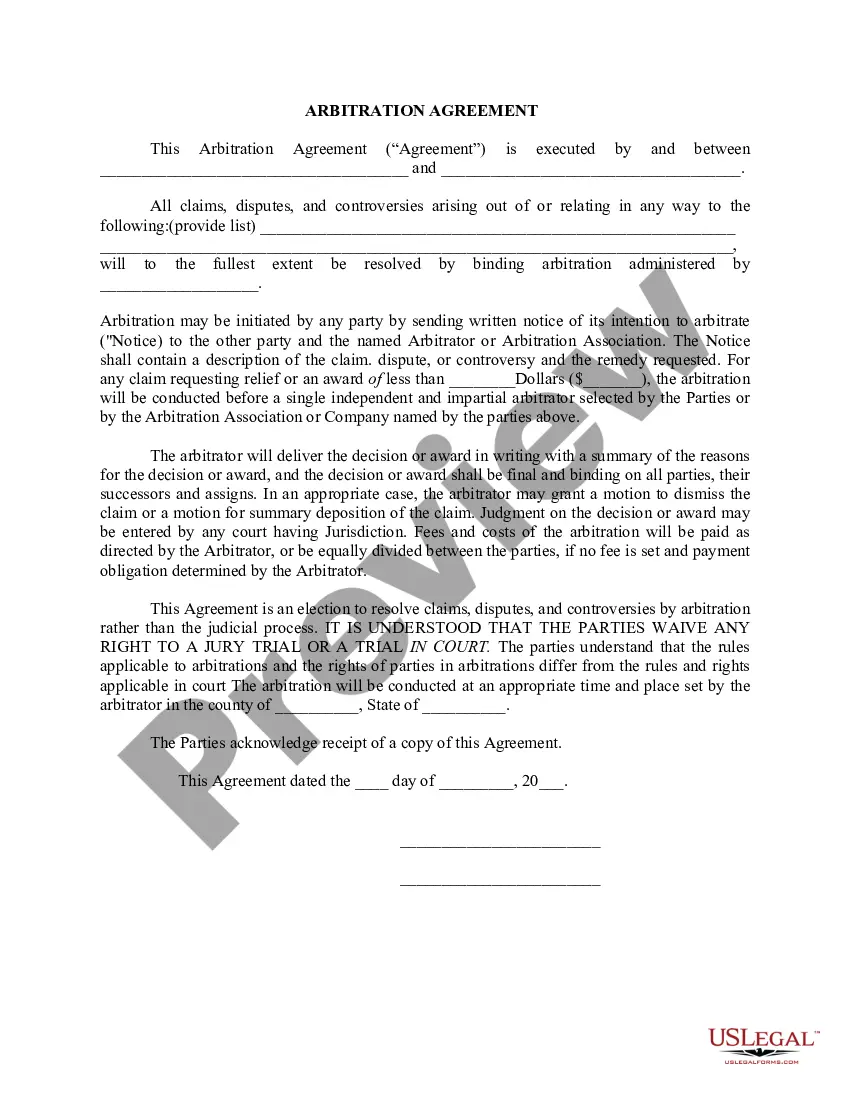
Arbitration Over Dispute In San Bernardino
Description

Get your form ready online
Our built-in tools help you complete, sign, share, and store your documents in one place.
Make edits, fill in missing information, and update formatting in US Legal Forms—just like you would in MS Word.
Download a copy, print it, send it by email, or mail it via USPS—whatever works best for your next step.
Sign and collect signatures with our SignNow integration. Send to multiple recipients, set reminders, and more. Go Premium to unlock E-Sign.
If this form requires notarization, complete it online through a secure video call—no need to meet a notary in person or wait for an appointment.
We protect your documents and personal data by following strict security and privacy standards.

Make edits, fill in missing information, and update formatting in US Legal Forms—just like you would in MS Word.

Download a copy, print it, send it by email, or mail it via USPS—whatever works best for your next step.

Sign and collect signatures with our SignNow integration. Send to multiple recipients, set reminders, and more. Go Premium to unlock E-Sign.

If this form requires notarization, complete it online through a secure video call—no need to meet a notary in person or wait for an appointment.

We protect your documents and personal data by following strict security and privacy standards.
Looking for another form?





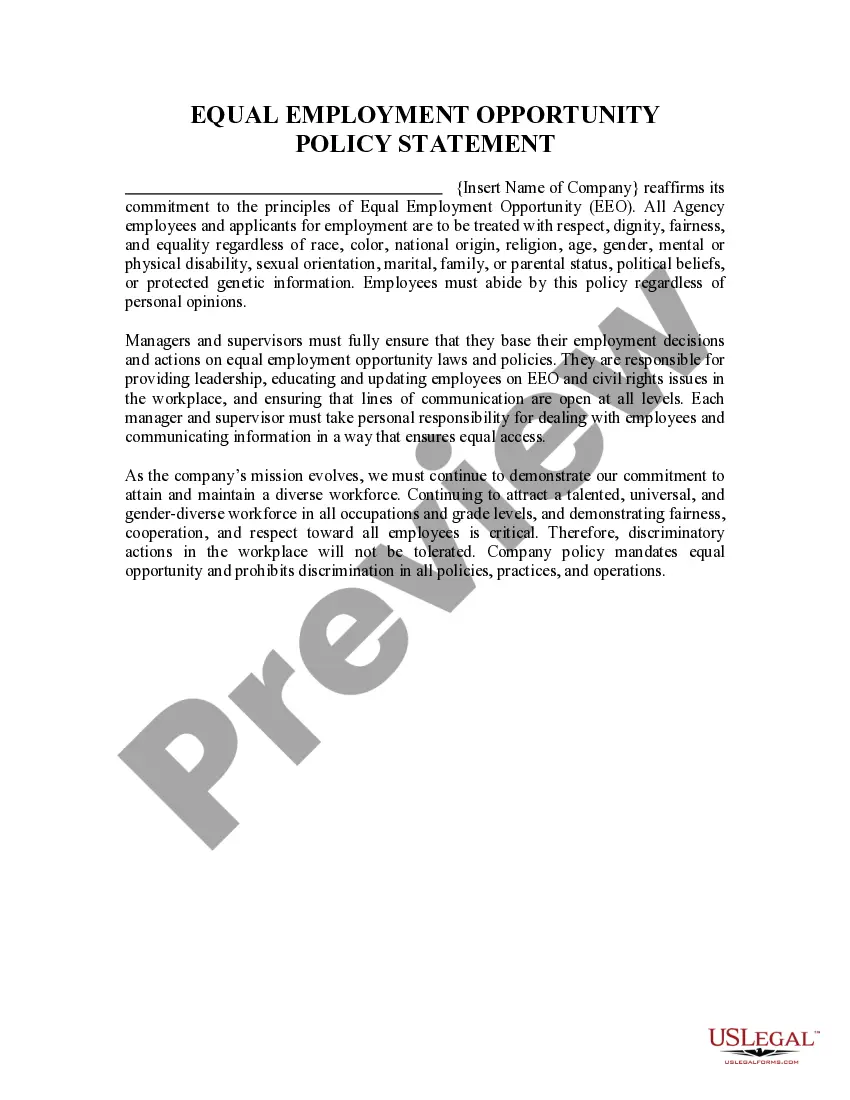



Form popularity
FAQ
Arbitration is a procedure in which a dispute is submitted, by agreement of the parties, to one or more arbitrators who make a binding decision on the dispute. In choosing arbitration, the parties opt for a private dispute resolution procedure instead of going to court.
Arbitration is a quasi-judicial proceeding, wherein the parties in dispute appoint an arbitrator by agreement to adjudicate the said dispute and to that extent differs from court proceedings. The power and functions of arbitral tribunal are statutorily regulated.
In arbitration, a neutral third party serves as a judge who is responsible for resolving the dispute. The arbitrator listens as each side argues its case and presents relevant evidence, then renders a binding decision.
The most common ADR methods are negotiation, mediation, conciliation, arbitration, and private judging. Negotiation. Negotiation is usually the first approach to take before resorting to other ADR methods. Mediation. Mediation is a type of assisted negotiation. Conciliation. Arbitration. Private Judging. Conclusion.
The arbitrator will explain the process. Each side may present an uninterrupted opening statement setting forth its position as to the facts and the law. After opening statements, the parties present their evidence and witnesses. The arbitrator swears in the witnesses and makes rulings on the admissibility of evidence.
Arbitration is an ADR process where the parties present arguments and evidence to an independent third party, the arbitrator, who makes a determination. Arbitration is particularly useful where the subject matter is highly technical, or where the parties seek greater confidentiality than in an open court.
Code of Arbitration Procedure Rule 12206 for Customer Disputes and Rule 13206 for Industry Disputes outline the time limits for submitting a claim in arbitration. These rules allow a claim to be filed within 6 years of the occurrence or event giving rise to the cause of action.
To give you an idea of the process that arbitration typically involves, the American Arbitration Association describes artibtration as having five main steps: Filing and initiation. Arbitrator selection. Preliminary hearing. Information exchange and preparation. Hearings. Post hearing submissions. Award.
There are typically seven stages of the arbitration process: Claimant Files a Claim. Respondent Submits Answer. Parties Select Arbitrators. Parties Attend Initial Prehearing Conference. Parties Exchange Discovery. Parties Attend Hearings. Arbitrators Deliberate and Render Award.