Arbitrage Vs No Arbitrage In Maricopa
Description

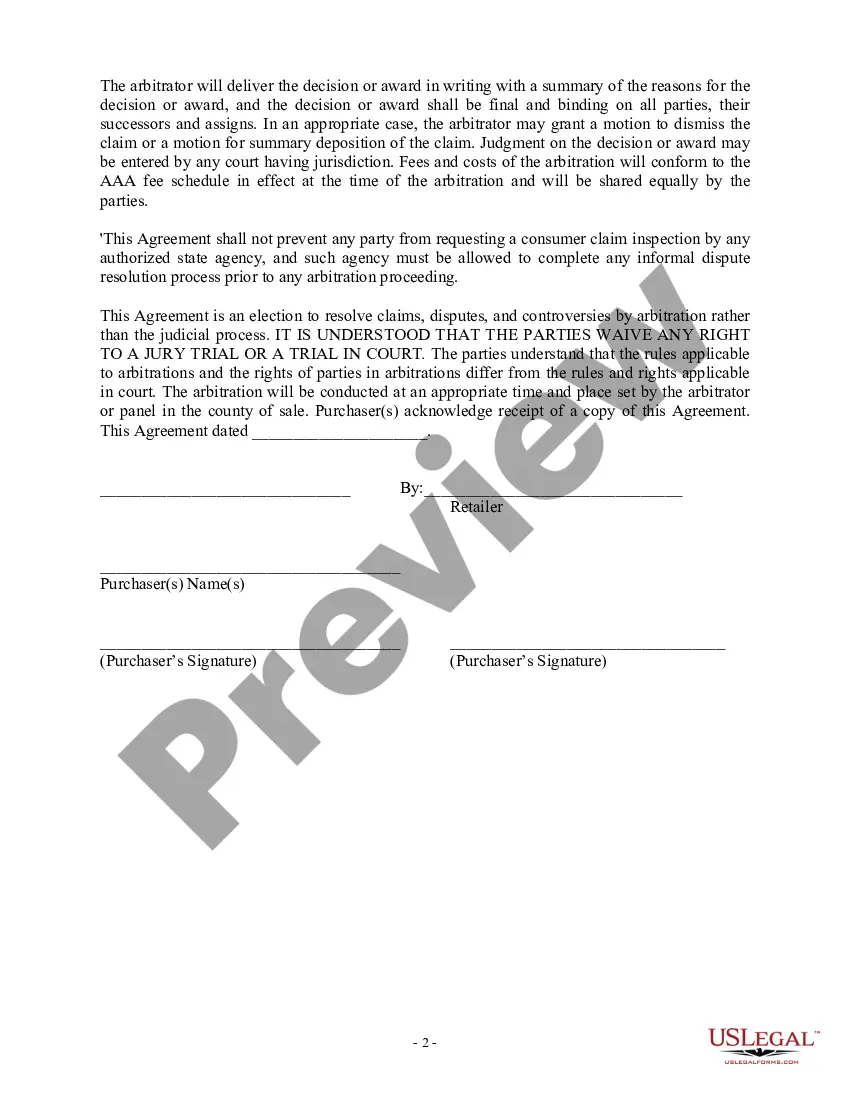
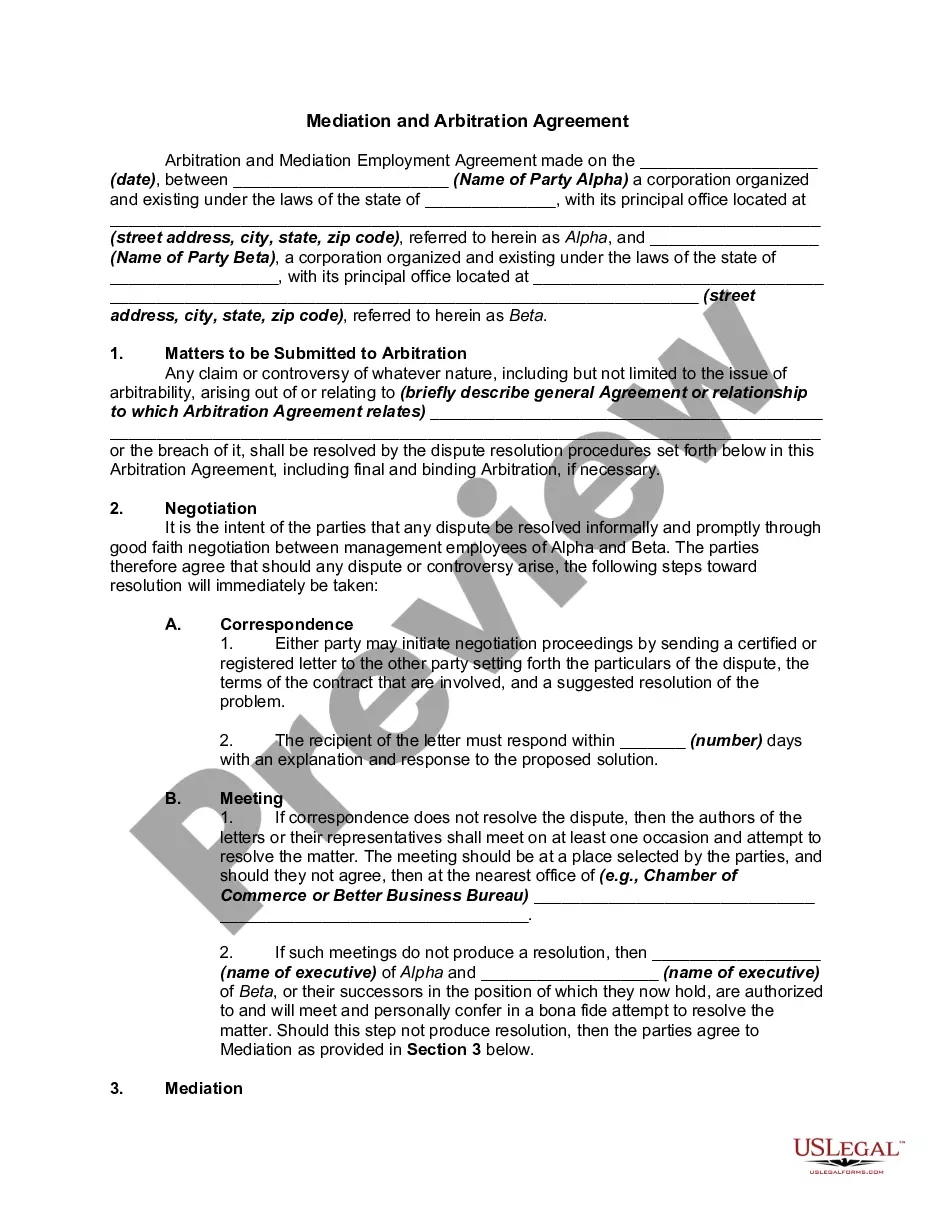

Get your form ready online
Our built-in tools help you complete, sign, share, and store your documents in one place.
Make edits, fill in missing information, and update formatting in US Legal Forms—just like you would in MS Word.
Download a copy, print it, send it by email, or mail it via USPS—whatever works best for your next step.
Sign and collect signatures with our SignNow integration. Send to multiple recipients, set reminders, and more. Go Premium to unlock E-Sign.
If this form requires notarization, complete it online through a secure video call—no need to meet a notary in person or wait for an appointment.
We protect your documents and personal data by following strict security and privacy standards.

Make edits, fill in missing information, and update formatting in US Legal Forms—just like you would in MS Word.

Download a copy, print it, send it by email, or mail it via USPS—whatever works best for your next step.

Sign and collect signatures with our SignNow integration. Send to multiple recipients, set reminders, and more. Go Premium to unlock E-Sign.

If this form requires notarization, complete it online through a secure video call—no need to meet a notary in person or wait for an appointment.

We protect your documents and personal data by following strict security and privacy standards.
Looking for another form?






Form popularity
FAQ
Risk arbitrage differs from pure arbitrage in that it involves risk, whereas pure arbitrage seeks to lock in a guaranteed profit the moment trades are initiated. But the risks involved in risk arbitrage are calculated risks that, when done correctly, can be tilted in the trader's favor.
Short Answer Equilibrium models focus on market balance; no-arbitrage models ensure no profit from arbitrage opportunities.
Compulsory Arbitration is a mandatory program for disputes valued under $50,000. A court-appointed arbitrator reviews the case to decide a just resolution and award.
Median Duration of International Arbitration The median durations above range from 11.7 months to 22 months. The average of the median durations is about 15 months. Note the figures above do not account for small differences in calculation methodologies.
Arbitrators in Superior Court cases must, by law, be attorneys with a minimum of four years of active membership in the State Bar of Arizona.
Timing of Decision and Reasons The arbitrator will release the decision in a No Reasons arbitration within 10 business days of the conclusion of the hearing (or, for an In Writing Only arbitration, the submission of (or date set for) the submission of the Claimant's Rebuttal).
Consumers are more likely to win in arbitration than in court. This research from ndp | analytics demonstrates that in disputes initiated by a consumer, consumers fare much better in arbitration than they do in litigation.
Arbitration is similar to going to court, but faster, cheaper and less complex than litigation. If the case settles, an arbitration will last around one year. If the case goes to hearing, an arbitration typically takes 16 months.
Arbitration is similar to going to court, but faster, cheaper and less complex than litigation. If the case settles, an arbitration will last around one year. If the case goes to hearing, an arbitration typically takes 16 months.
Amount in Controversy. All civil cases filed with the Clerk of the Court in which the Court finds or the parties agree that the amount in controversy does not exceed $50,000 shall be subject to the provisions of A.R.S. § 12-133 and Rules 72 to 77 of the Arizona Rules of Civil Procedure governing compulsory arbitration.
