Motion Time Form With 2 Points In Utah
Description

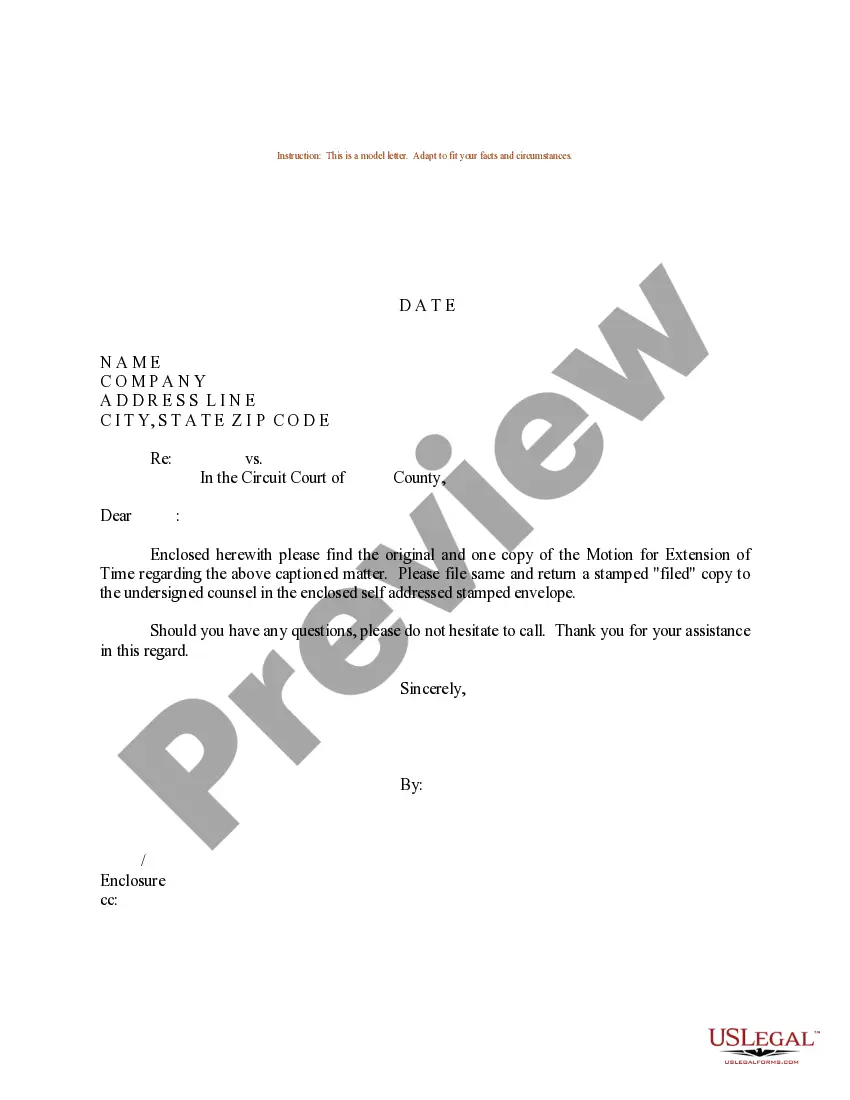
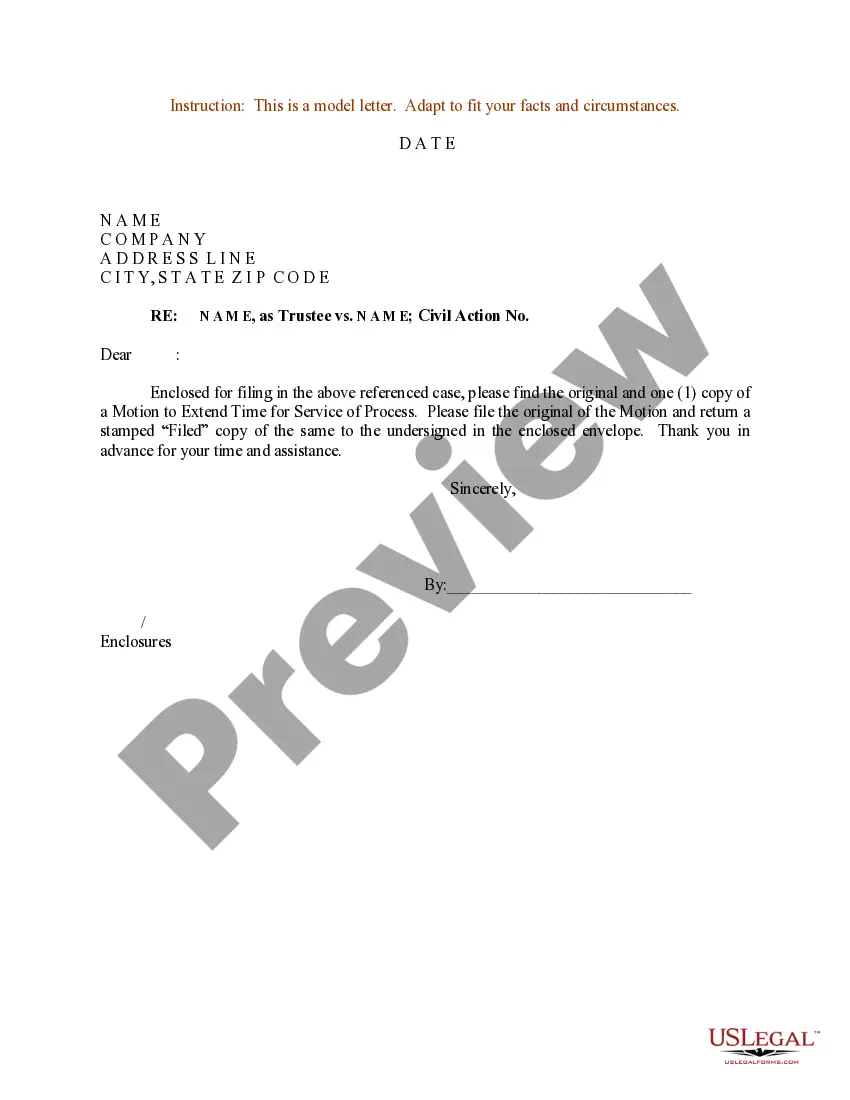
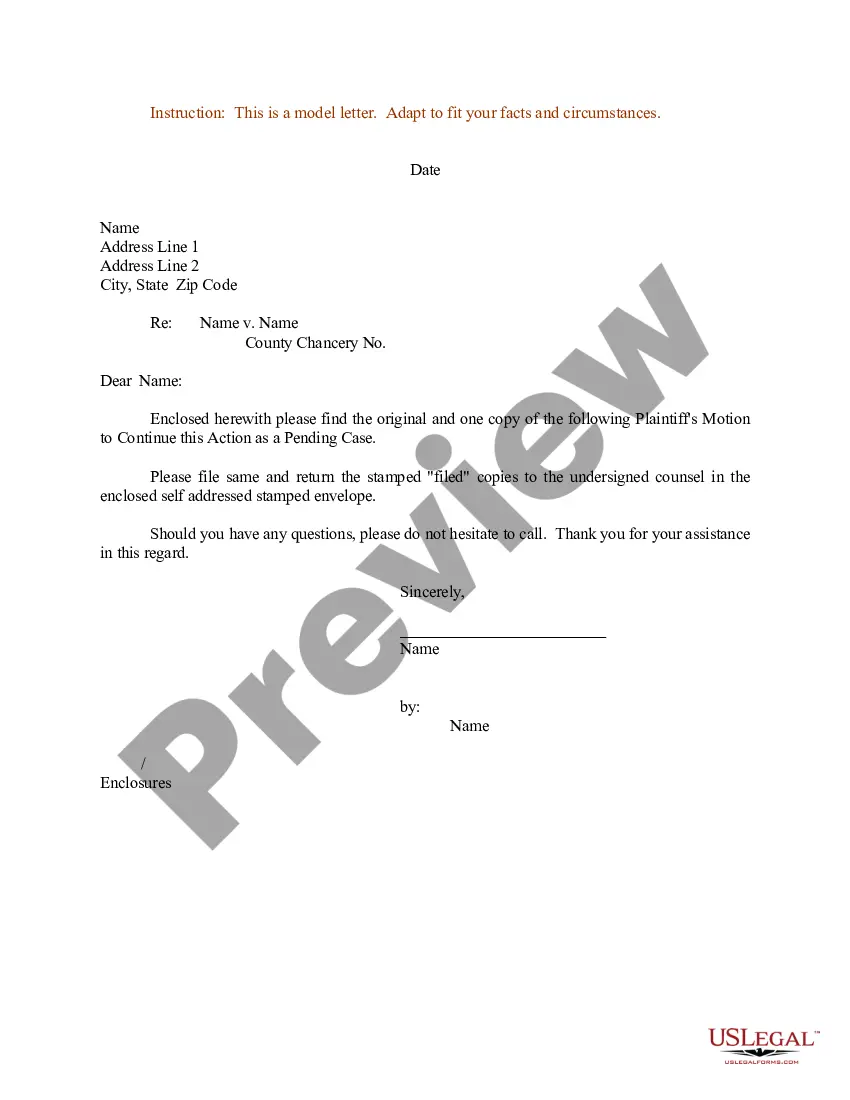
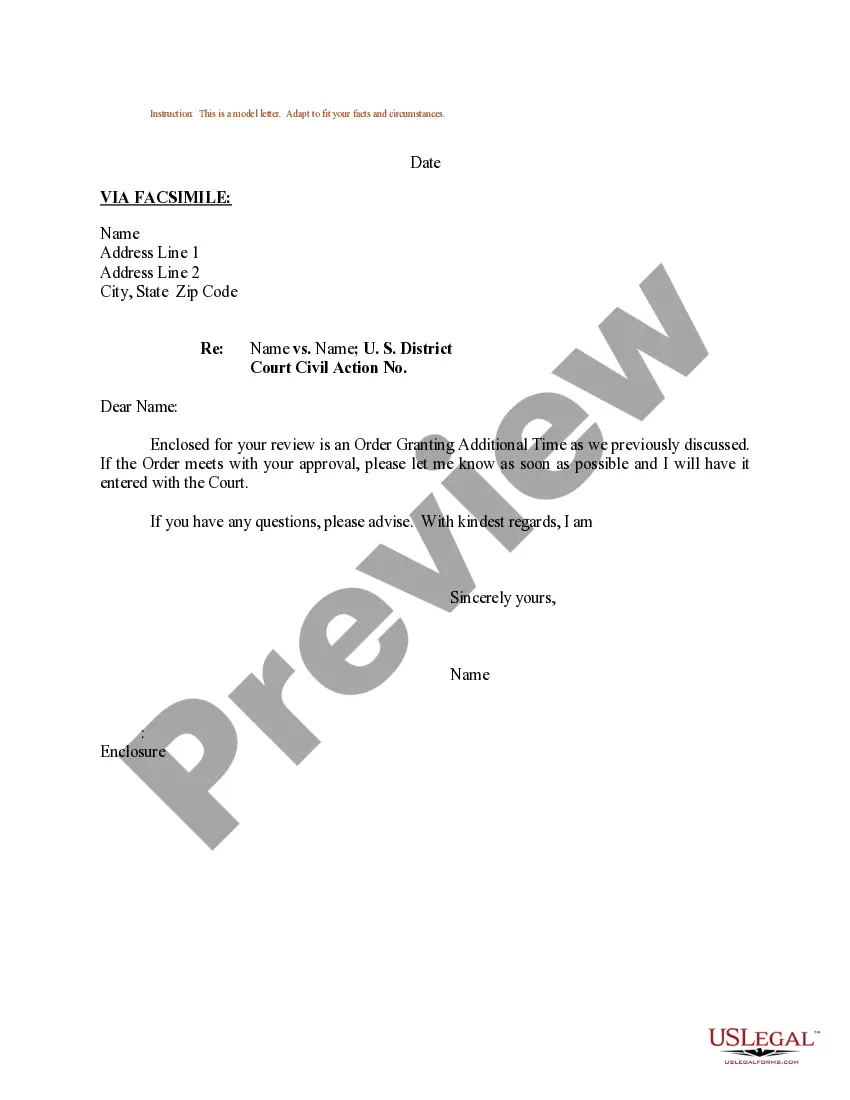
Get your form ready online
Our built-in tools help you complete, sign, share, and store your documents in one place.
Make edits, fill in missing information, and update formatting in US Legal Forms—just like you would in MS Word.
Download a copy, print it, send it by email, or mail it via USPS—whatever works best for your next step.
Sign and collect signatures with our SignNow integration. Send to multiple recipients, set reminders, and more. Go Premium to unlock E-Sign.
If this form requires notarization, complete it online through a secure video call—no need to meet a notary in person or wait for an appointment.
We protect your documents and personal data by following strict security and privacy standards.

Make edits, fill in missing information, and update formatting in US Legal Forms—just like you would in MS Word.

Download a copy, print it, send it by email, or mail it via USPS—whatever works best for your next step.

Sign and collect signatures with our SignNow integration. Send to multiple recipients, set reminders, and more. Go Premium to unlock E-Sign.

If this form requires notarization, complete it online through a secure video call—no need to meet a notary in person or wait for an appointment.

We protect your documents and personal data by following strict security and privacy standards.
Looking for another form?







Form popularity
FAQ
The court shall grant summary judgment if the moving party shows that there is no genuine dispute as to any material fact and the moving party is entitled to judgment as a matter of law. The court should state on the record the reasons for granting or denying the motion.
Any party may file a response to a motion within 14 days after the motion is served; however, the court may, for good cause shown, dispense with, shorten, or extend the time for responding to any motion.
If the appellant intends to argue on appeal that a finding or conclusion is unsupported by or is contrary to the evidence, the appellant must include in the record a transcript of all evidence relevant to such finding or conclusion.
(7) a reply to an answer if ordered by the court. (b) Motions. A request for an order must be made by motion. The motion must be in writing unless made during a hearing or trial, must state the relief requested, and must state the grounds for the relief requested.
Rule 11 was designed to highlight the importance of constitutional rights by requiring the judge in district court to discuss these rights with the defendant before accepting his plea. In other words, Rule 11 was created to help the defendant understand the basic consequences of the decision to plead guilty.
Rule 11 was designed to highlight the importance of constitutional rights by requiring the judge in district court to discuss these rights with the defendant before accepting his plea. In other words, Rule 11 was created to help the defendant understand the basic consequences of the decision to plead guilty.
(a) Right to Counsel. Upon arraignment, except for an infraction, a defendant must be represented by counsel, unless the defendant waives counsel in open court. The defendant must not be required to plead until the defendant has had a reasonable time to confer with counsel.
Rule 45 - Review of Judgments, Orders, and Decrees of Court of Appeals (a) Unless otherwise provided by law, the review of a judgment, an order, and a decree (herein referred to as "decisions") of the Court of Appeals shall be initiated by filing in the Utah Supreme Court a petition for a writ of certiorari to the Utah ...
One or more members of a class may sue or be sued as representative parties on behalf of all only if (1) the class is so numerous that joinder of all members is impracticable, (2) there are questions of law or fact common to the class, (3) the claims or defenses of the representative parties are typical of the claims ...

