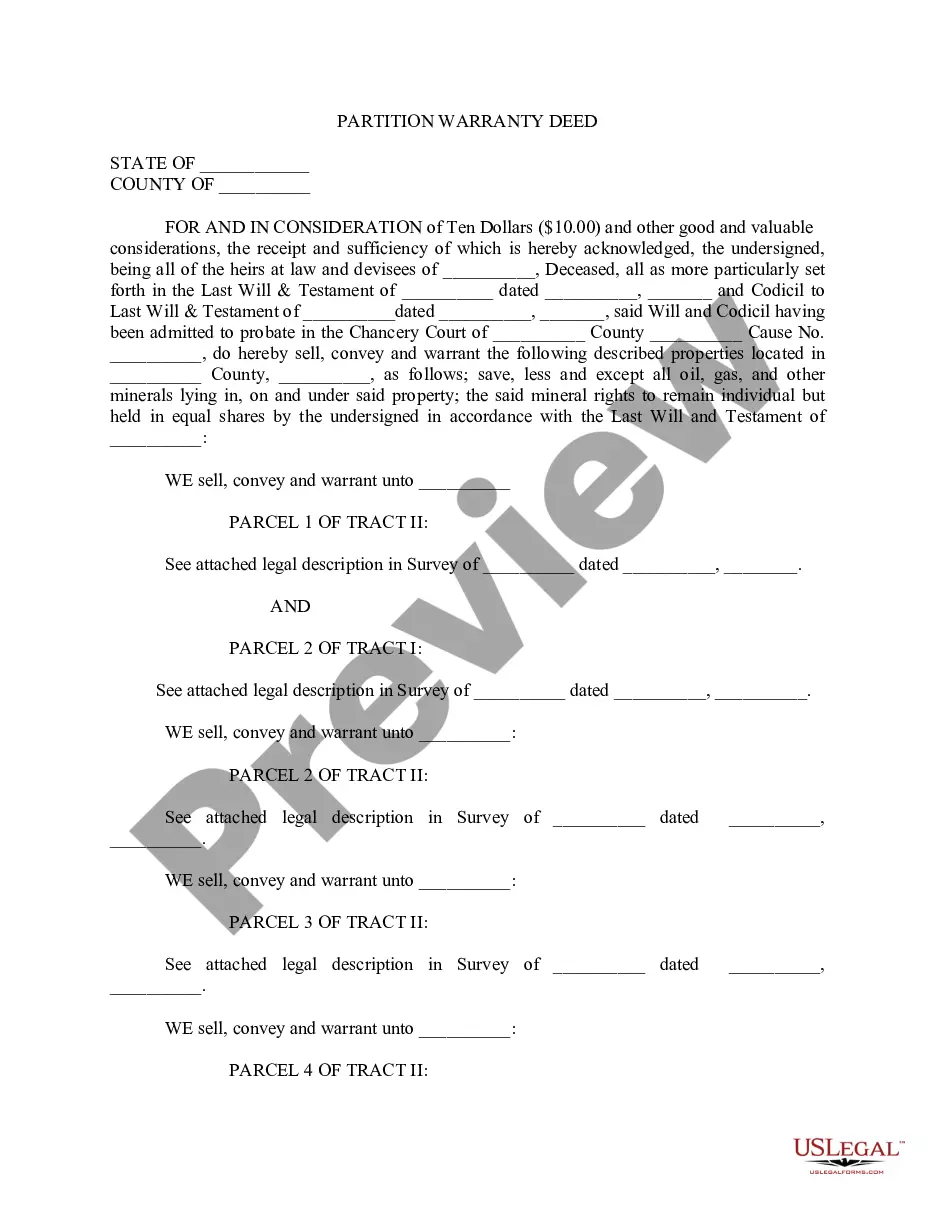
Partition Agreement Sample With Retainer In Riverside
Description

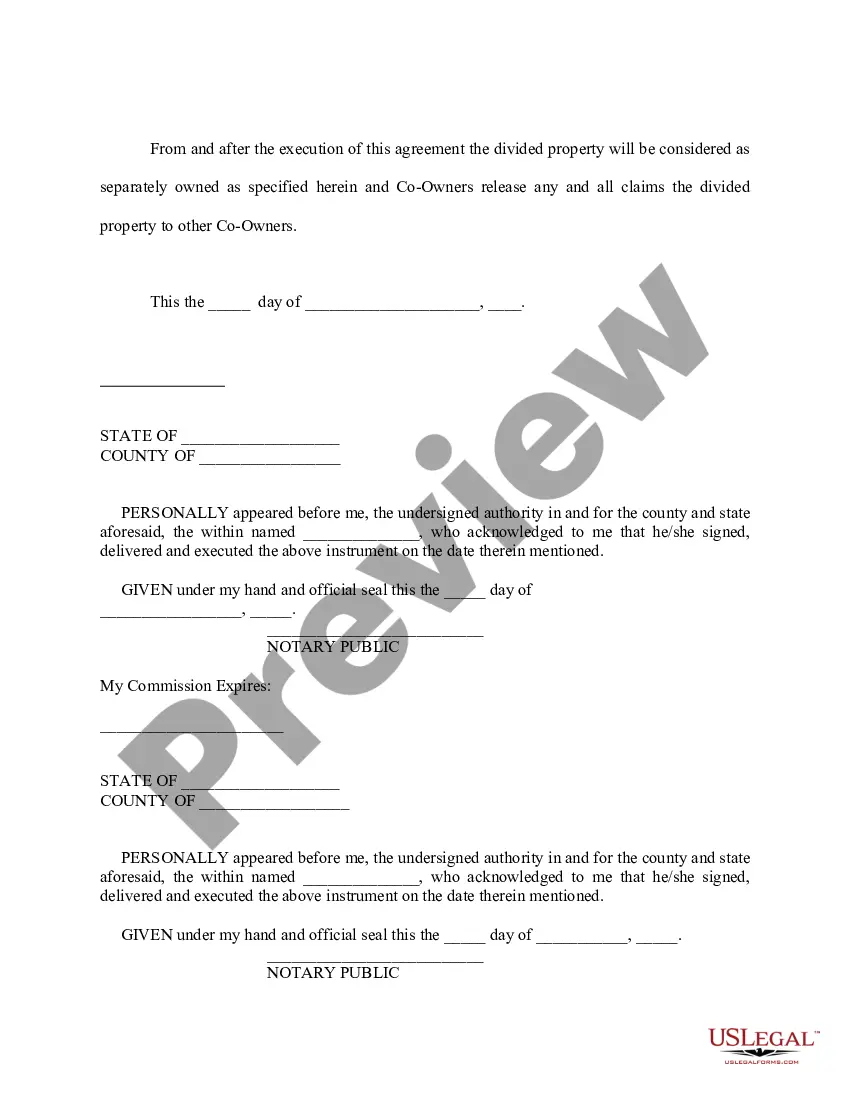
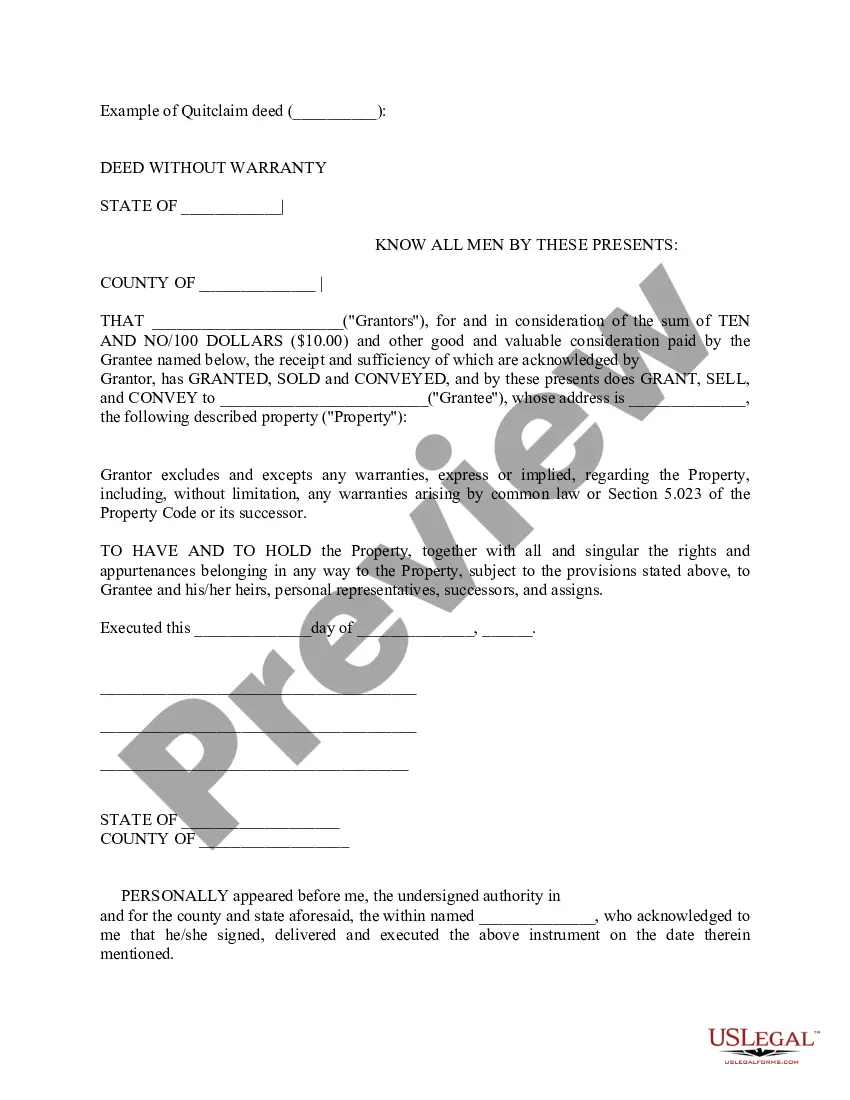
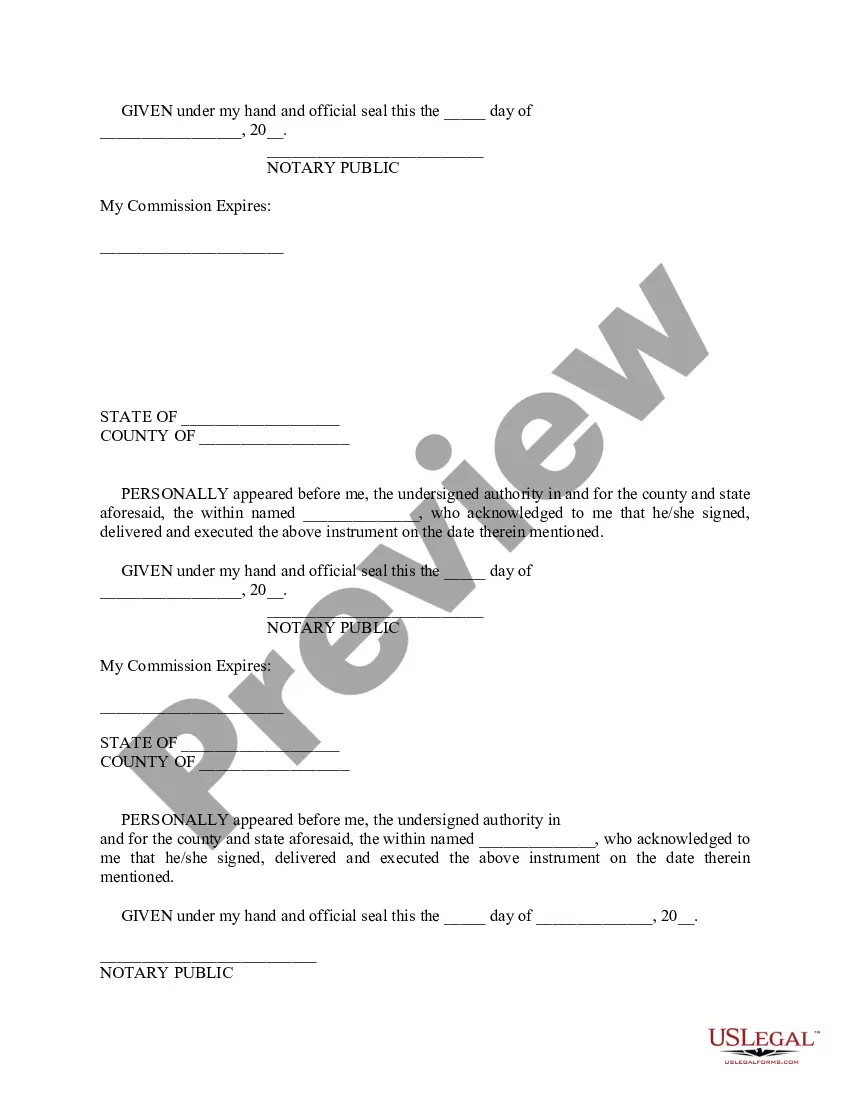

Get your form ready online
Our built-in tools help you complete, sign, share, and store your documents in one place.
Make edits, fill in missing information, and update formatting in US Legal Forms—just like you would in MS Word.
Download a copy, print it, send it by email, or mail it via USPS—whatever works best for your next step.
Sign and collect signatures with our SignNow integration. Send to multiple recipients, set reminders, and more. Go Premium to unlock E-Sign.
If this form requires notarization, complete it online through a secure video call—no need to meet a notary in person or wait for an appointment.
We protect your documents and personal data by following strict security and privacy standards.

Make edits, fill in missing information, and update formatting in US Legal Forms—just like you would in MS Word.

Download a copy, print it, send it by email, or mail it via USPS—whatever works best for your next step.

Sign and collect signatures with our SignNow integration. Send to multiple recipients, set reminders, and more. Go Premium to unlock E-Sign.

If this form requires notarization, complete it online through a secure video call—no need to meet a notary in person or wait for an appointment.

We protect your documents and personal data by following strict security and privacy standards.
Looking for another form?







Form popularity
FAQ
When the state, any county thereof, city, school district, district, public agency, or public corporation, or any officer of the state, or of any county thereof, city, school district, district, public agency, or public corporation, in his or her official capacity, is plaintiff, the answer shall be verified, unless an ...
If a complaint is not verified you can answer with a general denial pursuant to Code of Civil Procedure § 431.30(b) and generally deny all of the allegations of the complaint.
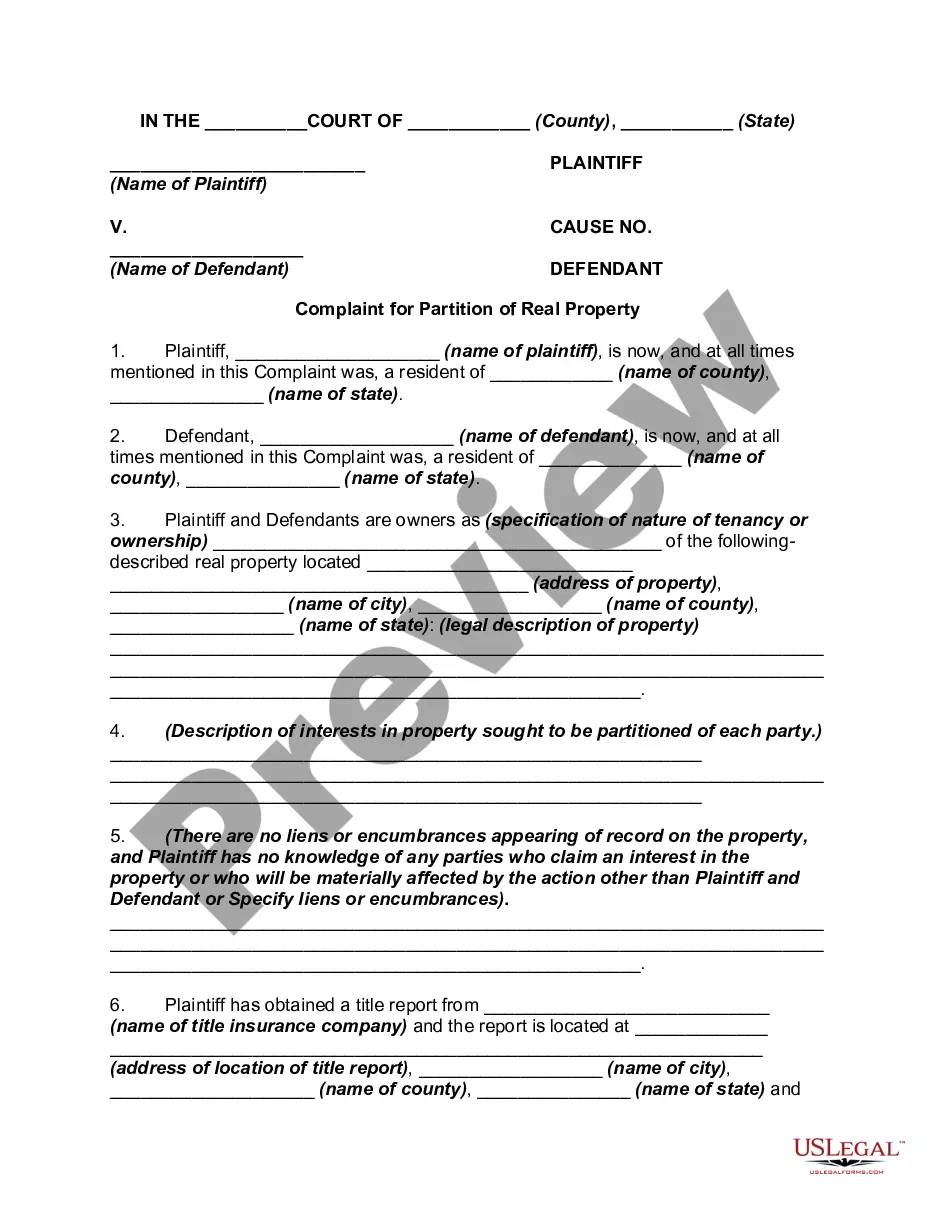
The complaint should outline the co-ownership of the property, the reason for the partition request, and any efforts you have made to resolve the dispute. You'll also need to provide proof of ownership and any relevant documents related to the property, such as title deeds or contracts.
A complaint is considered verified if, in the complaint, the plaintiff swears under penalty of perjury that everything is true and correct. Sometimes the verification will be separate from the complaint; other times it will be included at the end of the Complaint itself.
For example, if two co-owners own equal shares of 10 acres, the court may give each co-owner five acres. If all the property owners agree to the division terms and the property is easily divisible, a partition in kind can be a beneficial option.
How Long Does a Partition Action Take? While most lawsuits in California are supposed to take two years or more, there are a number of steps that an experienced partition lawyer can take to ensure that a partition action takes in less time.
In some cases, a partition may take as little as six months, while more complex situations can stretch out to two years or even longer. The duration largely depends on the cooperation level between co-owners, the complexity of the property's ownership structure, and the court's caseload.
When filing a lawsuit in California, the original complaint may be either verified or unverified. If it is verified, the plaintiff makes assertions under the pains and penalties of perjury. A verified complaint also forces the defendant to respond to the lawsuit with a verified answer.
