Sample Partition Agreement With Spouse In Los Angeles
Description

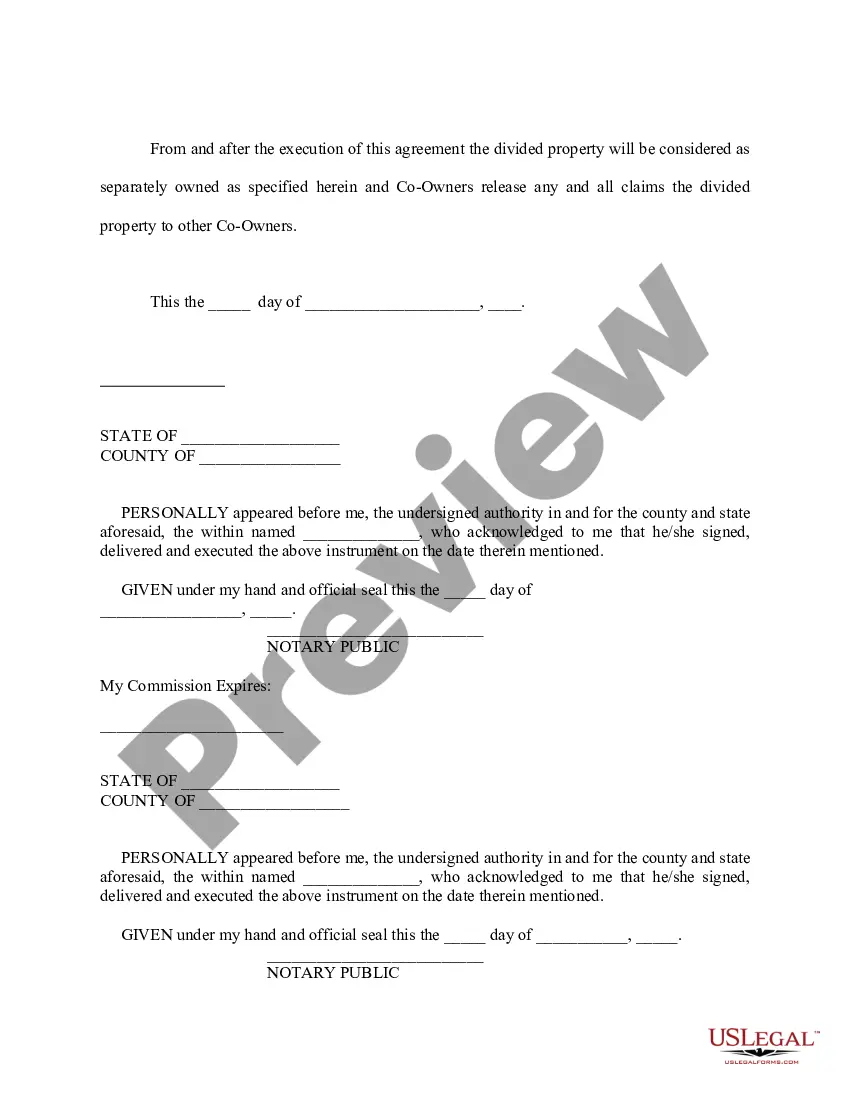
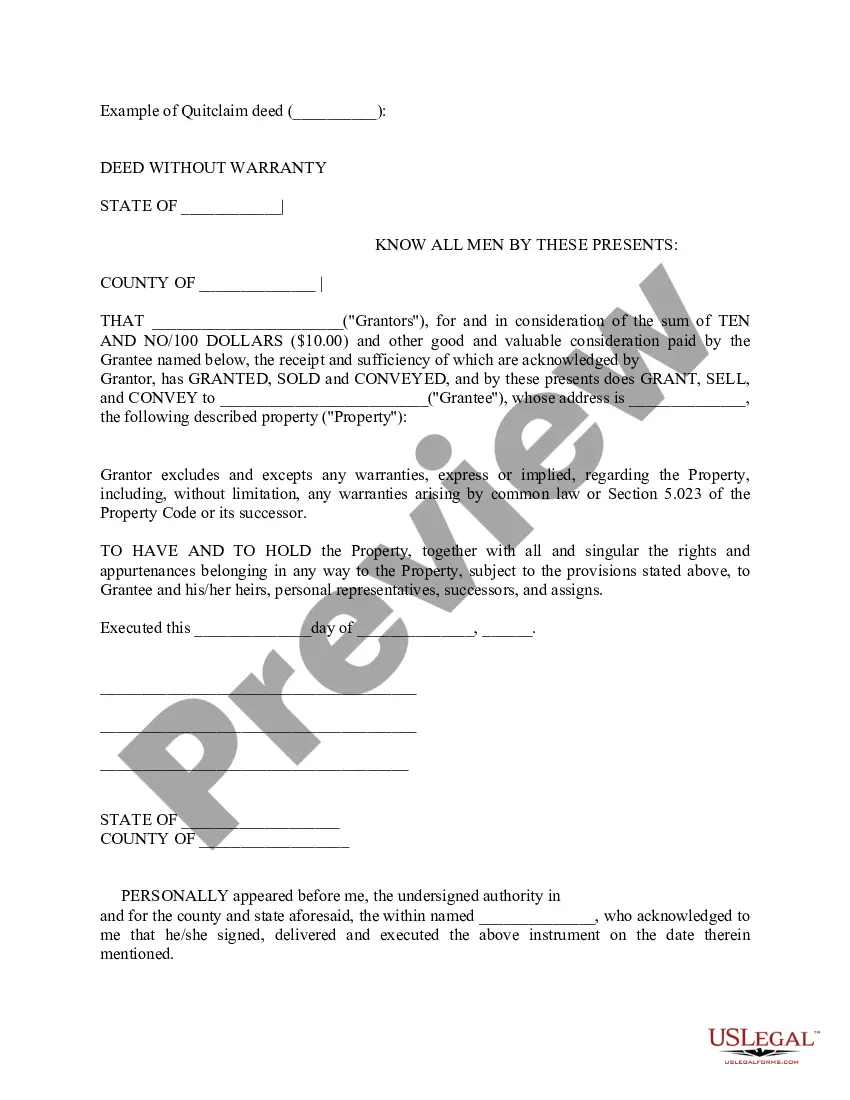

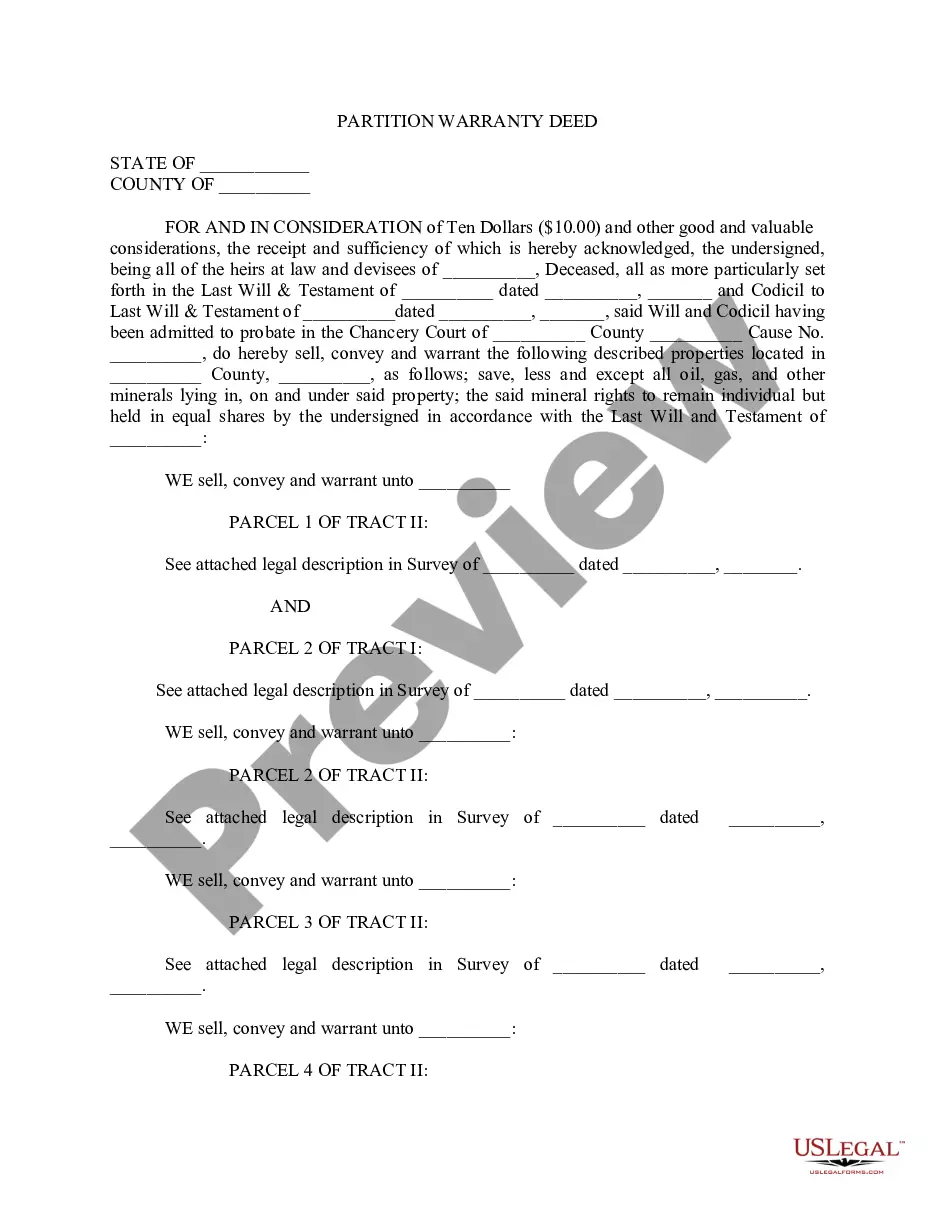
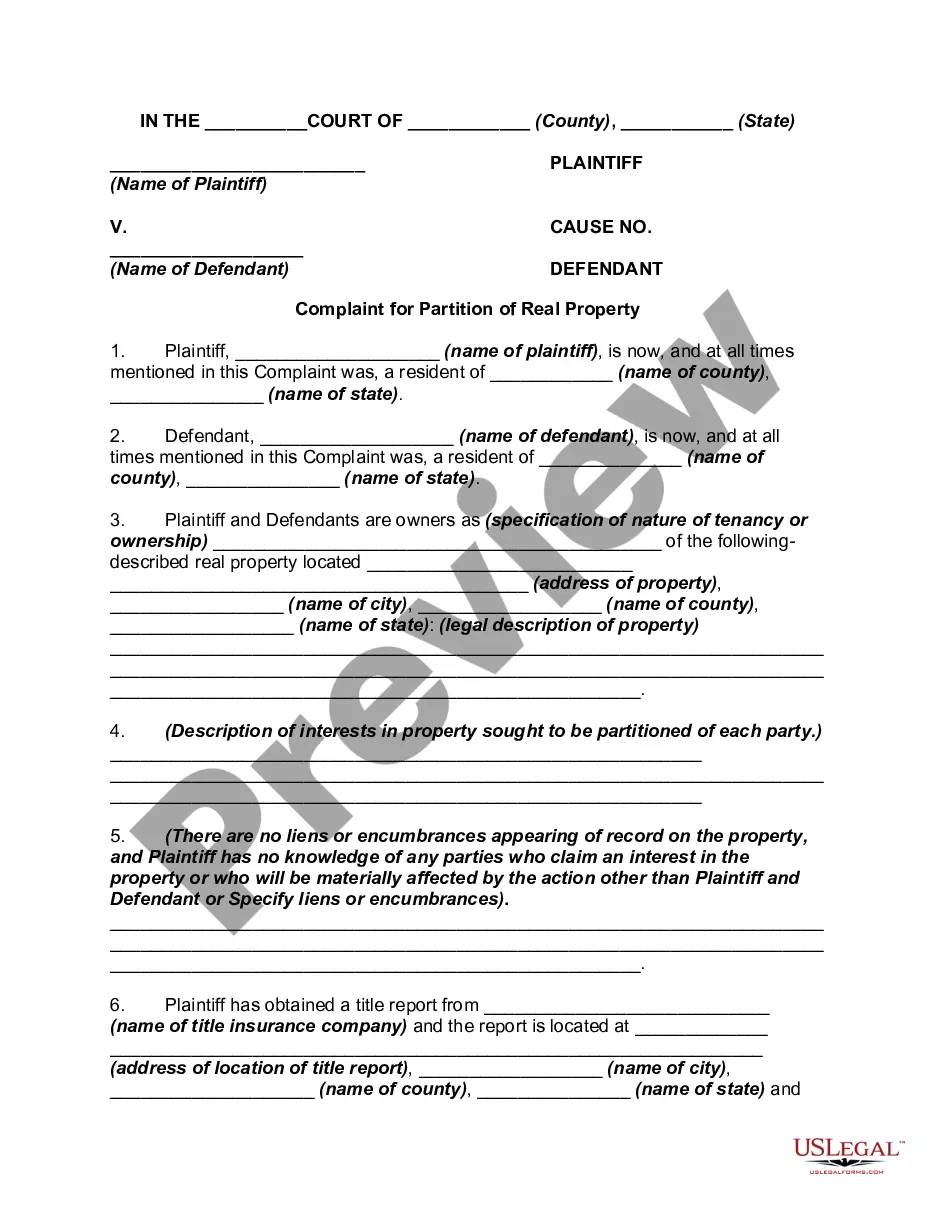
Get your form ready online
Our built-in tools help you complete, sign, share, and store your documents in one place.
Make edits, fill in missing information, and update formatting in US Legal Forms—just like you would in MS Word.
Download a copy, print it, send it by email, or mail it via USPS—whatever works best for your next step.
Sign and collect signatures with our SignNow integration. Send to multiple recipients, set reminders, and more. Go Premium to unlock E-Sign.
If this form requires notarization, complete it online through a secure video call—no need to meet a notary in person or wait for an appointment.
We protect your documents and personal data by following strict security and privacy standards.

Make edits, fill in missing information, and update formatting in US Legal Forms—just like you would in MS Word.

Download a copy, print it, send it by email, or mail it via USPS—whatever works best for your next step.

Sign and collect signatures with our SignNow integration. Send to multiple recipients, set reminders, and more. Go Premium to unlock E-Sign.

If this form requires notarization, complete it online through a secure video call—no need to meet a notary in person or wait for an appointment.

We protect your documents and personal data by following strict security and privacy standards.
Looking for another form?









Form popularity
FAQ
Previously, the partition law in California permitted any co-owner of a property to force a sale, often to the detriment of other owners. The new amendments, however, introduce a right of first refusal.
The actual time it takes from when a partition case is filed to when the land is partitioned physically, by sale, or by set-off varies from case to case. In general, partition cases can take several months or even years to resolve.
Here is an overview on how a partition action will play out in court. The party who wishes to initiate the action (the “Plaintiff”) must file a verified complaint for partition. The court will first determine the ownership interests of each of the co-owners.
If negotiation or mediation fails to resolve the dispute, the next step is to prepare and file a partition complaint. You have to file the Complaint in the Superior Court of California for the County where the Property is located. This is the only court with the power to hear the case.
How Long Does a Partition Action Take? While most lawsuits in California are supposed to take two years or more, there are a number of steps that an experienced partition lawyer can take to ensure that a partition action takes in less time.
A partition action is filed in the Court by submitting a “complaint” that complies with all of the requirements of the Code of Civil Procedure. In California, almost all of the partition actions are filed by attorneys on behalf of parties because there are a number of technical legal requirements for filing a lawsuit.
Generally, courts divide the costs of partition among the parties in proportion to their ownership interests or in a different manner when necessary to ensure equitable distributions. (CCP § 874.040.)
How Do I File for Legal Separation in California? Decide on why you want a legal separation. Get a copy of the FL-100 Petition - Marriage form. Fill out the FL-100 form. Fill out a second form, FL - 105/ GC - 120. You should then ask a family lawyer specialized in legal separation to review the forms.
