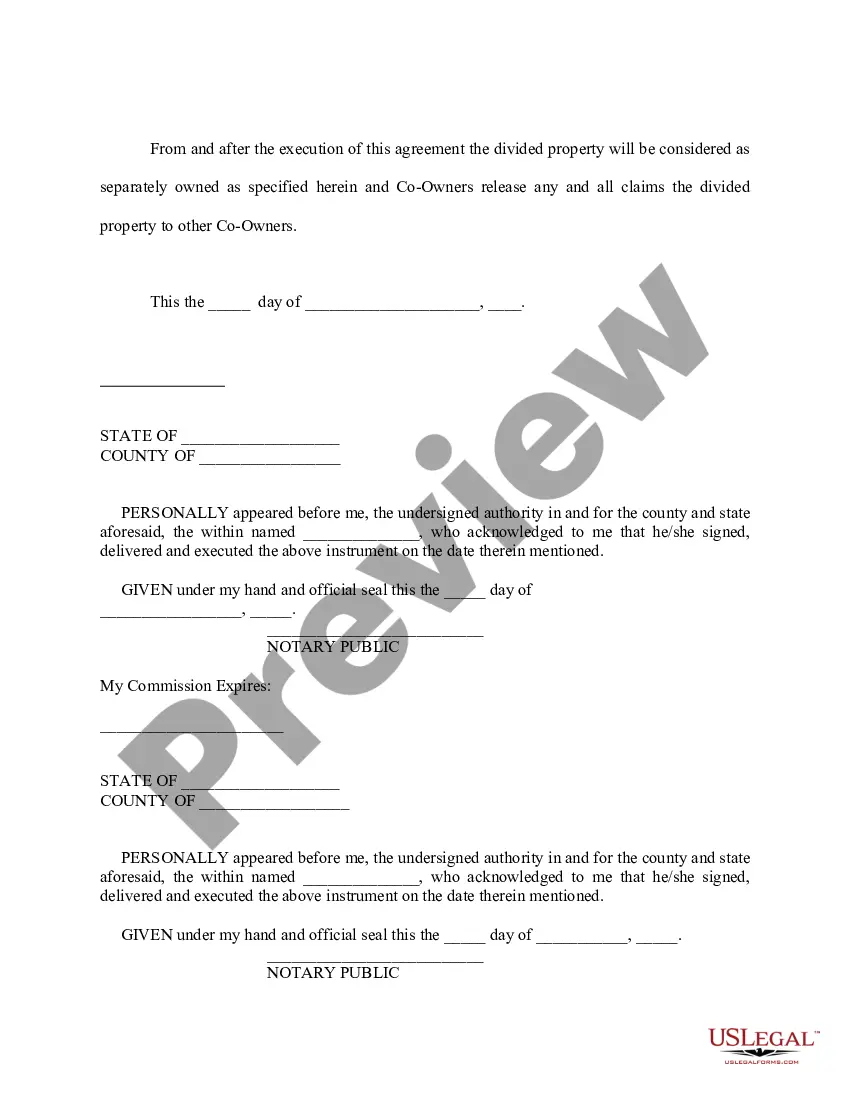
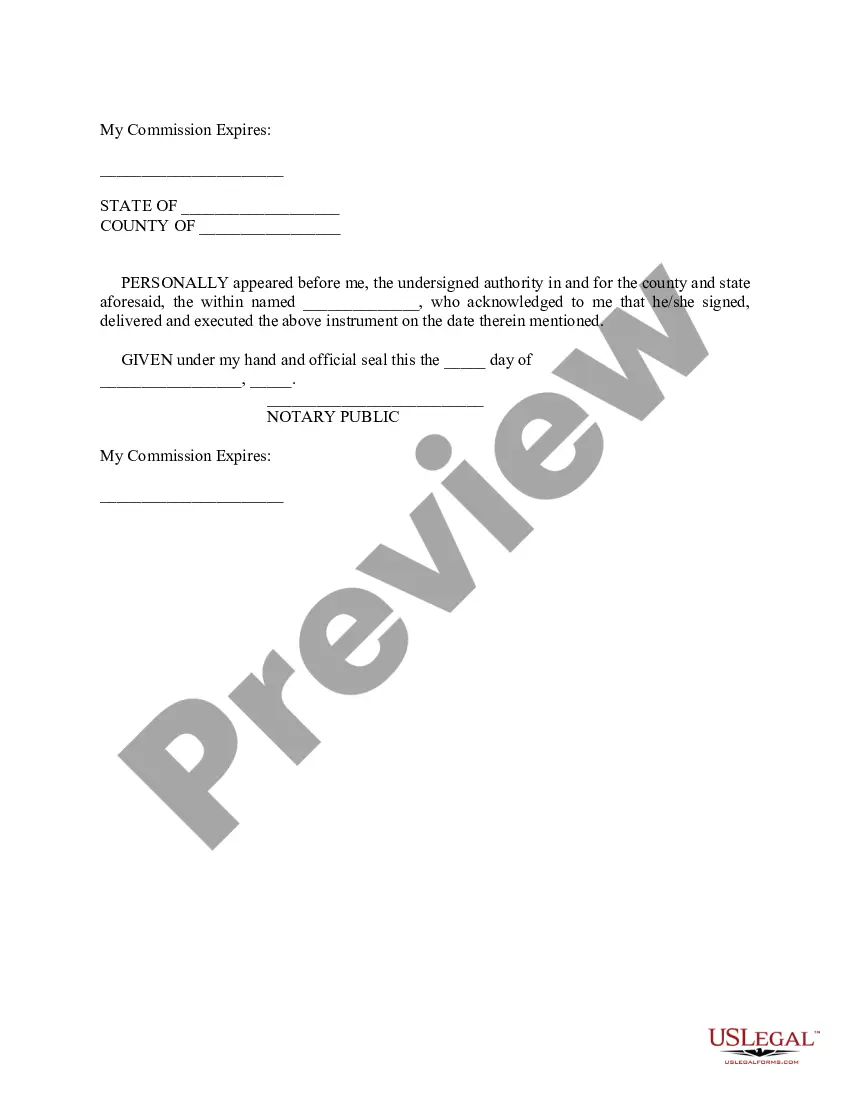
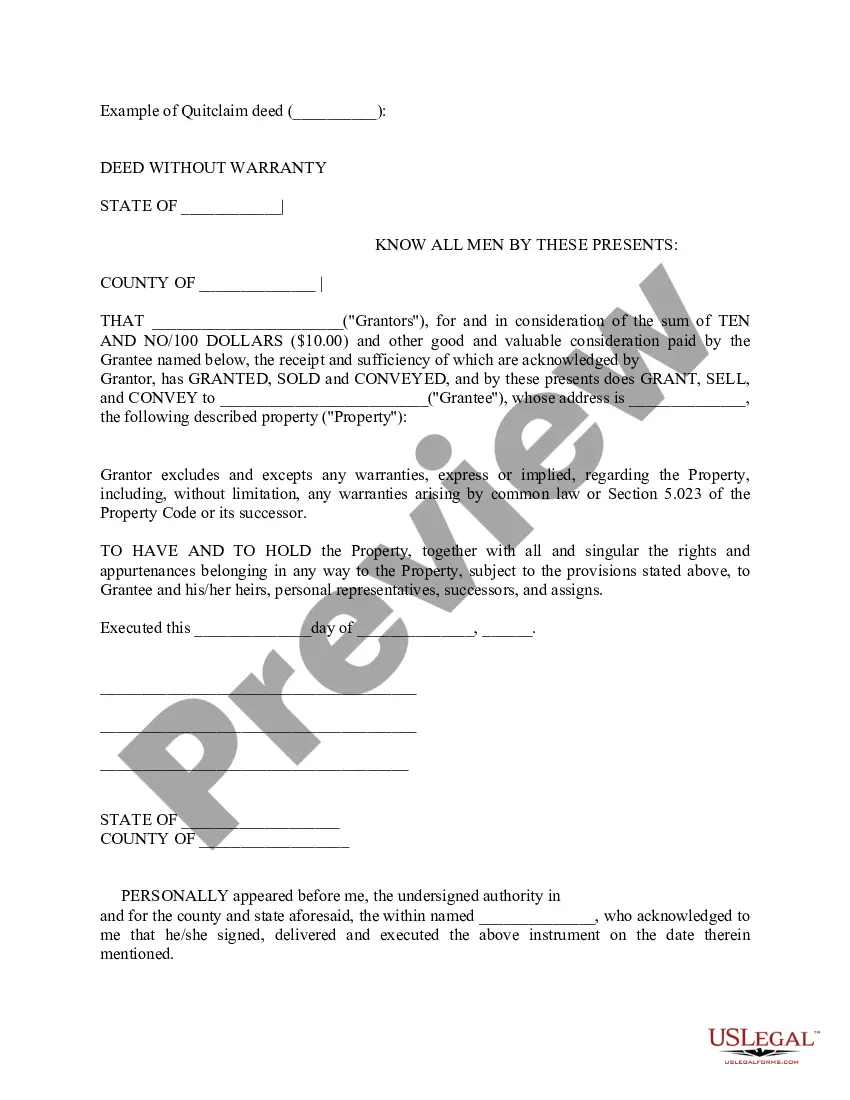
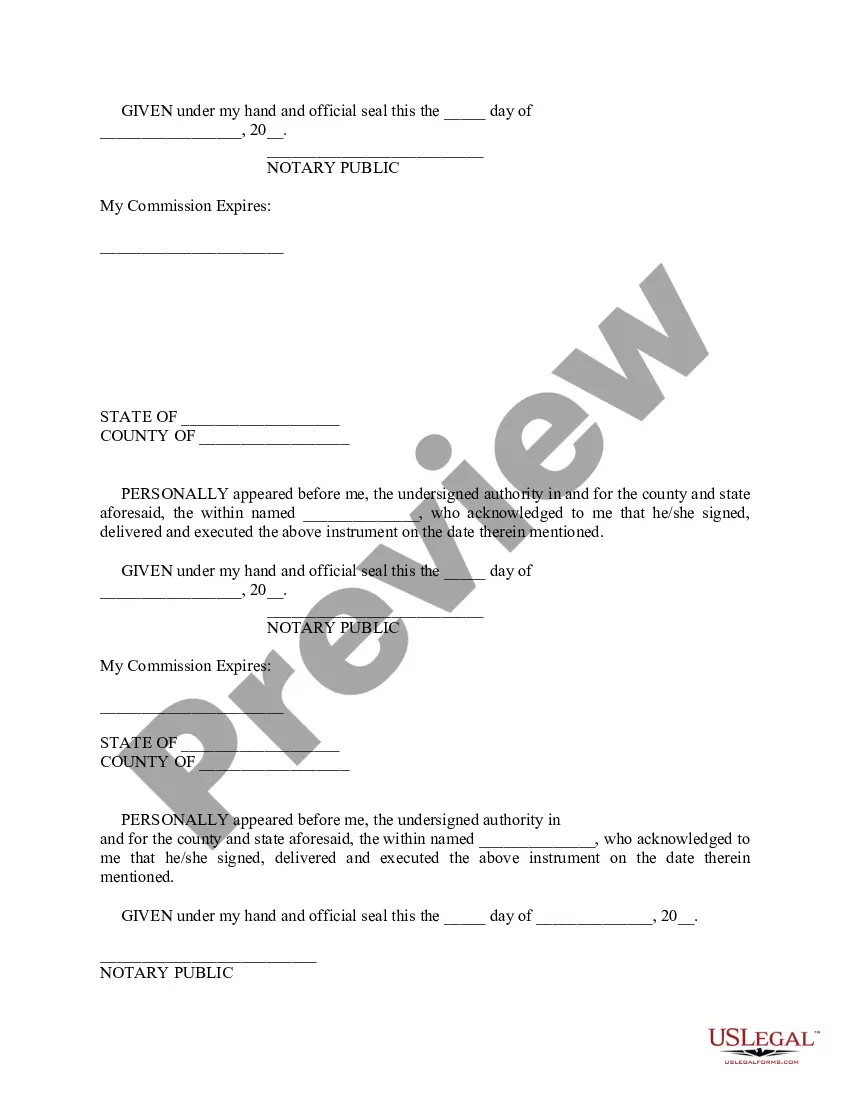
Sample Partition Agreement With Japan In Franklin
Description

Get your form ready online
Our built-in tools help you complete, sign, share, and store your documents in one place.
Make edits, fill in missing information, and update formatting in US Legal Forms—just like you would in MS Word.
Download a copy, print it, send it by email, or mail it via USPS—whatever works best for your next step.
Sign and collect signatures with our SignNow integration. Send to multiple recipients, set reminders, and more. Go Premium to unlock E-Sign.
If this form requires notarization, complete it online through a secure video call—no need to meet a notary in person or wait for an appointment.
We protect your documents and personal data by following strict security and privacy standards.

Make edits, fill in missing information, and update formatting in US Legal Forms—just like you would in MS Word.

Download a copy, print it, send it by email, or mail it via USPS—whatever works best for your next step.

Sign and collect signatures with our SignNow integration. Send to multiple recipients, set reminders, and more. Go Premium to unlock E-Sign.

If this form requires notarization, complete it online through a secure video call—no need to meet a notary in person or wait for an appointment.

We protect your documents and personal data by following strict security and privacy standards.
Looking for another form?









Form popularity
FAQ
The Japanese strategy was to destroy the invader's landing vessels before they hit the beaches. For this purpose, Japan had reserved about 5,000 conventional aircraft and a variety of suicide vehicles, including about 5,500 kamikaze planes, 1,300 suicide submarines, and several hundred piloted bombs.
Roosevelt's leadership strategies toward Japan before World War II included cautious diplomacy, economic sanctions, and military planning aimed at maintaining balance in the Pacific. He focused on limiting Japanese expansion through measures like export bans while prioritizing European conflict.
The Japanese grudgingly agreed to Perry's demands, and the two sides signed the Treaty of Kanagawa on March 31, 1854. ing to the terms of the treaty, Japan would protect stranded seamen and open two ports for refueling and provisioning American ships: Shimoda and Hakodate.
Roosevelt's leadership strategies toward Japan before World War II included cautious diplomacy, economic sanctions, and military planning aimed at maintaining balance in the Pacific. He focused on limiting Japanese expansion through measures like export bans while prioritizing European conflict.
Roosevelt declared that while the United States would remain neutral in law, he could “not ask that every American remain neutral in thought as well.” Roosevelt himself made significant efforts to help nations engaged in the struggle against Germany and wanted to extend a helping hand to those countries that ...
On February 19, 1942, FDR issued Executive Order 9066, which led to the forced relocation of approximately 120,000 Japanese Americans living on the West Coast. More than two-thirds of these people were native born American citizens. They were confined in inland internment camps operated by the military.
Rather than enacting racially discriminatory and offensive immigration laws, President Theodore Roosevelt sought to avoid offending the rising world power of Japan through this negotiated agreement by which the Japanese government limited the immigration of its own citizens.
