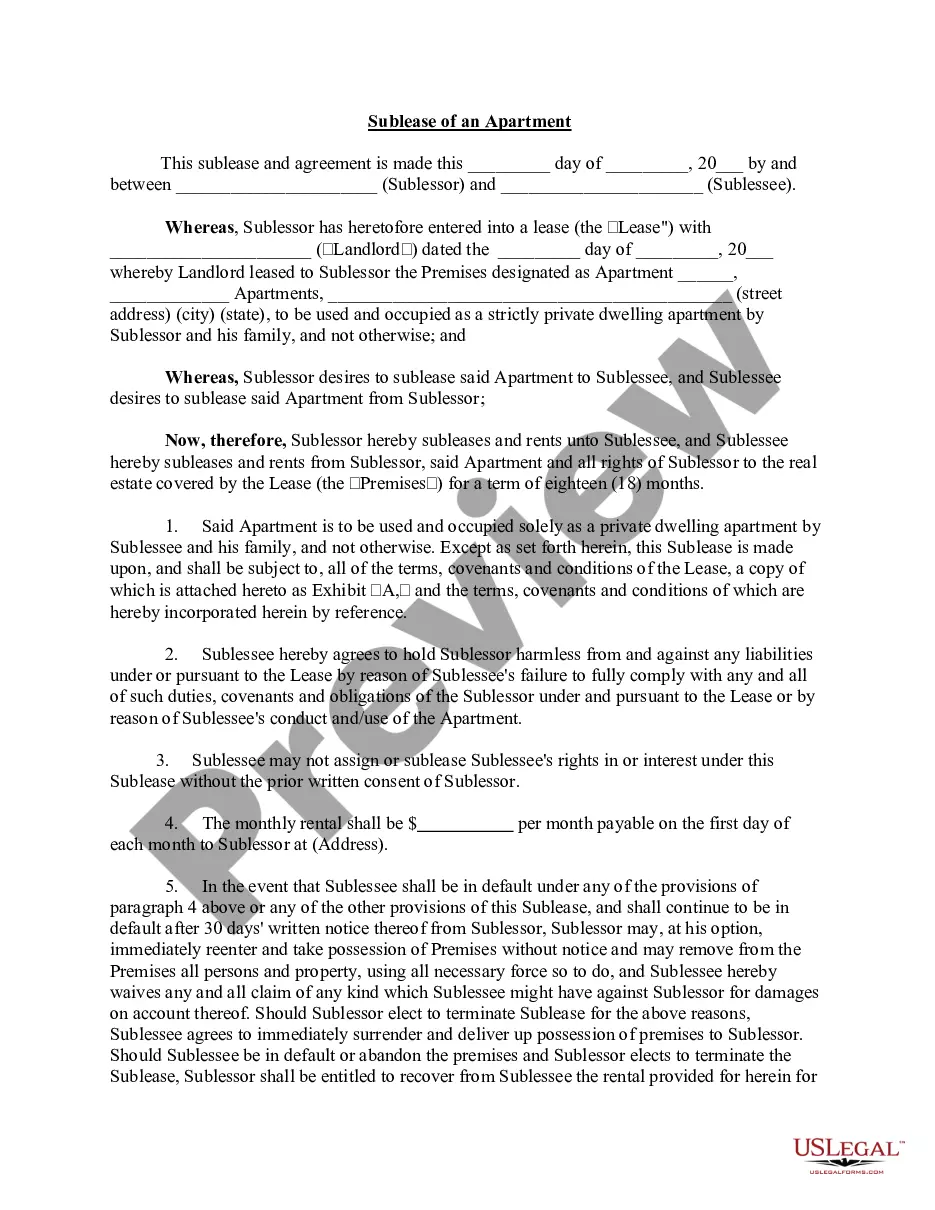
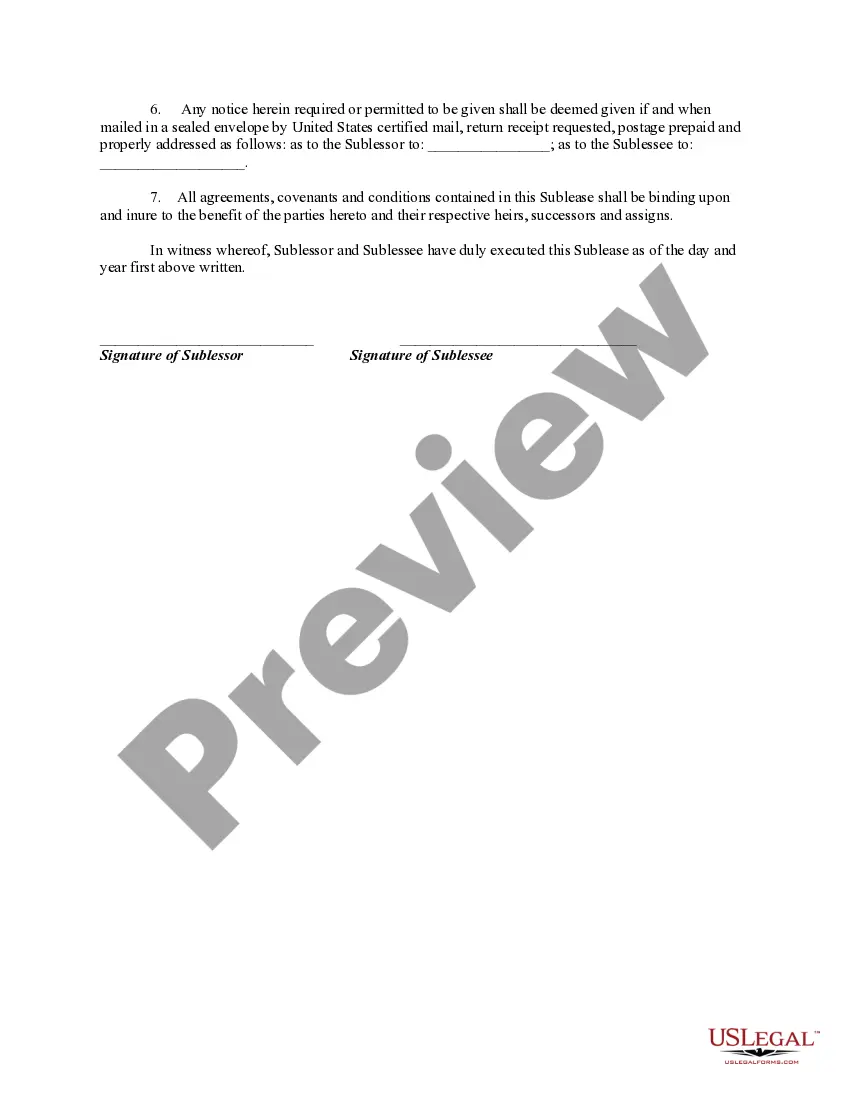
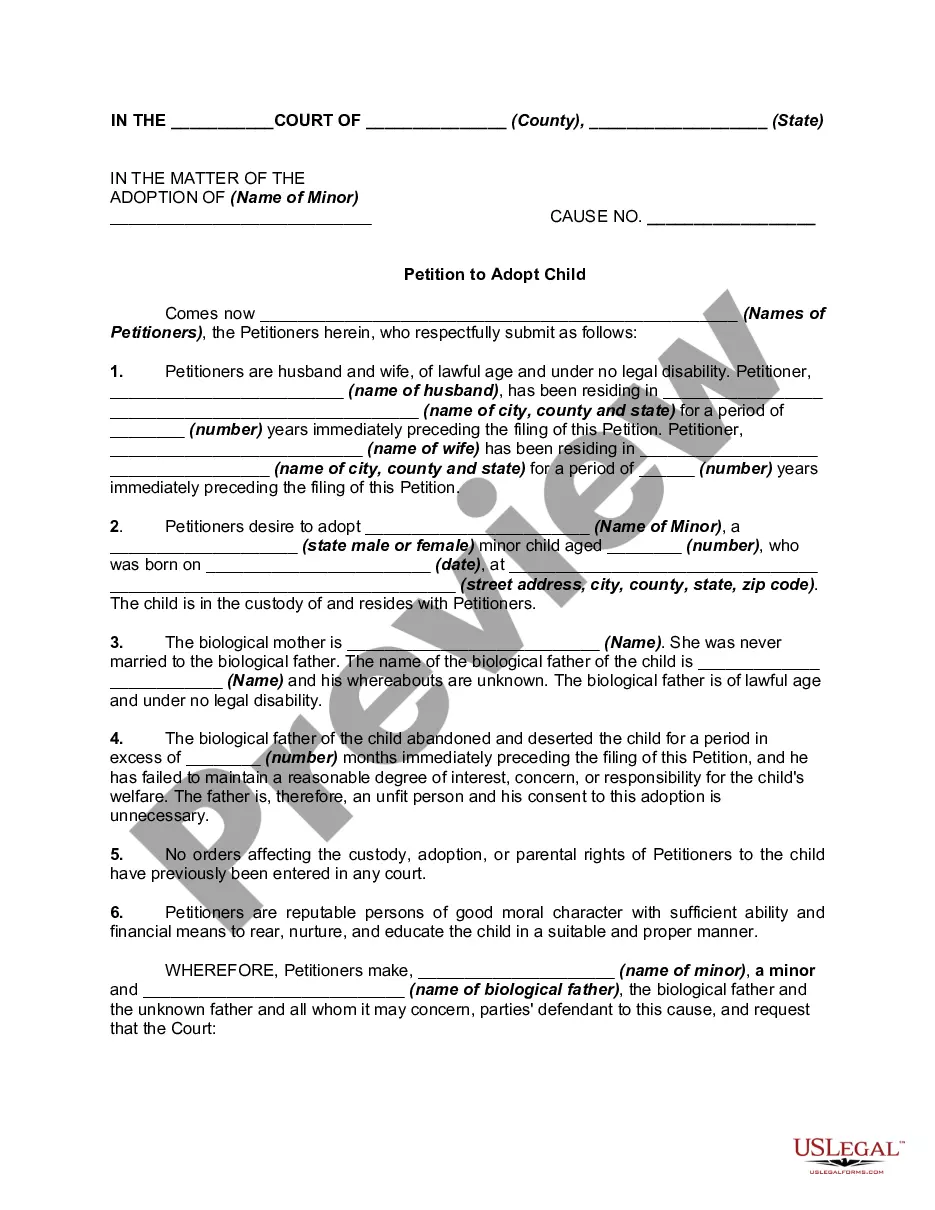
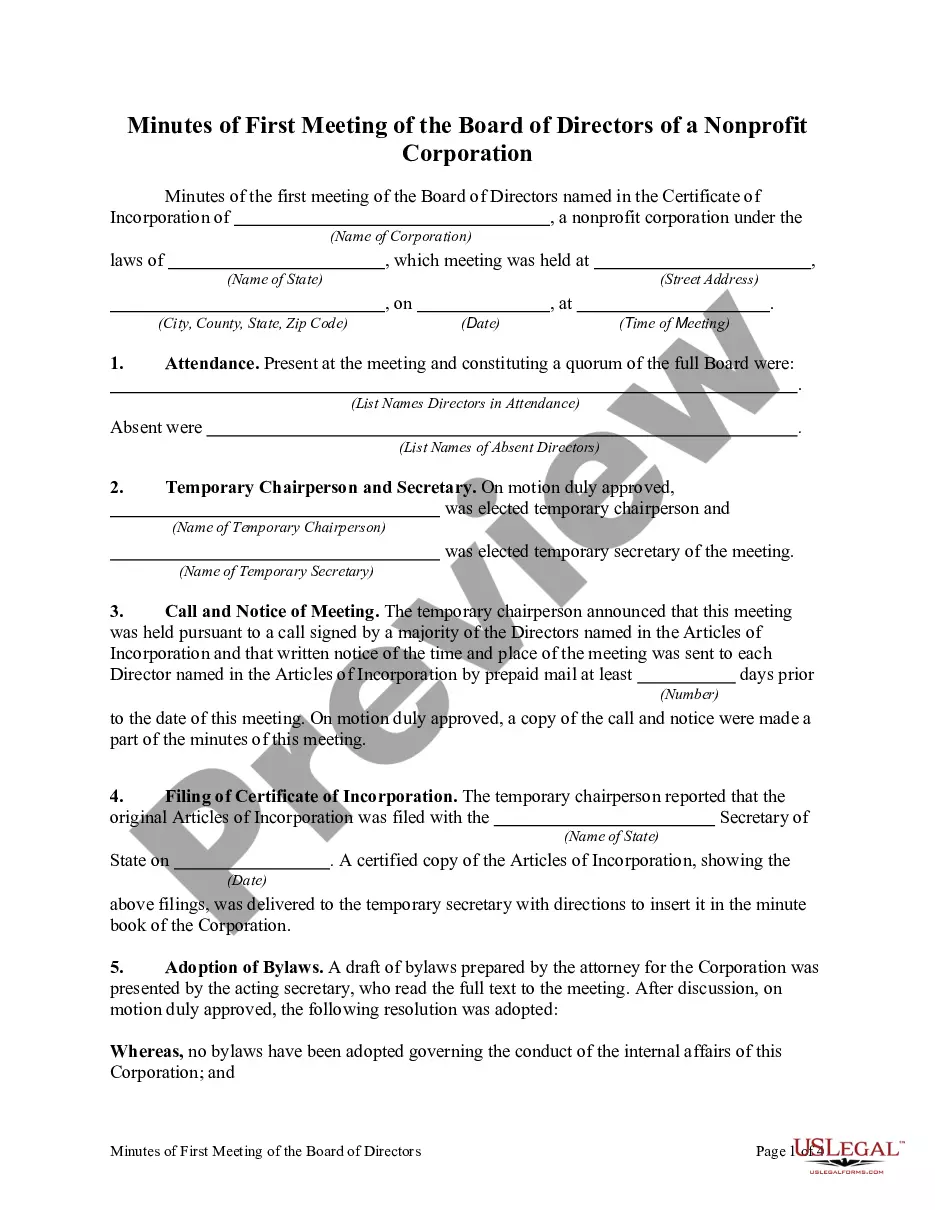
Sublease Apartment Rental Without Lease In Middlesex
Description

Get your form ready online
Our built-in tools help you complete, sign, share, and store your documents in one place.
Make edits, fill in missing information, and update formatting in US Legal Forms—just like you would in MS Word.
Download a copy, print it, send it by email, or mail it via USPS—whatever works best for your next step.
Sign and collect signatures with our SignNow integration. Send to multiple recipients, set reminders, and more. Go Premium to unlock E-Sign.
If this form requires notarization, complete it online through a secure video call—no need to meet a notary in person or wait for an appointment.
We protect your documents and personal data by following strict security and privacy standards.

Make edits, fill in missing information, and update formatting in US Legal Forms—just like you would in MS Word.

Download a copy, print it, send it by email, or mail it via USPS—whatever works best for your next step.

Sign and collect signatures with our SignNow integration. Send to multiple recipients, set reminders, and more. Go Premium to unlock E-Sign.

If this form requires notarization, complete it online through a secure video call—no need to meet a notary in person or wait for an appointment.

We protect your documents and personal data by following strict security and privacy standards.
Looking for another form?






Form popularity
FAQ
Those without any immigration status, or who cannot prove their immigration status, are prohibited from renting a property, as they are not usually considered to have a 'right to rent'. However, some people in this situation may be able to obtain the right to rent.
Sub-letting without permission is normally considered being a matter of civil, rather than criminal law. However, if you are a tenant that is living in social housing and you decide to sub-let your property or assist someone else to sub-let such a property, you may have committed a criminal offence.
If your tenancy doesn't have a fixed end date you'll need your landlord's permission to sublet your whole home. If they say no, they don't have to give you a reason. If there's a fixed end date for your tenancy, you're allowed to sublet your whole home.
Step 1: Check your lease Check your rental agreement or lease documentation for specific rules on subletting your apartment. Step 2: Send landlord a letter Send your landlord or building manager a certified letter asking permission to sublet, and wait for approval. Keep copies of all communications.
Did you know that one in ten tenants admit to illegally subletting their rental property? The practice is even more common among young people; in a recent survey, 25% of tenants aged 18 to 24 confessed to secretly subletting all or part of their rental.
Make sure your contract allows subletting and get permission from your landlord. Subletting without permission is a breach of contract and your landlord could evict you and your subtenant. Becoming a landlord through subletting means you have the legal obligations of a landlord.
Many Landlords believe that the proper way to remove a Sub-Tenant is to evict them. This is not accurate. Since they are not in a lease with the Sub-Tenant, they must file an Unlawful Detainer to remove them from the property.
The tenant may sue the subletter based on their Sublease Agreement, if they have one, to recover what the landlord recovers from the tenant. In some situations, the landlord may also sue the subletter based on state or local law, or the Sublease Agreement.
If your agreement doesn't say anything about subletting You don't need your landlord's permission but it's usually best to let them know. If they don't want you to sublet your home, your landlord can get a court order to end your tenancy, evict your subtenant and stop you from moving back in.
Subletting your apartment without informing your landlord is generally not advisable and may violate your lease agreement. Most lease agreements require tenants to obtain permission from the landlord before subletting. If you sublet without notifying your landlord, you could face consequences such as:
