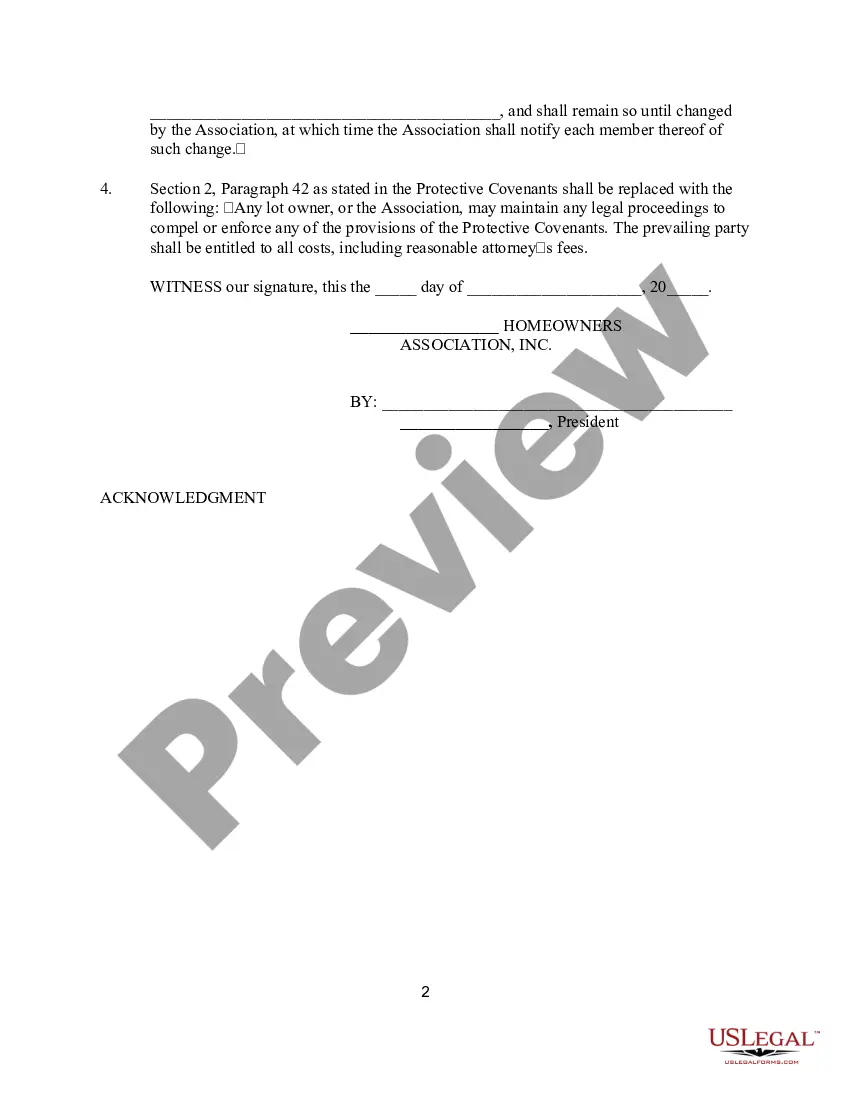
A Protective Covenant With The Land In Bronx
Description

Get your form ready online
Our built-in tools help you complete, sign, share, and store your documents in one place.
Make edits, fill in missing information, and update formatting in US Legal Forms—just like you would in MS Word.
Download a copy, print it, send it by email, or mail it via USPS—whatever works best for your next step.
Sign and collect signatures with our SignNow integration. Send to multiple recipients, set reminders, and more. Go Premium to unlock E-Sign.
If this form requires notarization, complete it online through a secure video call—no need to meet a notary in person or wait for an appointment.
We protect your documents and personal data by following strict security and privacy standards.

Make edits, fill in missing information, and update formatting in US Legal Forms—just like you would in MS Word.

Download a copy, print it, send it by email, or mail it via USPS—whatever works best for your next step.

Sign and collect signatures with our SignNow integration. Send to multiple recipients, set reminders, and more. Go Premium to unlock E-Sign.

If this form requires notarization, complete it online through a secure video call—no need to meet a notary in person or wait for an appointment.

We protect your documents and personal data by following strict security and privacy standards.
Looking for another form?







Form popularity
FAQ
Although they are generally referred to collectively as restrictive, or restrictive and protective, covenants, there are two types of such covenants: (i) restrictions on the use of the property, and (ii) affirmative obligations imposed on the owner of the properties.
A restrictive covenant that runs with the land is typically prohibitive in nature, meaning it restricts or limits what a property owner may do with the property. Examples include restrictions such as limitations on building height or prohibition against certain uses (pesticide use, for instance).
Some of the most common restrictive covenants include: Alterations and extensions to the building. Changes to the use of a property, for example, converting a building into flats or turning a house into business premises. Rent and lease restrictions. Limitations on pets. Limitations on home colour.
It is possible to apply to the Lands Chamber of the Upper Tribunal to have a restrictive covenant “discharged or modified”, as the statute puts it, in order to get the covenant removed or changed so that development can take place or the use of the land can be changed.
For example, restrictive covenants can prevent owners and tenants from making certain renovations, having pets, parking RVs in the driveway, or raising livestock.
A restrictive covenant is a provision in a real property conveyance that limits the grantee's use of the property.
An HOA typically consists of a board of directors elected by community members, and they make decisions and set policies for the community. On the other hand, an HOA covenant is a legal document that outlines the rules and restrictions governing a particular neighborhood or community.
"Running with the land" refers to the rights and covenants in a real estate deed that remain with the land regardless of ownership. When rights and covenants run with the land when the property changes hands.
They can include restrictions on architectural styles, colors, fence heights, types of landscaping, and prohibitions on commercial use in a residential area, among others. Violating these covenants can result in legal action or fines.
A protective covenant can be used to protect rights while using residential property. The restriction might be put from conducting any business activity on the property like using it for running office or business from the residential property.
