Covenant Is A Formal Agreement In Queens
Description

Get your form ready online
Our built-in tools help you complete, sign, share, and store your documents in one place.
Make edits, fill in missing information, and update formatting in US Legal Forms—just like you would in MS Word.
Download a copy, print it, send it by email, or mail it via USPS—whatever works best for your next step.
Sign and collect signatures with our SignNow integration. Send to multiple recipients, set reminders, and more. Go Premium to unlock E-Sign.
If this form requires notarization, complete it online through a secure video call—no need to meet a notary in person or wait for an appointment.
We protect your documents and personal data by following strict security and privacy standards.

Make edits, fill in missing information, and update formatting in US Legal Forms—just like you would in MS Word.

Download a copy, print it, send it by email, or mail it via USPS—whatever works best for your next step.

Sign and collect signatures with our SignNow integration. Send to multiple recipients, set reminders, and more. Go Premium to unlock E-Sign.

If this form requires notarization, complete it online through a secure video call—no need to meet a notary in person or wait for an appointment.

We protect your documents and personal data by following strict security and privacy standards.
Looking for another form?









Form popularity
FAQ
For example, if there is a requirement that written approval is given for an extension, your solicitor will ask for a copy of this. Restrictive covenants are found in the title deeds to the property. They may be listed on the Land Register or referred to in an old conveyance or transfer document.
Restrictive covenants do not automatically expire. Most restrictive covenants 'run with the land', which means the obligations they impose are permanent and are passed down from owner to subsequent owner.
Since 1990, the Land Registry register has been open to the public.
Non-competition, non-dealing and non-solicitation restrictive covenants are only enforceable under English law if the employer can demonstrate that: it has a legitimate business interest that it is seeking to protect; and.
Covenants are legally binding and enforceable by the court. What might a covenant restrict? A covenant can restrict the appearance of a development, for example its height, size or quantity, or it can restrict the activity that takes place on a plot, such as allowing only agricultural or residential use.
They have no official expiration date. As long as the legal requirements for a restrictive covenant are otherwise met, a restrictive covenant could be hundreds of years old and could still be enforceable. However, with older restrictive covenants, it may be much more difficult to establish their existence.
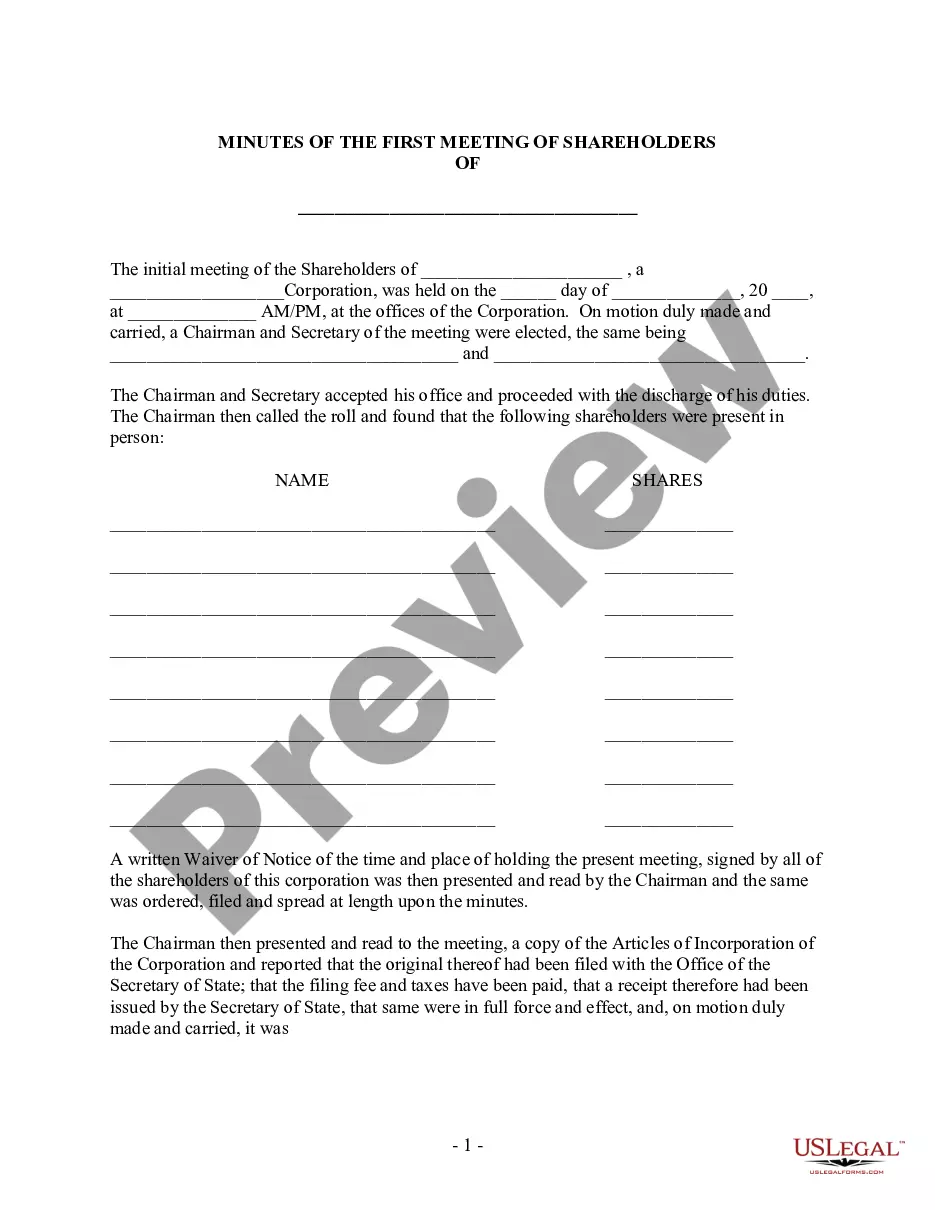
A covenant is a formal agreement or promise , usually included in a contract or deed , to do or not do a particular act. Covenants are particularly relevant in the fields of contract law and property law. An example of a contractual covenant is a non-compete agreement .
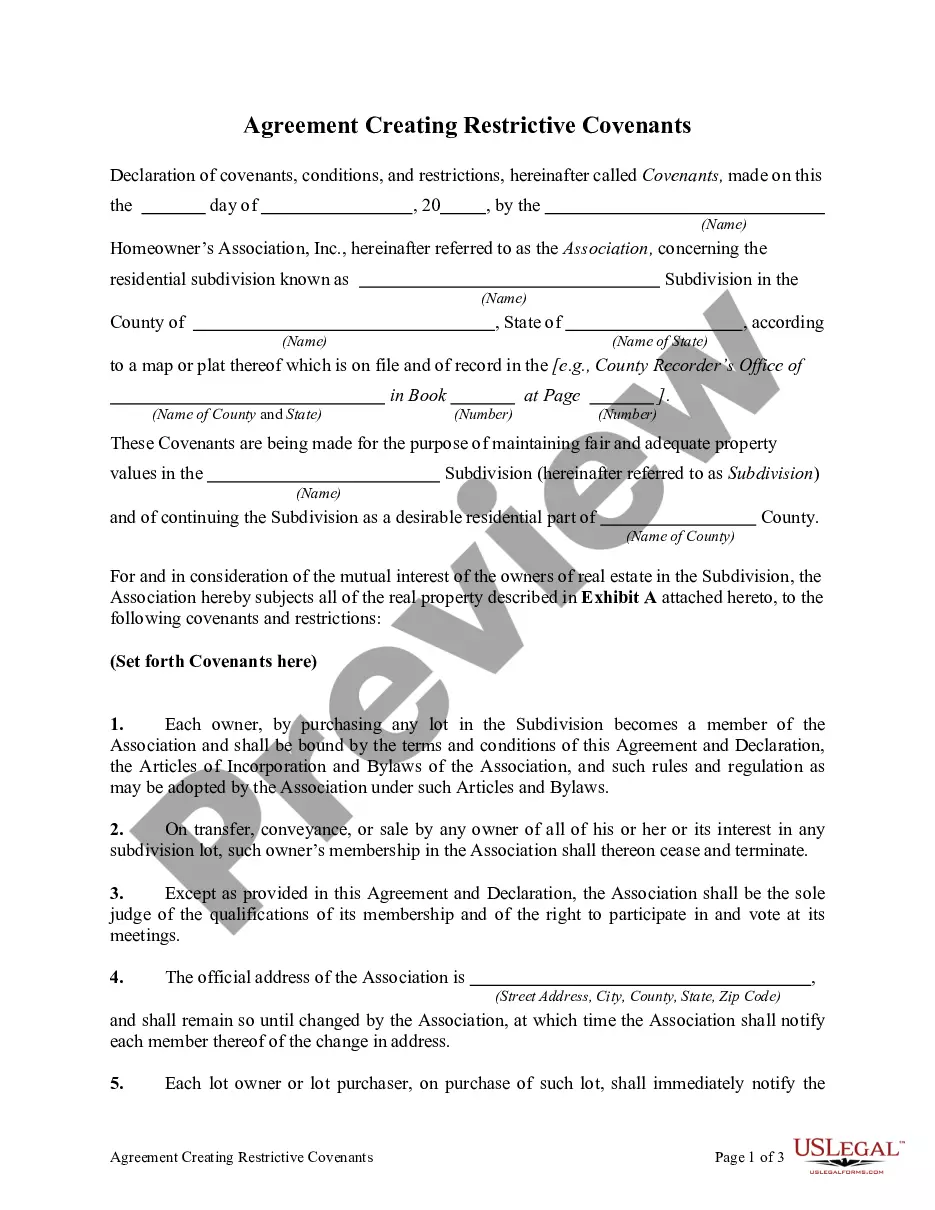
Restrictive covenants are usually enforced by the association's board. These agreements are also called Declarations of Covenants, Conditions, and Restrictions (CC&Rs).
Creating a list of parties Identify all participating parties. List each party in the covenant agreement. Include the full legal name, contact information and place of business of each party. Include any other relevant information such as a description of each party's role or other relevant information.