Patent Application With Priority Date In San Diego
Description



Get your form ready online
Our built-in tools help you complete, sign, share, and store your documents in one place.
Make edits, fill in missing information, and update formatting in US Legal Forms—just like you would in MS Word.
Download a copy, print it, send it by email, or mail it via USPS—whatever works best for your next step.
Sign and collect signatures with our SignNow integration. Send to multiple recipients, set reminders, and more. Go Premium to unlock E-Sign.
If this form requires notarization, complete it online through a secure video call—no need to meet a notary in person or wait for an appointment.
We protect your documents and personal data by following strict security and privacy standards.

Make edits, fill in missing information, and update formatting in US Legal Forms—just like you would in MS Word.

Download a copy, print it, send it by email, or mail it via USPS—whatever works best for your next step.

Sign and collect signatures with our SignNow integration. Send to multiple recipients, set reminders, and more. Go Premium to unlock E-Sign.

If this form requires notarization, complete it online through a secure video call—no need to meet a notary in person or wait for an appointment.

We protect your documents and personal data by following strict security and privacy standards.
Looking for another form?







Form popularity
FAQ
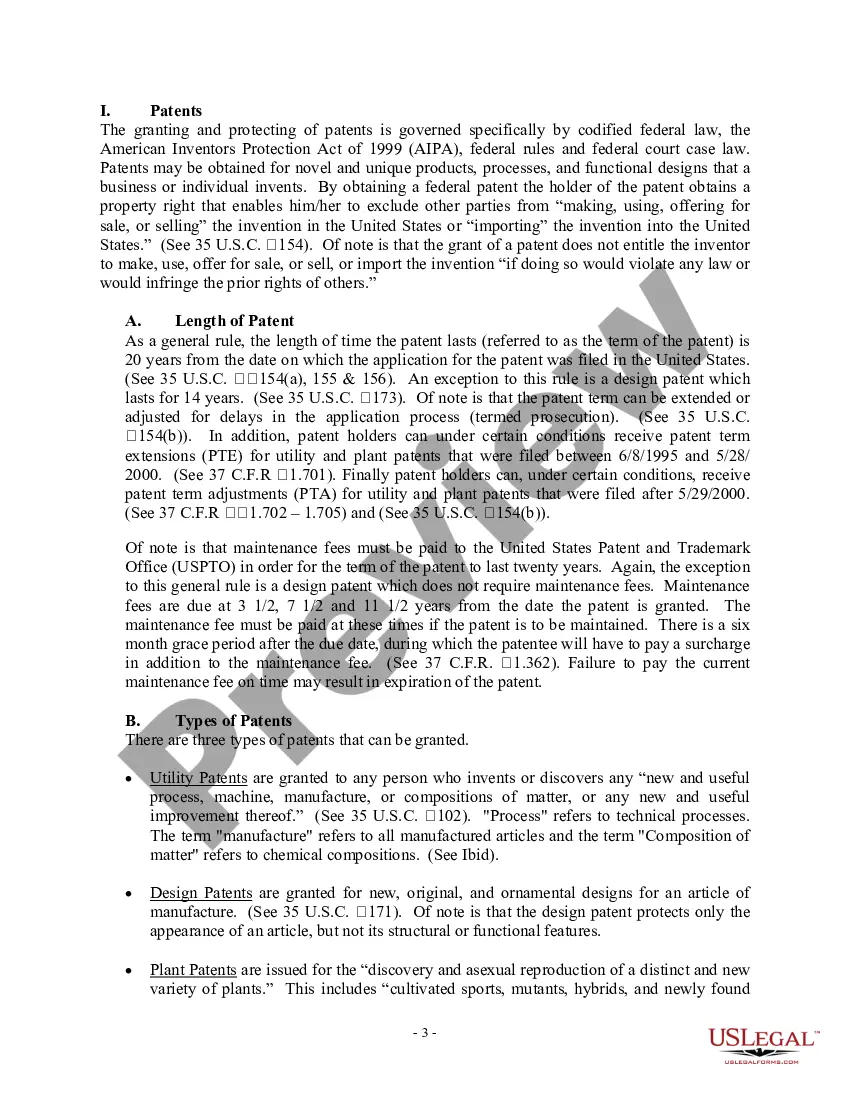
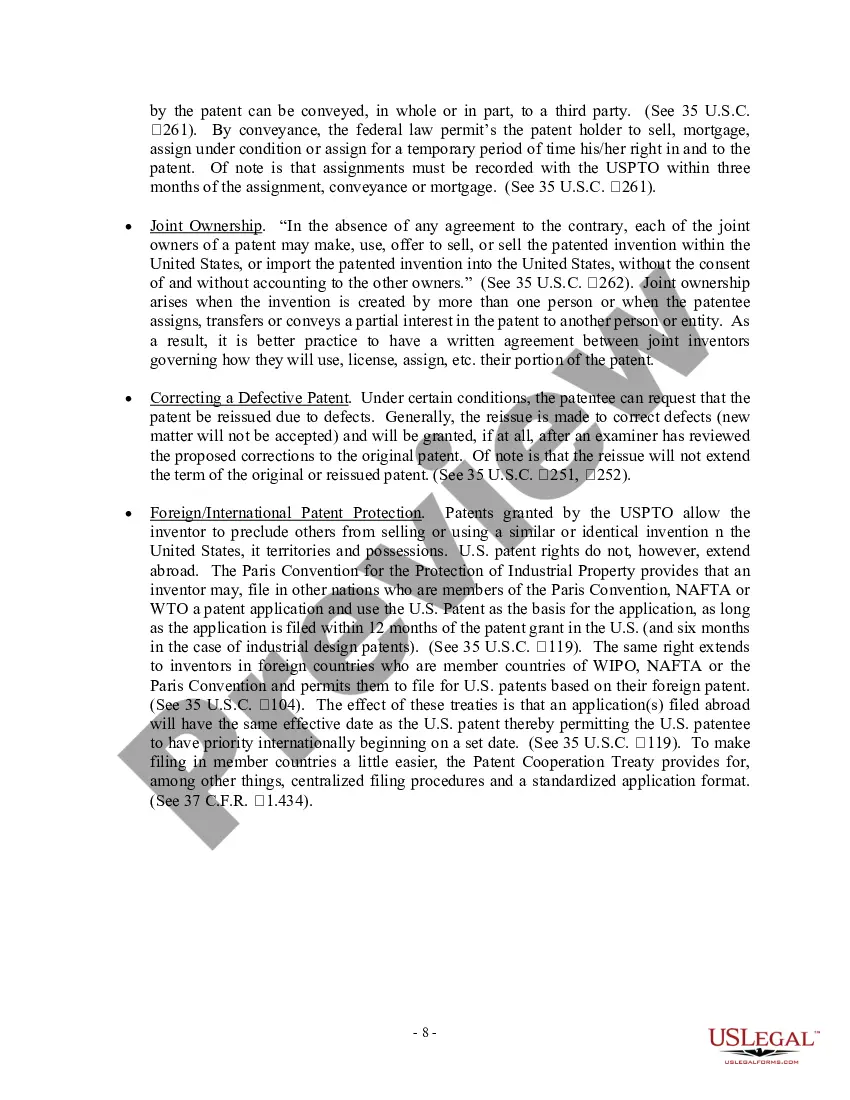
Where only a single patent application is involved, the priority date would obviously be the filing date of the sole application. If an applicant has filed a number of related patent applications, the priority date would be the filing date of the earliest patent filing that first disclosed the invention.
Essentially, a valid priority claim provides an earlier cut-off date for when a piece of prior art needs to have been disclosed to the public in order for it to be considered for assessing whether an invention is new and inventive.
The filing date is the date when a patent application is first filed at a patent office. The priority date, sometimes called the “effective filing date”, is the date used to establish the novelty and/or obviousness of a particular invention relative to other art.
What is a priority date and why does it is matter? A. Priority date refers to the earliest filing date in a family of patent applications. If the earliest-filed patent application for a particular invention was a provisional application, then the filing date of the provisional is your priority date.
