Proxy and Stock Option Agreement
About this form
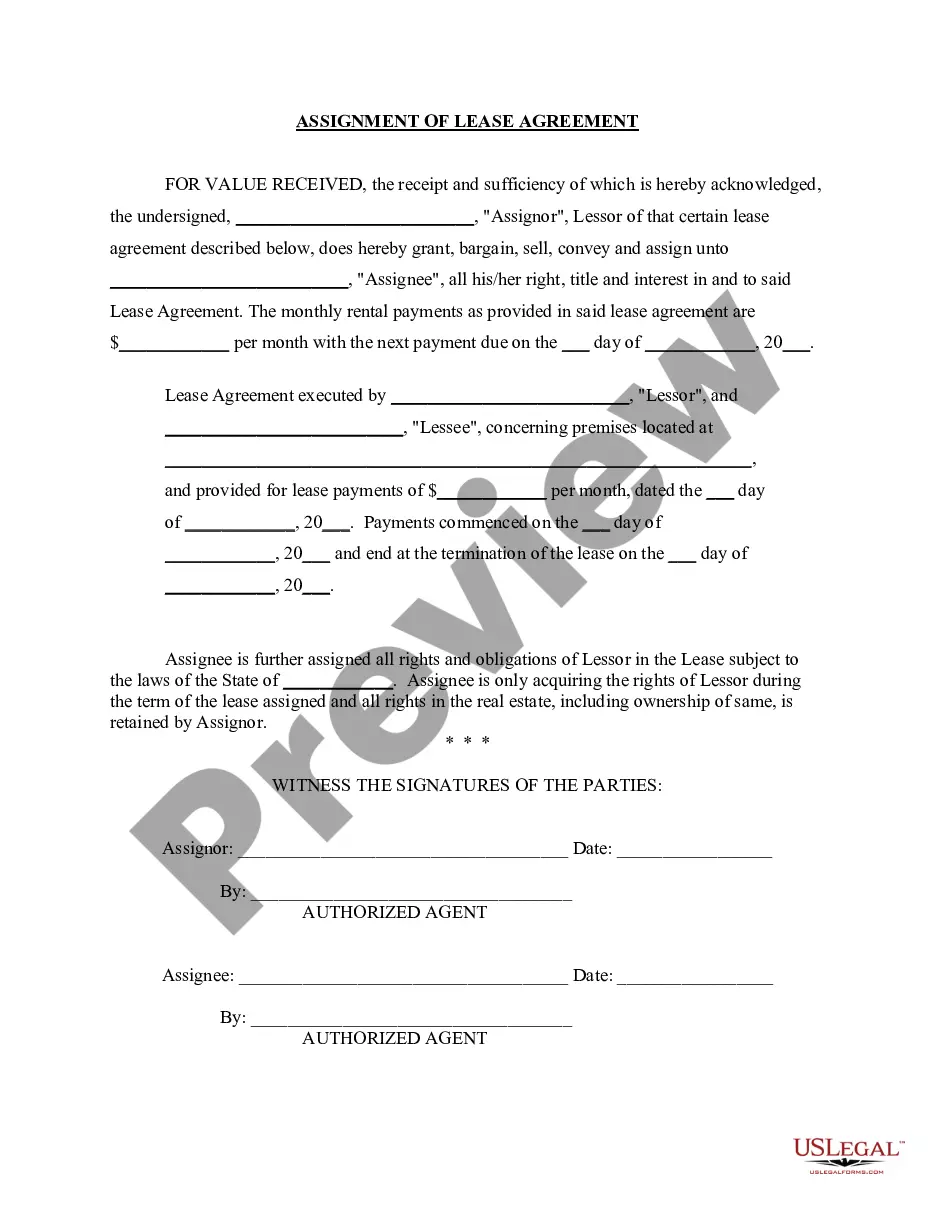
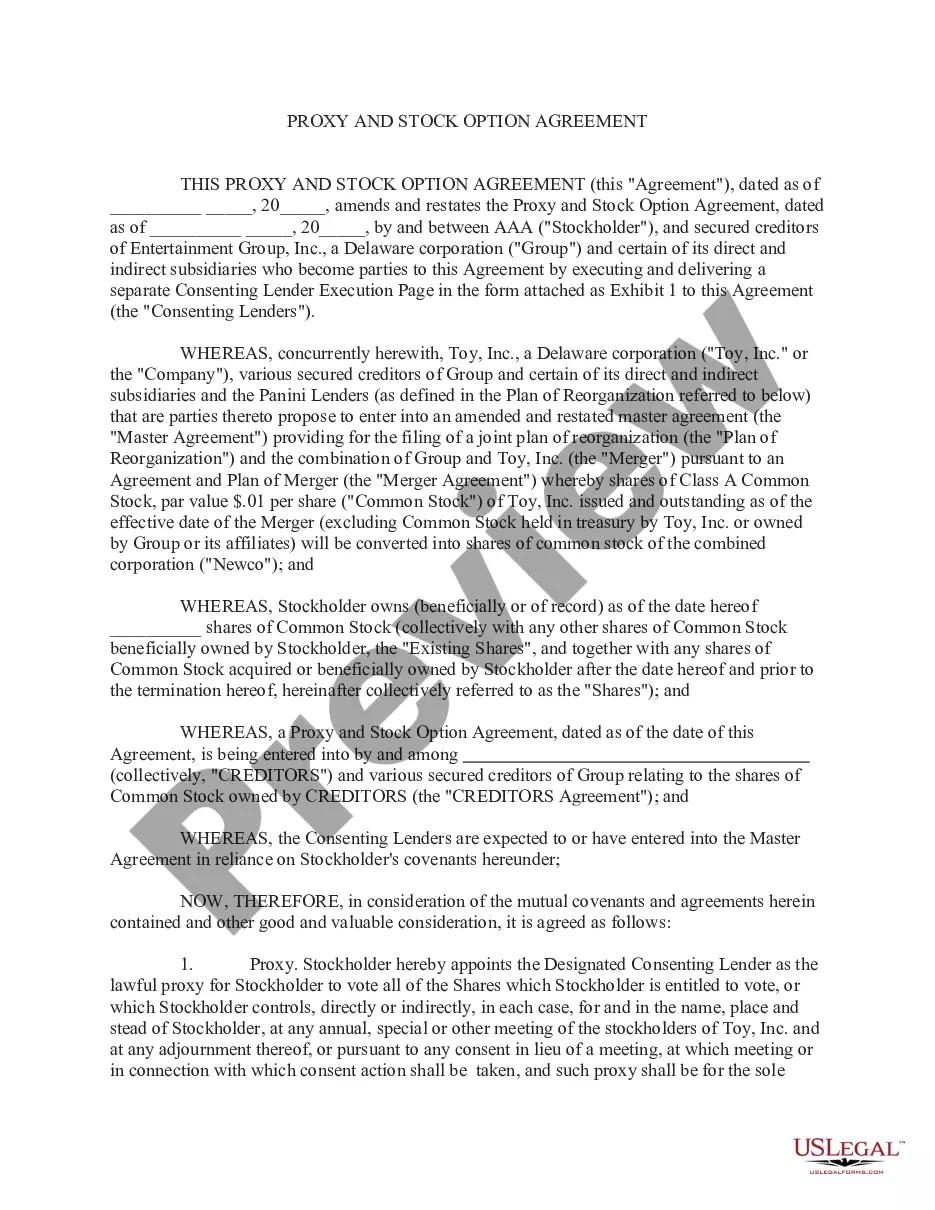
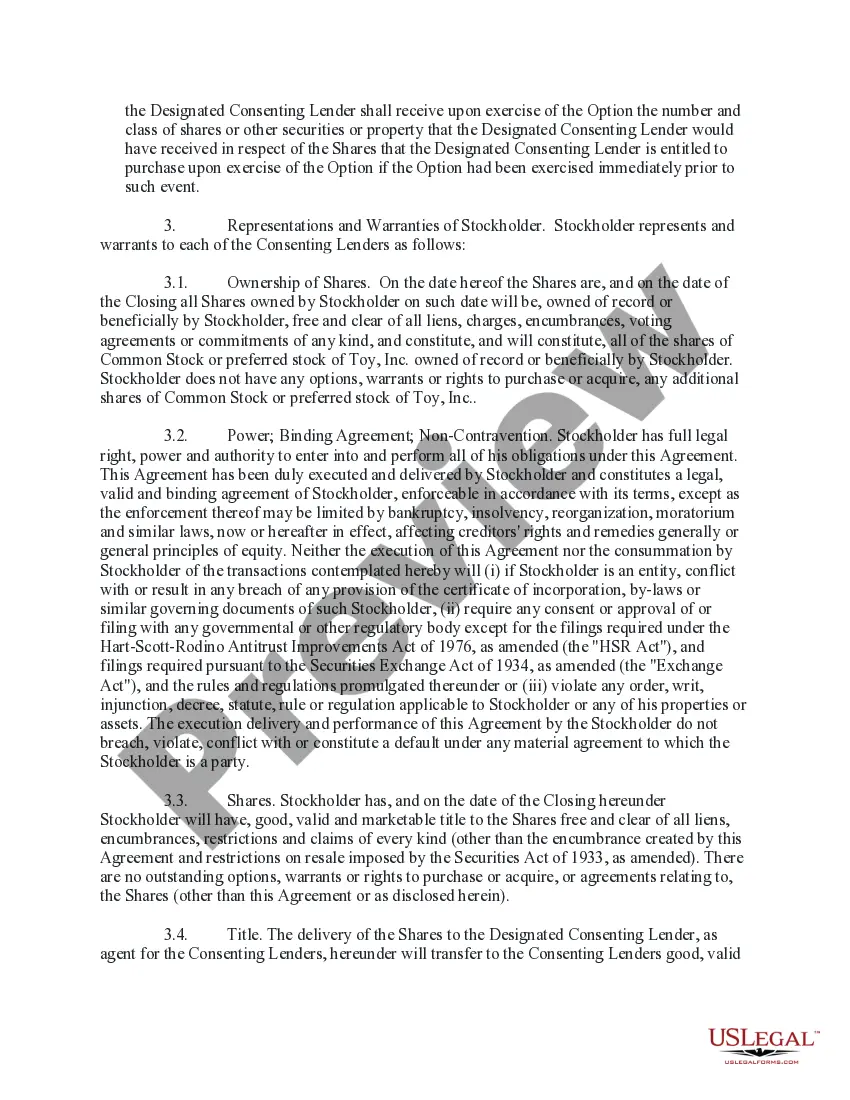
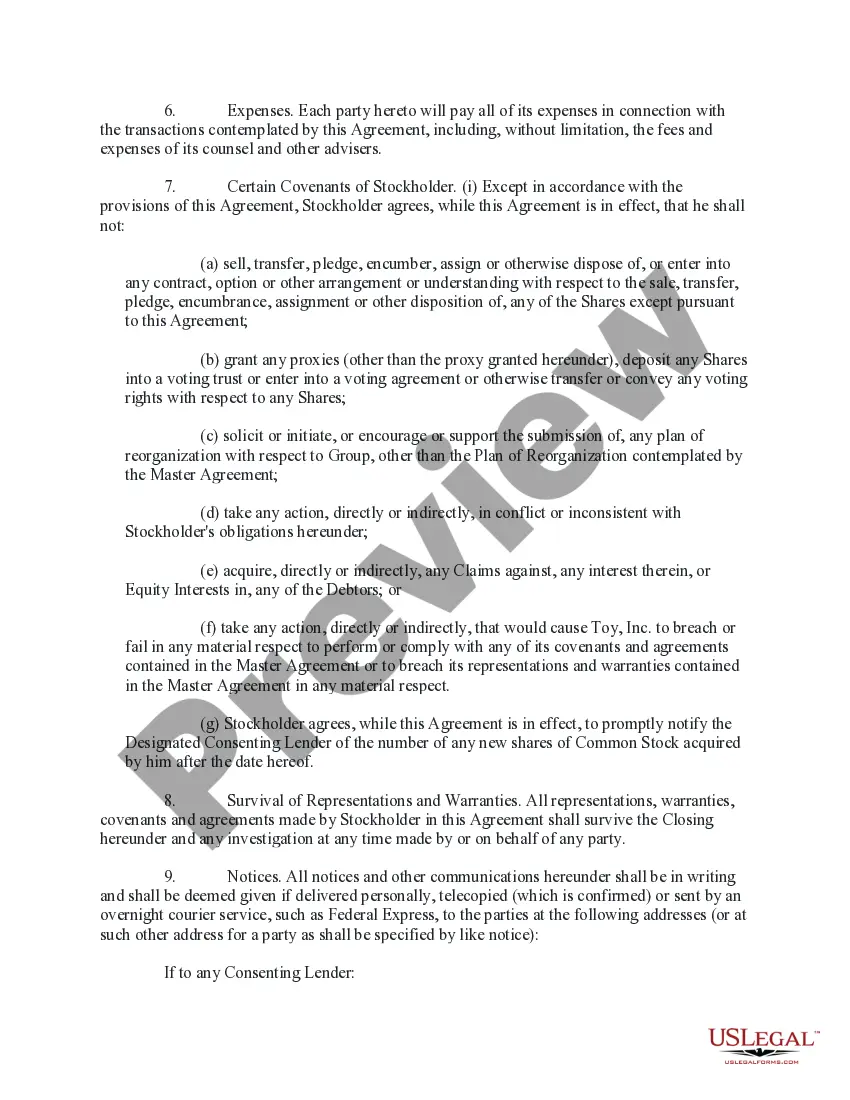
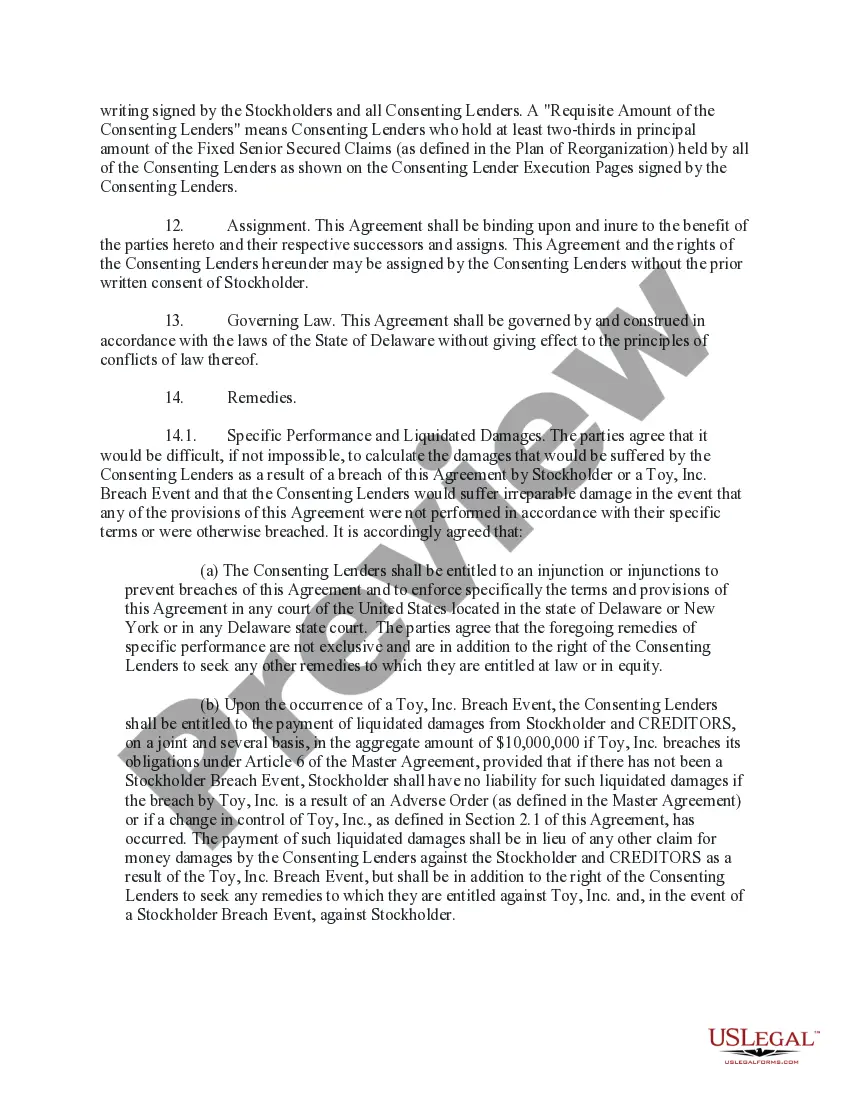
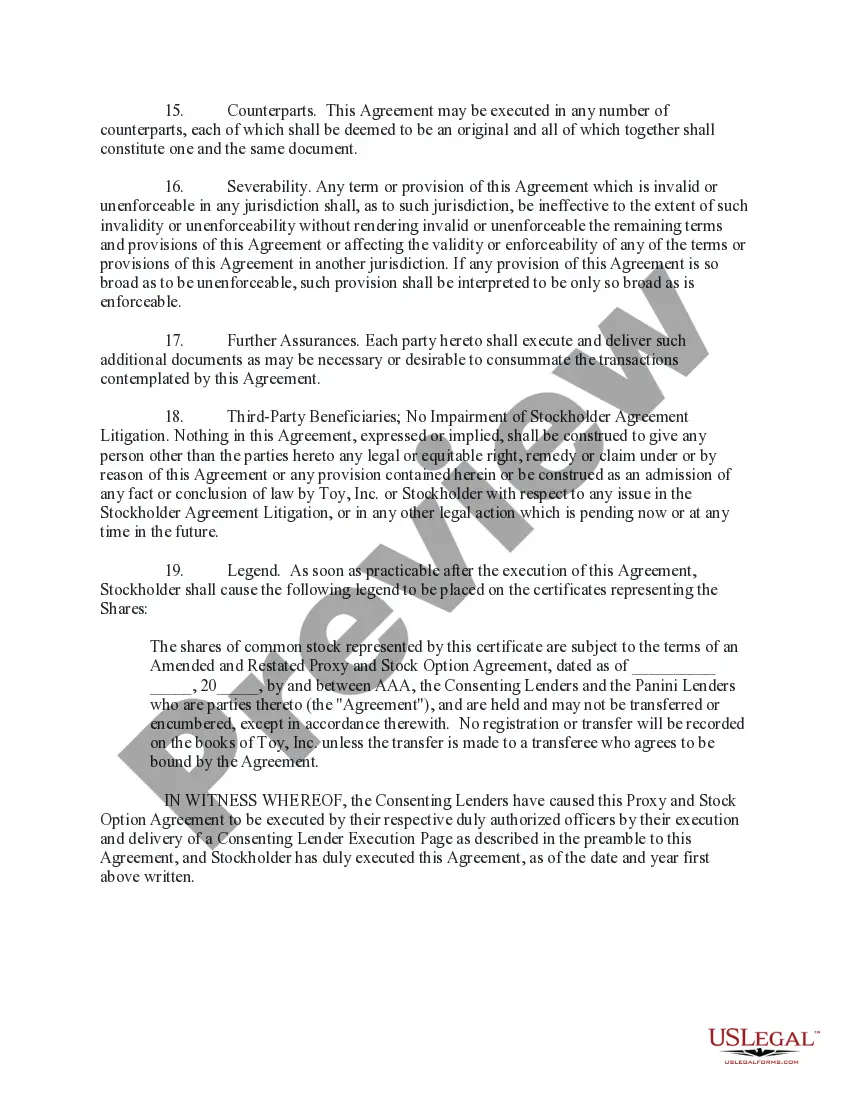
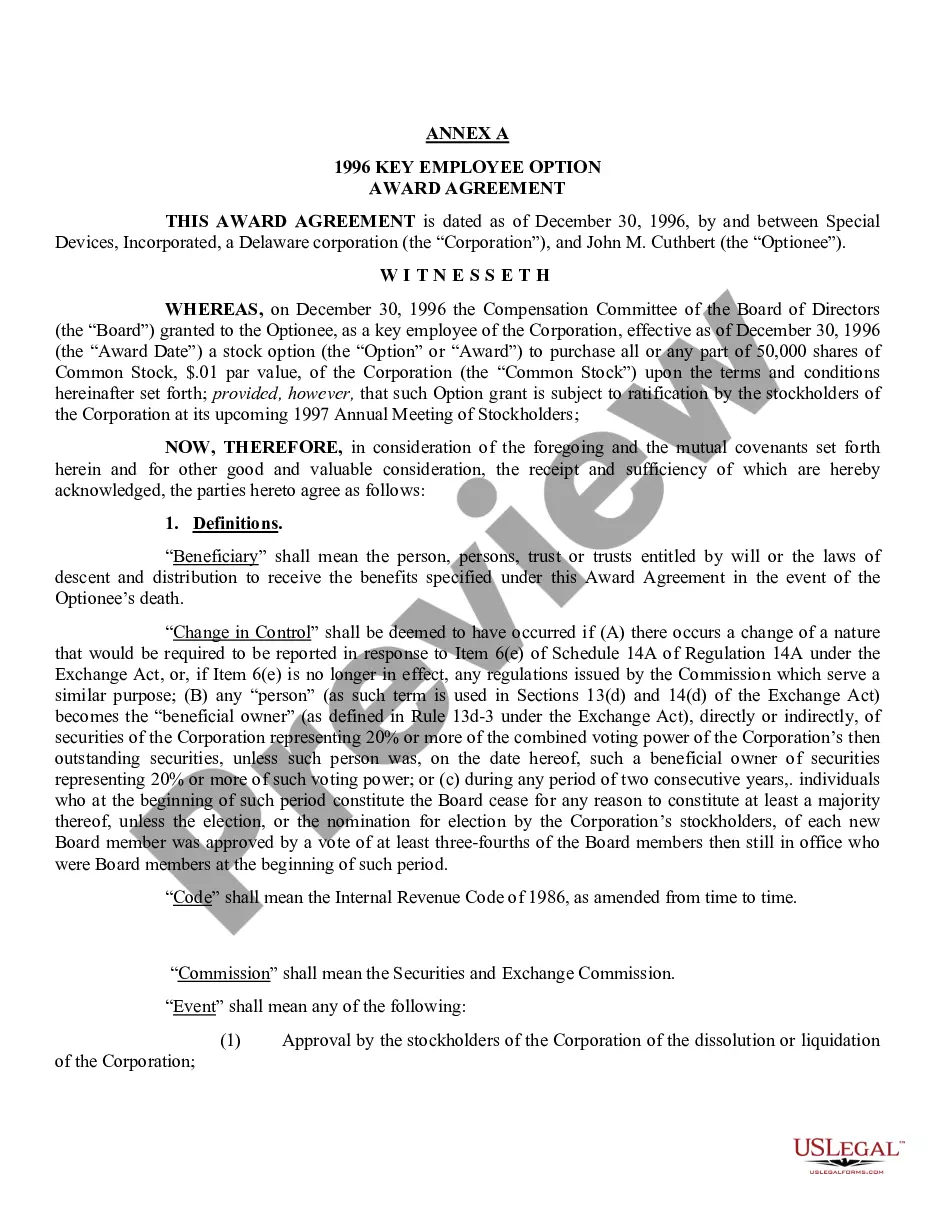
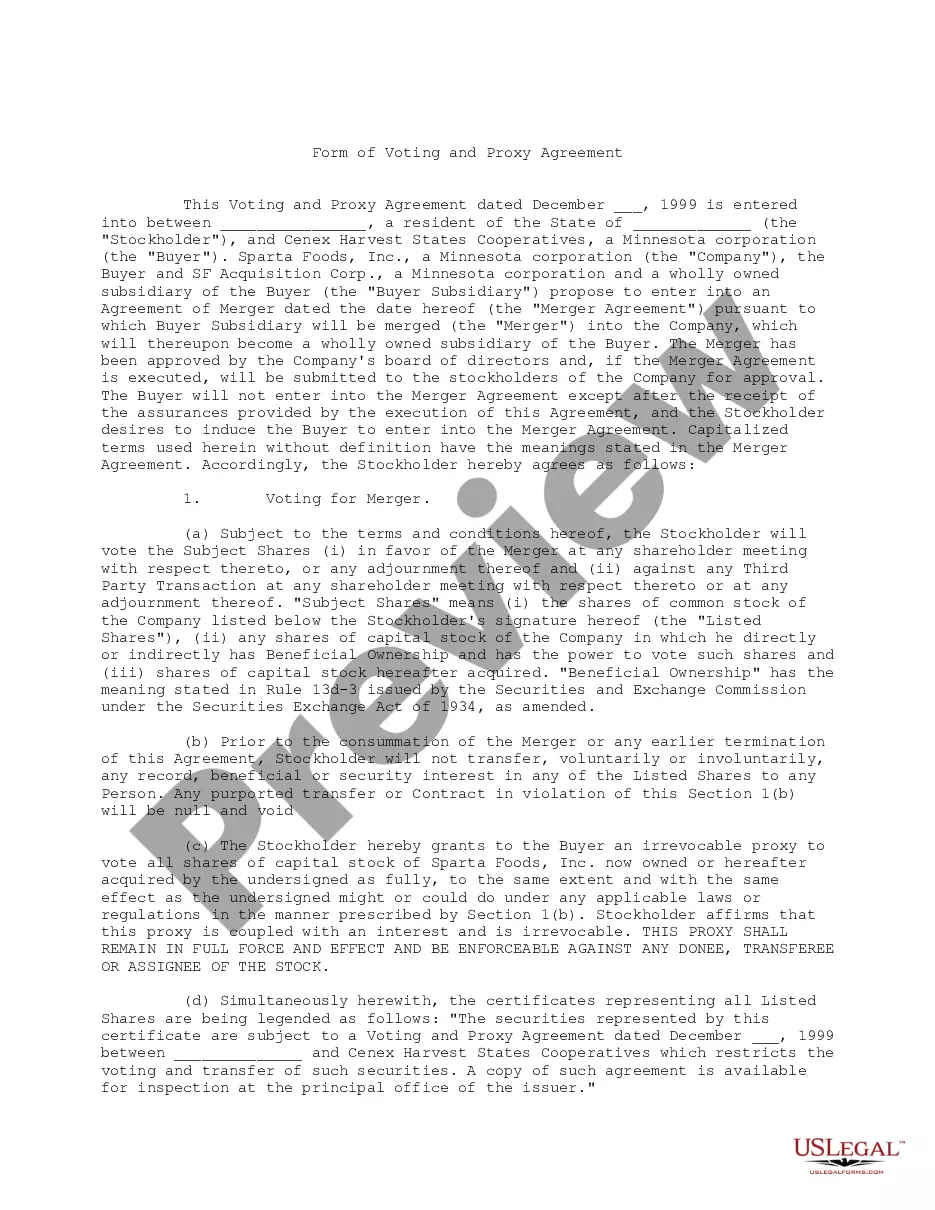
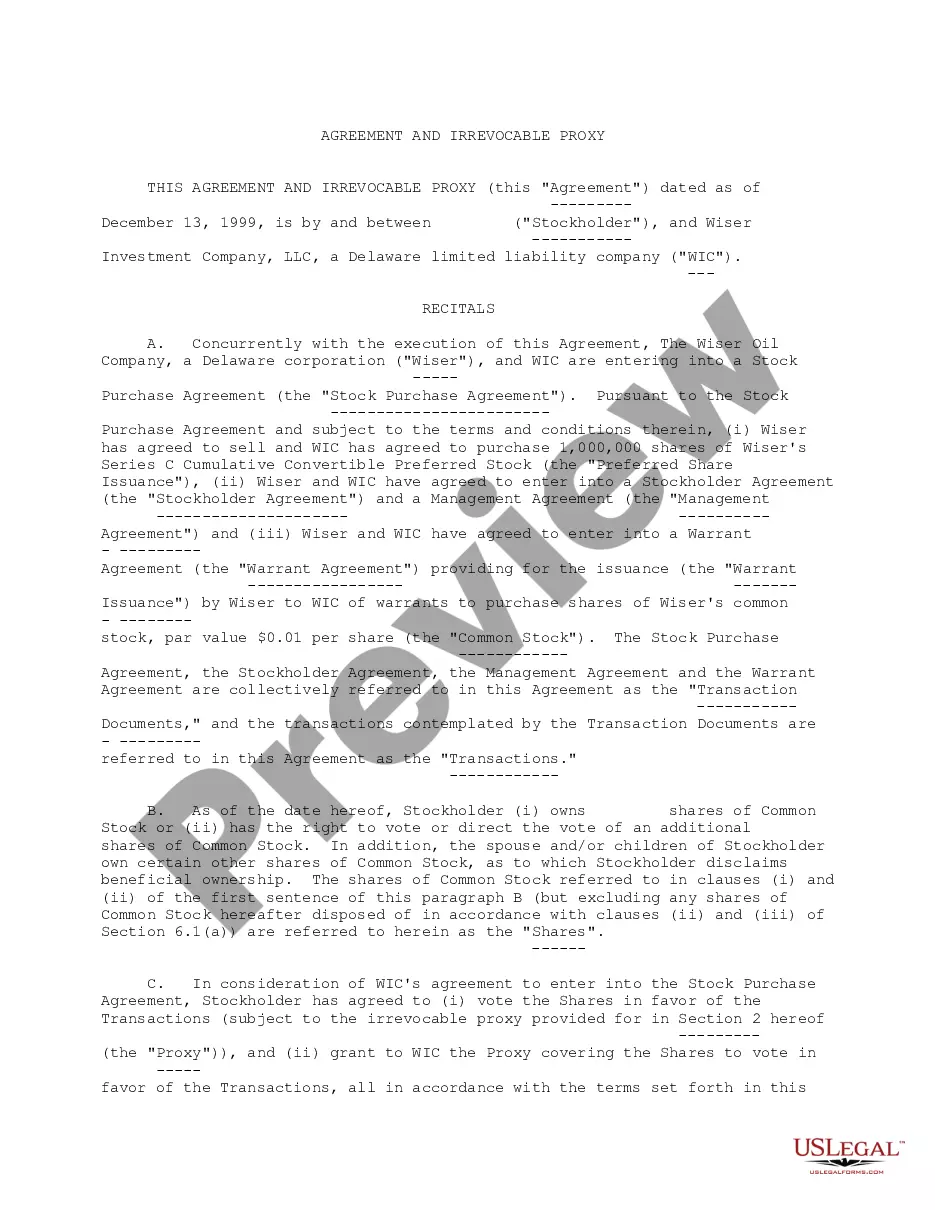
The Proxy and Stock Option Agreement is a legal document that facilitates the appointment of a proxy to vote on behalf of a stockholder regarding specific stock transactions. This form is particularly relevant in the context of corporate mergers and reorganizations, distinguishing it from general proxy forms by combining both proxy rights and options for stock transactions. It ensures that stockholdersâ rights are protected while enabling smoother transitions during corporate changes.
Form components explained
- Proxy appointment details allowing a designated lender to vote on behalf of the stockholder.
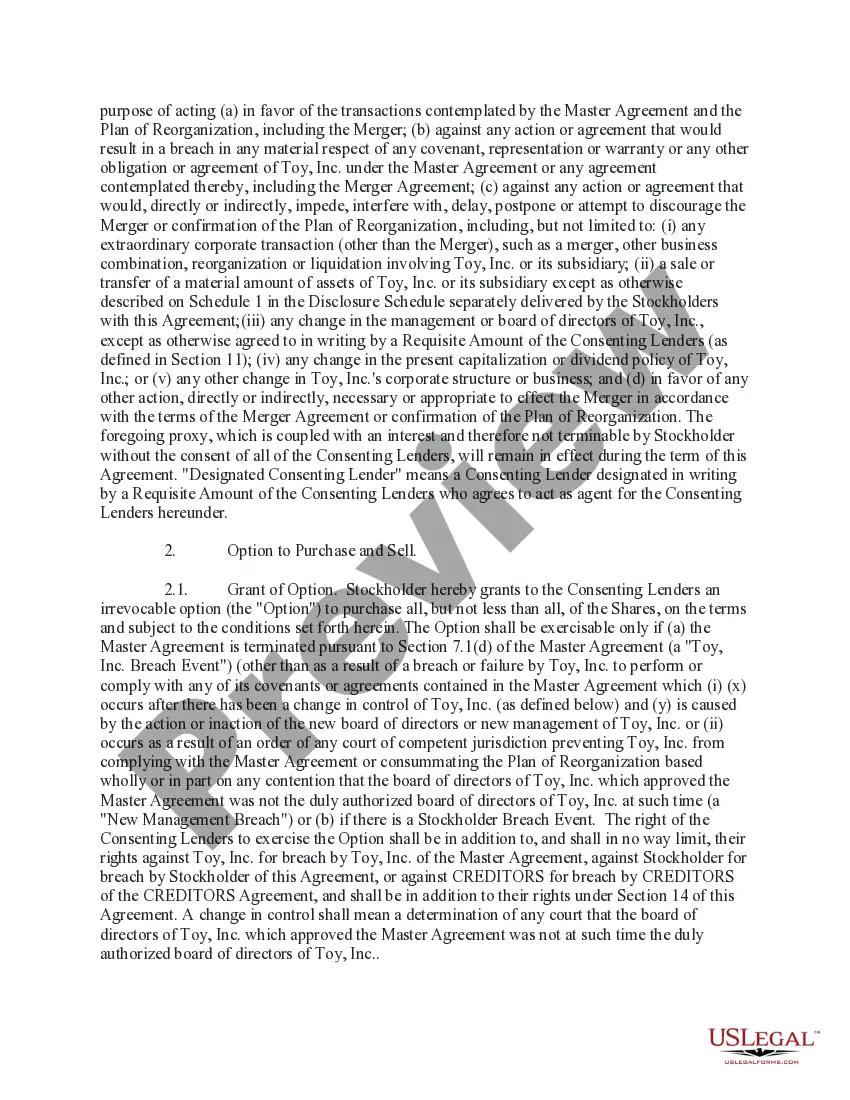
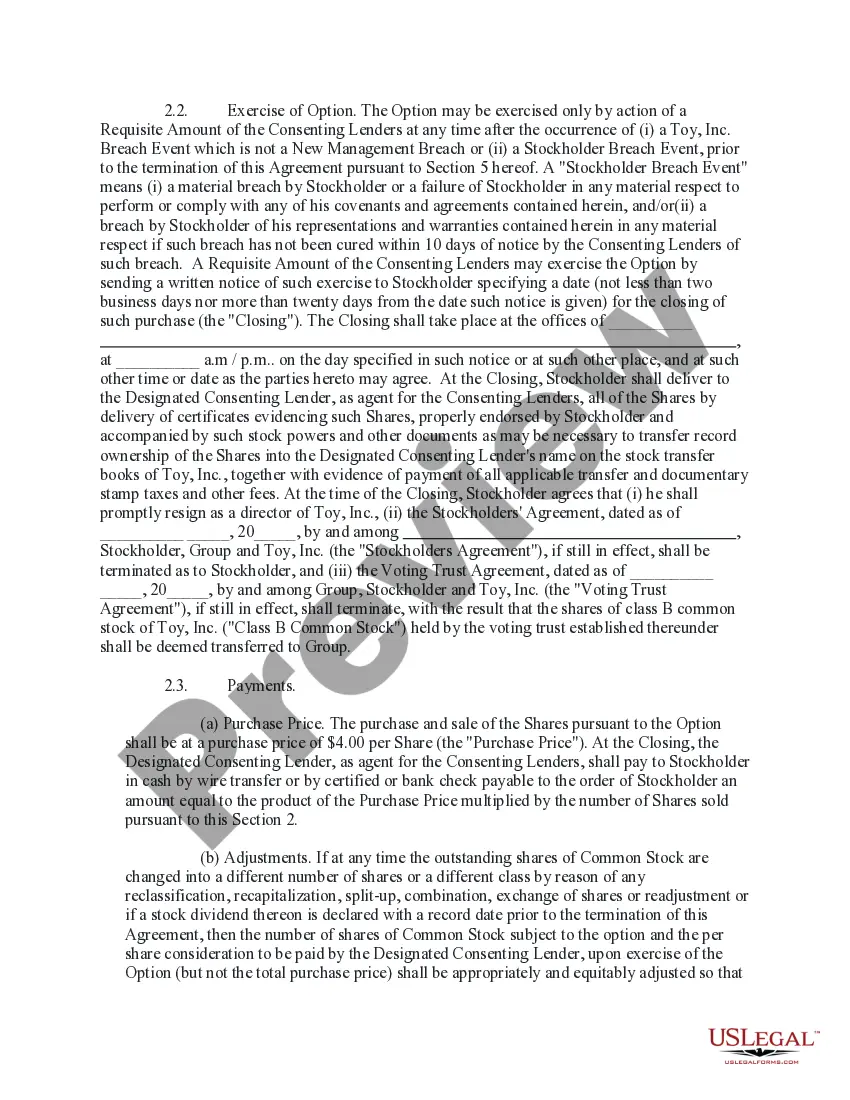
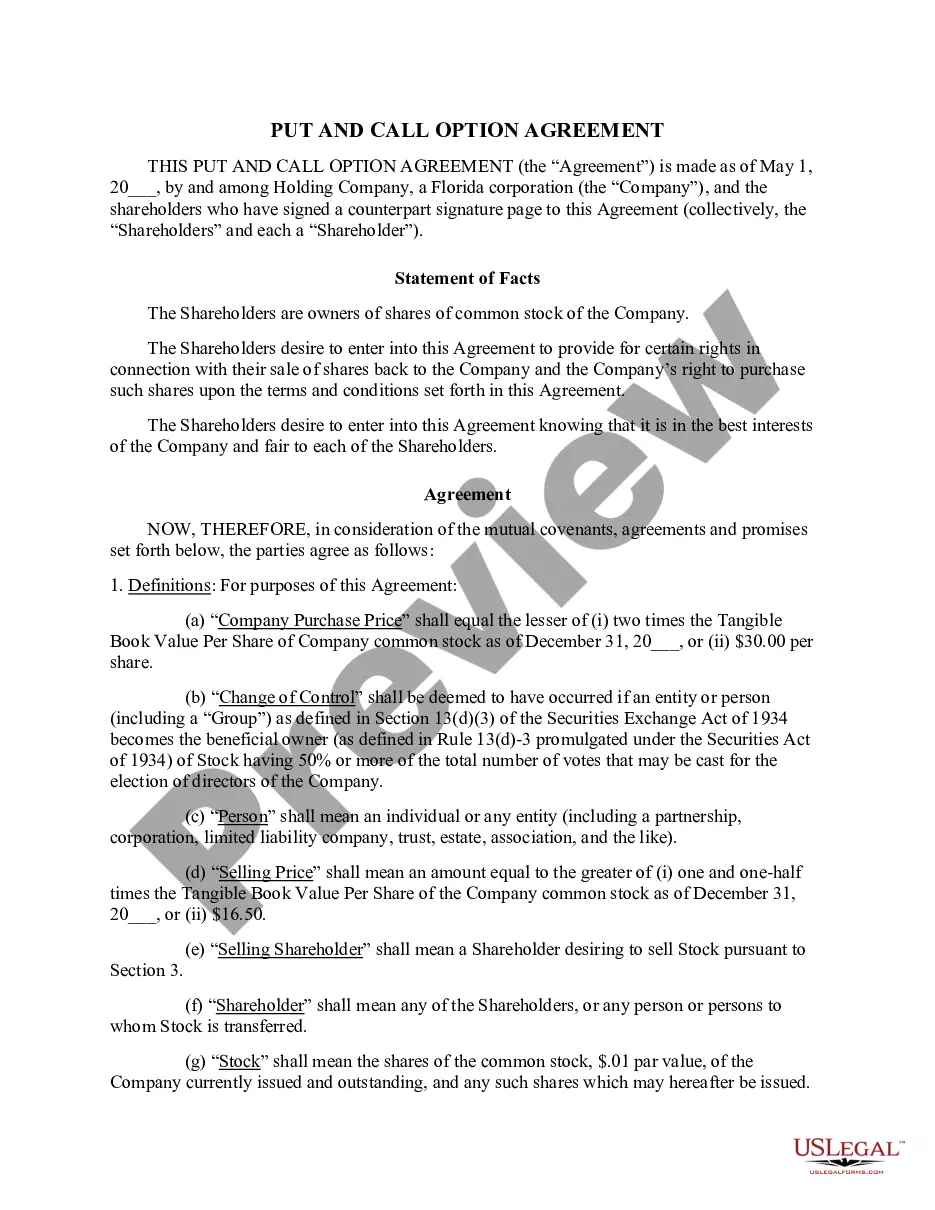
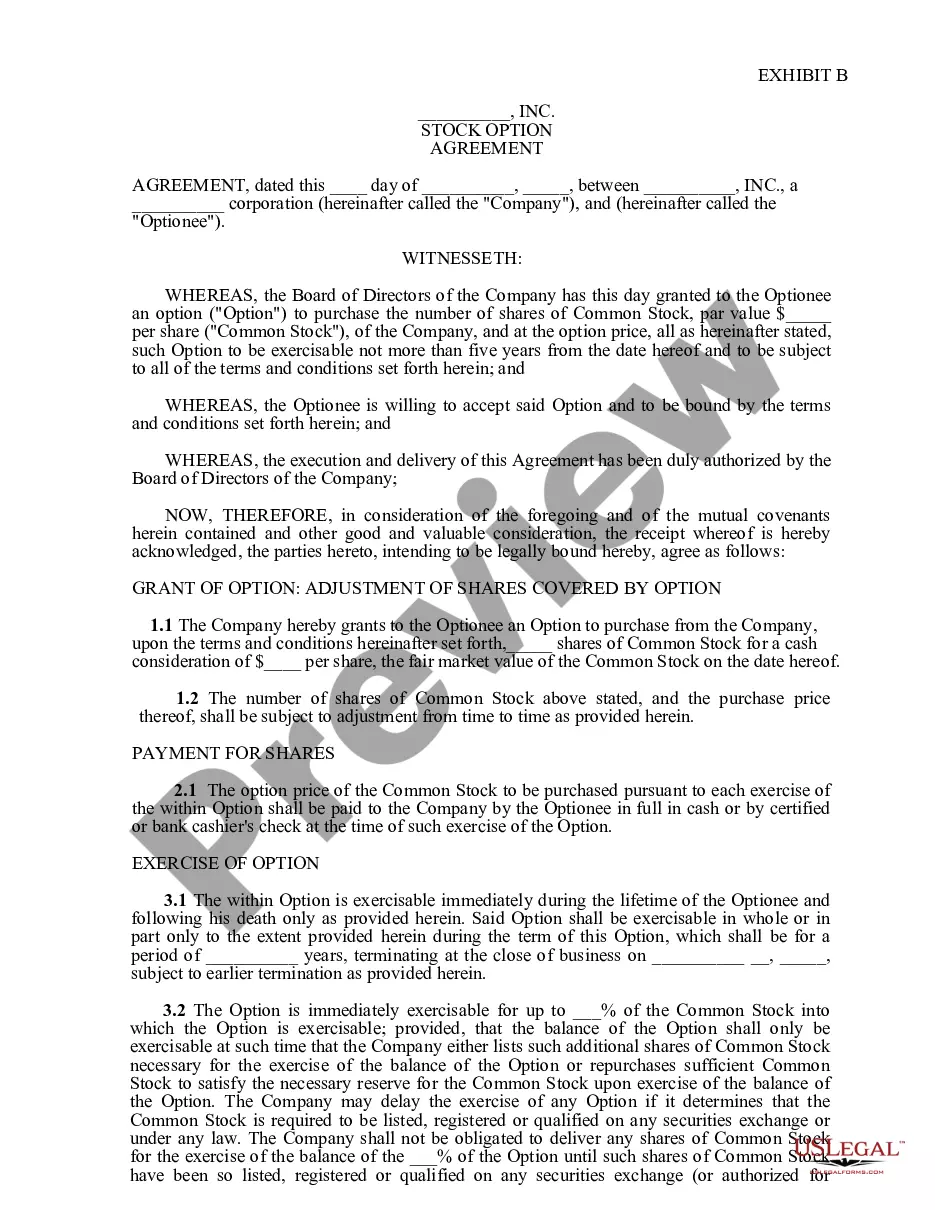
- Terms and conditions for the option to purchase stock held by the stockholder.
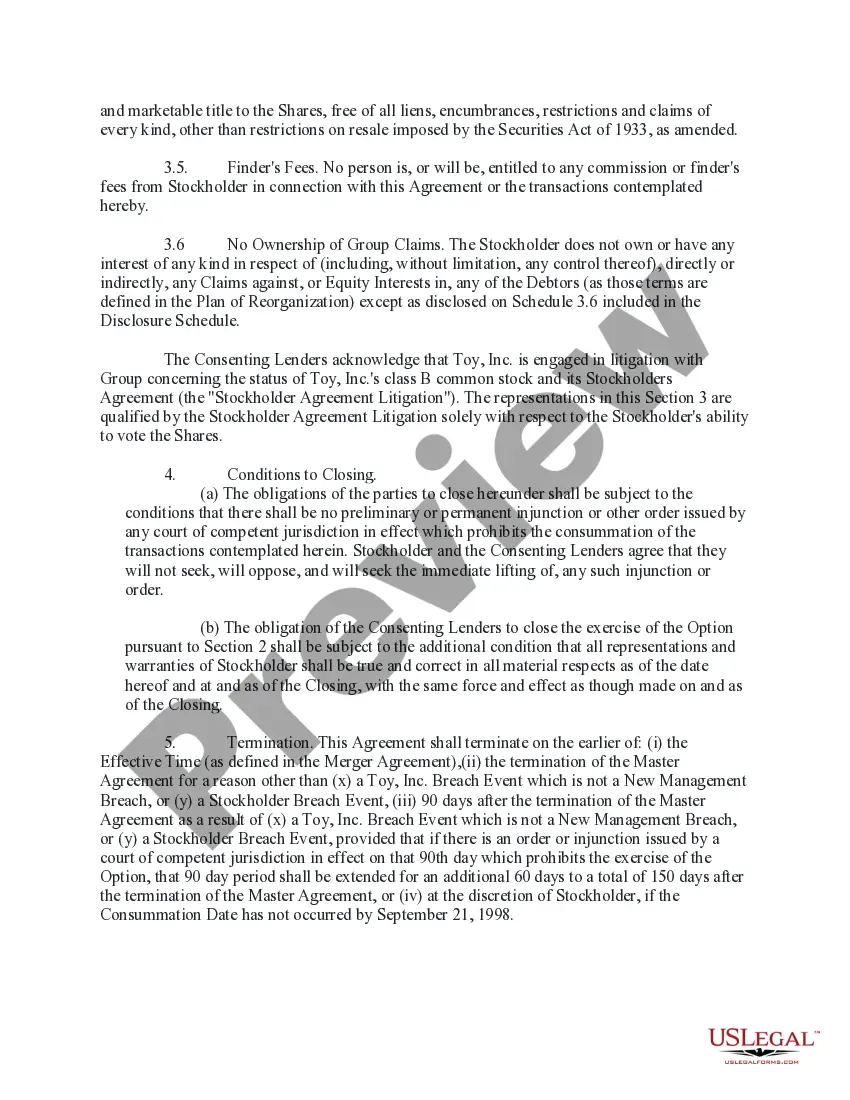
- Representations and warranties made by the stockholder regarding their ownership of the shares.
- Conditions for closing the transaction outlined to protect all parties involved.
- Termination clauses specifying under which circumstances the agreement can be dissolved.


Situations where this form applies
This form is used primarily during corporate transactions such as mergers or reorganizations where a stockholder needs to grant authority to a proxy. It is essential when stockholders want to ensure their voting rights are exercised in alignment with strategic corporate decisions, particularly in complex scenarios involving multiple stakeholders and creditors.
Who needs this form
- Stockholders of a corporation who hold shares and need to appoint a proxy for voting.
- Secured creditors involved in a corporate merger or restructuring process.
- Legal representatives or advisors of stockholders who need to document proxy arrangements and stock options.
How to prepare this document
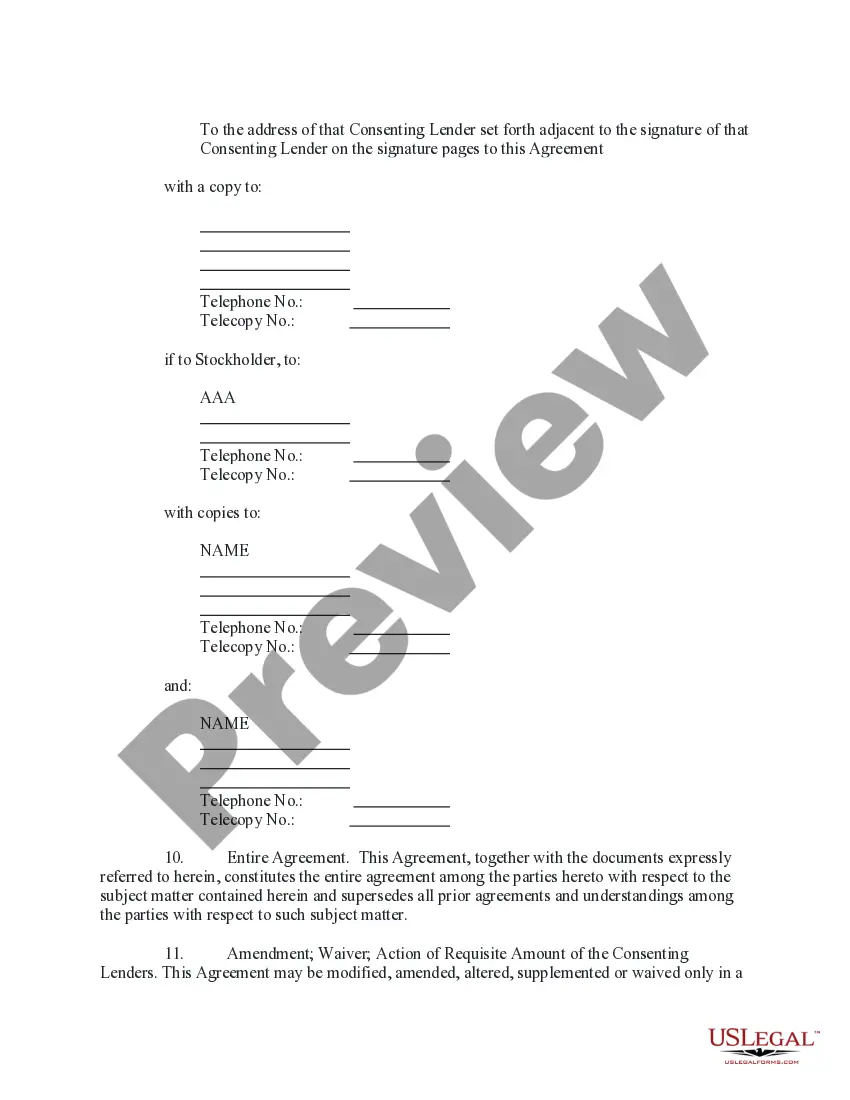
- Identify and enter the names of the stockholder and the designated proxy.
- Specify the number of shares owned by the stockholder.
- Detail the terms of the stock option, including purchase price and conditions for exercising the option.
- Ensure all parties sign the agreement to recognize their consent and participation.
- Retain copies of the signed agreement for record-keeping and compliance verification.
Does this form need to be notarized?
This form does not typically require notarization unless specified by local law. However, it is advisable to confirm whether notarization is necessary for your specific jurisdiction to ensure its validity.
Get your form ready online
Our built-in tools help you complete, sign, share, and store your documents in one place.
Make edits, fill in missing information, and update formatting in US Legal Forms—just like you would in MS Word.
Download a copy, print it, send it by email, or mail it via USPS—whatever works best for your next step.
Sign and collect signatures with our SignNow integration. Send to multiple recipients, set reminders, and more. Go Premium to unlock E-Sign.
If this form requires notarization, complete it online through a secure video call—no need to meet a notary in person or wait for an appointment.
We protect your documents and personal data by following strict security and privacy standards.

Make edits, fill in missing information, and update formatting in US Legal Forms—just like you would in MS Word.

Download a copy, print it, send it by email, or mail it via USPS—whatever works best for your next step.

Sign and collect signatures with our SignNow integration. Send to multiple recipients, set reminders, and more. Go Premium to unlock E-Sign.

If this form requires notarization, complete it online through a secure video call—no need to meet a notary in person or wait for an appointment.

We protect your documents and personal data by following strict security and privacy standards.
Common mistakes to avoid
- Failing to specify the correct number of shares in the agreement.
- Not clearly identifying the designated proxy, leading to disputes over authority.
- Forgetting to sign or date the agreement, rendering it invalid.
- Neglecting to disclose any material liens or encumbrances on the shares.
Why use this form online
- Convenience of accessing and completing the form from any location.
- Editability allows for customization to meet specific legal needs.
- Reliability of templates drafted by licensed attorneys, ensuring compliance with legal standards.
- Quick delivery of completed forms, expediting the business process.
Legal use & context
- The Proxy and Stock Option Agreement is enforceable under Delaware law, protecting the rights of all parties involved in a corporate transaction.
- It is vital to ensure the form is completed accurately and retained in accordance with corporate governance practices.
- Parties should consult legal professionals familiar with corporation law for specific applications and implications of this agreement.
Quick recap
- The Proxy and Stock Option Agreement serves a critical role in corporate governance during mergers and reorganizations.
- Clear identification of parties and terms is essential to maintain validity and enforceability.
- Understanding state-specific regulations is crucial to ensure compliance and proper execution.
Looking for another form?
Form popularity
FAQ
Holders of share purchase rights may or may not buy an agreed number of shares of stock at a pre-determined price, but only if they are an existing stockholder. Options, on the other hand, are the right to buy or sell stocks at a pre-set price called the strike price.
If you already own stock in a private or pre-IPO company Companies going public with a direct listing bypass the lockup period, meaning employees can sell their stock options right away if they choose. Companies going public via SPAC may have longer lockup periods. A lockup period can range from 90 to 180 days.
Until a company creates a public market for its stock, is acquired, or offers to buy the employees' options or stock, the options will not be the equivalent of cash benefits. And, if the company does not grow bigger, and its stock does not become more valuable, the options may ultimately prove worthless.
If you don't wait, and your company doesn't go public, your shares may become worth less than you paid ? or even worthless. Second, once your company has its initial public offering (IPO), you'll want to exercise your options only when the market price of the stock rises above your exercise price.
Stock options aren't actual shares of stock?they're the right to buy a set number of company shares at a fixed price, usually called a grant price, strike price, or exercise price. Because your purchase price stays the same, if the value of the stock goes up, you could make money on the difference.
By exercising your stock options when leaving, you'll have to pay upfront in the hopes that you'll be able to eventually sell your shares for more than the exercise price. If the startup ends up folding or its price per share drops below your exercise price, you could lose money.
At that time, trading in the options of the previous entities will cease and all options on that security that were out-of-the-money will become worthless. Generally, this is determined by the very last closing price on that stock.