Sample Letter Release Contract Without Cause In Oakland
Description

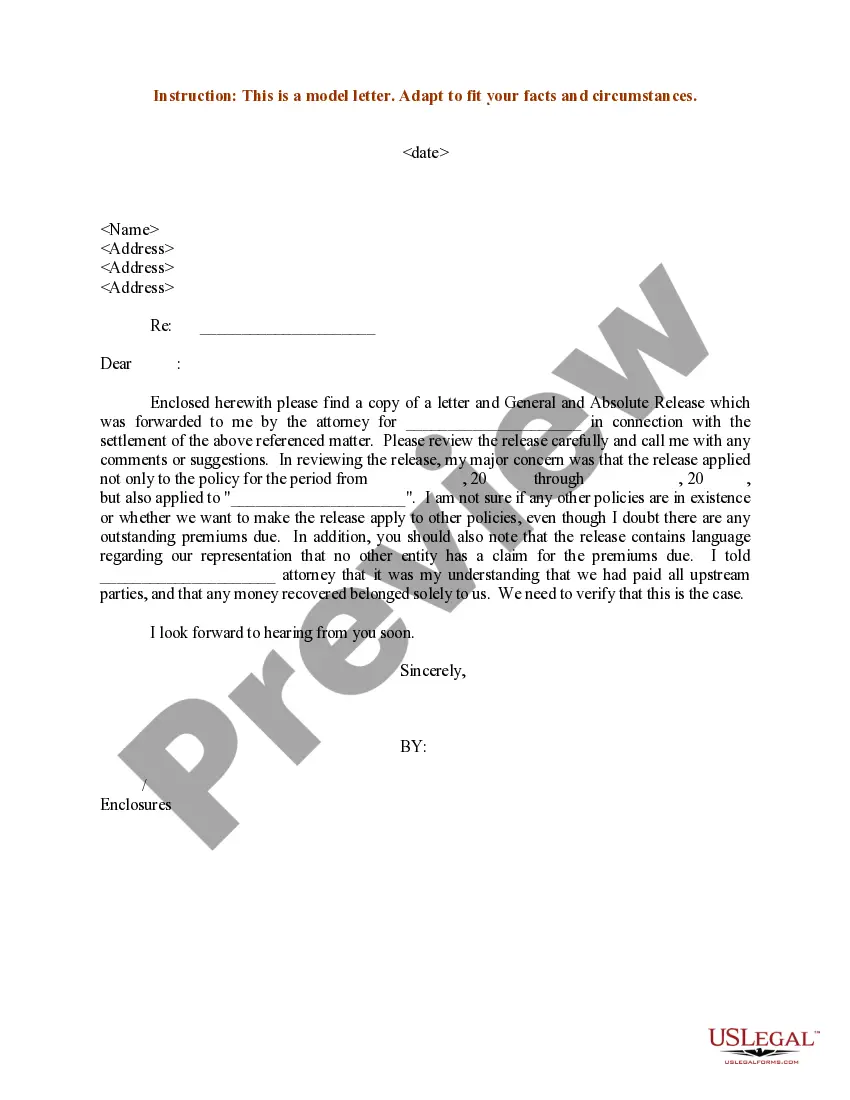
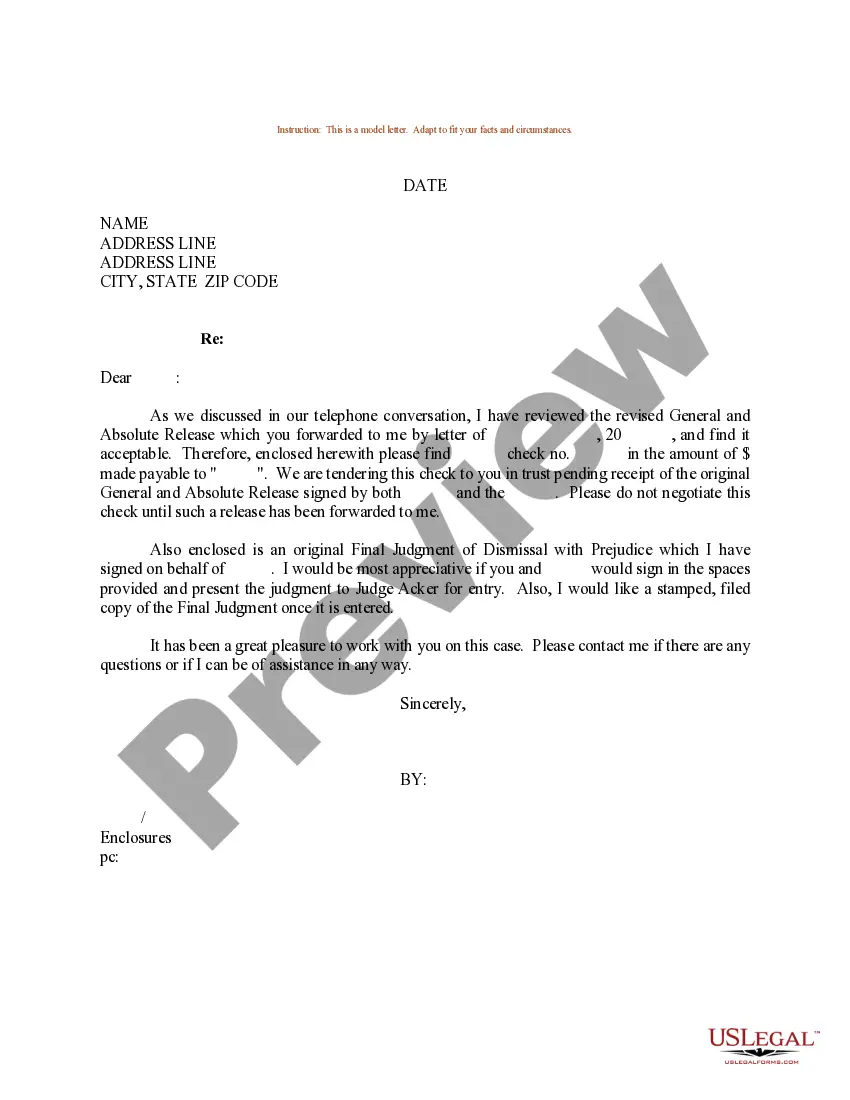
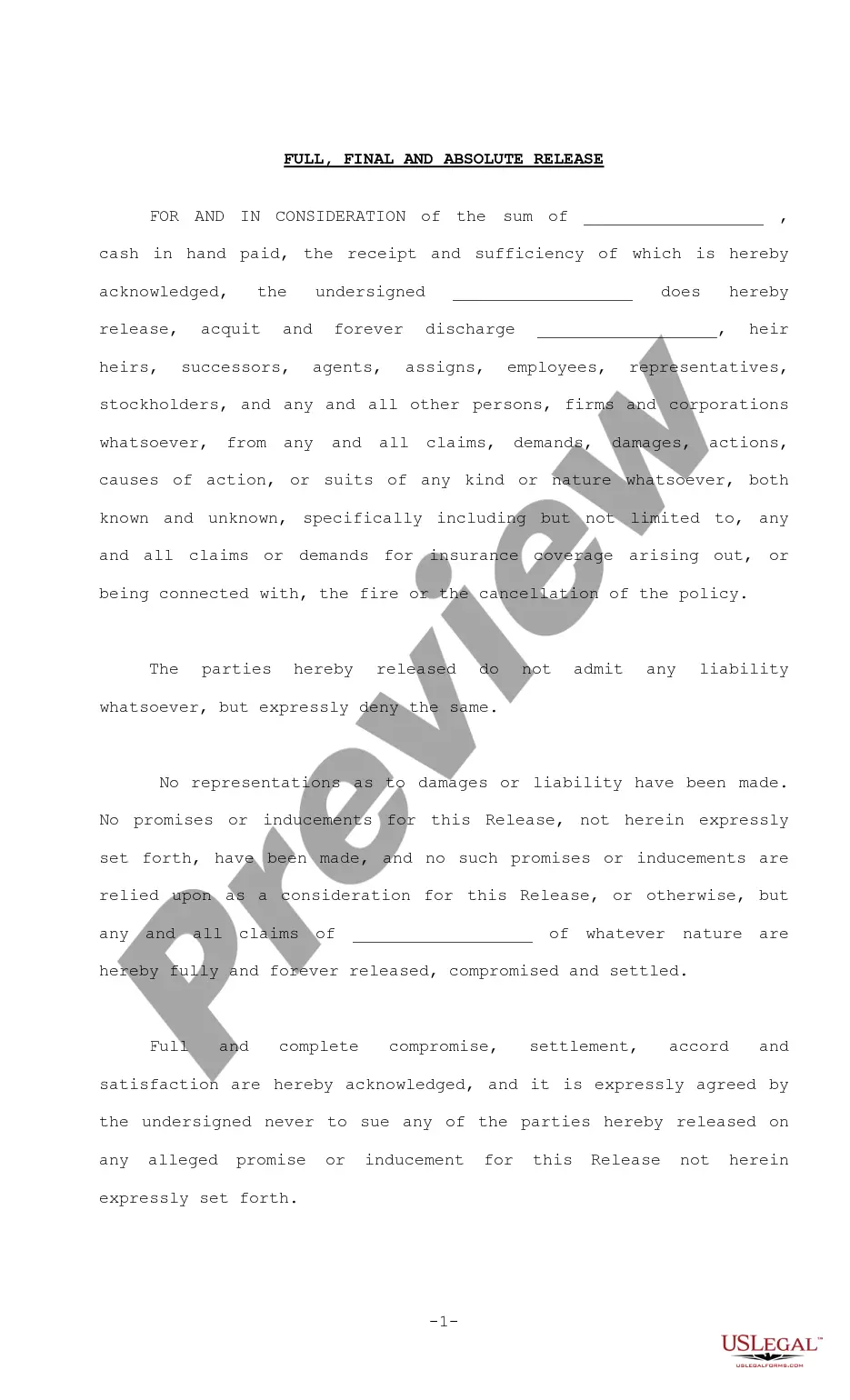
Get your form ready online
Our built-in tools help you complete, sign, share, and store your documents in one place.
Make edits, fill in missing information, and update formatting in US Legal Forms—just like you would in MS Word.
Download a copy, print it, send it by email, or mail it via USPS—whatever works best for your next step.
Sign and collect signatures with our SignNow integration. Send to multiple recipients, set reminders, and more. Go Premium to unlock E-Sign.
If this form requires notarization, complete it online through a secure video call—no need to meet a notary in person or wait for an appointment.
We protect your documents and personal data by following strict security and privacy standards.

Make edits, fill in missing information, and update formatting in US Legal Forms—just like you would in MS Word.

Download a copy, print it, send it by email, or mail it via USPS—whatever works best for your next step.

Sign and collect signatures with our SignNow integration. Send to multiple recipients, set reminders, and more. Go Premium to unlock E-Sign.

If this form requires notarization, complete it online through a secure video call—no need to meet a notary in person or wait for an appointment.

We protect your documents and personal data by following strict security and privacy standards.
Looking for another form?










Form popularity
FAQ
To start the eviction case, fill out 4 court forms: Summons - Unlawful Detainer-Eviction (form SUM-130) Complaint - Unlawful Detainer (form UD-100) Plaintiff's Mandatory Cover Sheet and Supplemental Allegations – Unlawful Detainer (form UD-101)
3-day Notice to Quit (Move out because of serious lease violation) A landlord gives their tenant a 3-day Notice to Quit (move out) if they think the tenant is responsible for serious problems at the rental home like: Causing or allowing a nuisance on the property (like a dangerous dog)
The tenant has to be served with the unlawful detainer notice within 10 days after the filing. The court will give you a hearing to contest the unlawful detainer and to ask for damages and/or an order to vacate.
The eviction process can take 30 - 45 days, or longer. The time starts from when you have eviction court forms delivered to your tenant to the time they must move out. Choose any box, below, to learn more about the eviction process and get step-by-step instructions.
The eviction process can take 30 - 45 days, or longer. The time starts from when you have eviction court forms delivered to your tenant to the time they must move out. Choose any box, below, to learn more about the eviction process and get step-by-step instructions.
The Ellis Act is a state law that allows landlords to evict residential tenants in order to go out of the rental business. This right is afforded to rental housing providers even though general public policy is to keep residents housed so long as their tenancy is in good standing.
If you don't do what your landlord asks, they can start an eviction case to ask the judge to order you to move out. After the landlord gives you the Notice it can take 30-45 days, or longer, for the eviction case to end. If you lose the case, the judge can order you to move out of your home.

