Sample Letter Release Contract For Employment In King
Description

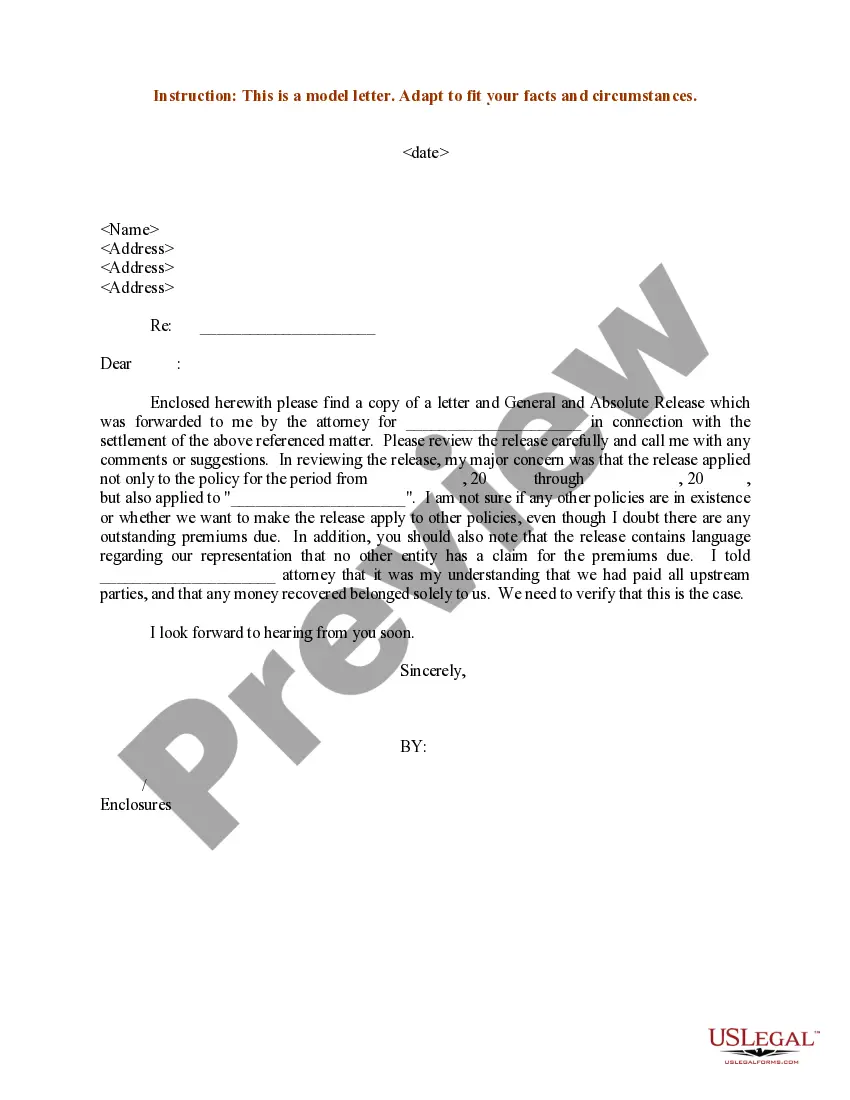
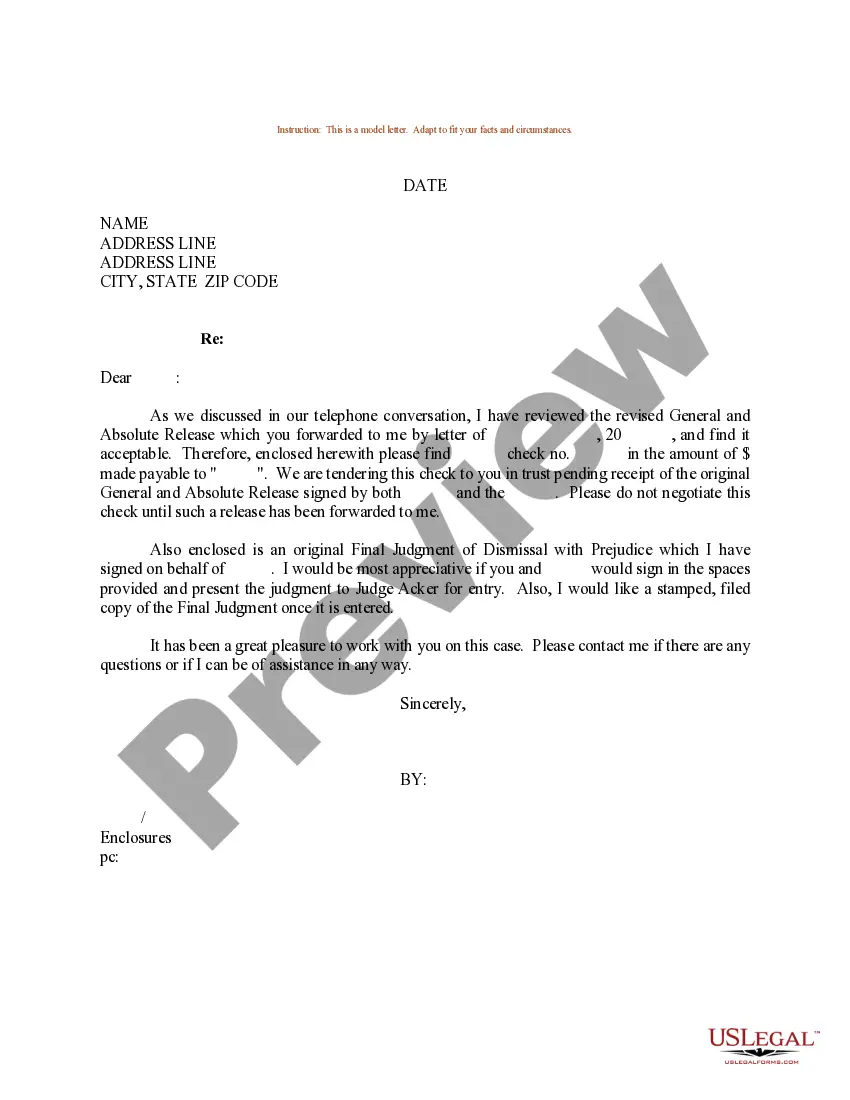
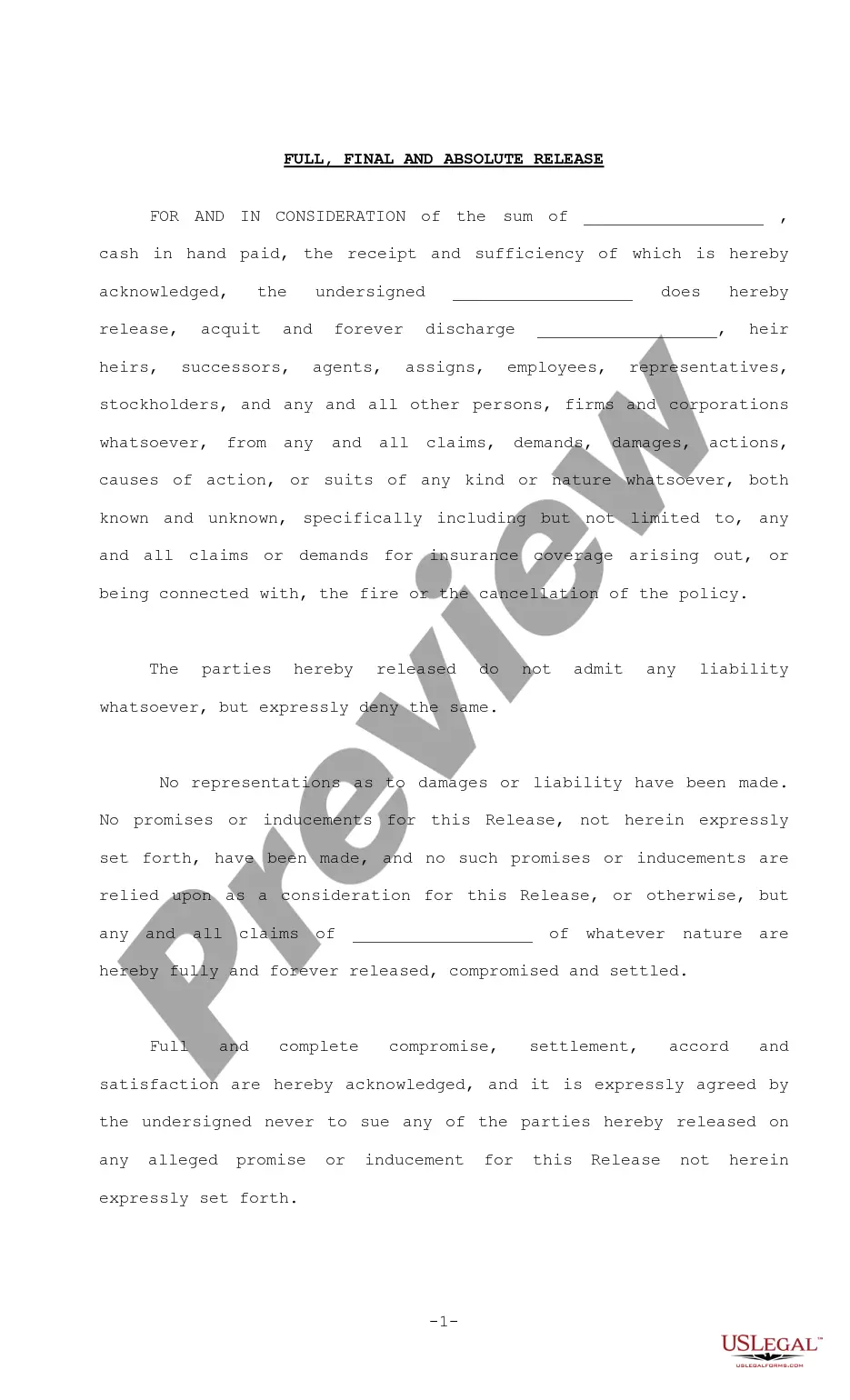
Get your form ready online
Our built-in tools help you complete, sign, share, and store your documents in one place.
Make edits, fill in missing information, and update formatting in US Legal Forms—just like you would in MS Word.
Download a copy, print it, send it by email, or mail it via USPS—whatever works best for your next step.
Sign and collect signatures with our SignNow integration. Send to multiple recipients, set reminders, and more. Go Premium to unlock E-Sign.
If this form requires notarization, complete it online through a secure video call—no need to meet a notary in person or wait for an appointment.
We protect your documents and personal data by following strict security and privacy standards.

Make edits, fill in missing information, and update formatting in US Legal Forms—just like you would in MS Word.

Download a copy, print it, send it by email, or mail it via USPS—whatever works best for your next step.

Sign and collect signatures with our SignNow integration. Send to multiple recipients, set reminders, and more. Go Premium to unlock E-Sign.

If this form requires notarization, complete it online through a secure video call—no need to meet a notary in person or wait for an appointment.

We protect your documents and personal data by following strict security and privacy standards.
Looking for another form?






Form popularity
FAQ
Understanding termination letters The date of termination. The reason for the termination (while not always required, many include it) Any severance benefits or other compensation the employee is entitled to. Instructions for the return of company property. Details regarding the final paycheck and accrued vacation time.
How to write an employment contract Title the employment contract. Identify the parties. List the term and conditions. Outline the job responsibilities. Include compensation details. Use specific contract terms. Consult with an employment lawyer.
A release is a legal document that records an employee's agreement to relinquish their right to make any future claims against their employer relating to their employment or the termination of their employment. A release is essentially a contract between the terminated employee and the employer.
Basics of Severance Agreements in California It outlines the terms and conditions under which you will leave your position, the compensation and benefits you are entitled to upon your termination, and your post-employment obligations to your former employer.
Anyone can draft their own separation agreement and as long as it includes certain information, is signed by both spouses and witnessed it is legally binding.
Dear Spouse's Name, I am writing to you to confirm that we have both agreed to separate from each other. Our separation will commence on date, and we will both live separately and apart from each other from that date forward.
The Company and the Employee agree that the Employee shall not be required to perform work for the Company as from INSERT month + date + year until the Termination Date and that, during that period, the Employee will provide the Company with the reasonable information and assistance necessary to allow a smooth ...
Employees are typically asked to sign a release agreement by their employer when they are terminated. While it depends on the specific language of the agreement, releases generally involve an employee giving up their rights to most employment or human rights claims after their employment ends.
Termination letters usually include details such as: The date of termination. The reason for the termination (while not always required, many include it) Any severance benefits or other compensation the employee is entitled to. Instructions for the return of company property.

