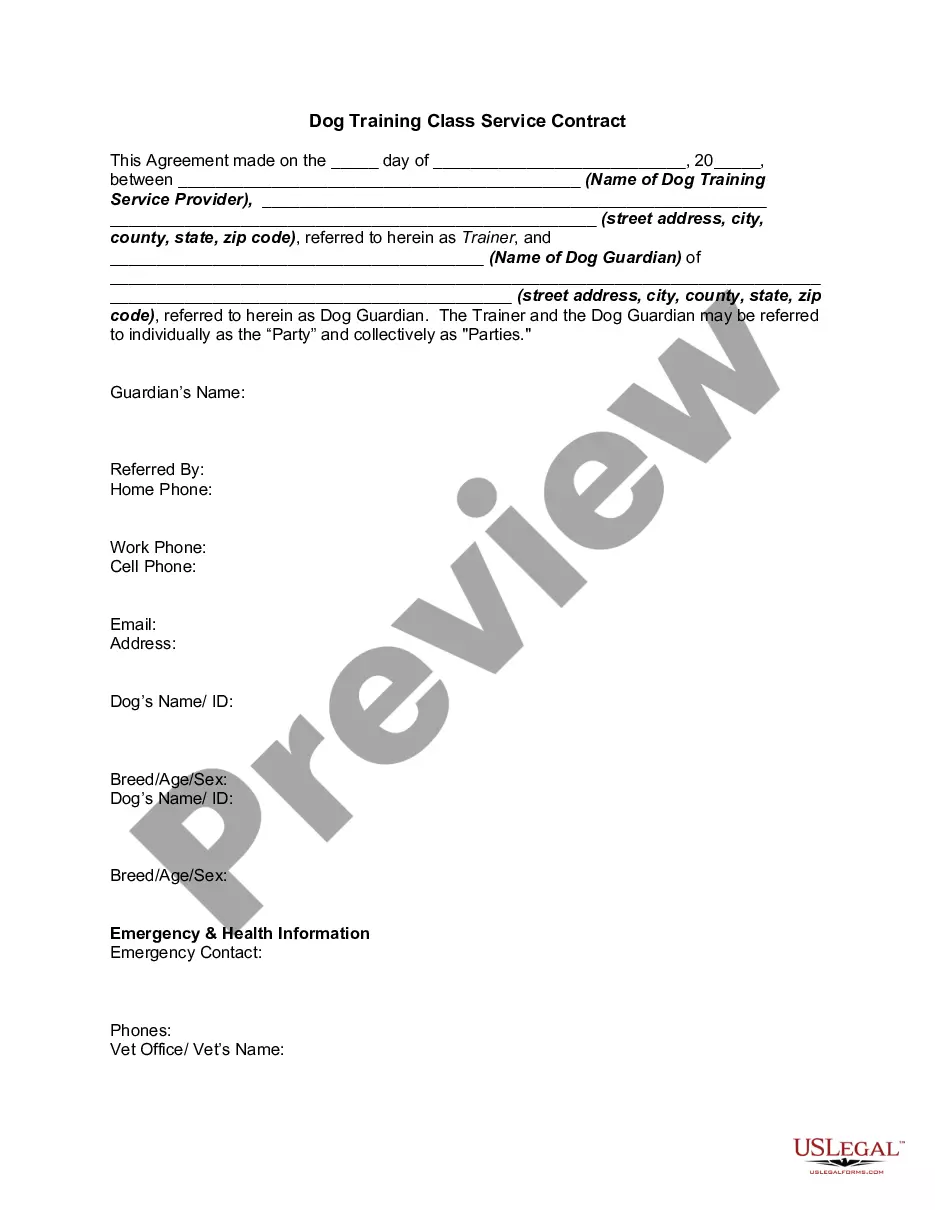
Final Judgment Of Injunction For Protection In Pima
Description
















Get your form ready online
Our built-in tools help you complete, sign, share, and store your documents in one place.
Make edits, fill in missing information, and update formatting in US Legal Forms—just like you would in MS Word.
Download a copy, print it, send it by email, or mail it via USPS—whatever works best for your next step.
Sign and collect signatures with our SignNow integration. Send to multiple recipients, set reminders, and more. Go Premium to unlock E-Sign.
If this form requires notarization, complete it online through a secure video call—no need to meet a notary in person or wait for an appointment.
We protect your documents and personal data by following strict security and privacy standards.

Make edits, fill in missing information, and update formatting in US Legal Forms—just like you would in MS Word.

Download a copy, print it, send it by email, or mail it via USPS—whatever works best for your next step.

Sign and collect signatures with our SignNow integration. Send to multiple recipients, set reminders, and more. Go Premium to unlock E-Sign.

If this form requires notarization, complete it online through a secure video call—no need to meet a notary in person or wait for an appointment.

We protect your documents and personal data by following strict security and privacy standards.
Looking for another form?




Form popularity
FAQ
Although there are federal laws that make restraining orders inaccessible on public websites, these orders are public record once you are inside a courthouse. Anyone can ask the clerk to look up a file with your name and read the restraining order.
An Order of Protection issued in Family Court will not show up on a criminal background check, since cases in Family Court are not criminal cases. However, an Order of Protection issued in connection with a criminal case is a public record, and can be discovered in a criminal background check.
You can seek assistance from legal aid organizations or attorneys. Who can help you navigate theMoreYou can seek assistance from legal aid organizations or attorneys. Who can help you navigate the process of looking up restraining orders remember to approach this process with sensitivity.
In Massachusetts, you can look up a Restraining Order, but the specifics depend on whether the order is part of an open court case or a concluded one.
The plaintiff has the burden of proving the allegations to be true based on the preponderance of the evidence. The purpose of an Injunction Against Harassment is to restrain a person from committing acts of harassment.
You will need to contact the Court that issued the restraining order to request that the order be cancelled. A motion and a declaration must be filed explaining the reasons why you want the order cancelled.
If you disagree with the Order of Protection You are entitled to a court hearing to oppose an Order of Protection.
Only a judge can dismiss or quash an Order of Protection. To file a motion to dismiss or quash an Order of Protection, you must go to one of the Protective Order Centers to complete a motion. You will be required to provide identification to court personnel at the time you complete the Motion to Dismiss or Quash.
Step 1: Go to the district court to begin the filing process. Step 2: Fill out the petition. Step 3: A judge reviews your petition and may grant you a temporary restraining order. Step 4: Service of process. Step 5: The TRO/injunction hearing.