Registered Letter With Acknowledgment Receipt In Texas
Description
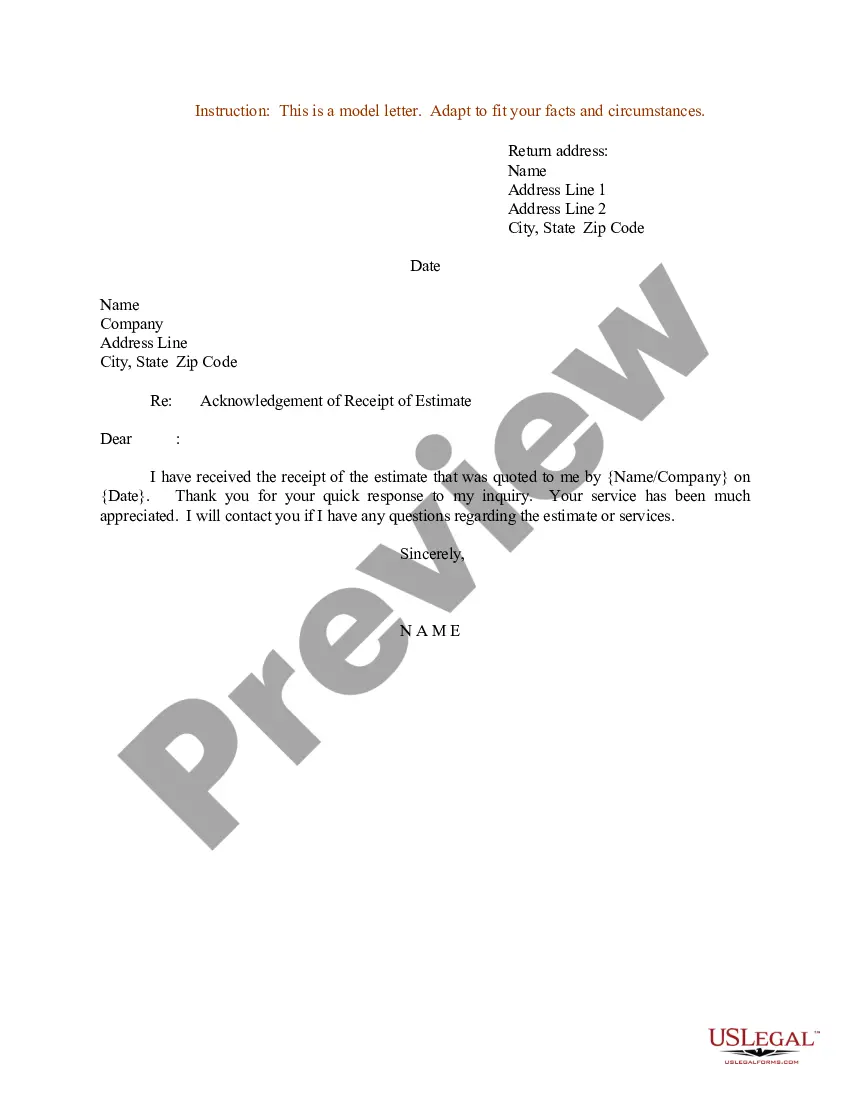




Get your form ready online
Our built-in tools help you complete, sign, share, and store your documents in one place.
Make edits, fill in missing information, and update formatting in US Legal Forms—just like you would in MS Word.
Download a copy, print it, send it by email, or mail it via USPS—whatever works best for your next step.
Sign and collect signatures with our SignNow integration. Send to multiple recipients, set reminders, and more. Go Premium to unlock E-Sign.
If this form requires notarization, complete it online through a secure video call—no need to meet a notary in person or wait for an appointment.
We protect your documents and personal data by following strict security and privacy standards.

Make edits, fill in missing information, and update formatting in US Legal Forms—just like you would in MS Word.

Download a copy, print it, send it by email, or mail it via USPS—whatever works best for your next step.

Sign and collect signatures with our SignNow integration. Send to multiple recipients, set reminders, and more. Go Premium to unlock E-Sign.

If this form requires notarization, complete it online through a secure video call—no need to meet a notary in person or wait for an appointment.

We protect your documents and personal data by following strict security and privacy standards.
Looking for another form?




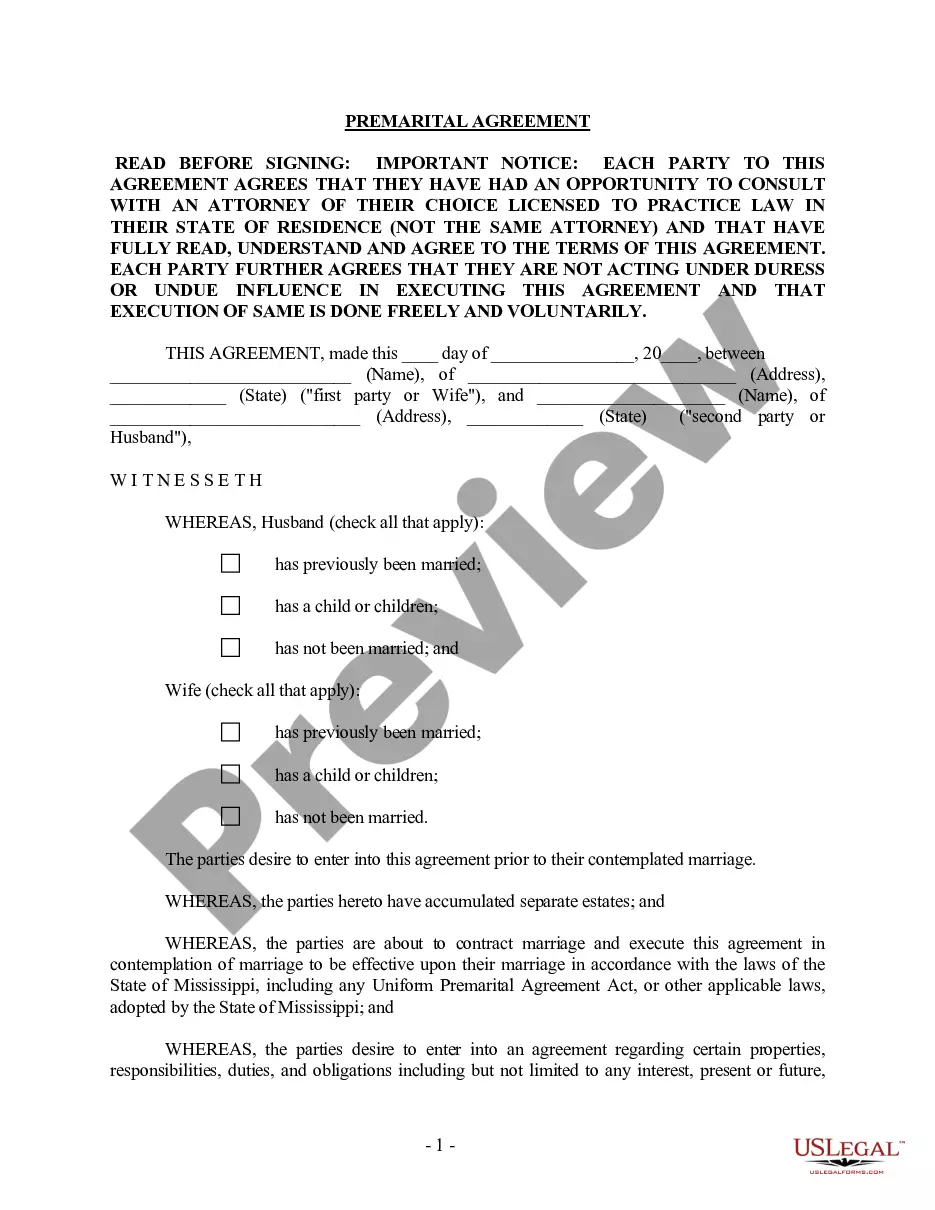




Form popularity
FAQ
What's the difference between Registered Mail and Certified Mail? While Certified Mail provides proof of shipment and delivery, Registered Mail provides updates throughout the entire shipment process.
Note: Sending a registered letter provides a higher level of security, proof of mailing, and delivery confirmation compared to regular mail. This method is often preferred for important or sensitive documents, legal notices, or valuable items also.
The addressee has 15 calendar days to pick up your registered mail with confirmation of receipt (in the Post Office or Post Point mentioned on the failed delivery notice). If the addressee does not pick up your mail within 15 calendar days, it will be sent back to you.
This letter is known as an acknowledgment letter. It can also be called an acknowledging receipt or a confirmation of receipt letter. An acknowledgment letter basically informs the sender that the received items are securely in your possession.
Goes at the top of your envelope. And to the right of your address. Line up the dotted line with theMoreGoes at the top of your envelope. And to the right of your address. Line up the dotted line with the top of your envelope. And stick it. There. The post office cashier will rip off this portion for
The registered letter with acknowledgment of receipt (LRAR) is of legal importance. First of all, it constitutes indisputable proof of both the sending and the receipt of a document, which is evidenced by the acknowledgement of receipt signed by the addressee, which is crucial in contentious or administrative contexts.
Certified Mail provides proof of mailing and a delivery record, primarily used for important documents where confirmation of receipt is necessary. It is less expensive and faster than Registered Mail but offers less security.
Certified Mail provides proof of mailing and a delivery record, primarily used for important documents where confirmation of receipt is necessary. It is less expensive and faster than Registered Mail but offers less security.

