Cemetery Plot Ownership Laws In Dallas
Description

Get your form ready online
Our built-in tools help you complete, sign, share, and store your documents in one place.
Make edits, fill in missing information, and update formatting in US Legal Forms—just like you would in MS Word.
Download a copy, print it, send it by email, or mail it via USPS—whatever works best for your next step.
Sign and collect signatures with our SignNow integration. Send to multiple recipients, set reminders, and more. Go Premium to unlock E-Sign.
If this form requires notarization, complete it online through a secure video call—no need to meet a notary in person or wait for an appointment.
We protect your documents and personal data by following strict security and privacy standards.

Make edits, fill in missing information, and update formatting in US Legal Forms—just like you would in MS Word.

Download a copy, print it, send it by email, or mail it via USPS—whatever works best for your next step.

Sign and collect signatures with our SignNow integration. Send to multiple recipients, set reminders, and more. Go Premium to unlock E-Sign.

If this form requires notarization, complete it online through a secure video call—no need to meet a notary in person or wait for an appointment.

We protect your documents and personal data by following strict security and privacy standards.
Looking for another form?








Form popularity
FAQ
Also, Texas does allow private burial on private property, but you still must become familiar with your local county and city government's rules and regulations concerning such things as underground pipelining, water sources, zoning, etc.
Section 711.041 of the Health and Safety Code states that access to a cemetery cannot be denied by the surrounding landowner (please see attached). The Texas Historical Commission is not a law enforce agency and cannot enforce laws. This responsibility falls to local law enforcement.
A property may not be condemned if the property is used for cemetery purposes.
“There are no state laws in Texas prohibiting home burial, but local governments may have rules governing private burials,” he said. “Before burying a body on private property or establishing a family cemetery, you should check with the county or town clerk for any zoning laws you must follow.
It is important to note that some cemeteries may have additional requirements or restrictions. SoMoreIt is important to note that some cemeteries may have additional requirements or restrictions. So it's best to check with the cemetery office before beginning the transfer. Process.
If you cannot afford a burial or cremation, you can sign a form with the county coroner's office and the state will bury or cremate the body for you.
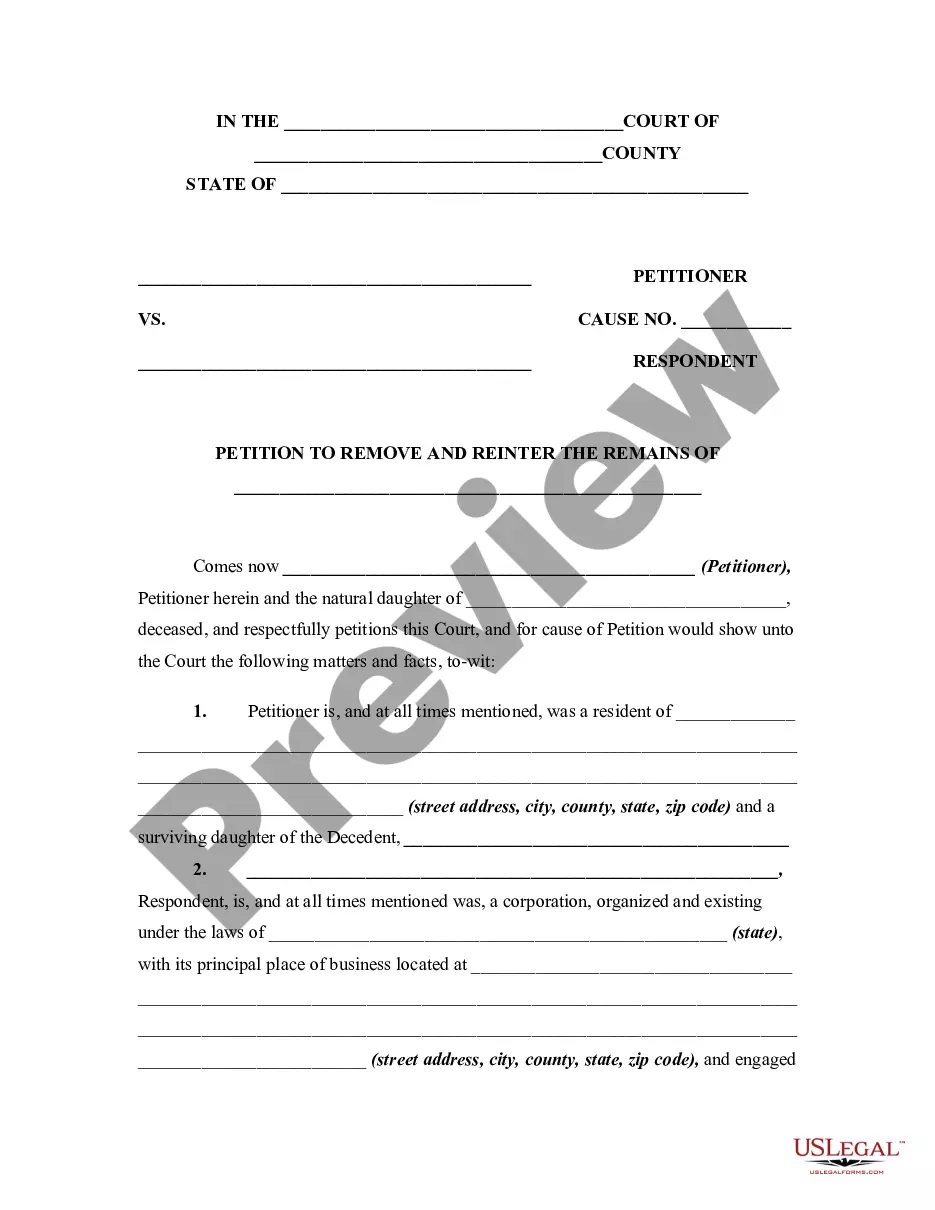
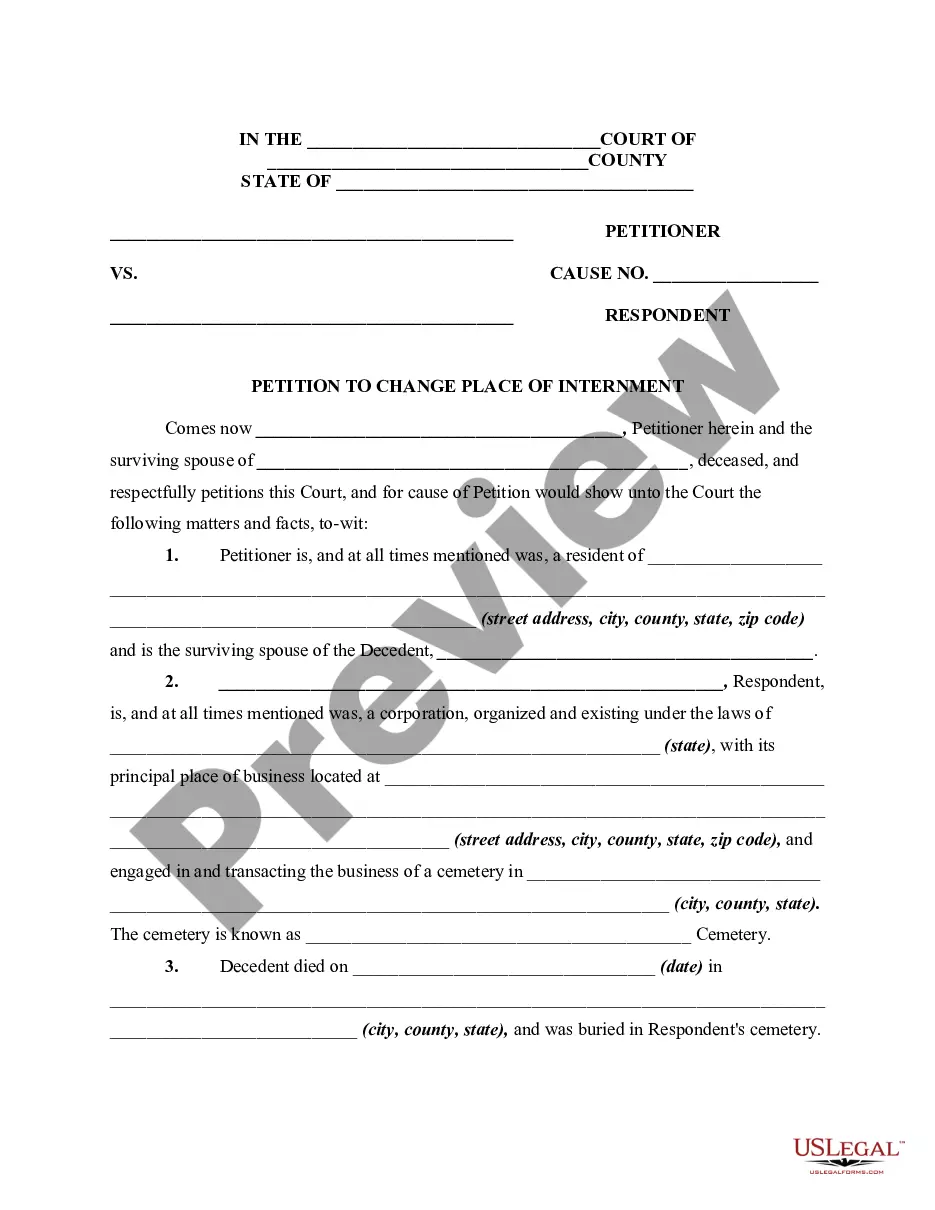
Cemetery property is owned by the cemetery corporation. The real property is not sold. The lot “owner” receives three privileges: the right of burial, the right to memorialize and the right to vote at lot owner meetings. Q.
How to Transfer Ownership of a Burial Plot Step 1 – Get the Deed From the Cemetery. Step 2 – Review the State and Local Laws. Step 3 – Prove You Are the Current Owner. Step 4 – Fill Out the Cemetery Plot Deed Transfer Form. Step 5 – Complete the Transfer and Get the New Deed.