Sample Letter To Close Trust Account With Attorney In Massachusetts
Description


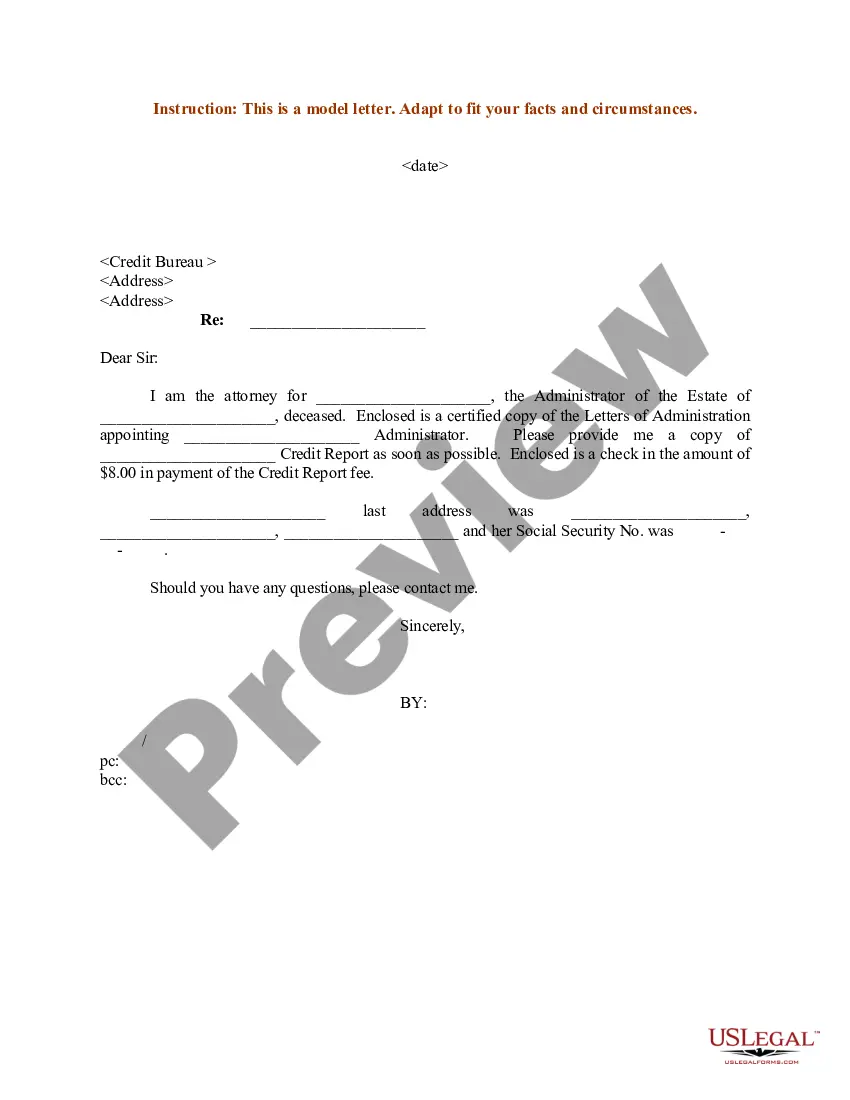

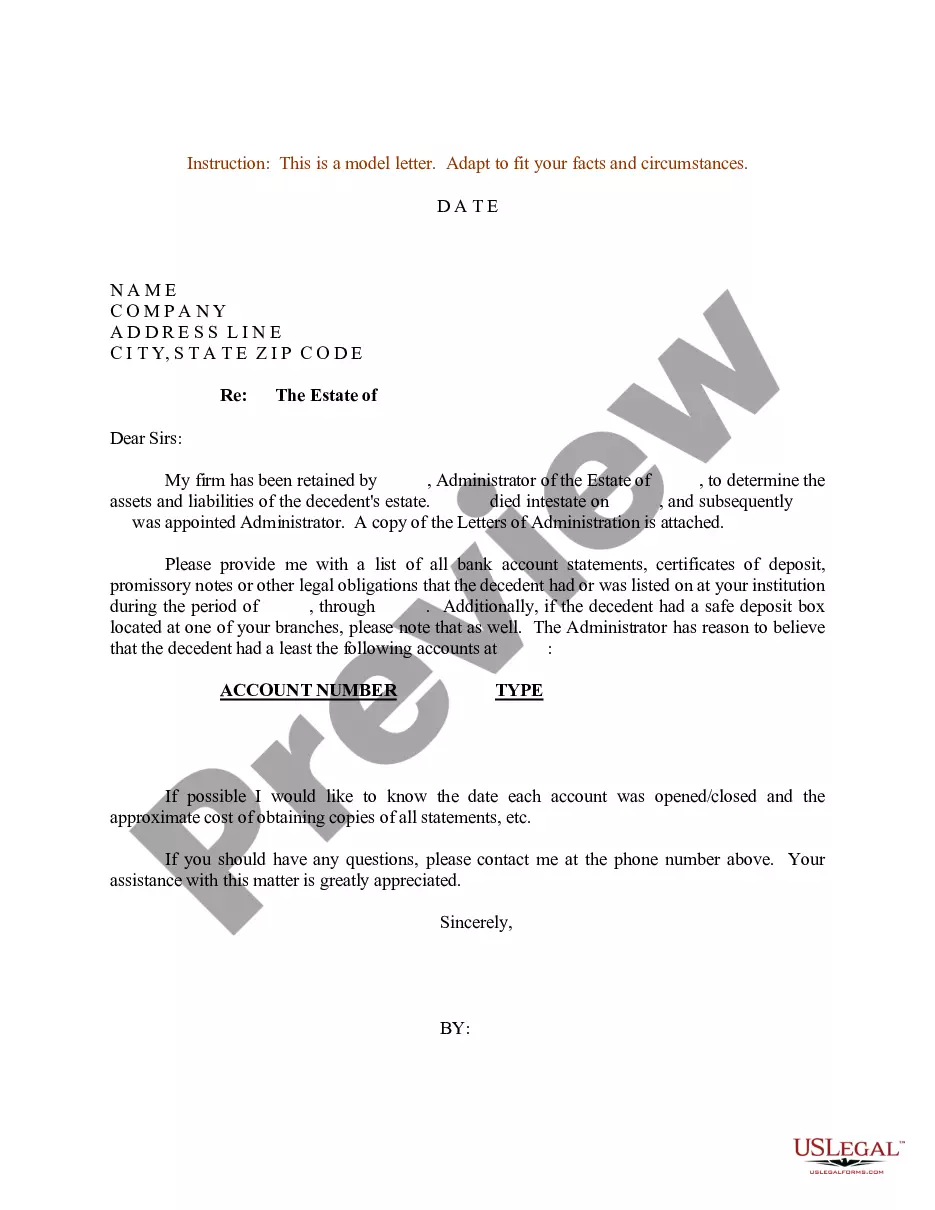
Get your form ready online
Our built-in tools help you complete, sign, share, and store your documents in one place.
Make edits, fill in missing information, and update formatting in US Legal Forms—just like you would in MS Word.
Download a copy, print it, send it by email, or mail it via USPS—whatever works best for your next step.
Sign and collect signatures with our SignNow integration. Send to multiple recipients, set reminders, and more. Go Premium to unlock E-Sign.
If this form requires notarization, complete it online through a secure video call—no need to meet a notary in person or wait for an appointment.
We protect your documents and personal data by following strict security and privacy standards.

Make edits, fill in missing information, and update formatting in US Legal Forms—just like you would in MS Word.

Download a copy, print it, send it by email, or mail it via USPS—whatever works best for your next step.

Sign and collect signatures with our SignNow integration. Send to multiple recipients, set reminders, and more. Go Premium to unlock E-Sign.

If this form requires notarization, complete it online through a secure video call—no need to meet a notary in person or wait for an appointment.

We protect your documents and personal data by following strict security and privacy standards.
Looking for another form?
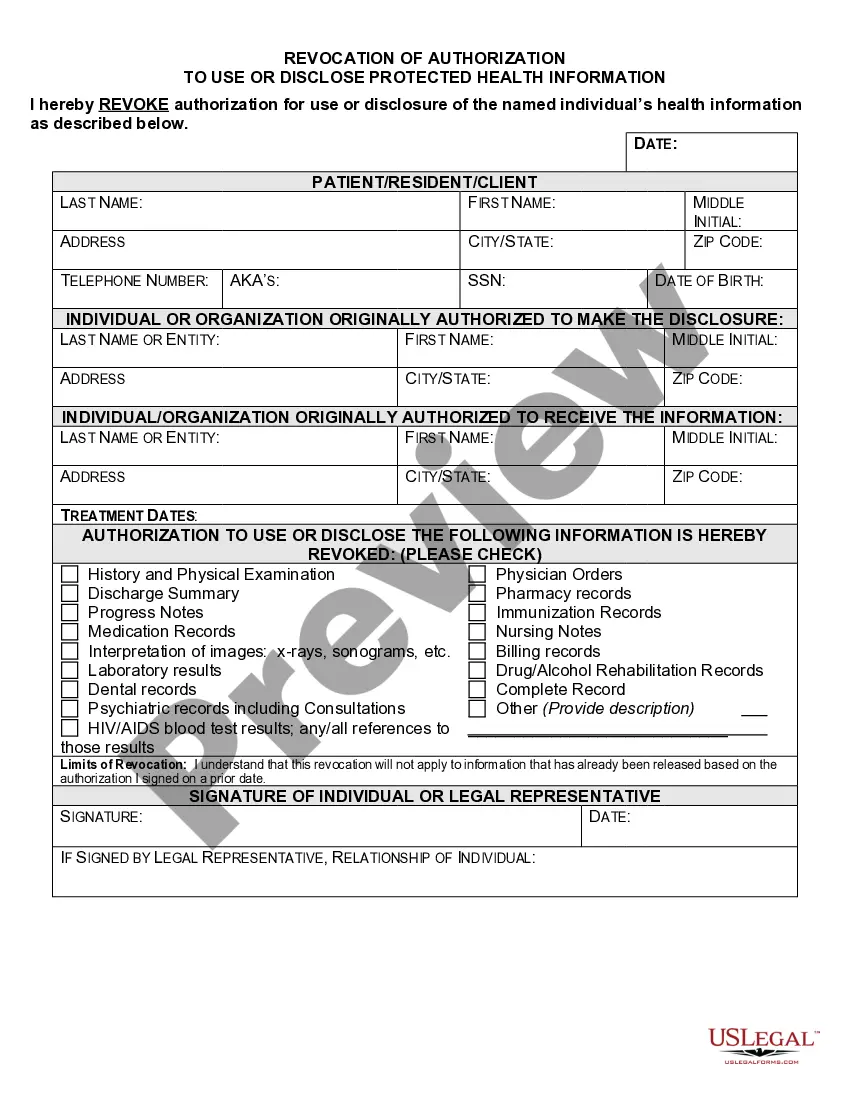
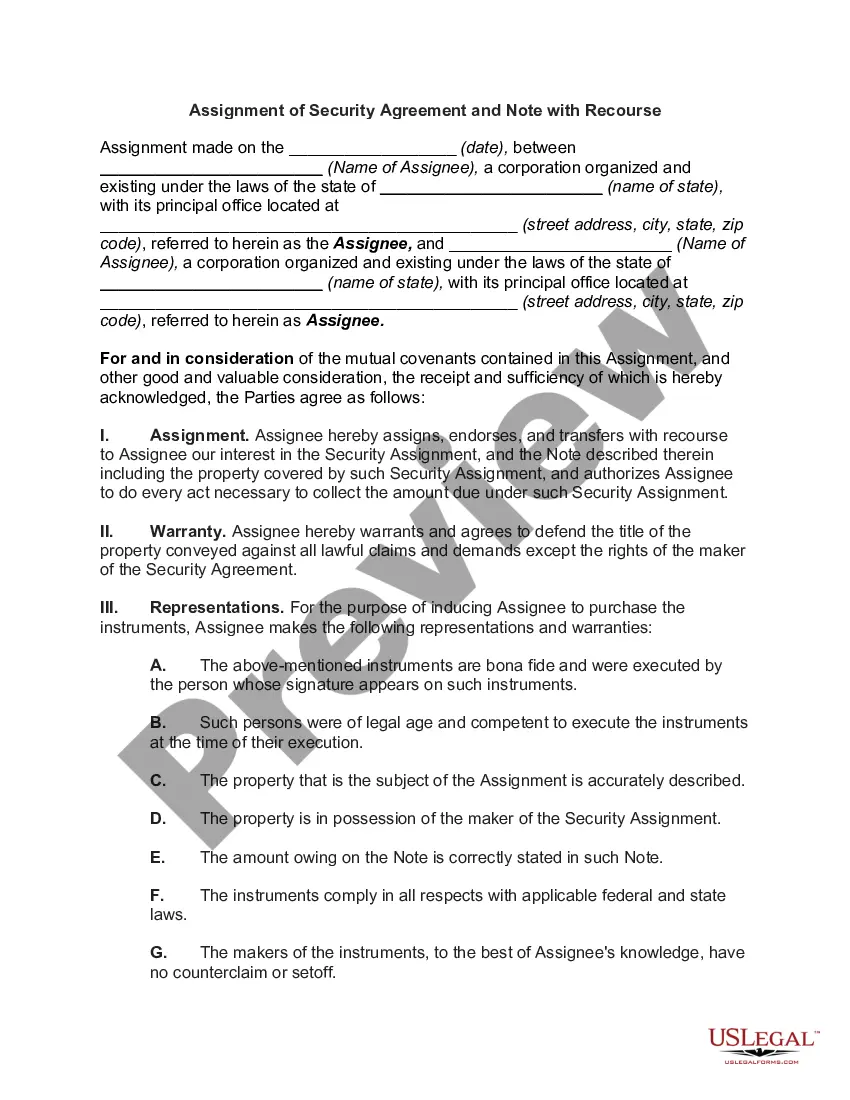
Form popularity
FAQ
A disengagement letter is especially critical when a lawyer decides not to continue past a specific stage in a case. The lawyer should send a disengagement letter to establish that the relationship is no longer continuing, and to refer the client to another lawyer.
One of the teaching points is to end correspondence with “Yours sincerely” or a similar phrase when writing to someone by name. “Yours sincerely”, “Sincerely yours” and “Sincerely” are all possible. “Yours sincerely” is the most common. “Sincerely” is one often used by lawyers.
The purpose of a closure letter is to confirm that a client's matter has been wrapped up, which means your involvement in that matter is now over.
A contract closeout letter is a document required to inform the contractor of the contract termination. This letter should clearly outline all the obligations that have been met and those that are still outstanding.
The complimentary close is a short and polite remark that ends your letter. The close begins at the same justification as your date and one line after the last body paragraph. Capitalize the first word of your closing (Thank you) and leave four lines for a signature between the close and the sender's name.
Closure Letter means a written determination, such as a “no further action letter” or similar evidence of approval or concurrence from a Responsible Government Agency issued pursuant to HRS § 128D-39 or other provision of Environmental Law to resolve a Corrective Action, including standard reopener provisions.
What to include in a closing letter to clients Specifics about the case and its status. A final billing and payment statement. The date. The reason for the end of representation. The status of any client documents. Next steps. A feedback request. A note of appreciation.
Writing a closing letter to your clients is more than just a formality; it's an essential step that ensures a positive, professional end to the attorney-client relationship. This letter wraps up the case or matter, provides key information clients need moving forward, and leaves the door open for future engagement.