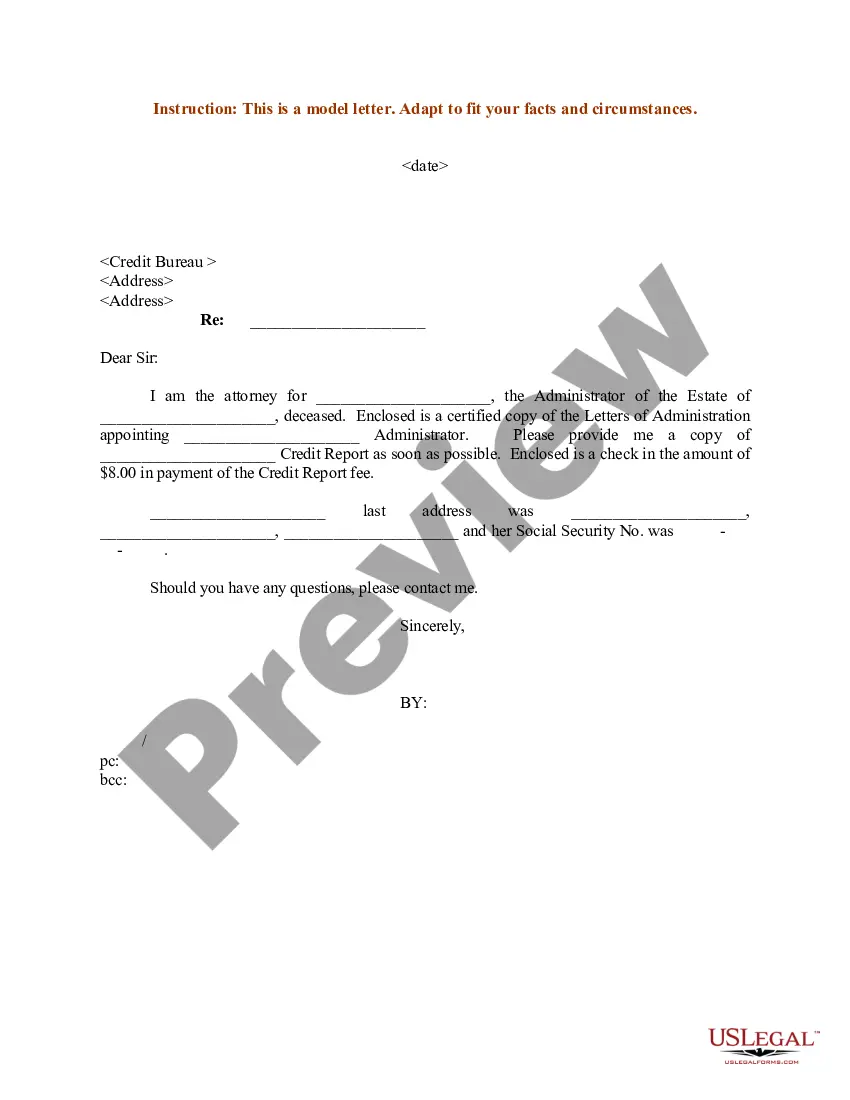
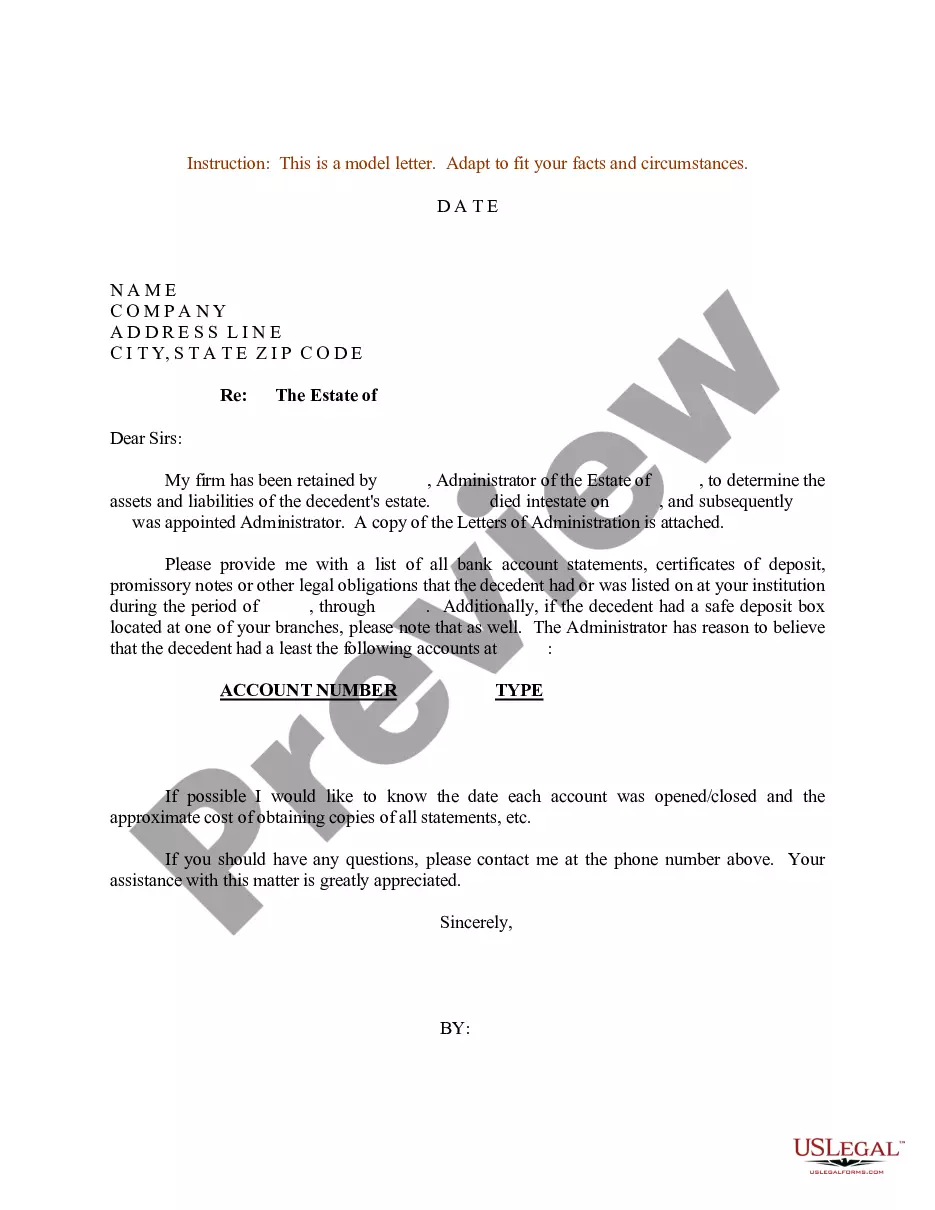
Letter To Close Account After Death Without Will In Alameda
Description



Get your form ready online
Our built-in tools help you complete, sign, share, and store your documents in one place.
Make edits, fill in missing information, and update formatting in US Legal Forms—just like you would in MS Word.
Download a copy, print it, send it by email, or mail it via USPS—whatever works best for your next step.
Sign and collect signatures with our SignNow integration. Send to multiple recipients, set reminders, and more. Go Premium to unlock E-Sign.
If this form requires notarization, complete it online through a secure video call—no need to meet a notary in person or wait for an appointment.
We protect your documents and personal data by following strict security and privacy standards.

Make edits, fill in missing information, and update formatting in US Legal Forms—just like you would in MS Word.

Download a copy, print it, send it by email, or mail it via USPS—whatever works best for your next step.

Sign and collect signatures with our SignNow integration. Send to multiple recipients, set reminders, and more. Go Premium to unlock E-Sign.

If this form requires notarization, complete it online through a secure video call—no need to meet a notary in person or wait for an appointment.

We protect your documents and personal data by following strict security and privacy standards.
Looking for another form?







Form popularity
FAQ
That being said, it is never a good idea to delay the inevitable. California Probate Code section 8001 specifies that the executor has 30 days after the decedent's date of death and after learning they are the nominated executor to petition the court for administration of the estate.
Risk of Estate Taxes and Liens Without probate, the estate may face unresolved tax issues, leading to additional financial liability for the heirs. The estate might also face liens or claims from creditors that could have been resolved through the probate process.
Time Limits for Filing 120-day deadline: A petition for probate must typically be filed within 120 days of the decedent's passing. This step formally begins the probate process, allowing the court to appoint an executor or administrator to handle the estate.
Time Limits for Filing 30-day deadline: The personal representative (responsible for managing the estate) must notify all beneficiaries and heirs within 30 days of the decedent's death, so everyone understands the probate process and their involvement.
Typically, a beneficiary can claim the proceeds from a payable-on-death account—sometimes called a “POD” account—by going to the bank with a death certificate and proof of identification.
California law says the personal representative must complete probate within one year from the date of appointment, unless s/he files a federal estate tax. In this case, the personal representative can have 18 months to complete probate.
The order of priority is any surviving spouse or domestic partner, then a child, then a grandchild, then a parent, and then a sibling.
If you die without a will in California, your children will receive an "intestate share" of your property. The size of each child's share depends on how many children you have and whether or not you are married.
If you die without a will in California, your children will receive an "intestate share" of your property. The size of each child's share depends on how many children you have and whether or not you are married.
Transfer of property without a will in North California is quite complicated. In case of no will, the case goes into the probate court, and the judge decides who'll inherit the property of the deceased person as per California's intestate succession law. The distribution of the property will be decided carefully.
