Shares Results In Wake
Description

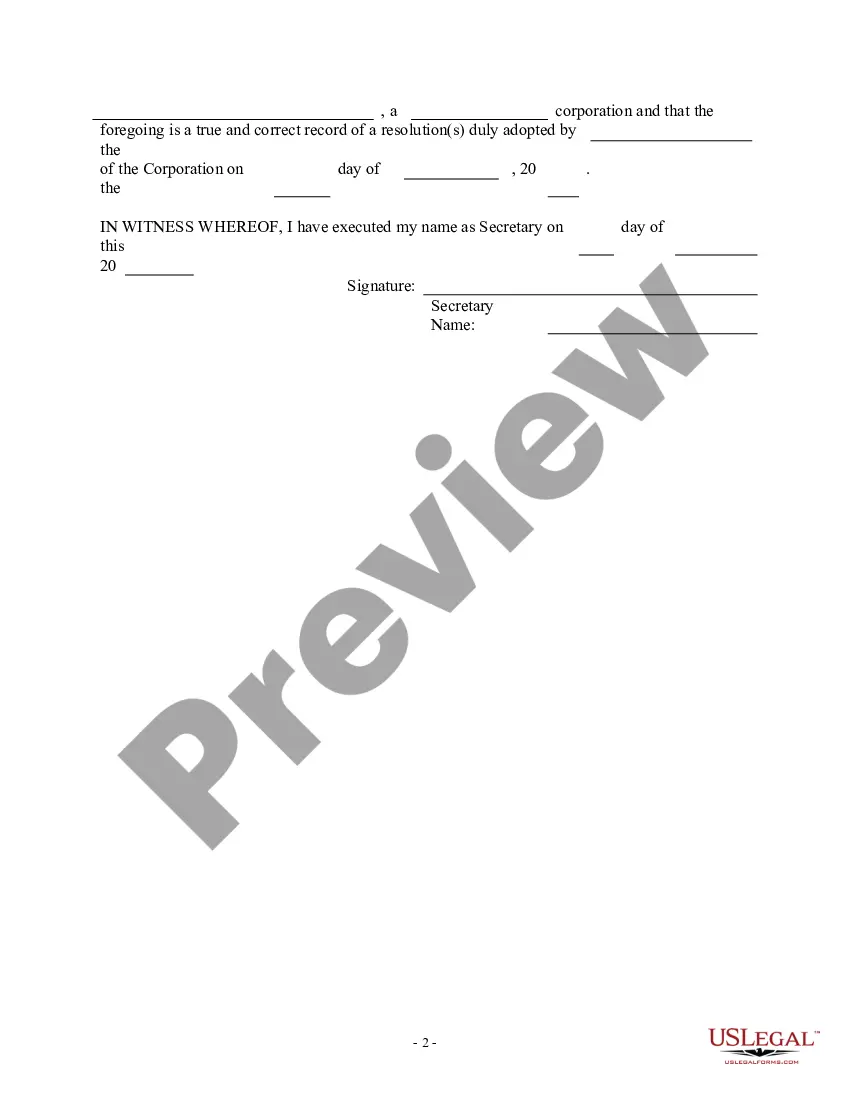

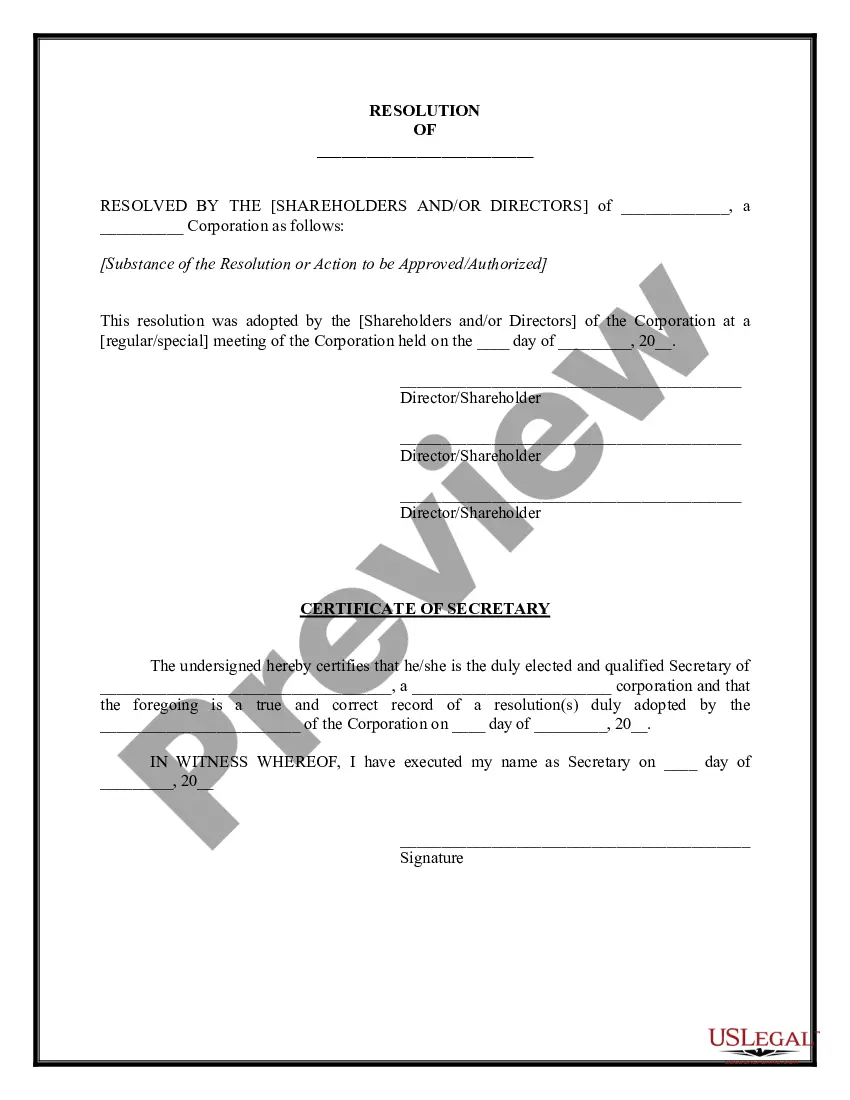
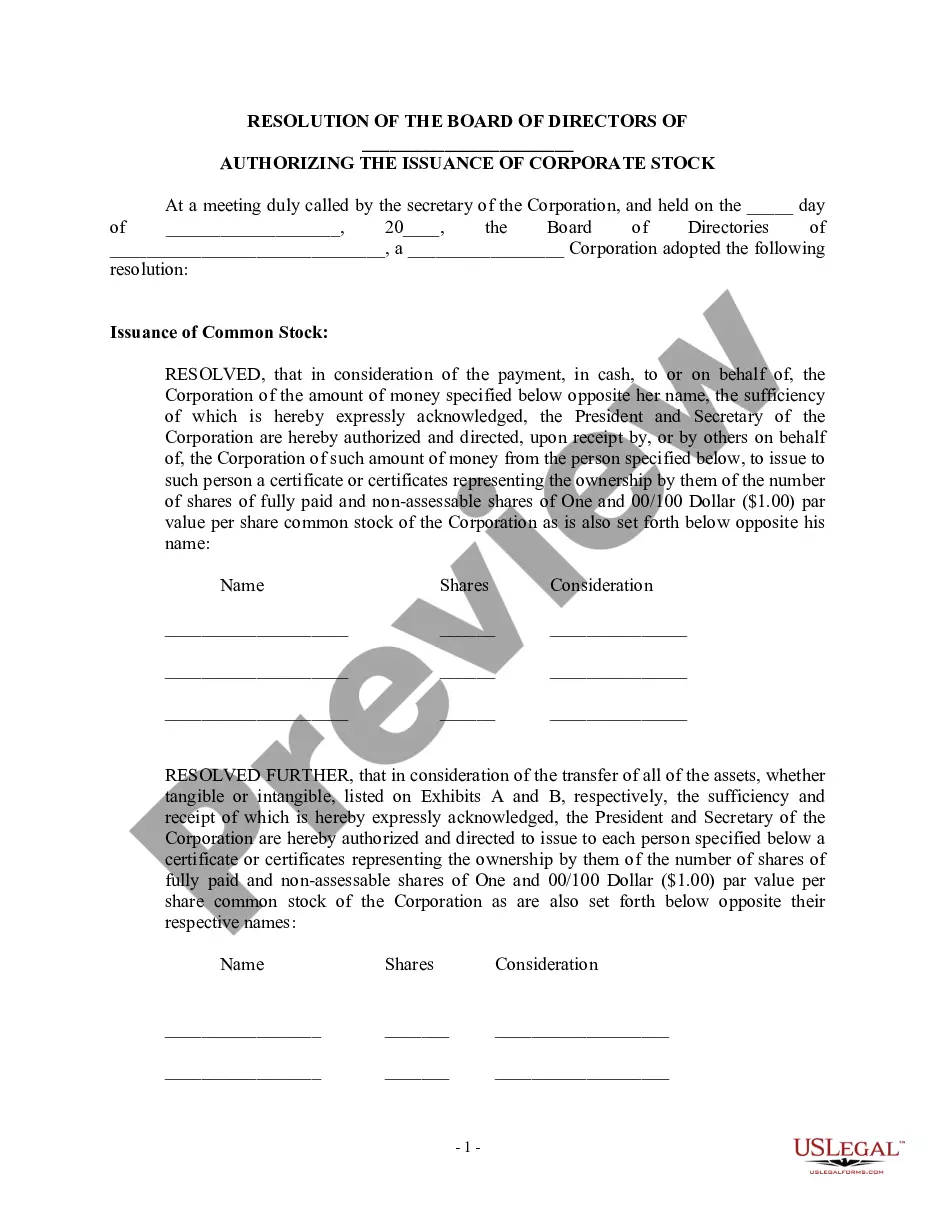
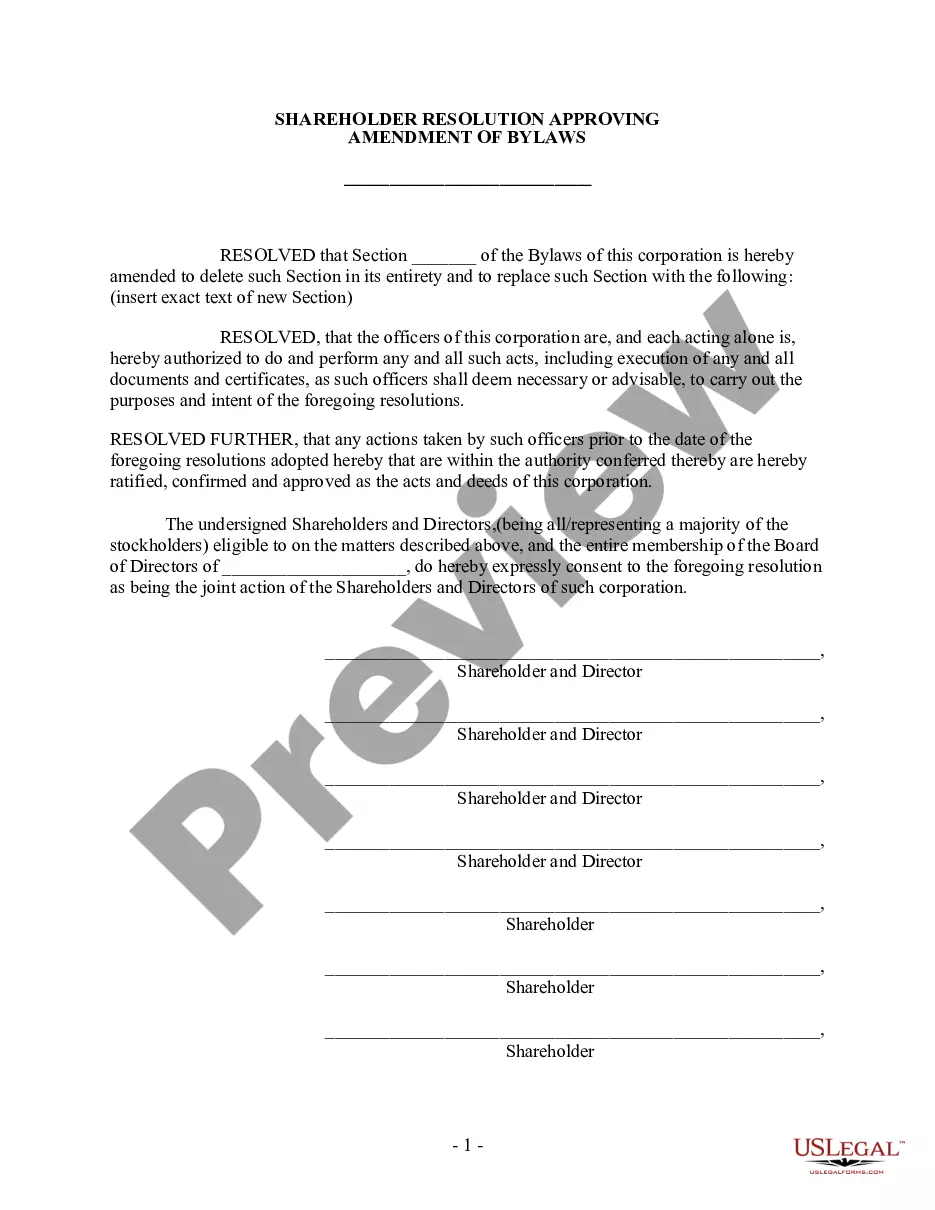
Get your form ready online
Our built-in tools help you complete, sign, share, and store your documents in one place.
Make edits, fill in missing information, and update formatting in US Legal Forms—just like you would in MS Word.
Download a copy, print it, send it by email, or mail it via USPS—whatever works best for your next step.
Sign and collect signatures with our SignNow integration. Send to multiple recipients, set reminders, and more. Go Premium to unlock E-Sign.
If this form requires notarization, complete it online through a secure video call—no need to meet a notary in person or wait for an appointment.
We protect your documents and personal data by following strict security and privacy standards.

Make edits, fill in missing information, and update formatting in US Legal Forms—just like you would in MS Word.

Download a copy, print it, send it by email, or mail it via USPS—whatever works best for your next step.

Sign and collect signatures with our SignNow integration. Send to multiple recipients, set reminders, and more. Go Premium to unlock E-Sign.

If this form requires notarization, complete it online through a secure video call—no need to meet a notary in person or wait for an appointment.

We protect your documents and personal data by following strict security and privacy standards.
Looking for another form?





Form popularity
FAQ
You need to include all capital gains in your tax return in the year you sell the investment. Capital gains are taxed at your marginal rate. If you've held the investment for more than 12 months, you're only taxed on half of the capital gain.
If you have any capital gains transactions in shares, you will need a summary or profit / loss statement of capital gain transactions of shares or securities during a year, if any, for computation of capital gain. You will need your bank passbook, Fixed Deposit Receipts (FDRs) to calculate amount of interest income.
If your vested benefits are taxable, they'll be reported on your W-2, and you typically need to include them on your tax return as regular income. For cliff vested benefits that are taxable, you'll typically need to report the full amount as income in the year they vest.
You must fill out and file a Self Assessment tax return (SA100) if you have untaxed income, which includes income from savings, investments and dividends. Self Assessment is the scheme that HMRC uses to collect Income Tax.
What you need to have on hand to claim EIS tax relief The name of the company in which you have invested. The amount you have subscribed and on which you can claim tax relief. The date the shares were issued (this is usually different from the date you invested) The name of the relevant HMRC office and its reference.
Step 1: Go to the e-filing portal > File ITR > Select assessment year (AY 2024-25) > Select ITR form (ITR-3 for trading income). Note, if you have just capital gains on sale of equity shares and mutual funds, you need to select ITR-2. Step 2: Select the reason for filing the ITR and proceed.
You are likely to make either a capital gain or capital loss when you dispose of your shares. You must report the total current year capital gains, net capital losses carried forward to later income years and the net capital gain in the tax return for the income year you dispose of the shares.
