Shareholders Resolution Vs Board Resolution In Clark
Description

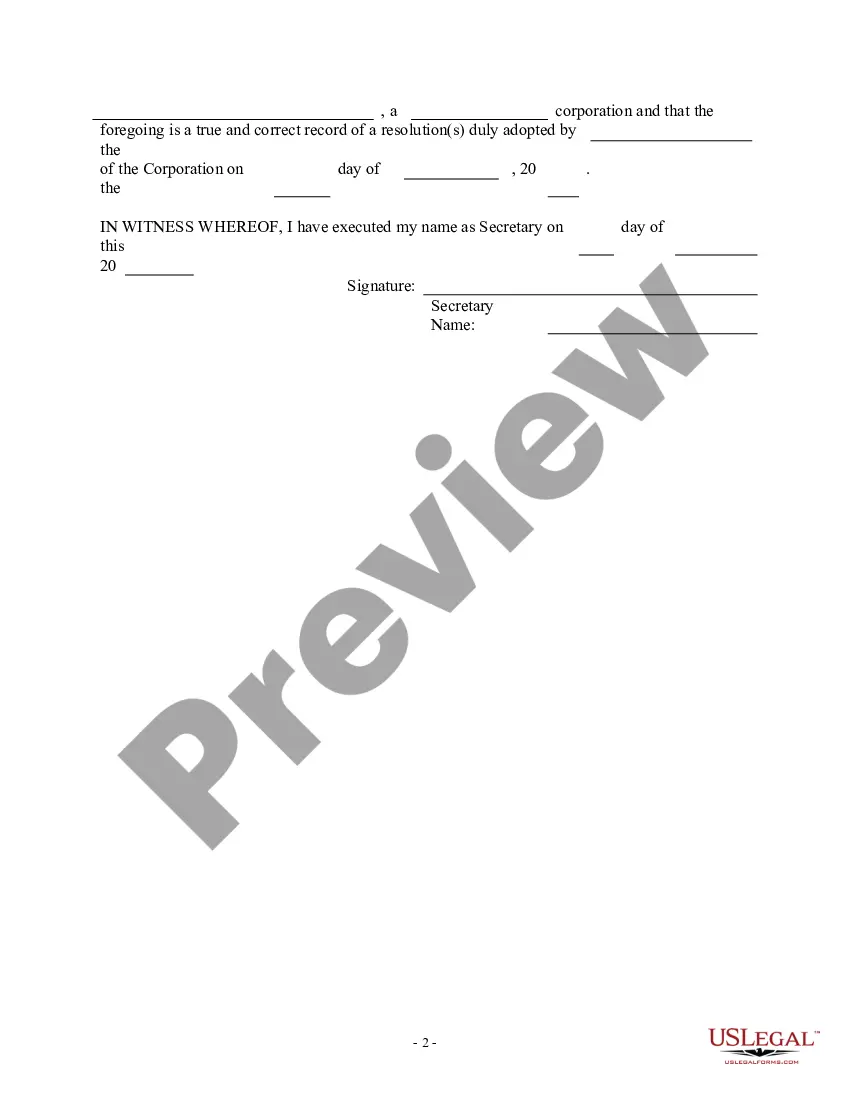


Get your form ready online
Our built-in tools help you complete, sign, share, and store your documents in one place.
Make edits, fill in missing information, and update formatting in US Legal Forms—just like you would in MS Word.
Download a copy, print it, send it by email, or mail it via USPS—whatever works best for your next step.
Sign and collect signatures with our SignNow integration. Send to multiple recipients, set reminders, and more. Go Premium to unlock E-Sign.
If this form requires notarization, complete it online through a secure video call—no need to meet a notary in person or wait for an appointment.
We protect your documents and personal data by following strict security and privacy standards.

Make edits, fill in missing information, and update formatting in US Legal Forms—just like you would in MS Word.

Download a copy, print it, send it by email, or mail it via USPS—whatever works best for your next step.

Sign and collect signatures with our SignNow integration. Send to multiple recipients, set reminders, and more. Go Premium to unlock E-Sign.

If this form requires notarization, complete it online through a secure video call—no need to meet a notary in person or wait for an appointment.

We protect your documents and personal data by following strict security and privacy standards.
Looking for another form?








Form popularity
FAQ
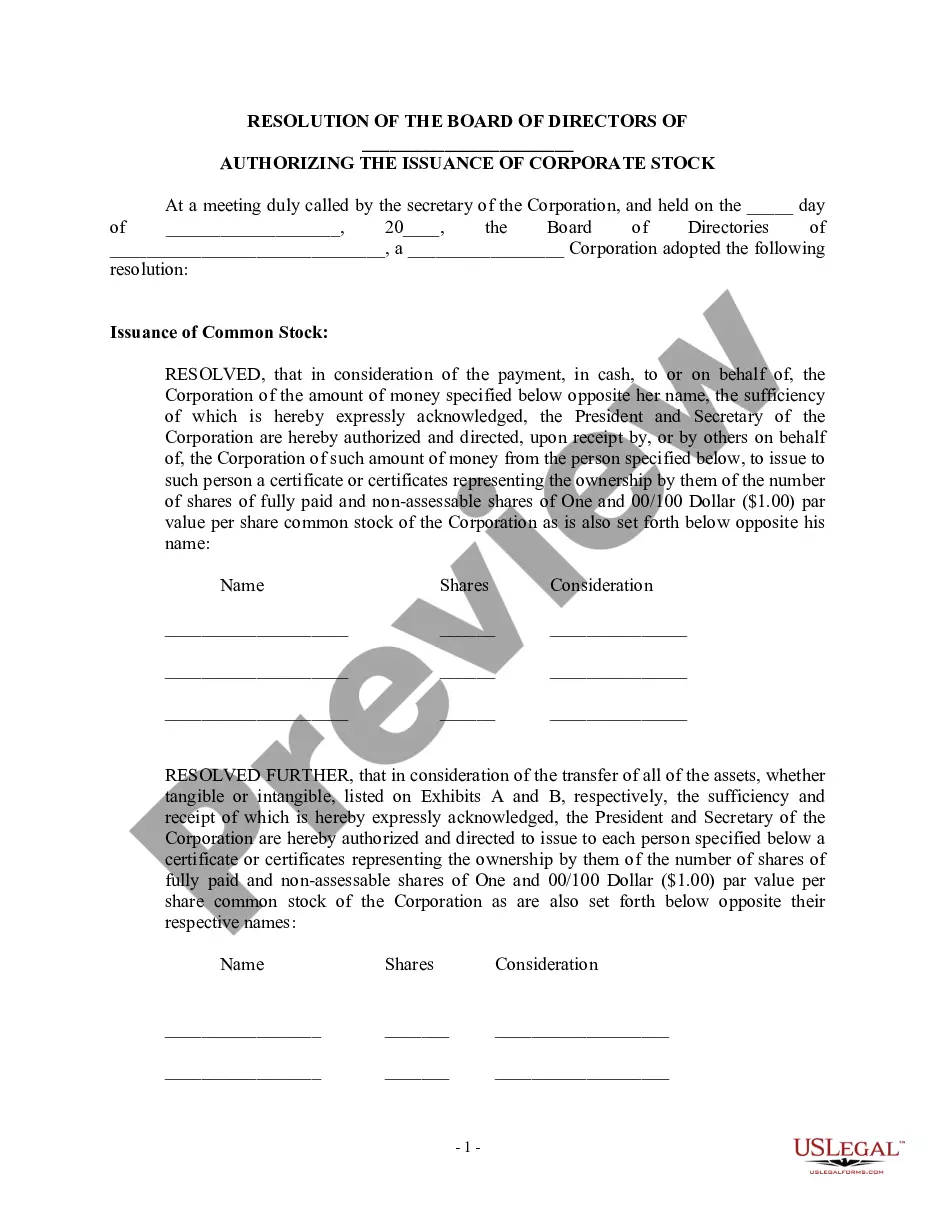
State laws under which a corporation is formed require that whenever a board of directors makes a decision or desires to take an action and it is voted on and approved by a majority of the board, a certified board resolution be created. This document is then made available to the public.
A board resolution is passed after gaining approval by a majority of board members with voting rights. Your organization's governing documents will determine the votes necessary to approve a resolution formally.
To check your screen resolution, use these steps in Windows 10: Type Display Settings in the search bar from the Start Menu in the lower-left corner of your screen. Click to open. Scroll down to the Scale and Layout section and look for the resolution drop-down box. Make note of the resolution listed.
The resolution then becomes part of the company's record and is legally binding. For this reason, boards should document meeting resolutions in their meeting minutes and store them in their board portal.
The resolutions can also be found in the relevant sections of our Corporate folder to which they relate and reference should be made to that specific section for more detailed information. Each document in the Special and Ordinary Shareholders' Resolutions folder is compliant with the Companies Act 2006.
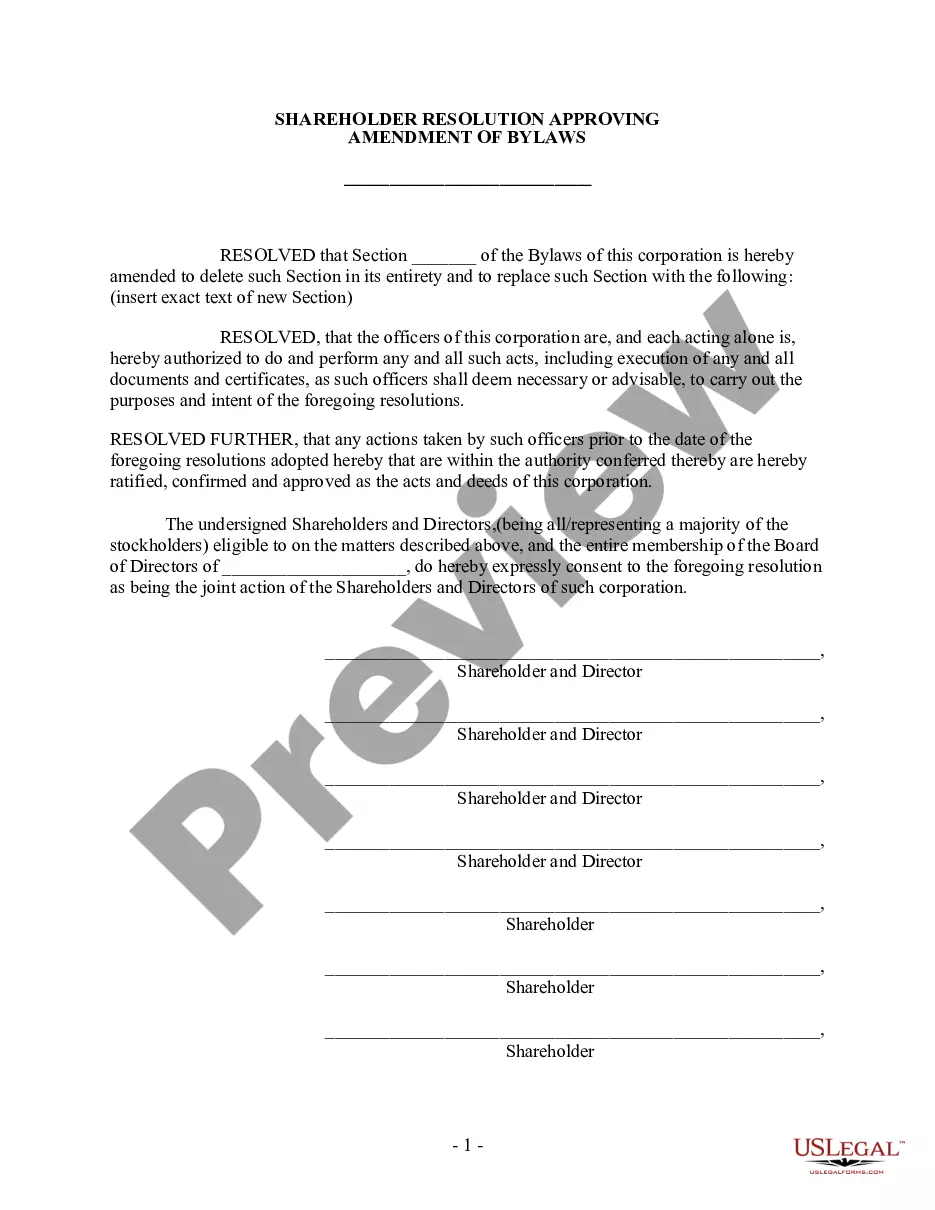
Board directors and shareholders are the only members of the company that can make company resolutions. When the board of directors make a formal decision, it is referred to as a board resolution, whereas when the company shareholders make a formal decision, it is referred to as a shareholder resolution.
There are two main types of shareholders' resolution: 'ordinary' and 'special'. An ordinary resolution is passed by a simple majority of members, while a special resolution requires not less than 75% of the total voting rights of eligible members.
Under this act, Section 179 provides provisions and powers for the board of directors to pass board resolutions. In Section 179(3)(c), the Board of Directors can issue securities, which means they can issue new shares and debentures in the company by passing a board resolution.
Three forms of resolutions are available: ordinary resolution, special resolution and unanimous resolution. There is no concept of special resolution in board meetings and very few unanimous resolutions are also required. However, all three are covered in the case of general meetings.
These resolutions may pertain to company policies and procedures, corporate governance or issues of social or environmental concern. Shareholder resolutions are a meaningful way for shareholders to encourage corporate responsibility and discourage company practices that are unsustainable or unethical.