Issued With Shares In California
Description




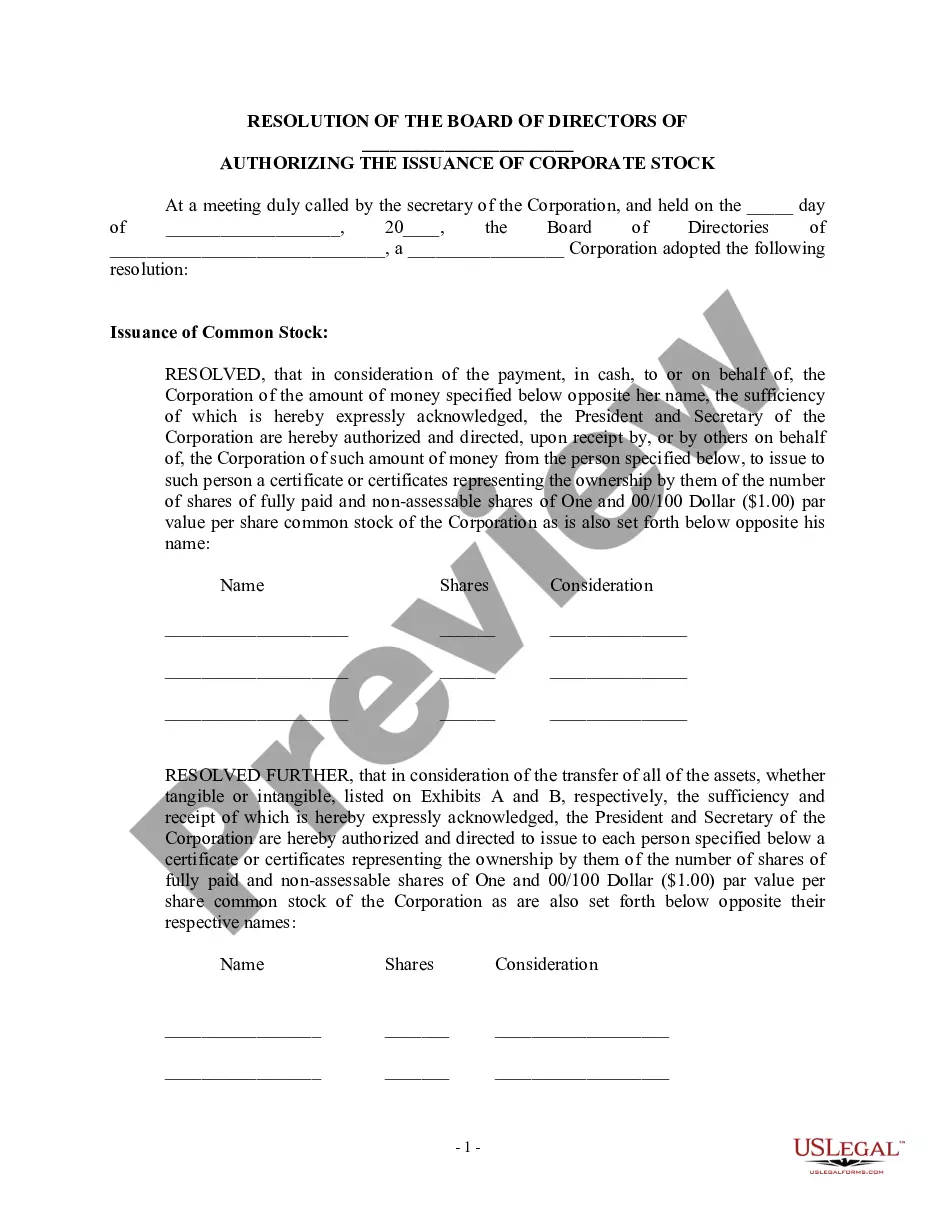
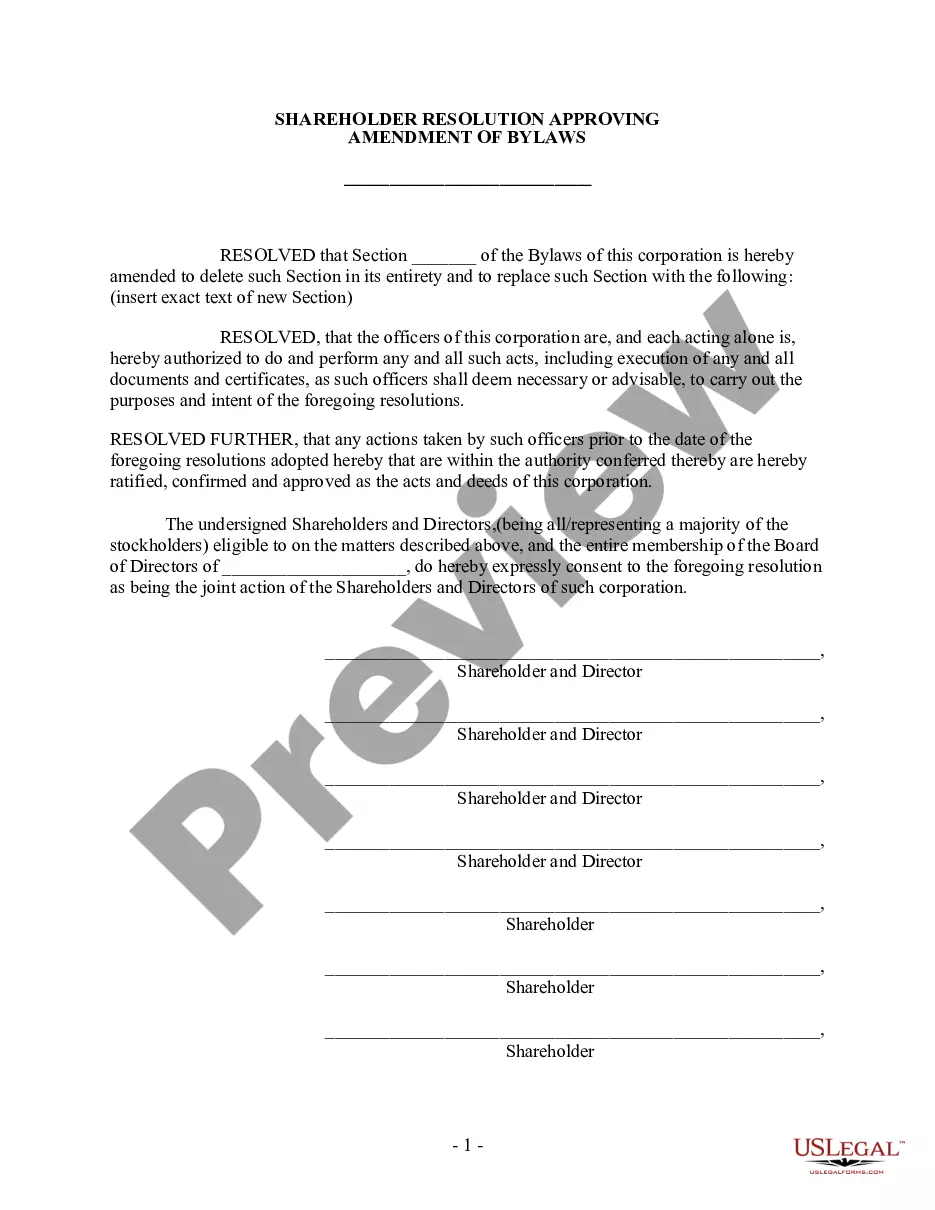
Get your form ready online
Our built-in tools help you complete, sign, share, and store your documents in one place.
Make edits, fill in missing information, and update formatting in US Legal Forms—just like you would in MS Word.
Download a copy, print it, send it by email, or mail it via USPS—whatever works best for your next step.
Sign and collect signatures with our SignNow integration. Send to multiple recipients, set reminders, and more. Go Premium to unlock E-Sign.
If this form requires notarization, complete it online through a secure video call—no need to meet a notary in person or wait for an appointment.
We protect your documents and personal data by following strict security and privacy standards.

Make edits, fill in missing information, and update formatting in US Legal Forms—just like you would in MS Word.

Download a copy, print it, send it by email, or mail it via USPS—whatever works best for your next step.

Sign and collect signatures with our SignNow integration. Send to multiple recipients, set reminders, and more. Go Premium to unlock E-Sign.

If this form requires notarization, complete it online through a secure video call—no need to meet a notary in person or wait for an appointment.

We protect your documents and personal data by following strict security and privacy standards.
Looking for another form?


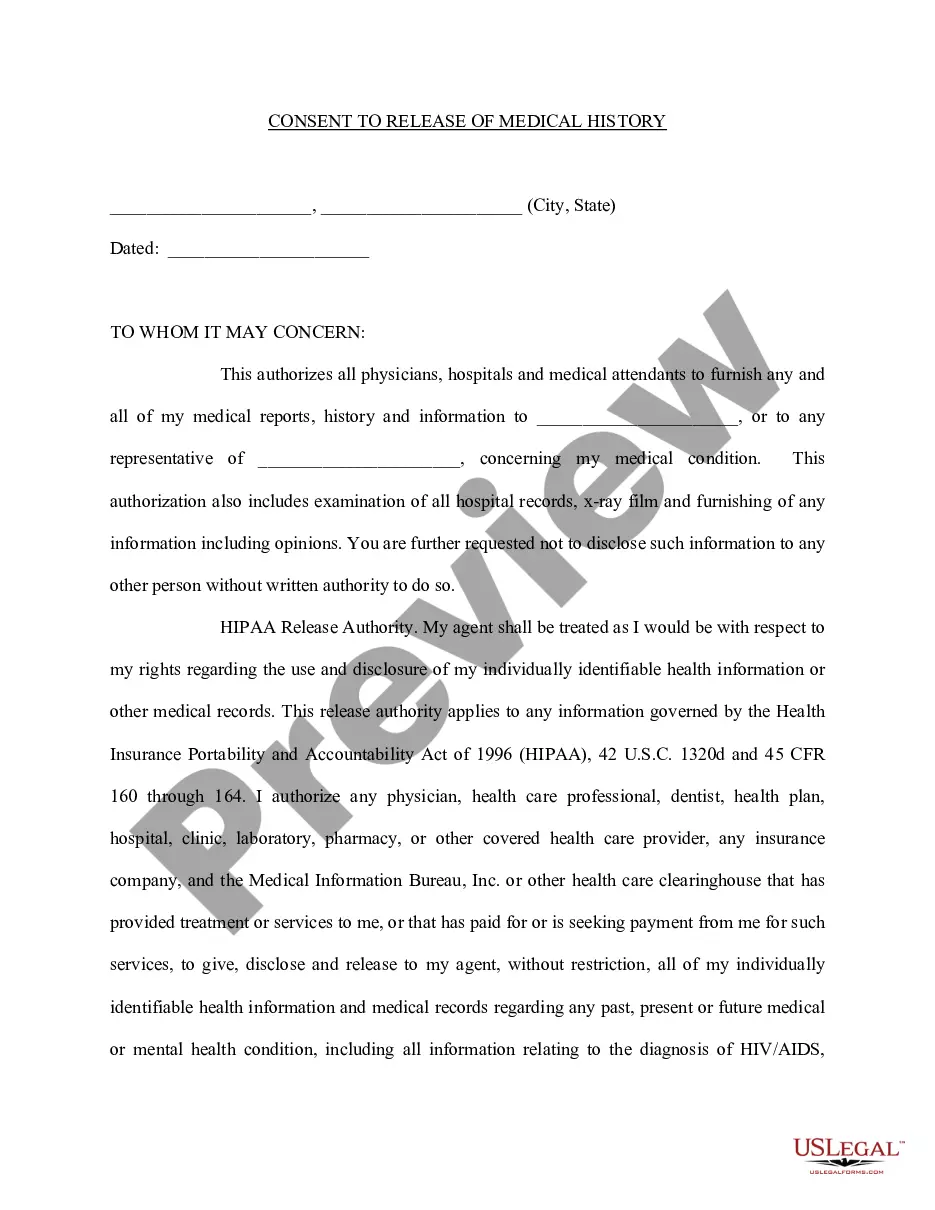




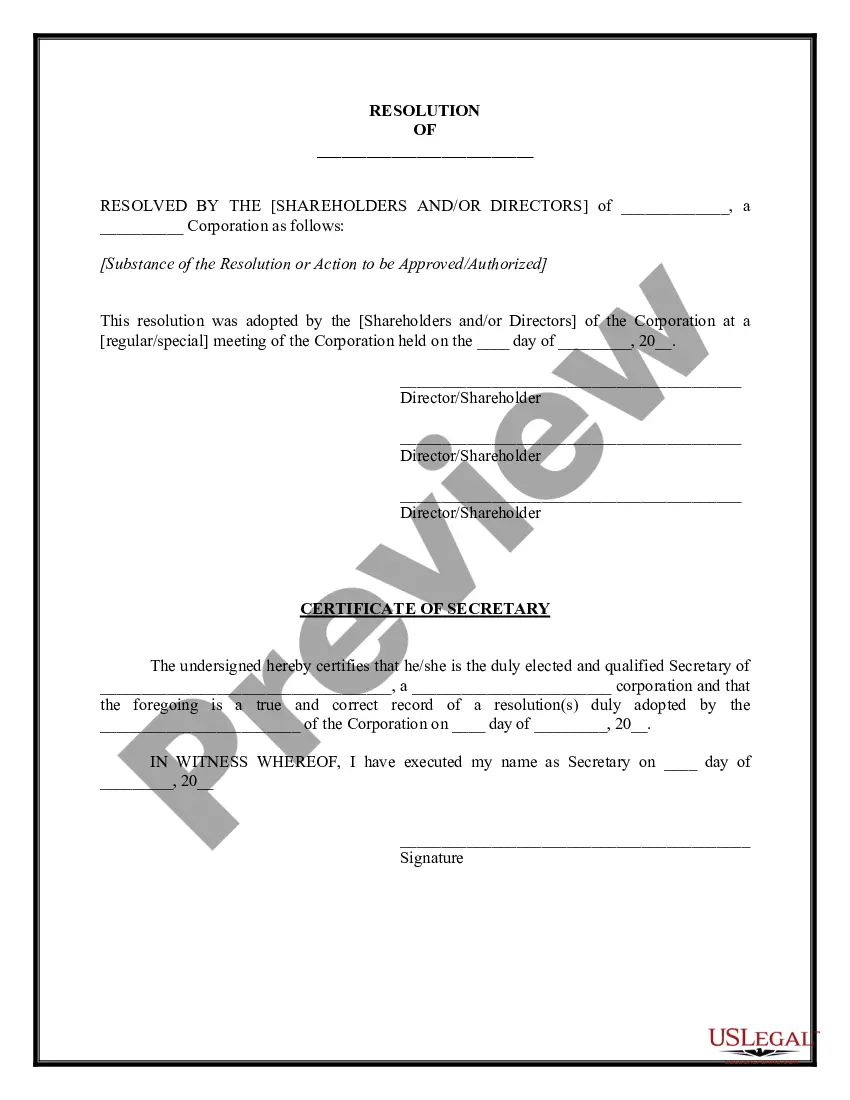

Form popularity
FAQ
Choosing a number depends on how big you expect your company to get and how much you think it will be worth. Most stocks at the IPO have about a $10 per share value. If you estimate your company's value to be $1 million at the IPO, then the number of authorized stocks should be 100,000.
However, if you think you'll sell or give away shares later, you should issue more when you set up your company. You will own them until the time comes to transfer them to new shareholders. Issuing shares in quantities of 10 is a popular option, while many companies choose to issue 100 or even 1000 shares.
Long-term capital gains taxes apply to investments held for at least one year. They are generally taxed at 0%,15%, and 20%, based on your taxable income and filing status. Short-term capital gains taxes are levied on investments held less than a year. The gains are added to your income and taxed from there.
In California, a corporation must authorize at least one share but may authorize any number. You, as the founder, can be the sole stockholder and own all authorized shares yourself, or you can issue shares to others who you desire to co-own the corporation.
While there is no magic number that suits every startup, many companies find that authorizing around 10 million shares strikes a good balance between flexibility, employee motivation, and attracting investors. This is the number investors typically expect to see.
Issued shares are a company's equity shares, held by investors and insiders and put in reserve for employee compensation. Unlike outstanding shares, issued shares factor in treasury shares—stock a company buys back from shareholders.
When the need arises, a majority of shareholders or the Board of Directors can vote in favor of allowing new shares. How Many Shares Should We Authorize? Regardless of your initial funding, a new startup's sweet spot is usually 10 million authorized shares.
Yes, it is possible to establish an S-corp as a one-person business. While traditionally S corporations are formed with multiple shareholders, the IRS allows a single individual to set up an S corporation. As an individual, you can be the sole shareholder, director, and employee of the S-corp.
