Best Cover Letter With Resume In Washington
Description



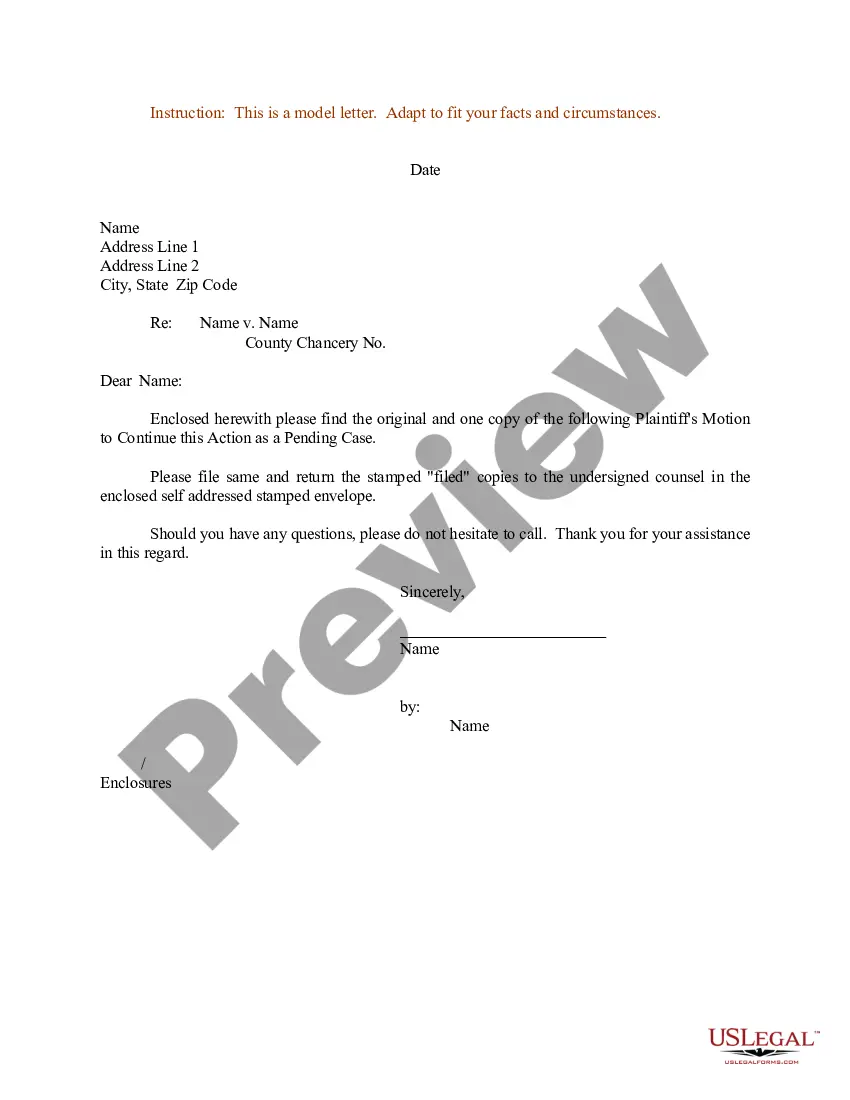
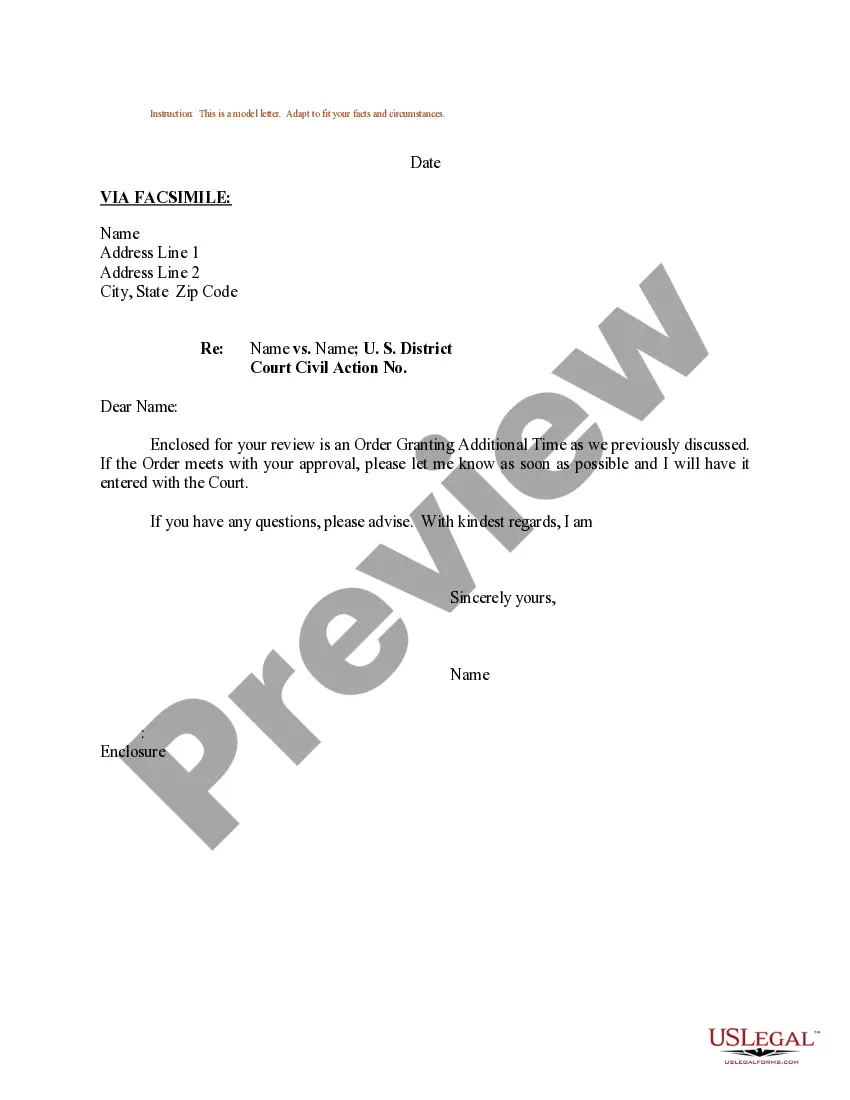
Get your form ready online
Our built-in tools help you complete, sign, share, and store your documents in one place.
Make edits, fill in missing information, and update formatting in US Legal Forms—just like you would in MS Word.
Download a copy, print it, send it by email, or mail it via USPS—whatever works best for your next step.
Sign and collect signatures with our SignNow integration. Send to multiple recipients, set reminders, and more. Go Premium to unlock E-Sign.
If this form requires notarization, complete it online through a secure video call—no need to meet a notary in person or wait for an appointment.
We protect your documents and personal data by following strict security and privacy standards.

Make edits, fill in missing information, and update formatting in US Legal Forms—just like you would in MS Word.

Download a copy, print it, send it by email, or mail it via USPS—whatever works best for your next step.

Sign and collect signatures with our SignNow integration. Send to multiple recipients, set reminders, and more. Go Premium to unlock E-Sign.

If this form requires notarization, complete it online through a secure video call—no need to meet a notary in person or wait for an appointment.

We protect your documents and personal data by following strict security and privacy standards.
Looking for another form?





Form popularity
FAQ
Short answer: yes, you should submit a cover letter alongside your resume. Here's why: Most job openings require you to submit a cover letter. Recruiters might not have the time to read ALL the cover letters they receive, but they will definitely read cover letters if they're on the fence for a candidate.
Your main two font choices should be Calibri and Arial – use the others if they work for your field. If your page count is too high due to a large font, consider different options.
The recruiter always read the cover letter first to find out information about you that might make you an eligible candidate for the job post and then proceed with your job resume.
Short answer: yes, you should submit a cover letter alongside your resume. Here's why: Most job openings require you to submit a cover letter. Recruiters might not have the time to read ALL the cover letters they receive, but they will definitely read cover letters if they're on the fence for a candidate.
Planning and Tone Tailor each cover letter to one specific position. Use industry jargon specific to your career field. Identify the employer's key words and use them. Make all statements positive. Show originality but not cuteness. Use action verbs and phrases. Sound determined and confident not desperate.
Short answer: yes, you should submit a cover letter alongside your resume. Here's why: Most job openings require you to submit a cover letter. Recruiters might not have the time to read ALL the cover letters they receive, but they will definitely read cover letters if they're on the fence for a candidate.
Recruiters expect you to have a well-written cover letter. It should be compelling and impressive but not a carbon copy of your resume. If you are applying for a specific company, you should highlight why you admire that company. Don't talk about your work history and skills when writing your cover letter.
The tried-and-true Rule of Three strategy Showcase your discernment by detailing three—and only three—key points in your cover letter. You want the reader to remain interested long enough to flip to your resume, and running through a laundry list of skill after skill is a surefire way to bore them quickly.
A cover letter should focus specifically on the job you're applying to. While some information might appear in both documents, a cover letter usually focuses more on present and future objectives, and a resume represents previous jobs and accomplishments.
It's time to tailor. Look for any opportunity to use the keywords—the specific words, as much as possible—throughout your resume. Do the same in your cover letter—look for opportunities to use keyword language in how you articulate your experience, skills, personal strengths, goals and passions.
