Legal Opinion
What this document covers
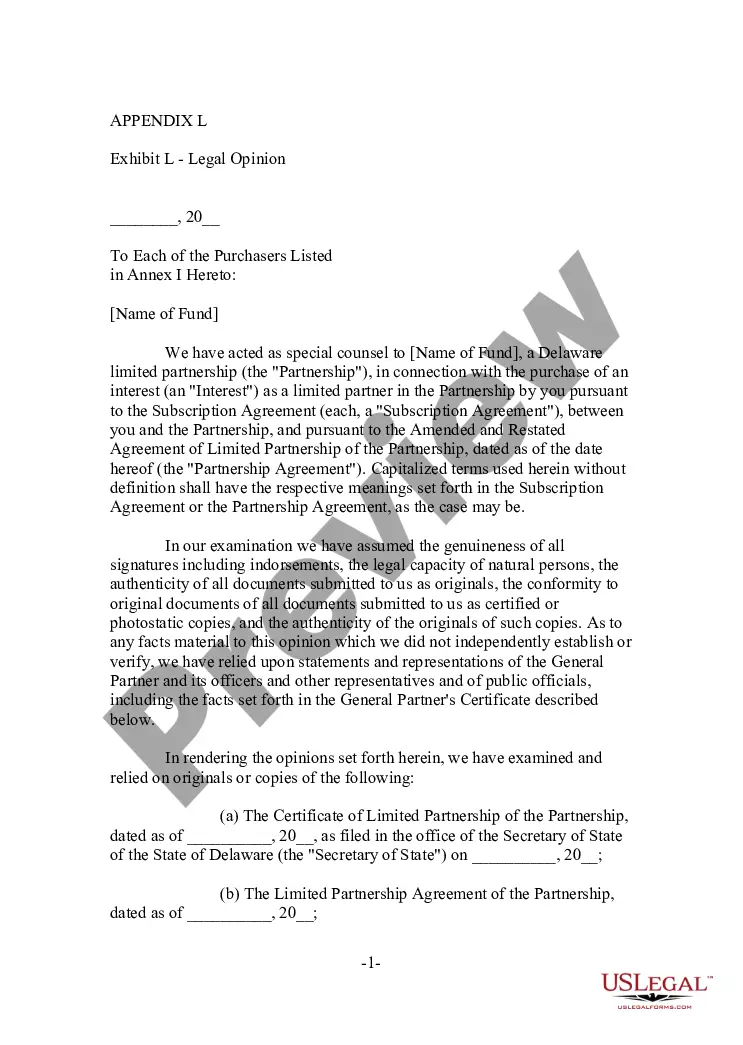
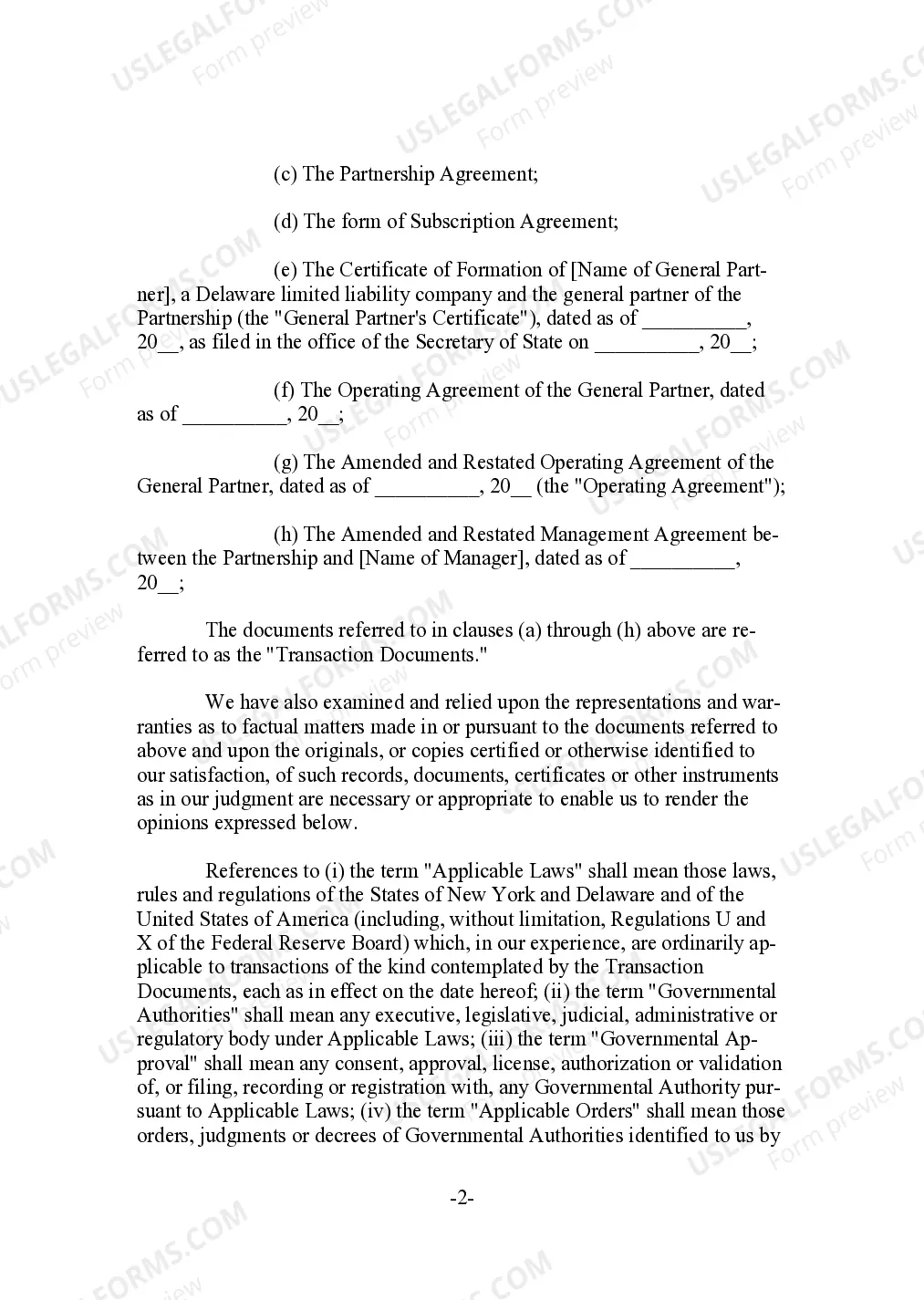
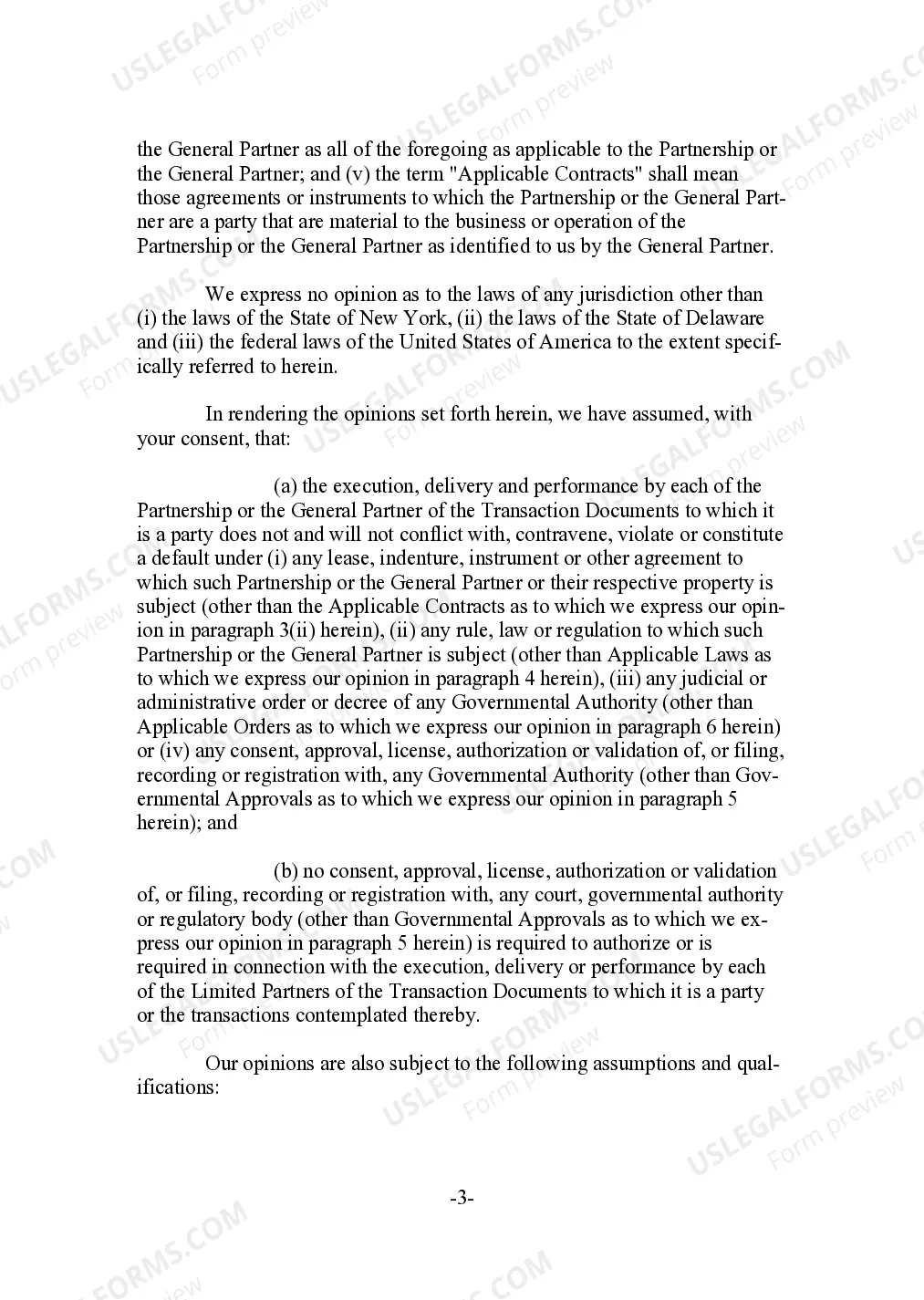
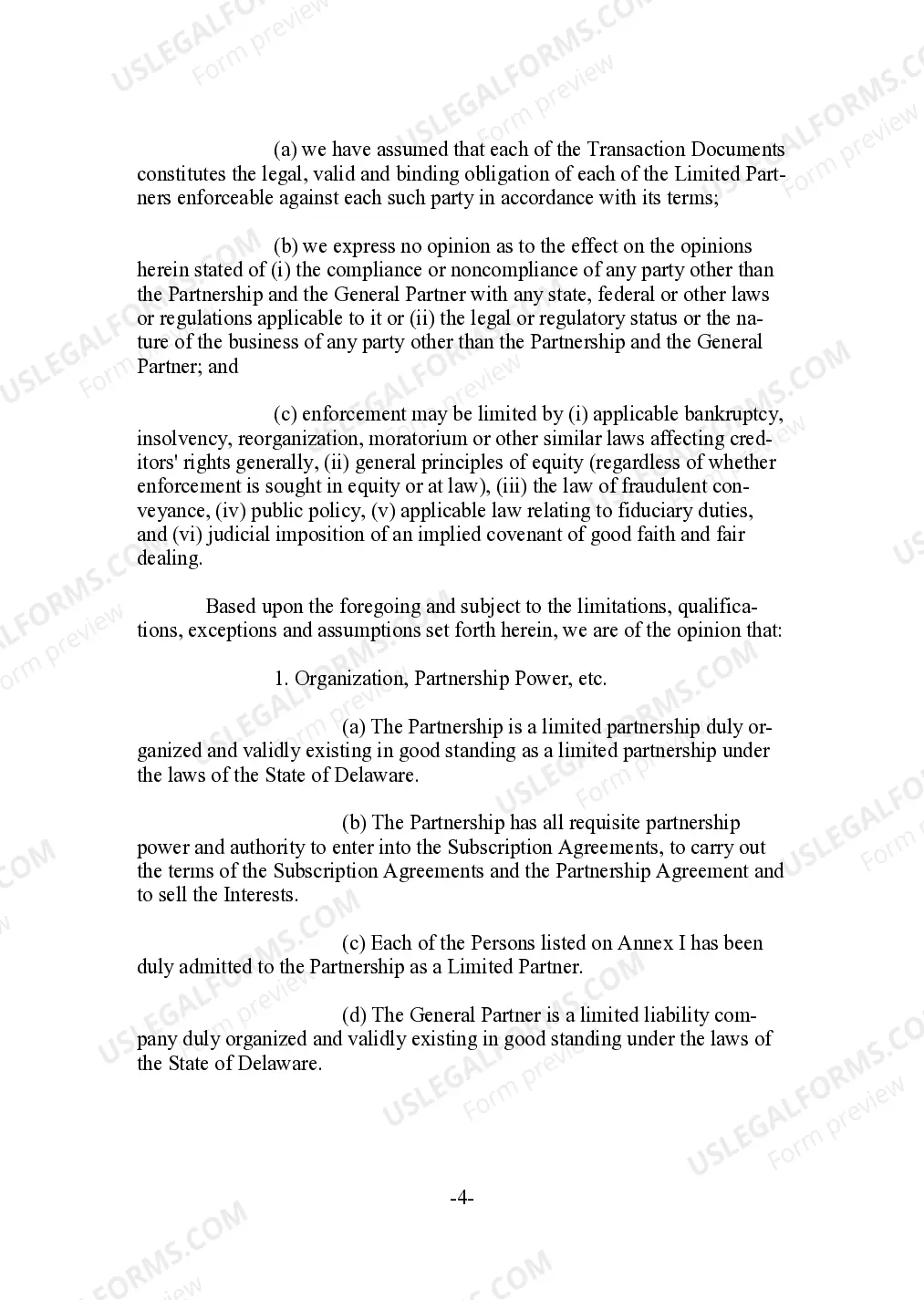
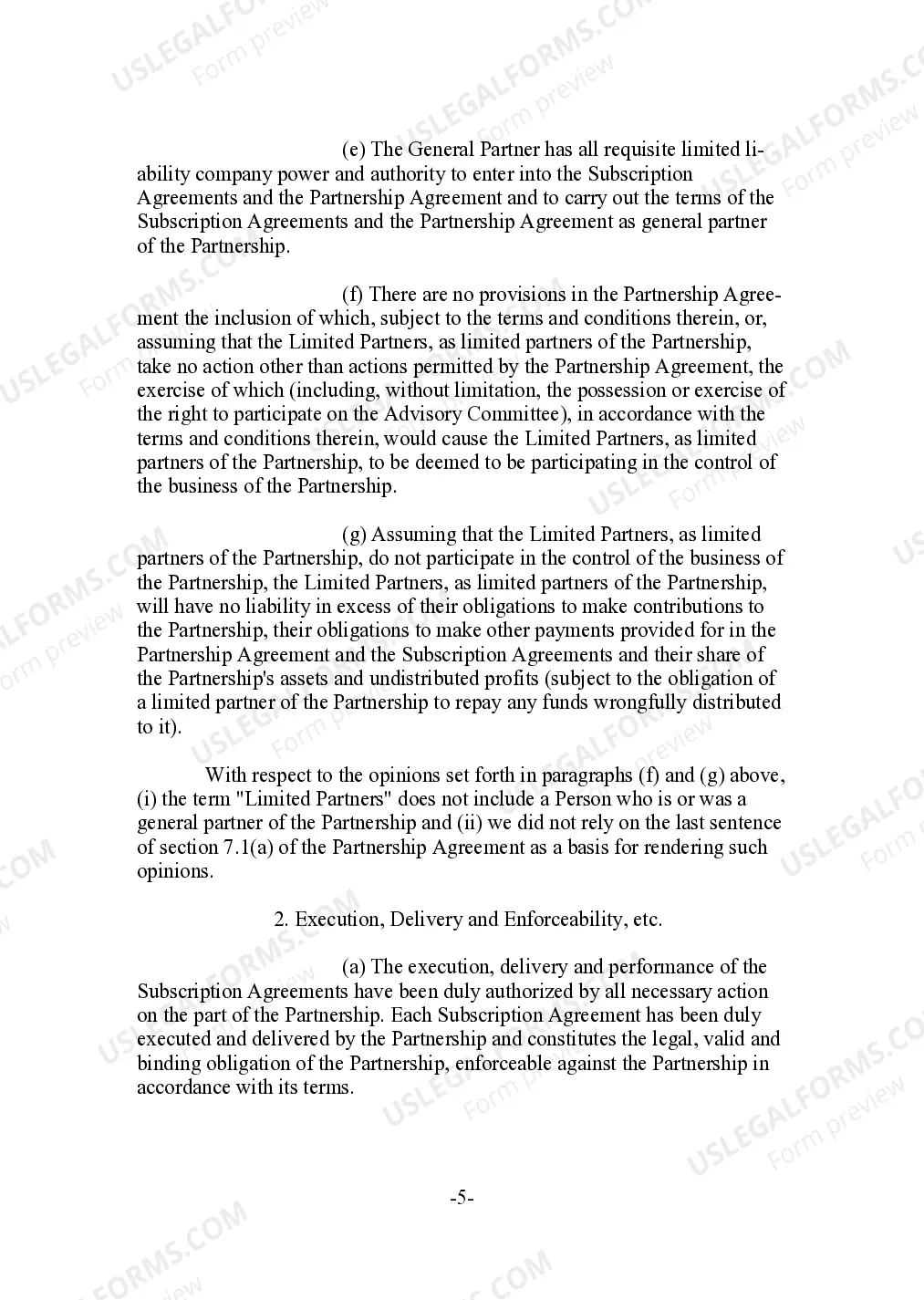
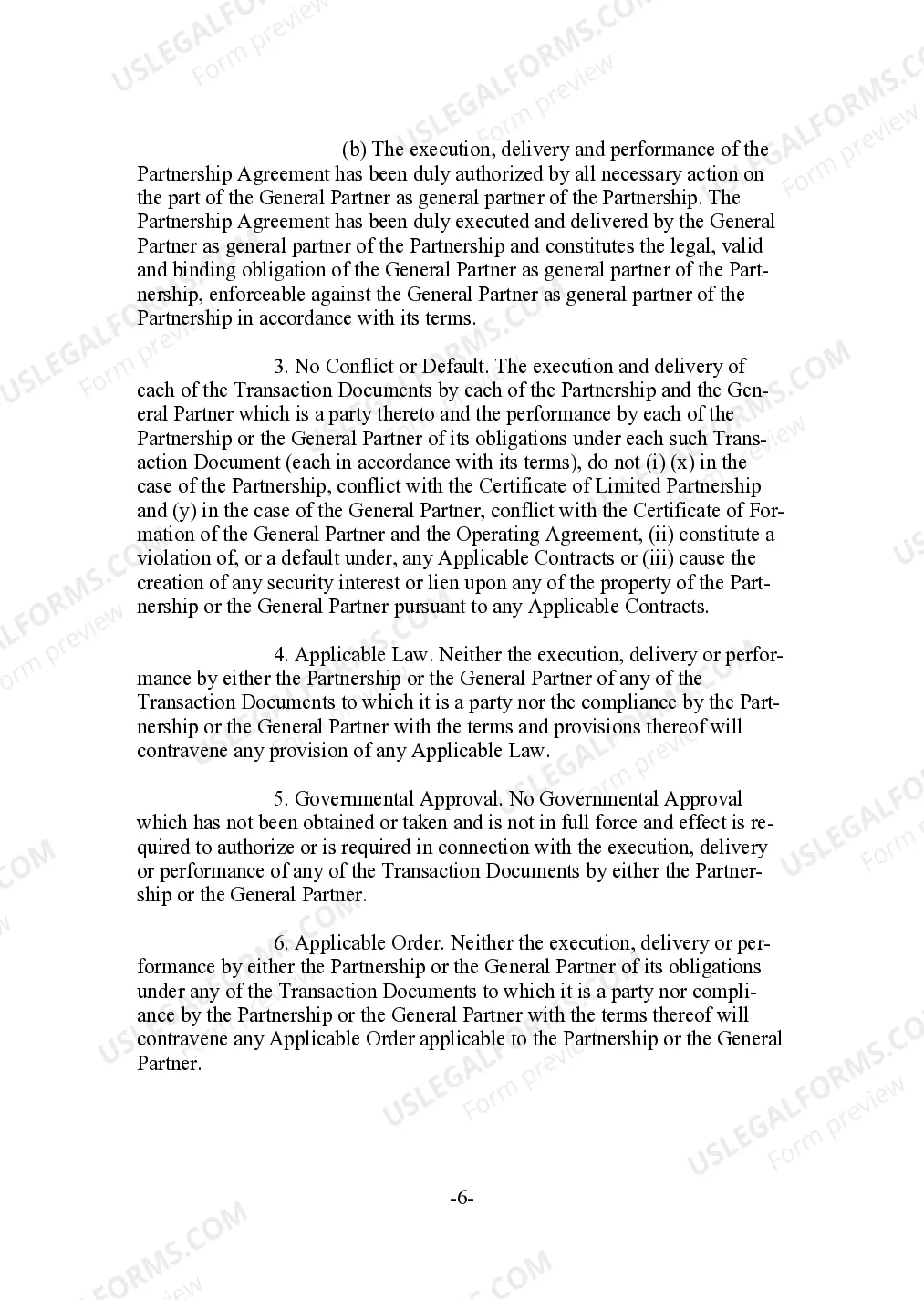
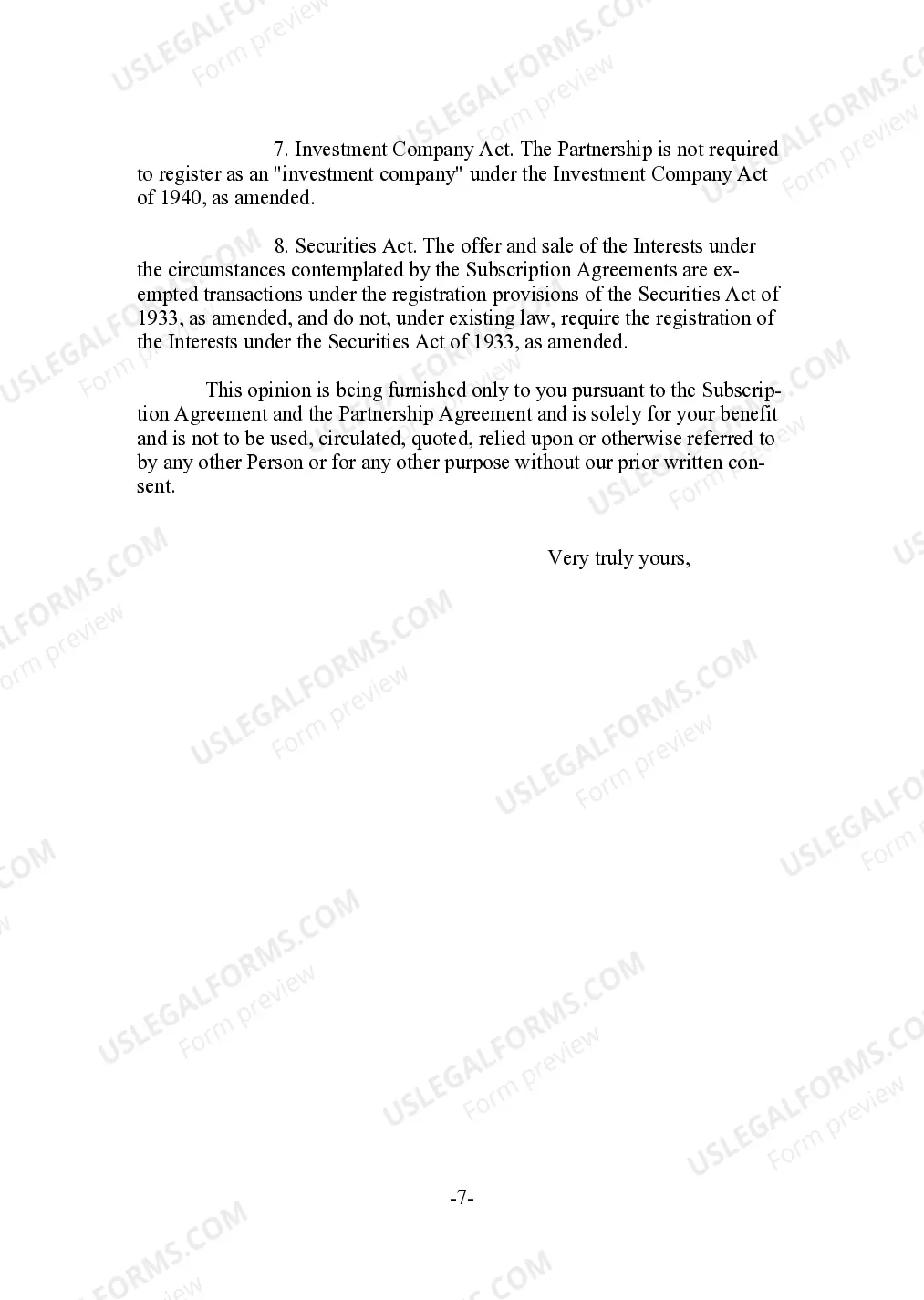
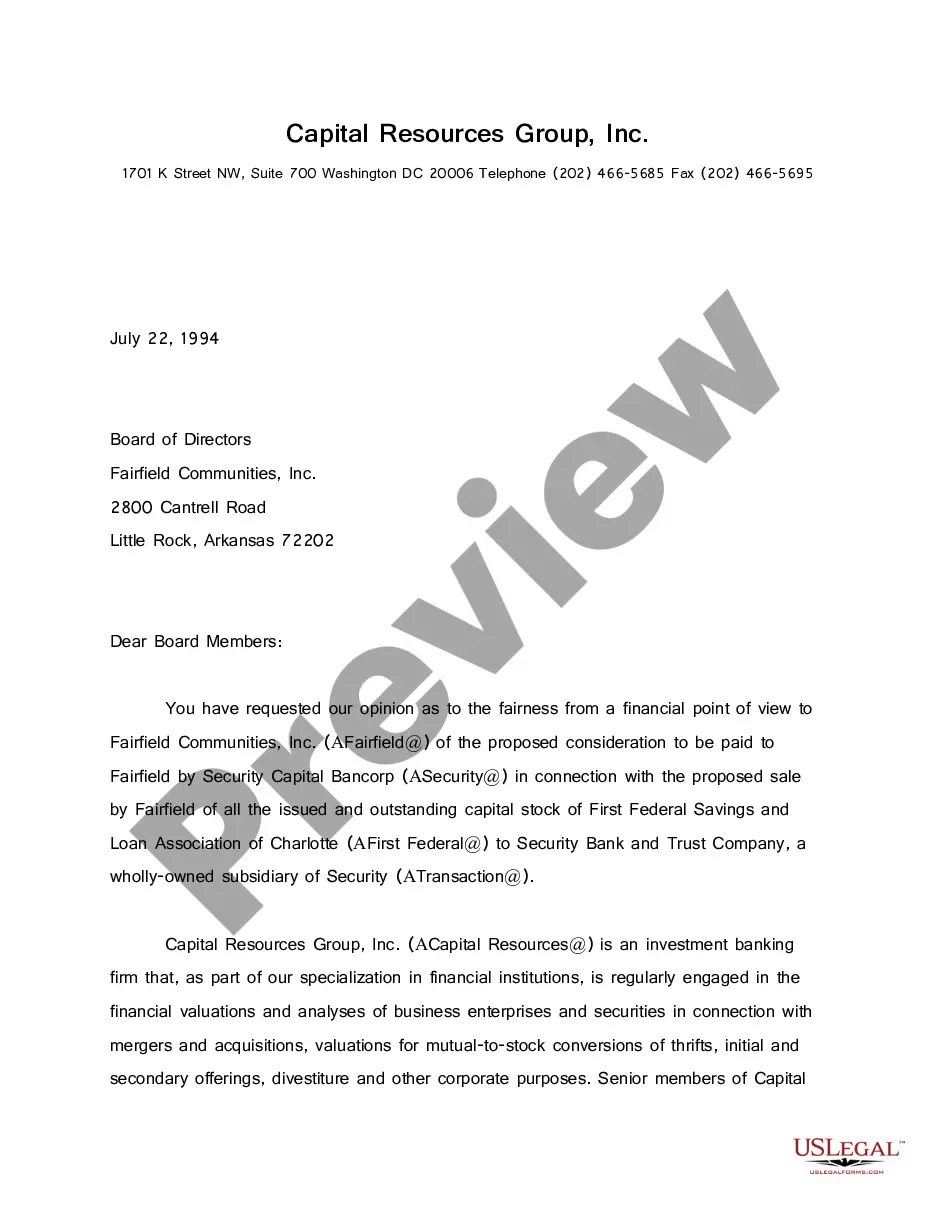
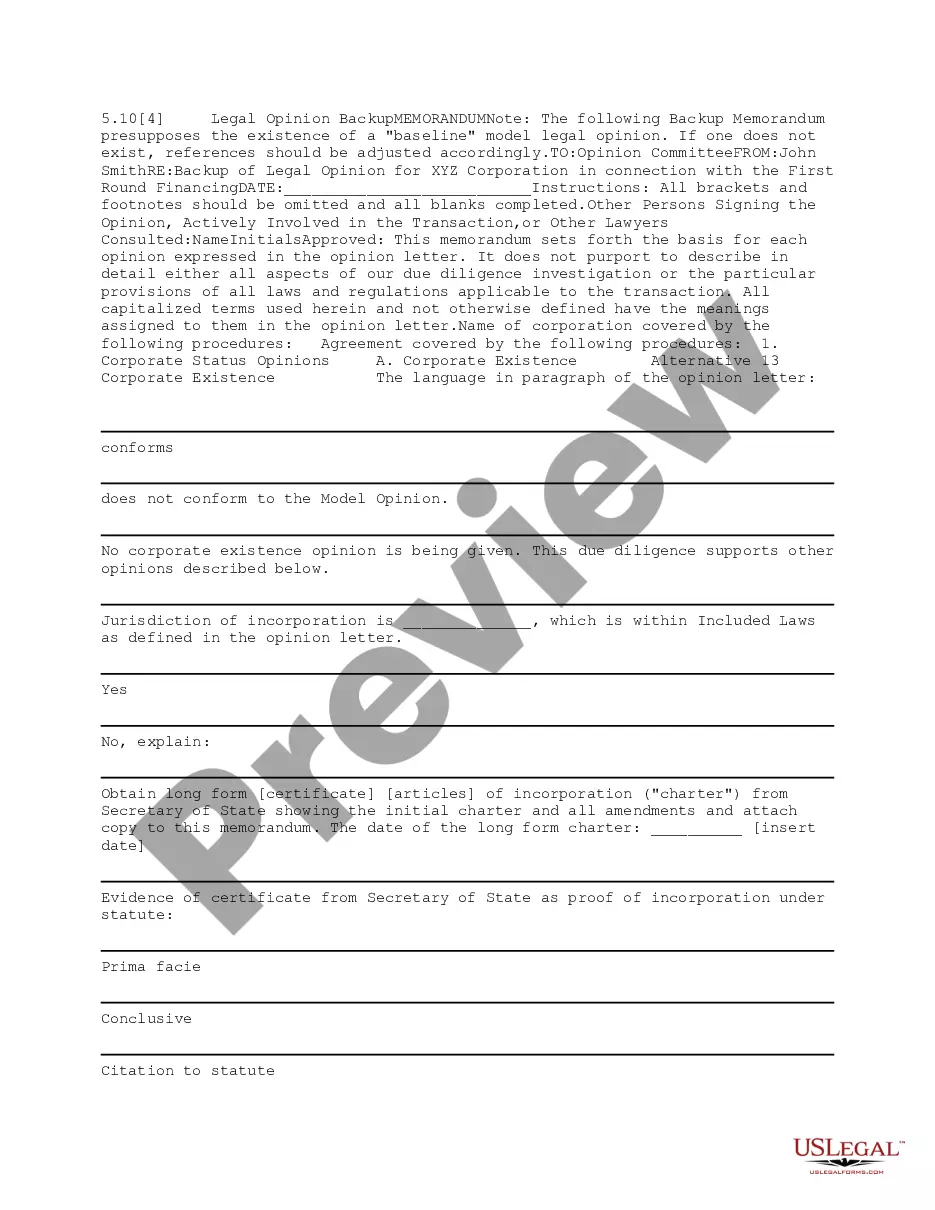
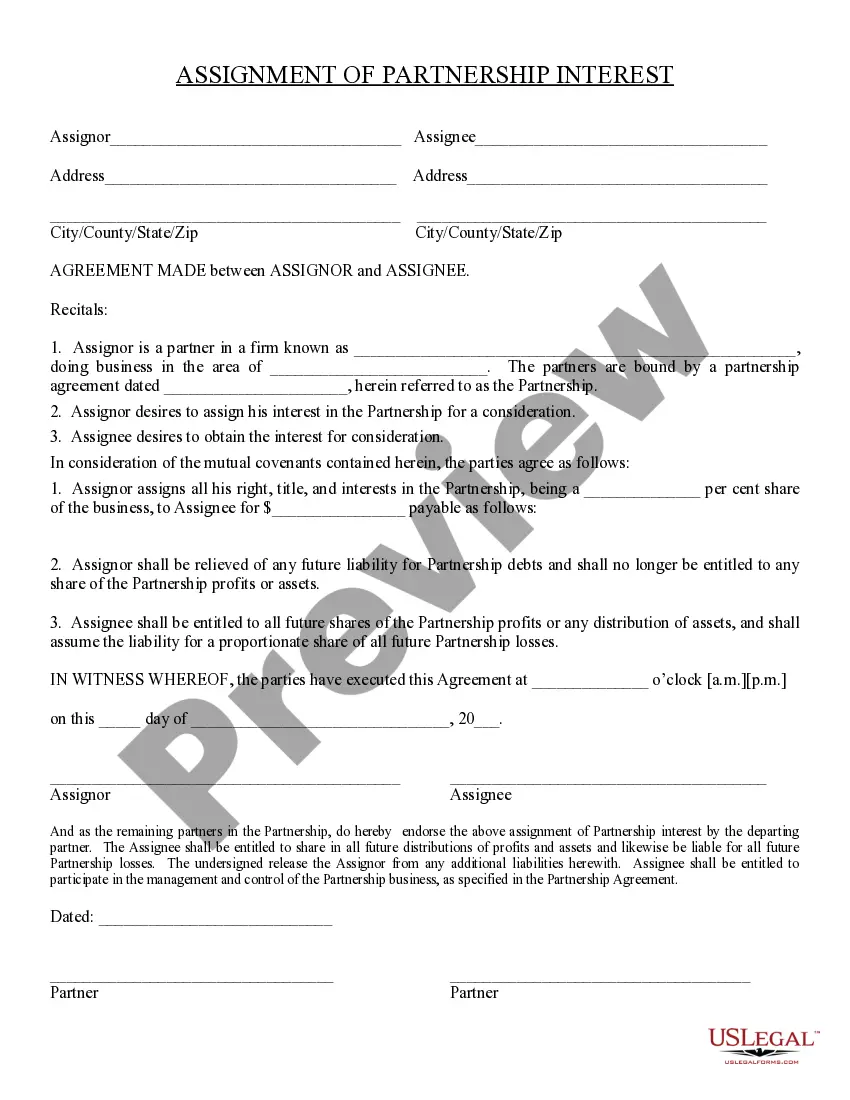
The Legal Opinion is a formal document that provides an assessment regarding the validity and legal standing of a partnership agreement. This form is essential for private equity transactions, ensuring that all parties involved understand the legal implications of their investments. Unlike other legal forms, the Legal Opinion offers a detailed analysis of pertinent legal frameworks and obligations, making it a crucial tool for both investors and partnership representatives.
Main sections of this form
- Identification of parties involved, including the partnership and limited partners.
- Assessment of the partnership's legal formation and authority to engage in the agreement.
- Statements regarding the need for governmental approvals and compliance with applicable laws.
- Conditions under which limited partners will have no additional liabilities beyond their contributions.
- Clarification on the enforceability of the Transaction Documents.
When this form is needed
This form should be used when a private equity firm or partnership seeks to document the legal opinions surrounding a partnership agreement. It is particularly relevant during investment transactions to assure investors of the compliance and validity of partnership structuring. This is critical for investors who require proof that all legal obligations and rights are in order before proceeding with their financial commitments.
Intended users of this form
This form is intended for:
- Private equity firms looking to secure investments.
- Limited partners who need to evaluate their legal standing and potential risks.
- Attorneys and legal advisors drafting the partnership agreements.
- Corporate representatives or decision-makers involved in investment transactions.
Steps to complete this form
- Identify the partnership and its general partner, including their legal formation details.
- Gather necessary documentation, such as the partnership agreement and subscription agreements.
- Review the representations and warranties relevant to the transaction.
- Ensure that all signatures and approvals are obtained from the relevant parties.
- Include a statement addressing any conflicts with existing contracts or laws.
Does this document require notarization?
Notarization is not commonly needed for this form. However, certain documents or local rules may make it necessary. Our notarization service, powered by Notarize, allows you to finalize it securely online anytime, day or night.
Get your form ready online
Our built-in tools help you complete, sign, share, and store your documents in one place.
Make edits, fill in missing information, and update formatting in US Legal Forms—just like you would in MS Word.
Download a copy, print it, send it by email, or mail it via USPS—whatever works best for your next step.
Sign and collect signatures with our SignNow integration. Send to multiple recipients, set reminders, and more. Go Premium to unlock E-Sign.
If this form requires notarization, complete it online through a secure video call—no need to meet a notary in person or wait for an appointment.
We protect your documents and personal data by following strict security and privacy standards.

Make edits, fill in missing information, and update formatting in US Legal Forms—just like you would in MS Word.

Download a copy, print it, send it by email, or mail it via USPS—whatever works best for your next step.

Sign and collect signatures with our SignNow integration. Send to multiple recipients, set reminders, and more. Go Premium to unlock E-Sign.

If this form requires notarization, complete it online through a secure video call—no need to meet a notary in person or wait for an appointment.

We protect your documents and personal data by following strict security and privacy standards.
Avoid these common issues
- Failing to obtain all necessary documentation before drafting the Legal Opinion.
- Not verifying the current status of the partnership with the Secretary of State.
- Overlooking the need for a thorough review of applicable laws.
- Neglecting to confirm that all parties involved have properly executed the documents.
Why complete this form online
- Access to expert-drafted templates ensures legal compliance.
- Convenient download in Word format for easy editing and personalization.
- Time-saving process compared to drafting from scratch.
- Availability of the form allows for immediate procurement when needed.
Looking for another form?
Form popularity
FAQ
It points to the key difference between a legal opinion and legal advicei.e., that a legal opinion is an attorney's analysis based on past or present facts, while legal advice is an attorney's counsel and guidance as to what future actions the client should take.
A legal opinion letter is a formal letter by an attorney verifying the legal status of a person or entity.At Tsang & Associates, we can provide a legal opinion letter for persons or entities in the state of California.
The main purposes of a legal opinion are: to state conclusions of law as to the ability of a party to enter into and perform its obligations under an agreement; to inform the addressee of the legal opinion of the legal effect of an agreement; and.
A legal opinion is a written statement by a judicial officer, legal expert or a court as to the illegibility or legibility of a condition, intendant or action.Professional understanding of the issue relies on the law at the date of writing.
The Legal Opinion The purpose of a legal opinion in a transaction is to provide an additional layer of assurance to the party receiving the opinion.When borrower's counsel gives a legal opinion to the lender, the lender is entitled to rely on it even though the borrower's counsel does not represent the lender.
An evaluation or judgment given by an expert. a medical opinion. 5. the advice given by a barrister or counsel on a case submitted to him or her for a view on the legal points involved.
It is important to note that the legal opinion can only be relied on by the addressee and will contain a statement to the effect that it has been prepared solely for the benefit of the addressee and cannot be relied on by anyone else.