Best Cover Letter For Cv In Pennsylvania
Description

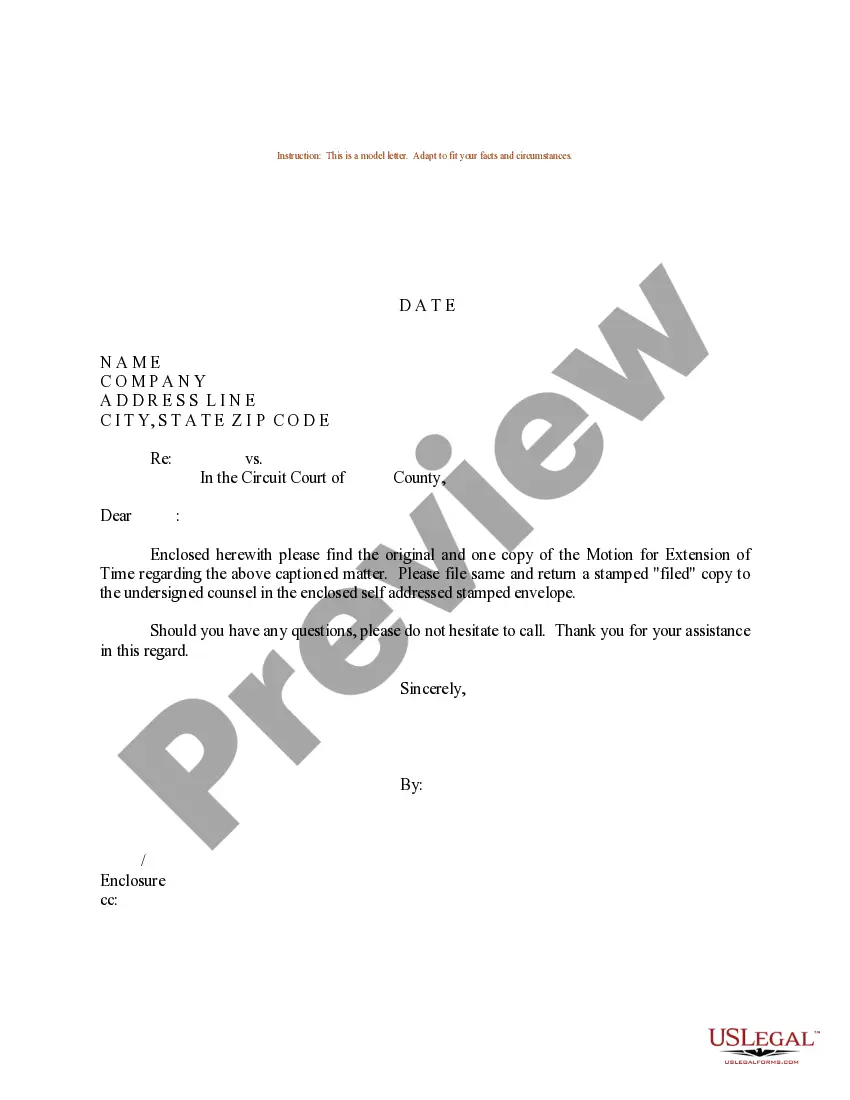
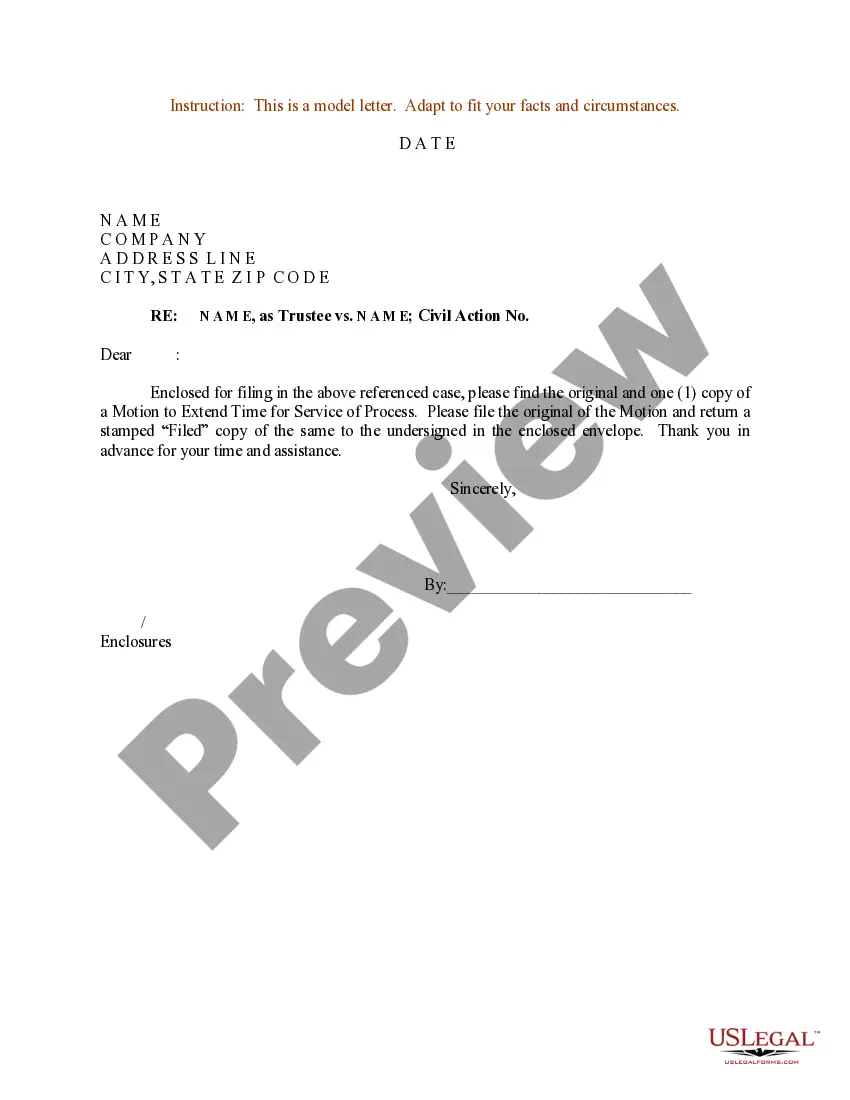
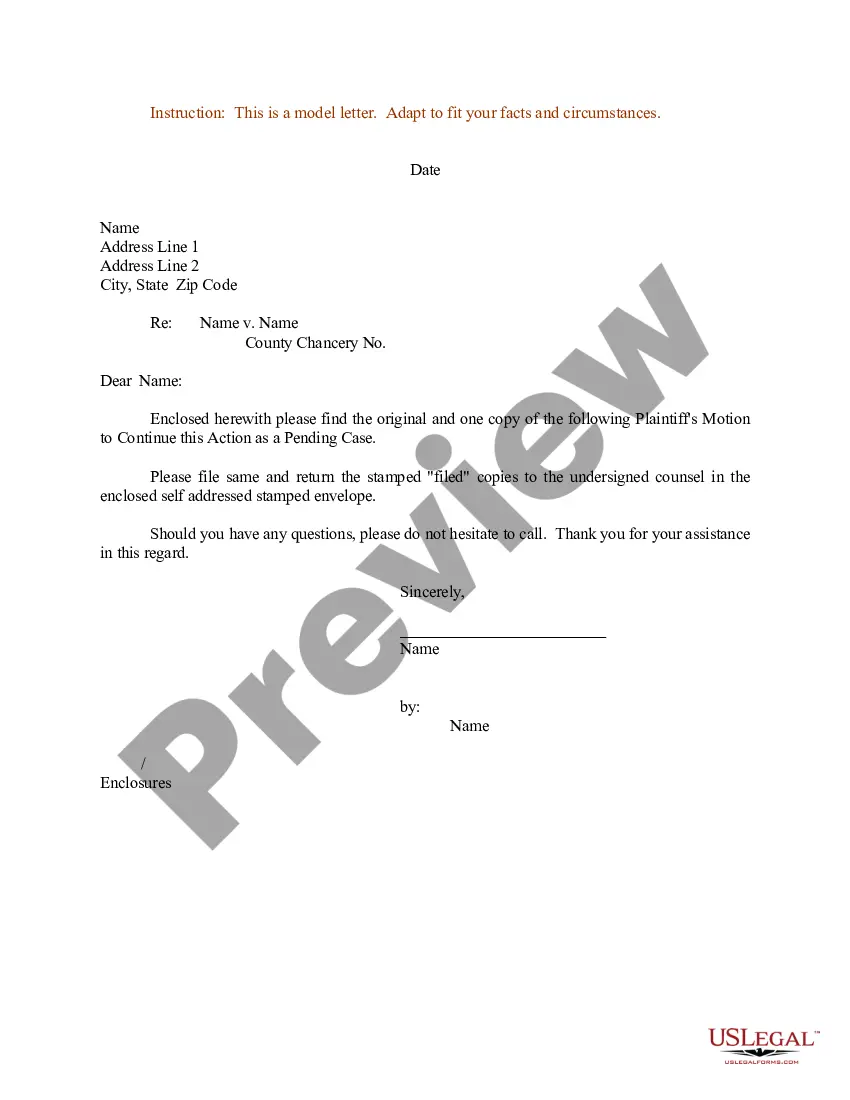
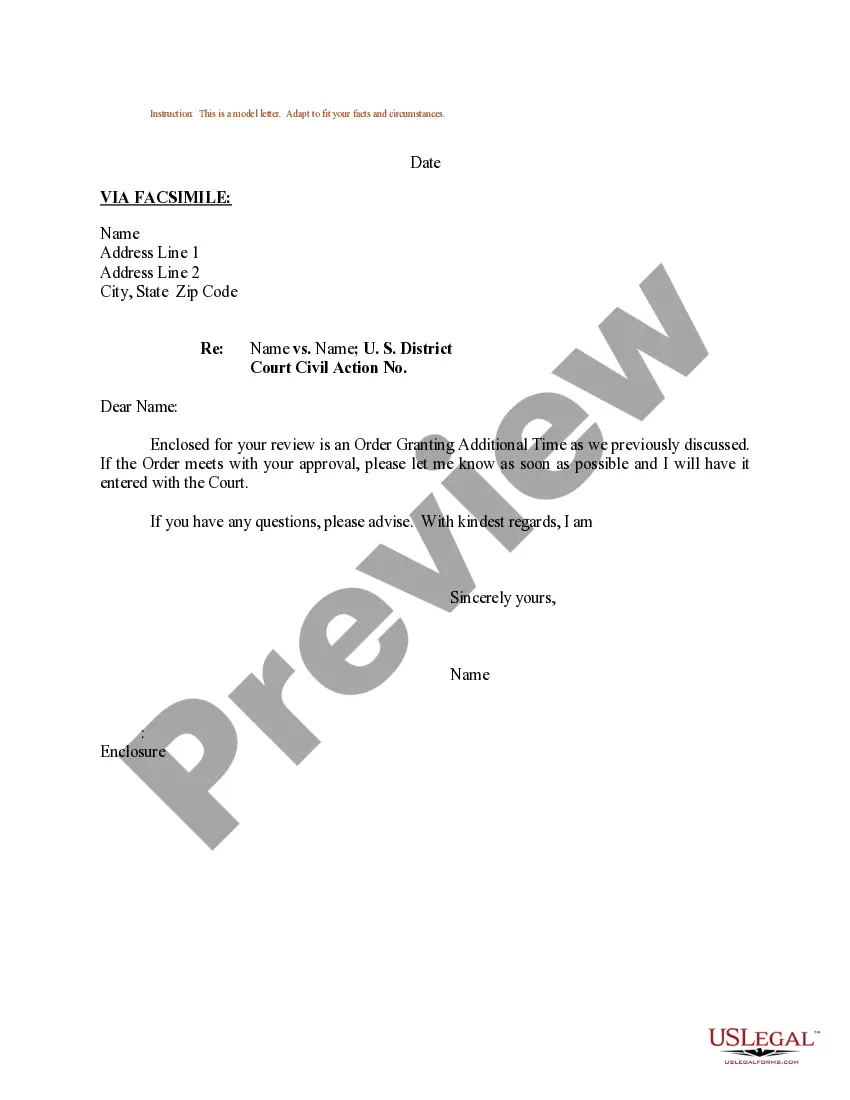
Get your form ready online
Our built-in tools help you complete, sign, share, and store your documents in one place.
Make edits, fill in missing information, and update formatting in US Legal Forms—just like you would in MS Word.
Download a copy, print it, send it by email, or mail it via USPS—whatever works best for your next step.
Sign and collect signatures with our SignNow integration. Send to multiple recipients, set reminders, and more. Go Premium to unlock E-Sign.
If this form requires notarization, complete it online through a secure video call—no need to meet a notary in person or wait for an appointment.
We protect your documents and personal data by following strict security and privacy standards.

Make edits, fill in missing information, and update formatting in US Legal Forms—just like you would in MS Word.

Download a copy, print it, send it by email, or mail it via USPS—whatever works best for your next step.

Sign and collect signatures with our SignNow integration. Send to multiple recipients, set reminders, and more. Go Premium to unlock E-Sign.

If this form requires notarization, complete it online through a secure video call—no need to meet a notary in person or wait for an appointment.

We protect your documents and personal data by following strict security and privacy standards.
Looking for another form?


Form popularity
FAQ
Usually, when you are sending your CV out, you would want to include some short paragraphs to complement it and make your desire for the job even stronger in the eyes of the hiring manager. For that purpose, we have the cover letter, which is the second most important document in your application, after the CV.
It's generally preferred to submit the cover letter and CV as separate documents, allowing each to be reviewed independently. This ensures clarity and makes it easier for recruiters to navigate your application materials. For more advice on job application etiquette, check out my Quora Profile.
While a CV and cover letter go hand in hand for a job application , a CV is a detailed listing of your academic and professional qualifications. On the other hand, a cover letter is a concise text that explains why you're applying for the job and why you would be perfect for it.
Cover letter first, generally.
Writing a Stand-Out Cover Letter Start fresh for each position you're applying to. Address your letter to a real person. Adopt a positive mindset. Grab attention with your opening line. Explain why you're the best candidate. Show them why you want THIS job. Finish strong. Sit on it.
Introduce yourself in the opening paragraph and explain your interest in the role. Body. Elaborate on why you're the best candidate for the job and a good match for the company. Focus on “selling” your skills, achievements, and relevant professional experiences.
While a CV or resumé provides an in-depth look at your career, a cover letter adds a personal touch. It allows you to explain your interest in the position and how you meet the criteria listed in the job description. Together, they present a full picture of your professional abilities and enthusiasm for the role.
How to write a personal assistant cover letter Address the letter. Address the cover letter to the employer or hiring manager named on the job posting directly. Provide a brief introduction. Demonstrate your relevant training and experience. Highlight relevant skills. Describe your most recent job.
Greet the recipient by name in the email and inform them who you are and why you're sending them your CV. Close the email politely and give your full name. Use the 'attach' button in your email's interface to select and upload your CV document and cover letter. Check everything is in order before sending.
How to combine a cover letter and resume into one document Determine which document to add first. Revise and review both documents. Open a new document. Insert each document into the new file. Create a page break. Confirm in an email.

