Letter Template Examples In Nassau
Description



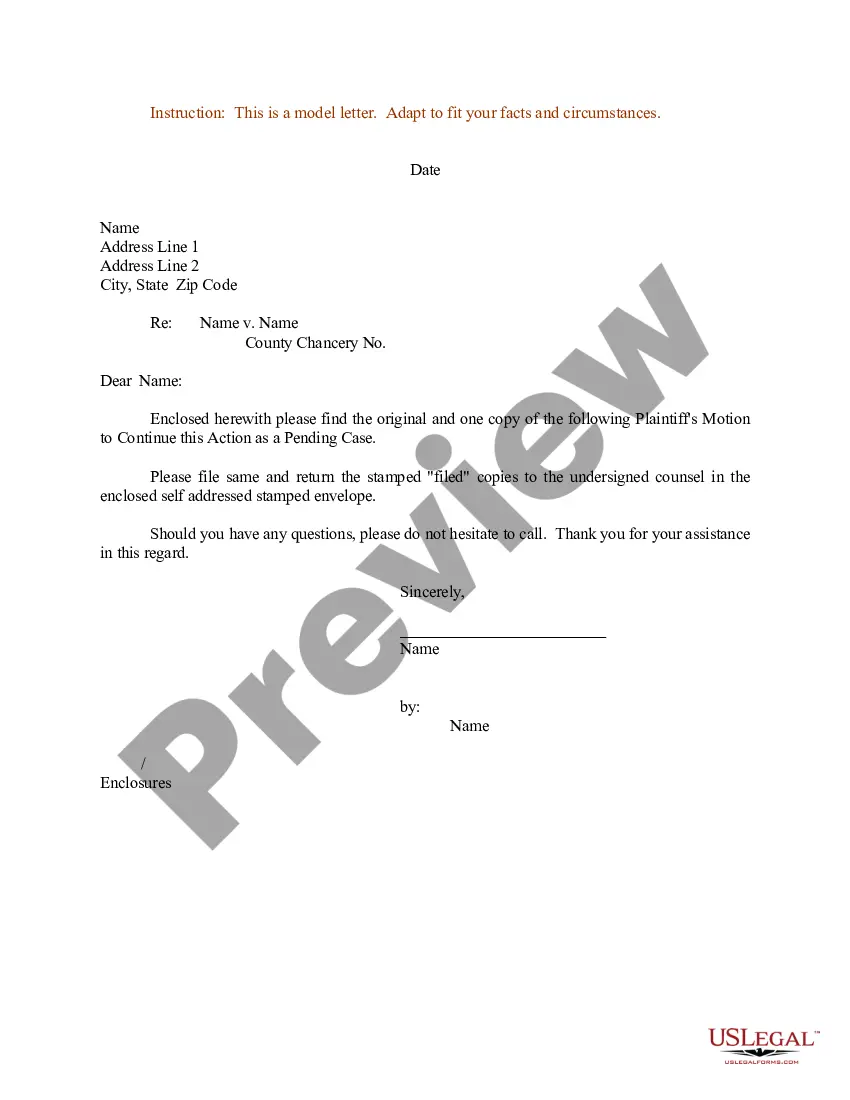
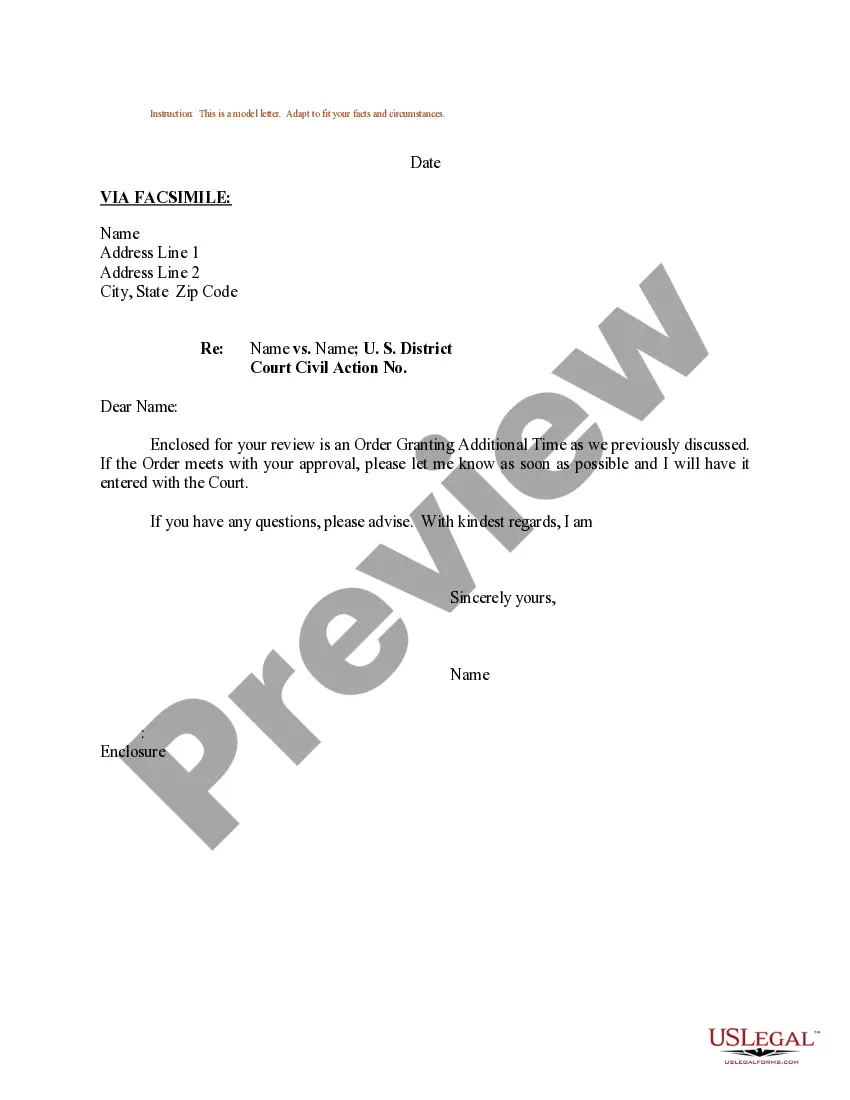
Get your form ready online
Our built-in tools help you complete, sign, share, and store your documents in one place.
Make edits, fill in missing information, and update formatting in US Legal Forms—just like you would in MS Word.
Download a copy, print it, send it by email, or mail it via USPS—whatever works best for your next step.
Sign and collect signatures with our SignNow integration. Send to multiple recipients, set reminders, and more. Go Premium to unlock E-Sign.
If this form requires notarization, complete it online through a secure video call—no need to meet a notary in person or wait for an appointment.
We protect your documents and personal data by following strict security and privacy standards.

Make edits, fill in missing information, and update formatting in US Legal Forms—just like you would in MS Word.

Download a copy, print it, send it by email, or mail it via USPS—whatever works best for your next step.

Sign and collect signatures with our SignNow integration. Send to multiple recipients, set reminders, and more. Go Premium to unlock E-Sign.

If this form requires notarization, complete it online through a secure video call—no need to meet a notary in person or wait for an appointment.

We protect your documents and personal data by following strict security and privacy standards.
Looking for another form?
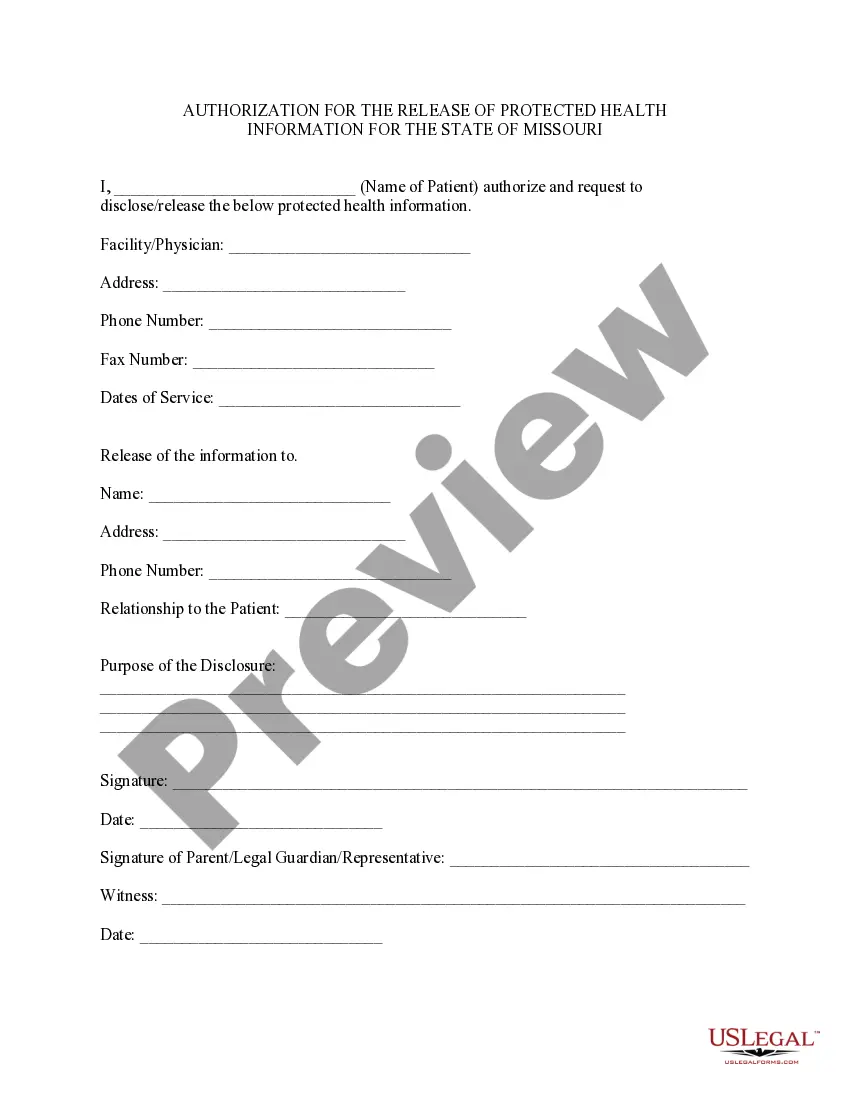
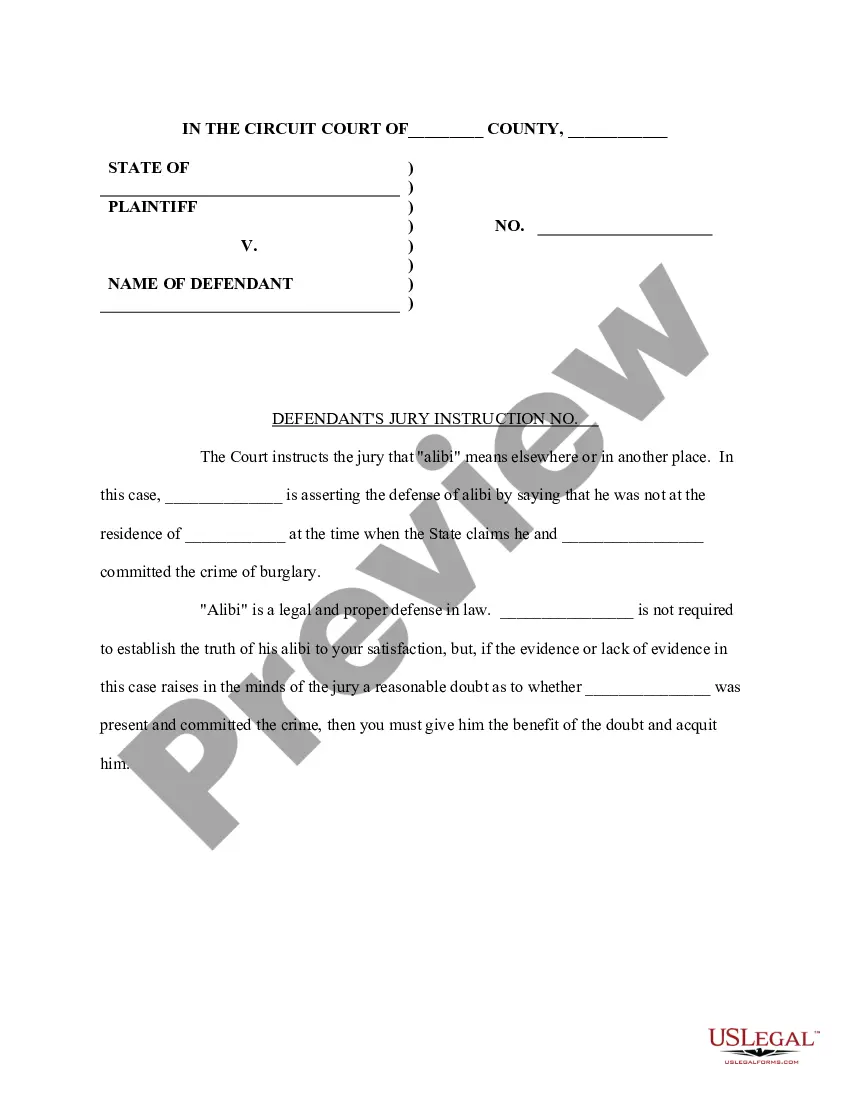




Form popularity
FAQ
Most business letters must include a return address (letterhead or your name and address), date, an inside address (receiver's name and address), a salutation, body paragraphs, and a closing.
Cover letters are comprised of at least 3 – 4 paragraphs and should be written in a manner that highlights the skills, abilities and accomplishments listed on your résumé. Additionally, the overall tone of your cover letter should be conversational and professional while relaying your enthusiasm for the organization.
I will be retiring at the end of this school year. {Date} will be my official last working day. I cherish my time spent at {name of school} as a {specialization in teaching} for the last {number of years}. I remember very well the time when the school administration assisted me during a difficult school year.
Dear First Name Last Name or Hiring Manager: I am writing to apply for your position in wine wholesale as advertised on Handshake. This exciting opportunity appears to be a wonderful fit with my professional experience, personal interests, and career goals.
When you don't know how to address the hiring manager by name, use 'Dear Hiring Manager. ' I would avoid Sir/Madam because you don't know the hiring manager's pronouns. Usually, the team doesn't read the cover letter. It's addressed to the hiring manager or recruiter based on the situation.
Cover letters typically take the following structure: Introduction (1st paragraph) State clearly in your opening sentence the purpose for your letter and a brief professional introduction. Body (2-3 paragraphs) ... Closing (last paragraph)
A traditional cover letter should typically be one page long, consisting of 3-4 concise paragraphs. Aim for about 250-400 words. This length allows you to introduce yourself, highlight your most relevant qualifications, express your interest in the position, and close with a call to action.
A cover letter usually is three paragraphs long and outlines why you are applying for a specific position, a brief overview of your professional background and what makes you uniquely qualified for the job.
Some jobs have specific instructions - such as which font and template to use - to verify that the candidate has read the application in full. If you're wondering how to format your cover letter, we recommend using either Microsoft Word or a PDF.
Here's a breakdown of how a cover letter should be structured: Add your name and contact information to the header. Open with a salutation. Write a compelling introduction. Elaborate on your achievements in the body paragraph(s) ... Conclude with a call to action. End with a professional sign-off.

