Exemption Form Homestead Withholding In Alameda
Description





Get your form ready online
Our built-in tools help you complete, sign, share, and store your documents in one place.
Make edits, fill in missing information, and update formatting in US Legal Forms—just like you would in MS Word.
Download a copy, print it, send it by email, or mail it via USPS—whatever works best for your next step.
Sign and collect signatures with our SignNow integration. Send to multiple recipients, set reminders, and more. Go Premium to unlock E-Sign.
If this form requires notarization, complete it online through a secure video call—no need to meet a notary in person or wait for an appointment.
We protect your documents and personal data by following strict security and privacy standards.

Make edits, fill in missing information, and update formatting in US Legal Forms—just like you would in MS Word.

Download a copy, print it, send it by email, or mail it via USPS—whatever works best for your next step.

Sign and collect signatures with our SignNow integration. Send to multiple recipients, set reminders, and more. Go Premium to unlock E-Sign.

If this form requires notarization, complete it online through a secure video call—no need to meet a notary in person or wait for an appointment.

We protect your documents and personal data by following strict security and privacy standards.
Looking for another form?
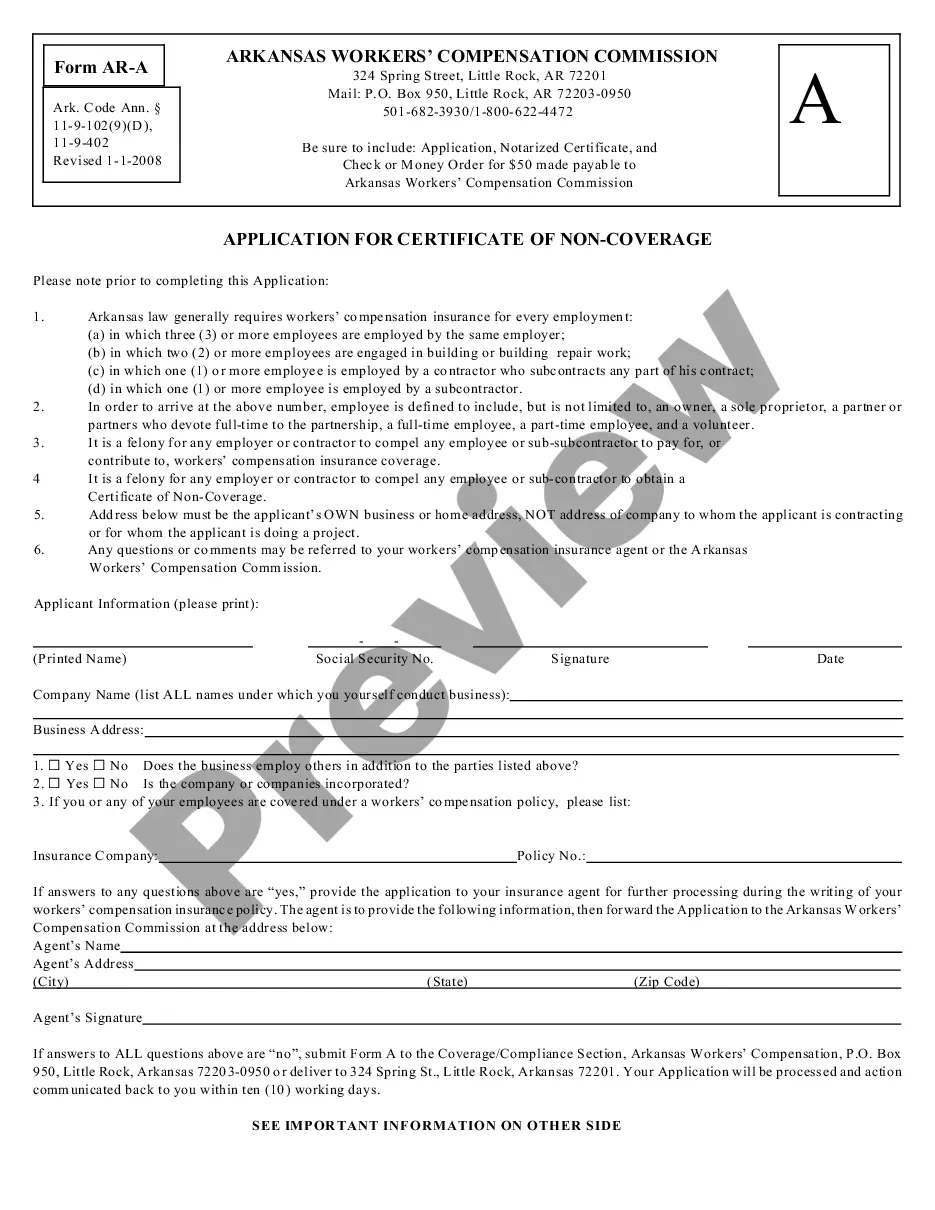


Form popularity
FAQ
There are 2 ways to get tax-exempt status in California: Exemption Application (Form 3500) Download the form. Determine your exemption type , complete, print, and mail your application. Submission of Exemption Request (Form 3500A) If you have a federal determination letter:
Eligibility Requirements: Homeowners must be age 55 or better (For married couples, only one spouse must be 55 or better to qualify.) Homeowners must have sold their former residence within 2 years of purchasing the replacement property. Both the former and replacement properties must be the owner's primary residence.
There are 2 ways to get tax-exempt status in California: Exemption Application (Form 3500) Download the form. Determine your exemption type , complete, print, and mail your application. Submission of Exemption Request (Form 3500A) If you have a federal determination letter:
New applications for Homestead Exemptions may be filed online or in person, at the Property Appraiser's office between January 1 and March 1, with one exception. Florida law allows new Homestead applications only to be filed prior to January 1 of the year the exemption is to be effective.
New applications for Homestead Exemptions may be filed online or in person, at the Property Appraiser's office between January 1 and March 1, with one exception. Florida law allows new Homestead applications only to be filed prior to January 1 of the year the exemption is to be effective.
Currently, the California homestead exemption is automatic, meaning that a homestead declaration does not need to be filed with the county clerk. Under the new 2021 law, $300,000–$600,000 of a home's equity cannot be touched by judgment creditors.
Complete form BOE-266, Claim for Homeowners' Property Tax Exemption. Obtain the claim form from the County Assessor's office where the property is located. Submit the completed form to the same office.
Obtain the claim form from the County Assessor's office where the property is located. Submit the completed form to the same office. Once the exemption has been granted, it remains effective until a change in eligibility occurs, such as selling or moving out of the home. Annual filing is not required.
You must occupy the dwelling as your principal residence as of January 1 of each year to qualify for the Homeowners' Exemption for that year.
It provides a legal shield against creditors, preserves your home equity, and offers peace of mind in an unpredictable world.

