Notice For Discovery And Inspection In Ohio
Description

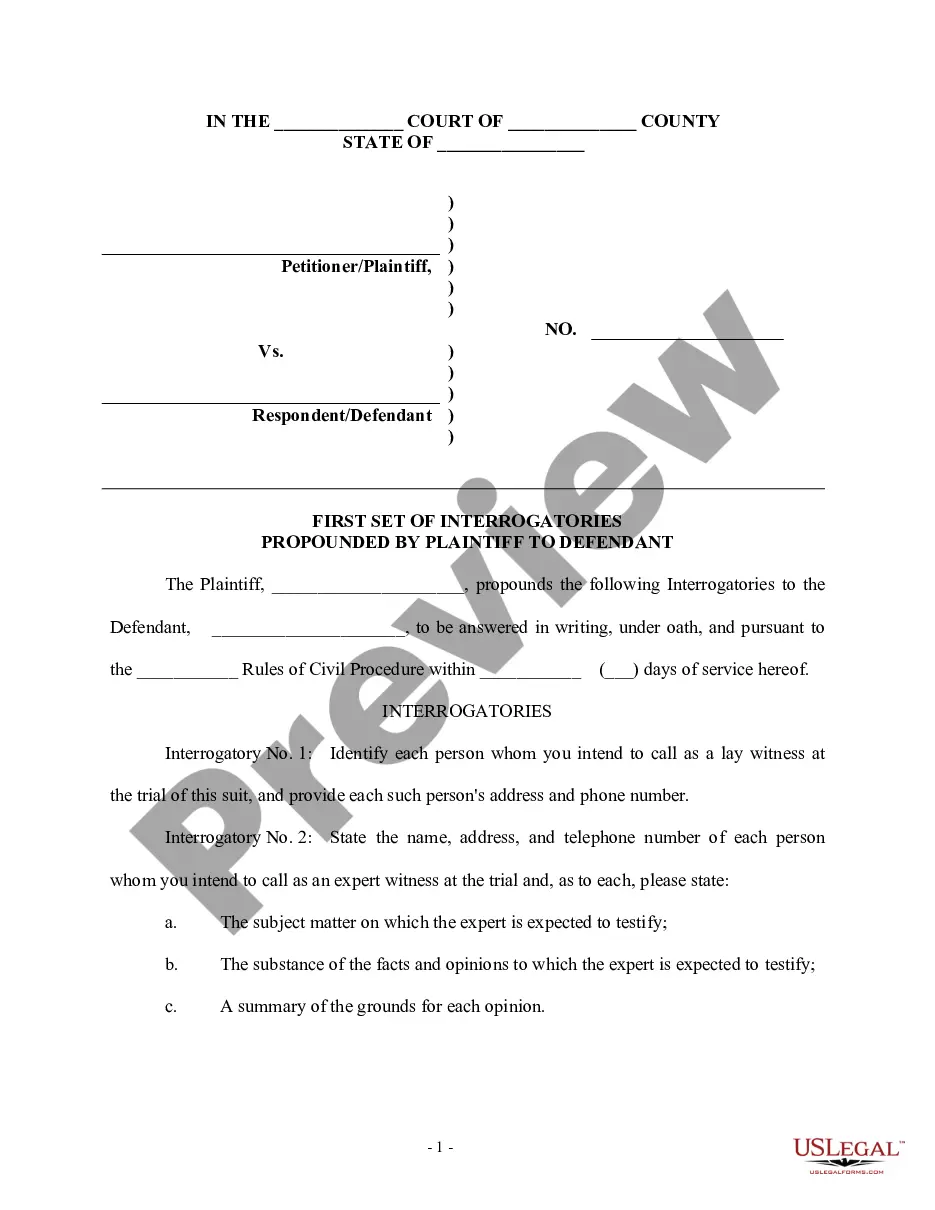

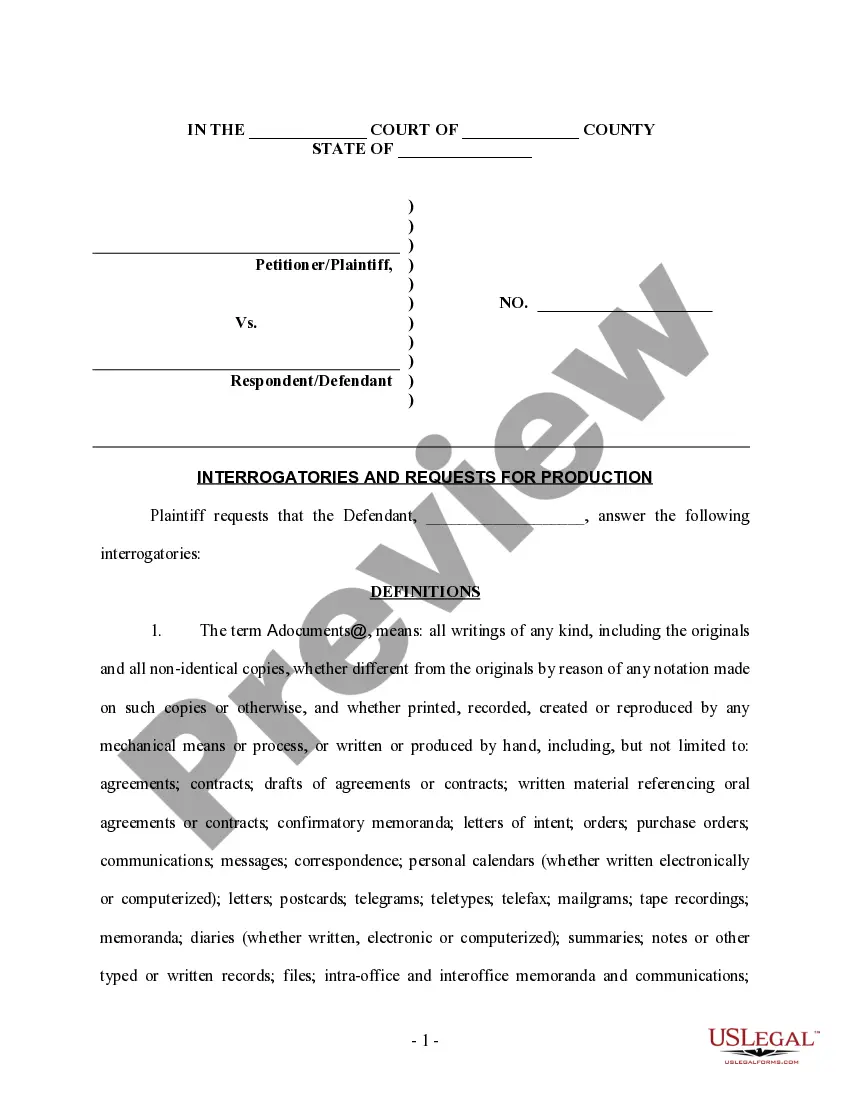
Get your form ready online
Our built-in tools help you complete, sign, share, and store your documents in one place.
Make edits, fill in missing information, and update formatting in US Legal Forms—just like you would in MS Word.
Download a copy, print it, send it by email, or mail it via USPS—whatever works best for your next step.
Sign and collect signatures with our SignNow integration. Send to multiple recipients, set reminders, and more. Go Premium to unlock E-Sign.
If this form requires notarization, complete it online through a secure video call—no need to meet a notary in person or wait for an appointment.
We protect your documents and personal data by following strict security and privacy standards.

Make edits, fill in missing information, and update formatting in US Legal Forms—just like you would in MS Word.

Download a copy, print it, send it by email, or mail it via USPS—whatever works best for your next step.

Sign and collect signatures with our SignNow integration. Send to multiple recipients, set reminders, and more. Go Premium to unlock E-Sign.

If this form requires notarization, complete it online through a secure video call—no need to meet a notary in person or wait for an appointment.

We protect your documents and personal data by following strict security and privacy standards.
Looking for another form?








Form popularity
FAQ
(3) Answers, objections or other responses to discovery requests shall be served within twenty-eight days after service of such requests unless the board orders or the parties agree to a different period of time.
If you are a defendant in a case, you have to raise enough doubt about the strength of the plaintiff's case to make the judge (or jury) decide your side is stronger. Discovery is how you gather the evidence you will need to prove your case as plaintiff, or defeat the plaintiff's case as a defendant.
As the Supreme Court of Ohio explains, the discovery rule provides that “a cause of action does not arise until the plaintiff discovers, or by the exercise of reasonable diligence should have discovered, that he or she was injured by the wrongful conduct of the defendant.” Id. at ¶ 14.
Do Most Cases Settle After Discovery? Many personal injury lawsuits conclude either during or at the end of the discovery phase. In many cases, the defendants don't want evidence against them revealed in court.
It is a document/pleading that the rules of criminal procedure require the parties to file with the court notifying the court and parties of certain things, like, for example, what defenses the defendant might present at trial etc.
What is the Purpose of Discovery? The purpose of discovery is to provide parties the opportunity to gather evidence relevant to proving or defending the case.
A discovery response is essentially a choice that you make after receiving a request for information. The question then becomes, Should you comply or not?
RULE 408. Evidence of conduct or statements made in compromise negotiations is likewise not admissible. This rule does not require the exclusion of any evidence otherwise discoverable merely because it is presented in the course of compromise negotiations.
26(B)) Ohio law allows for the reopening of appeal based on a claim of ineffective assistance of appellate counsel. However, an application for reopening must be filed within ninety days of the appellate Opinion unless the applicant can show good cause for filing at a later time.
Rule 26 - General Provisions Governing Discovery (A)Policy; discovery methods It is the policy of these rules (1) to preserve the right of attorneys to prepare cases for trial with that degree of privacy necessary to encourage them to prepare their cases thoroughly and to investigate not only the favorable but the ...