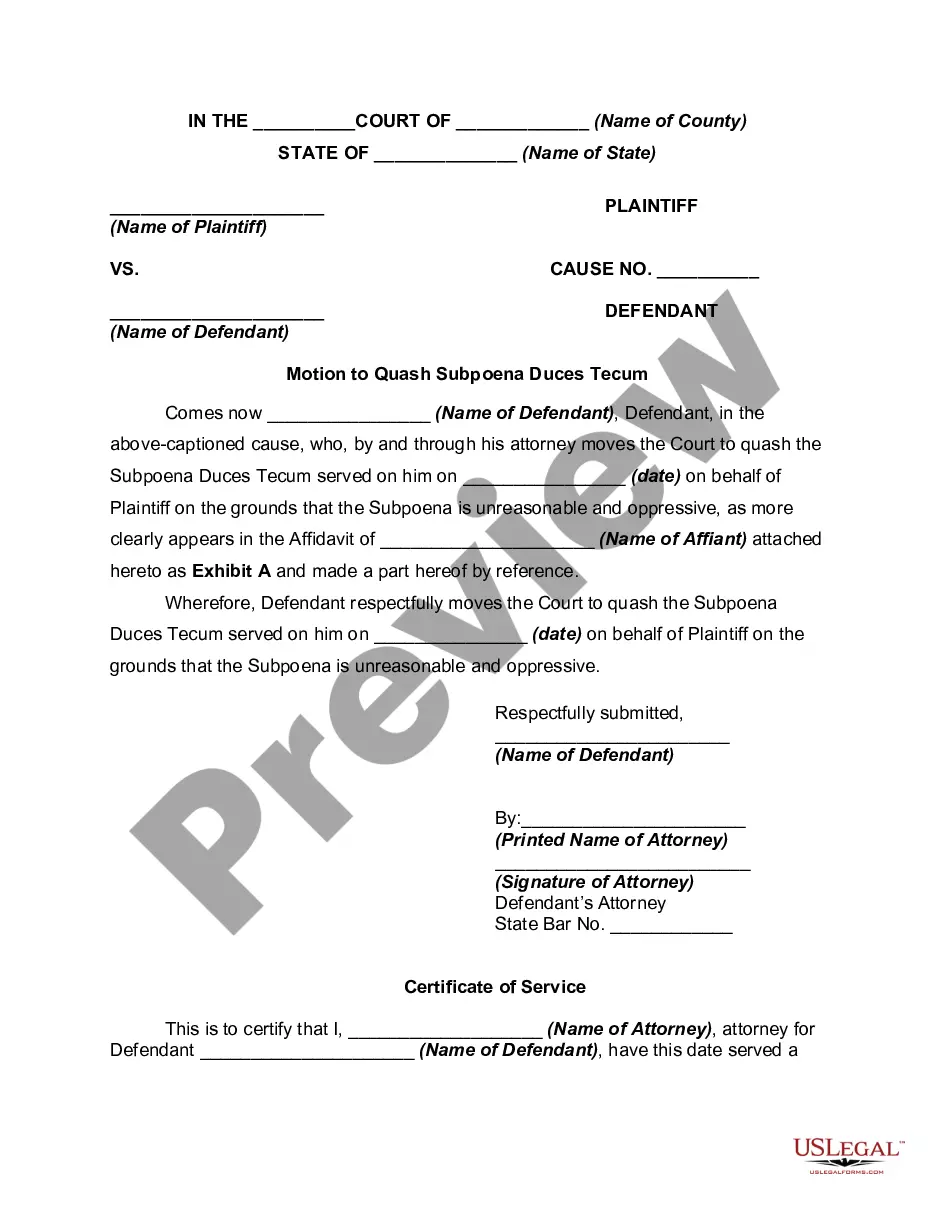
Notice Of Application For Discovery In Collin
Description



Get your form ready online
Our built-in tools help you complete, sign, share, and store your documents in one place.
Make edits, fill in missing information, and update formatting in US Legal Forms—just like you would in MS Word.
Download a copy, print it, send it by email, or mail it via USPS—whatever works best for your next step.
Sign and collect signatures with our SignNow integration. Send to multiple recipients, set reminders, and more. Go Premium to unlock E-Sign.
If this form requires notarization, complete it online through a secure video call—no need to meet a notary in person or wait for an appointment.
We protect your documents and personal data by following strict security and privacy standards.

Make edits, fill in missing information, and update formatting in US Legal Forms—just like you would in MS Word.

Download a copy, print it, send it by email, or mail it via USPS—whatever works best for your next step.

Sign and collect signatures with our SignNow integration. Send to multiple recipients, set reminders, and more. Go Premium to unlock E-Sign.

If this form requires notarization, complete it online through a secure video call—no need to meet a notary in person or wait for an appointment.

We protect your documents and personal data by following strict security and privacy standards.
Looking for another form?
Form popularity
FAQ
Small Claims The claim can be for no more than $20,000, excluding statutory interest and court costs but including attorney fees, if any.
The duration of the divorce process in Collin County can vary significantly based on several factors, including whether the divorce is contested or uncontested. An uncontested divorce, where both parties agree on the terms, can often be finalized in as little as 60 days after filing.
In Texas, there is a 60-day waiting period for divorce, so the fastest a divorce can be finalized is 61 days. However, most cases take several months to a year, especially if there are children involved.
Eviction cases must be filed in the in the justice court in the precinct and county where the property is located. If you file the case in any other precinct, the court must dismiss your case, and you do not get a refund of the filing fees. The court may be able to help you determine the proper precinct to file in.
Every Texas divorce requires court filing fees, which vary by county. These fees typically range from $250 to $350, with some counties charging additional fees for parent education courses or other mandatory services.
The amount of debt or damages for which you may sue in small claims court may not exceed $20,000, excluding statutory interest and court costs but including attorney fees, if any.
Collin County District Clerk's Office: Divorce records in Collin County are usually maintained by the District Clerk's Office. You can visit their website or contact them directly to inquire about obtaining divorce records.
Conclusion: Going to small claims court may be worth it for $500, but it will determine how you weigh your costs versus benefits. At a minimum, it is worth it to send a demand letter.
Small Claims Cases in Texas The limit to the amount that a person can sue for in small claims cases is $20,000.