Settlement Agreement Example In Middlesex
Description

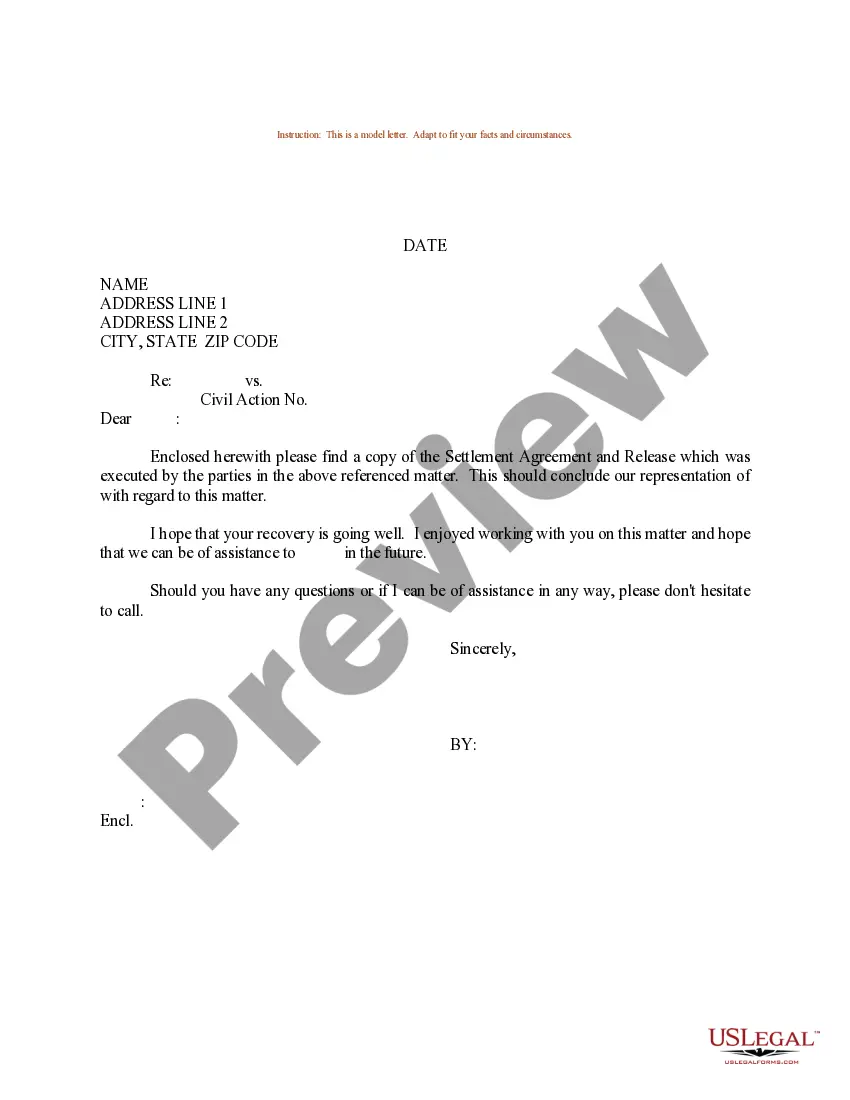
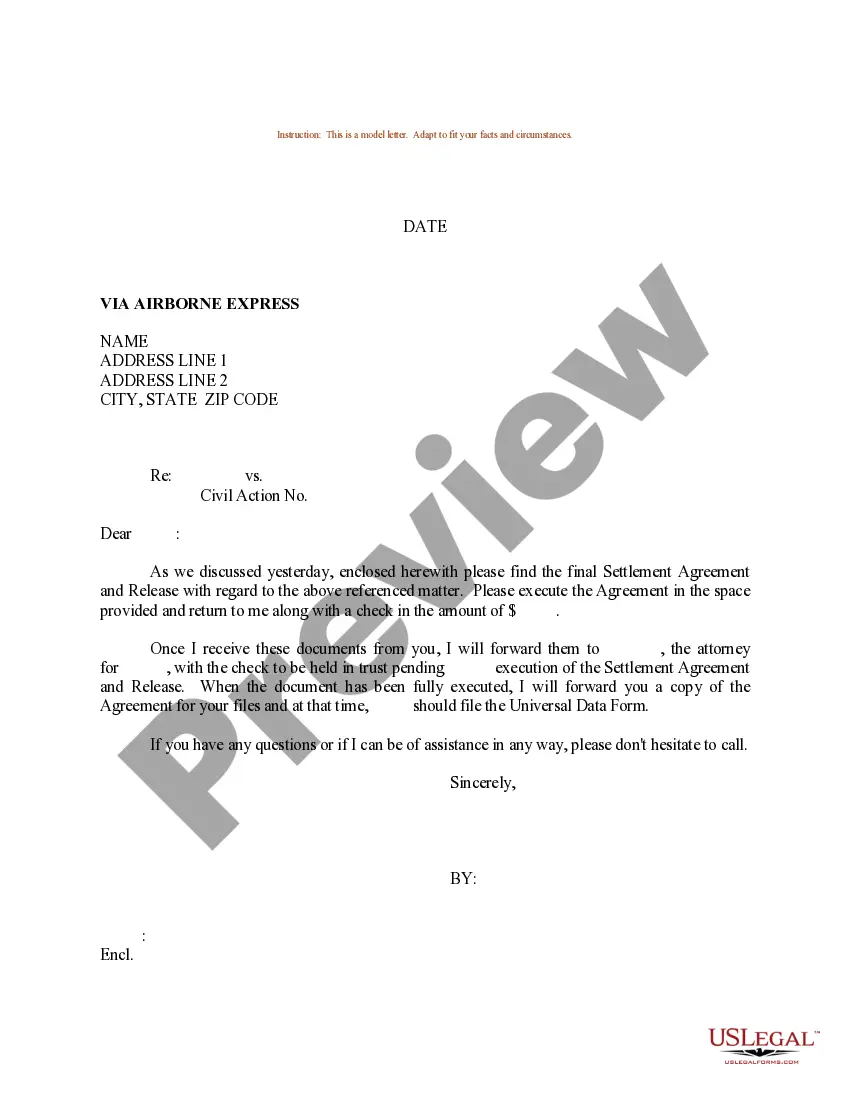
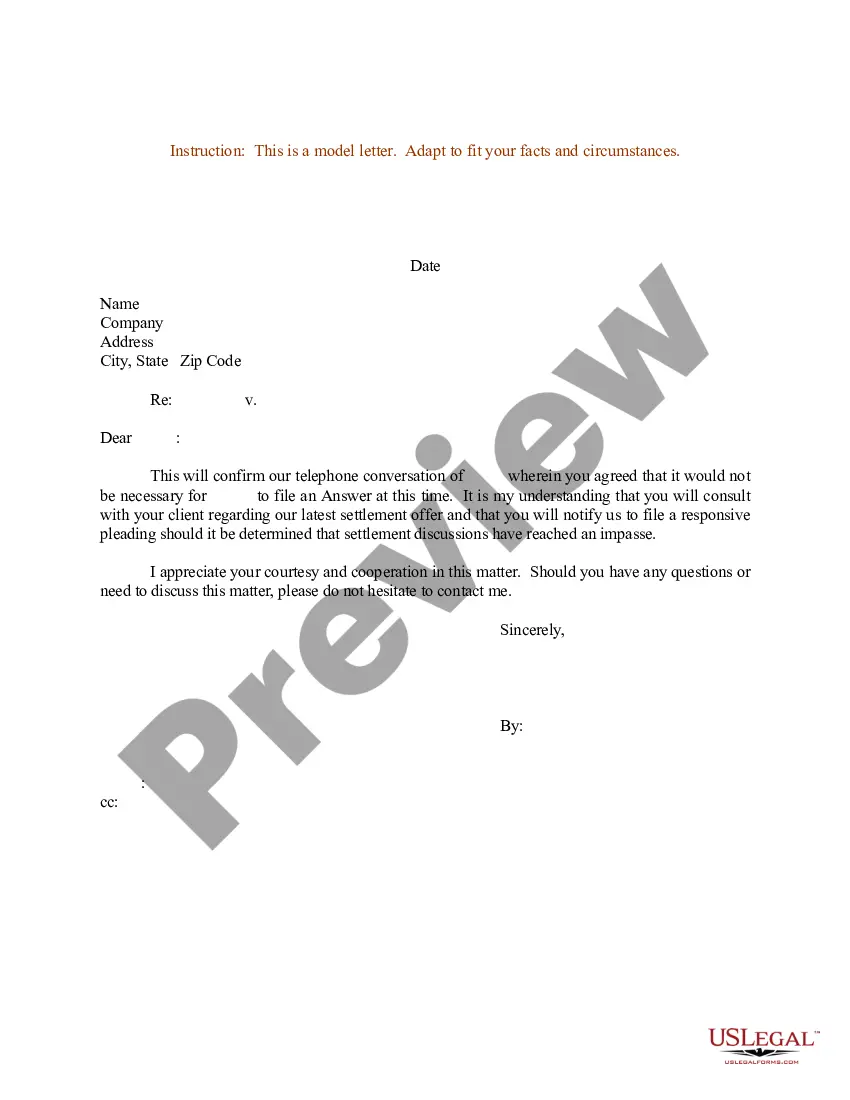
Get your form ready online
Our built-in tools help you complete, sign, share, and store your documents in one place.
Make edits, fill in missing information, and update formatting in US Legal Forms—just like you would in MS Word.
Download a copy, print it, send it by email, or mail it via USPS—whatever works best for your next step.
Sign and collect signatures with our SignNow integration. Send to multiple recipients, set reminders, and more. Go Premium to unlock E-Sign.
If this form requires notarization, complete it online through a secure video call—no need to meet a notary in person or wait for an appointment.
We protect your documents and personal data by following strict security and privacy standards.

Make edits, fill in missing information, and update formatting in US Legal Forms—just like you would in MS Word.

Download a copy, print it, send it by email, or mail it via USPS—whatever works best for your next step.

Sign and collect signatures with our SignNow integration. Send to multiple recipients, set reminders, and more. Go Premium to unlock E-Sign.

If this form requires notarization, complete it online through a secure video call—no need to meet a notary in person or wait for an appointment.

We protect your documents and personal data by following strict security and privacy standards.
Looking for another form?



Form popularity
FAQ
What Should Be Included in a Settlement Agreement? Identifying information for all involved parties. A description of the issue you're seeking to settle. An offer of resolutions that both parties agree to. Proof of valid consideration from both parties without coercion or duress. Legal purpose.
To that end, make sure it contains the following information: The original creditor and/or debt collector's company name. Your full name. Your account number. The amount of the debt you owe. The settlement amount that was agreed upon.
Full settlement refers to a complete agreement between two parties to end a dispute or lawsuit. It can also refer to the conveyance of property to beneficiaries in a way that differs from what they would receive as heirs.
Mediators or settlement judges can assist in drafting the release or resolving disputes about it. Most mediators limit their involvement to a “preliminary release” subject to the drafting of a final agreement by the parties.
A reasonable settlement offer is one that adequately covers your medical expenses, lost wages, and any additional losses you have experienced, although it can vary significantly from one claim to another.
It is generally a good idea to have a skilled attorney draft the settlement agreement, which will resolve your civil lawsuit.
The Nuts and Bolts of a Demand Letter Gather complete information before you start writing. Describe your injuries and medical treatment. List your medical expenses, lost wages, and non-economic damages. Make a settlement demand. Include a deadline for legal action if you want to, but don't bluff.
However, you might want to consider a settlement agreement if: You believe you owe some or all of the debt; The debt is fairly recent; and, You can afford to make payments.