Termination With Severance Letter In Harris
Description

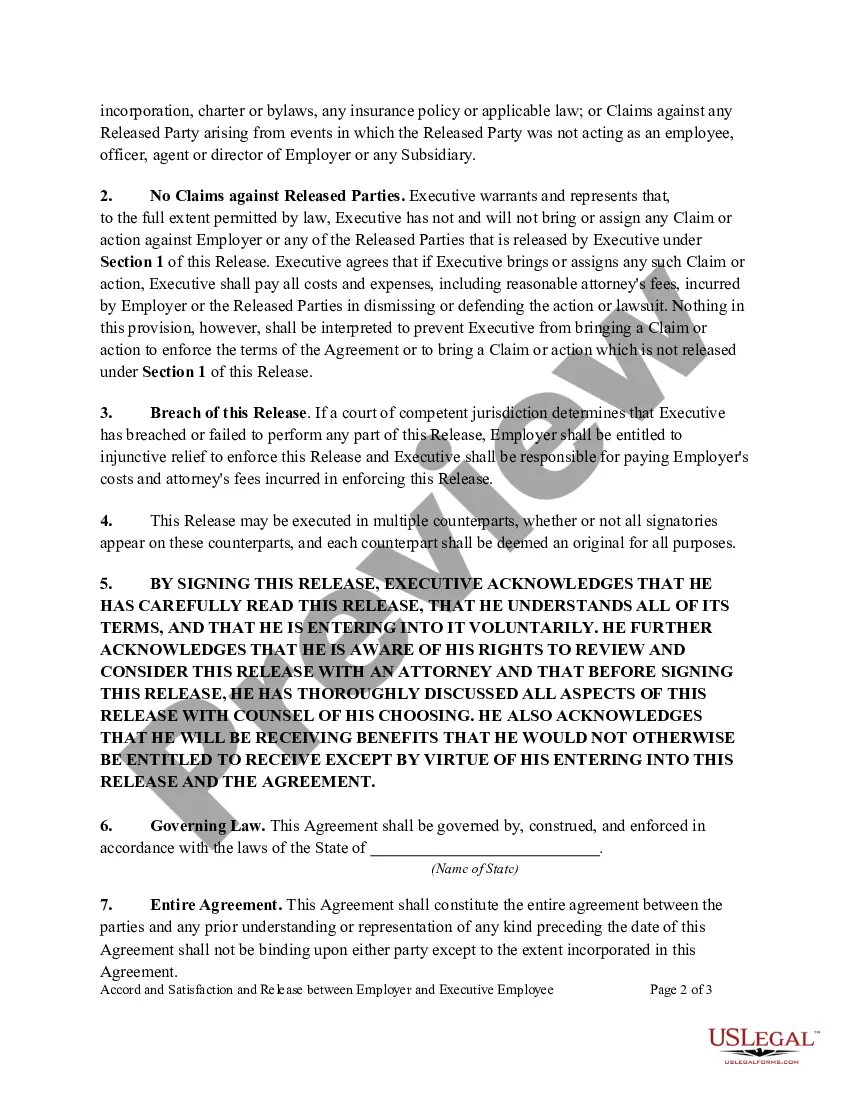
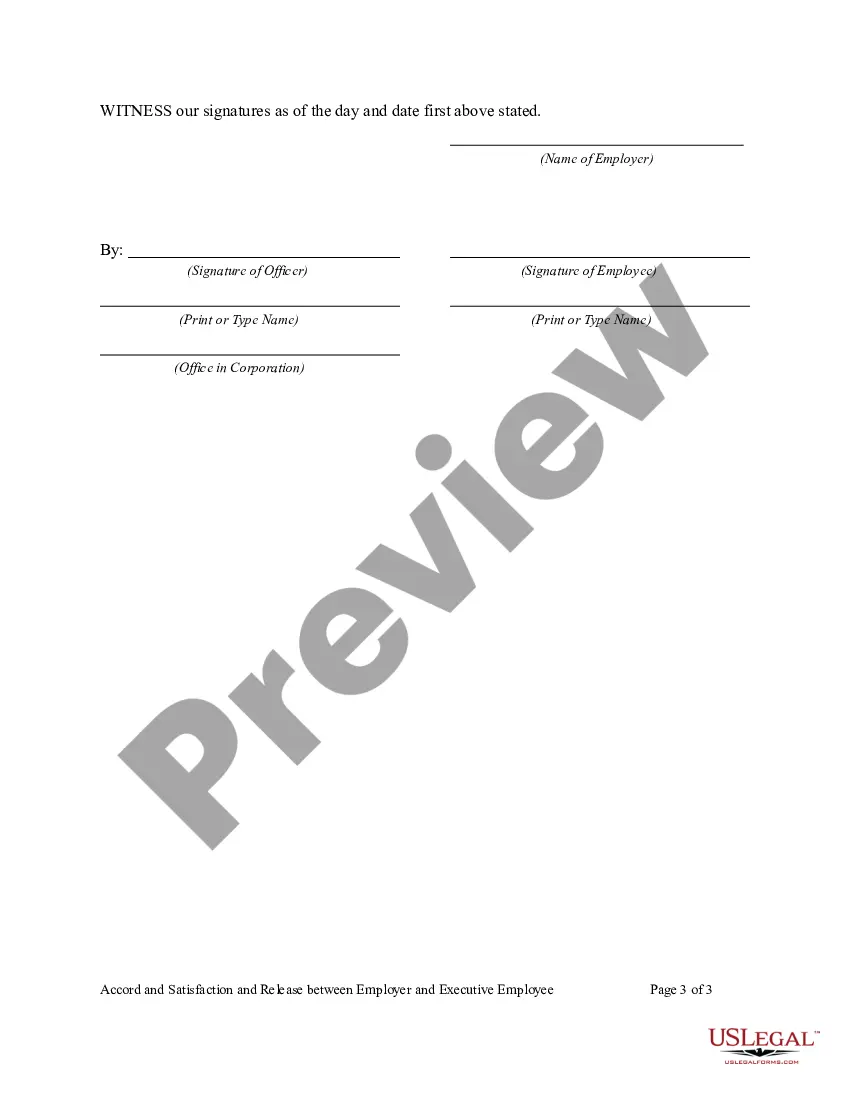
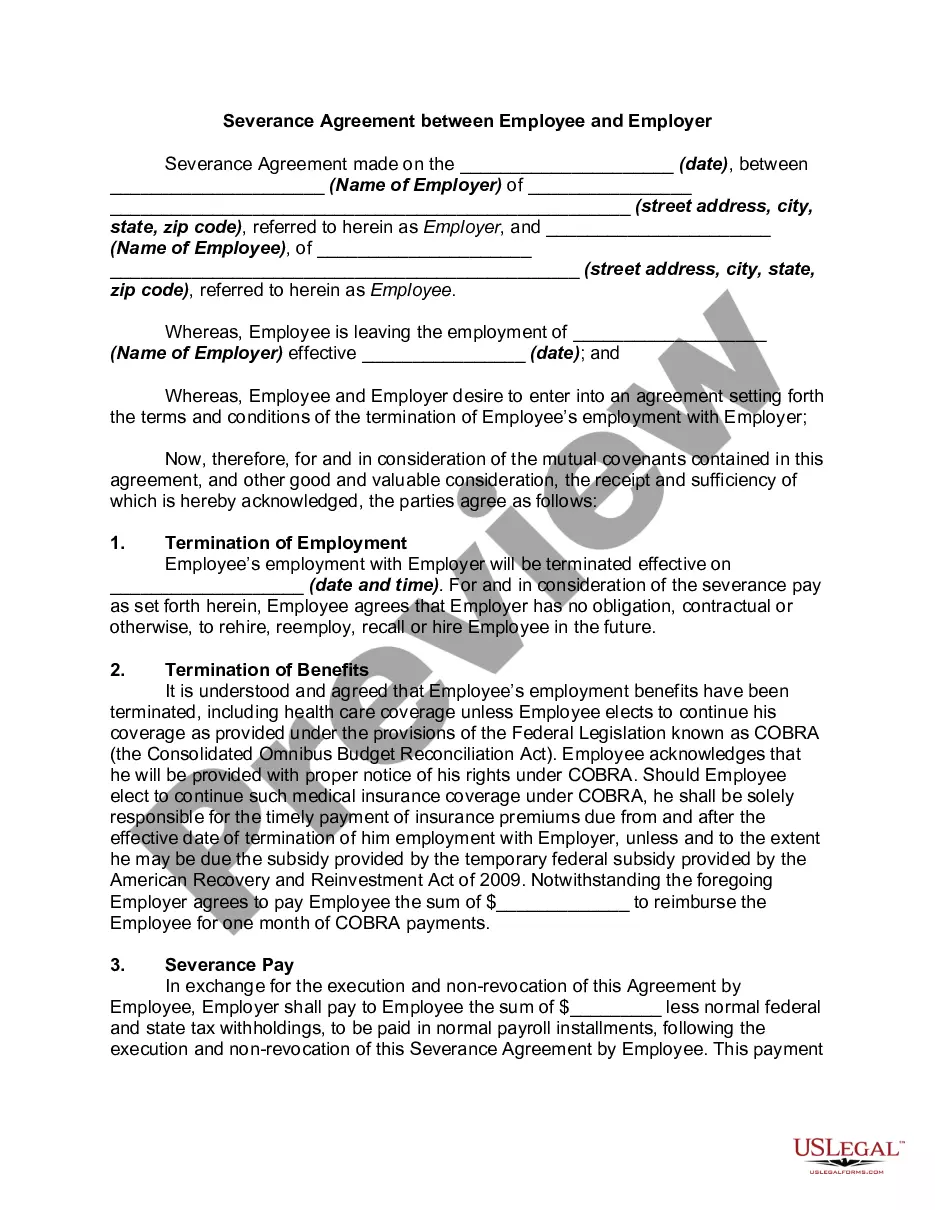
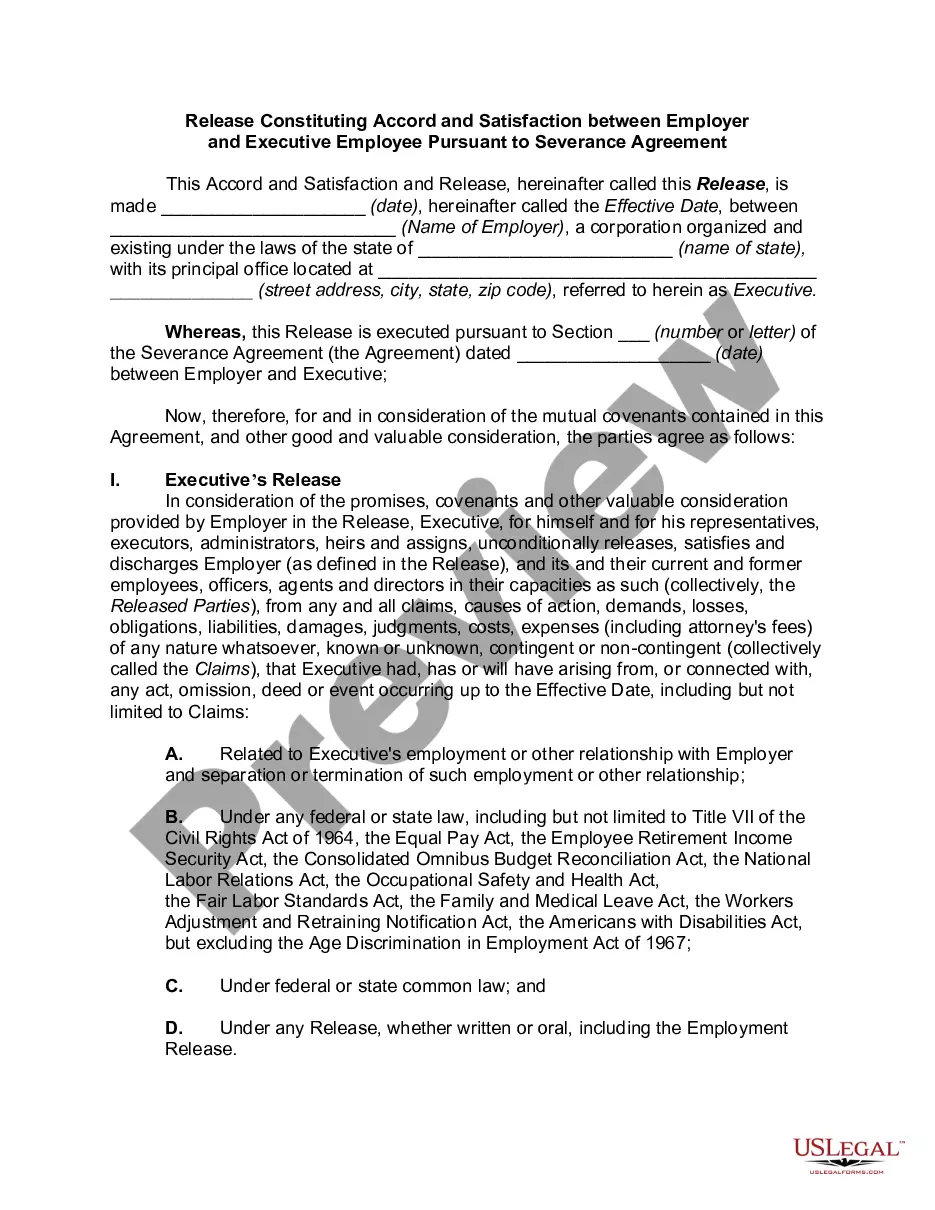
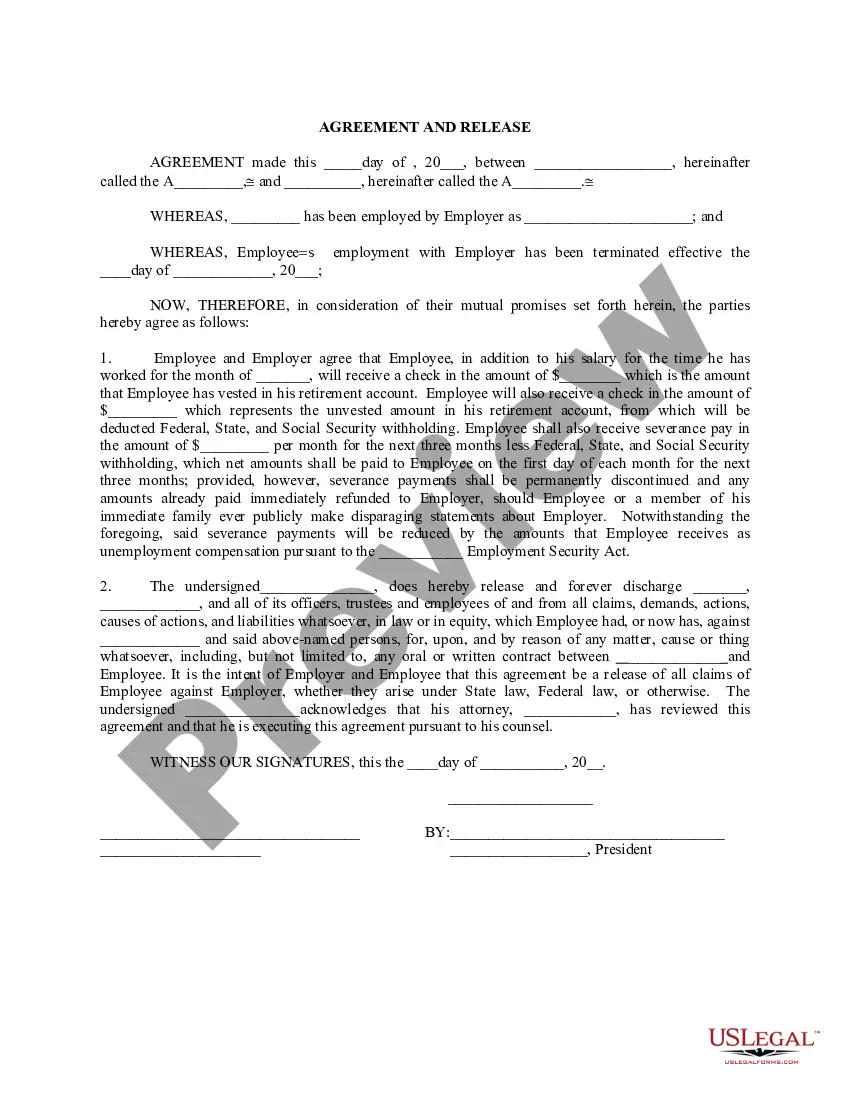
Get your form ready online
Our built-in tools help you complete, sign, share, and store your documents in one place.
Make edits, fill in missing information, and update formatting in US Legal Forms—just like you would in MS Word.
Download a copy, print it, send it by email, or mail it via USPS—whatever works best for your next step.
Sign and collect signatures with our SignNow integration. Send to multiple recipients, set reminders, and more. Go Premium to unlock E-Sign.
If this form requires notarization, complete it online through a secure video call—no need to meet a notary in person or wait for an appointment.
We protect your documents and personal data by following strict security and privacy standards.

Make edits, fill in missing information, and update formatting in US Legal Forms—just like you would in MS Word.

Download a copy, print it, send it by email, or mail it via USPS—whatever works best for your next step.

Sign and collect signatures with our SignNow integration. Send to multiple recipients, set reminders, and more. Go Premium to unlock E-Sign.

If this form requires notarization, complete it online through a secure video call—no need to meet a notary in person or wait for an appointment.

We protect your documents and personal data by following strict security and privacy standards.
Looking for another form?
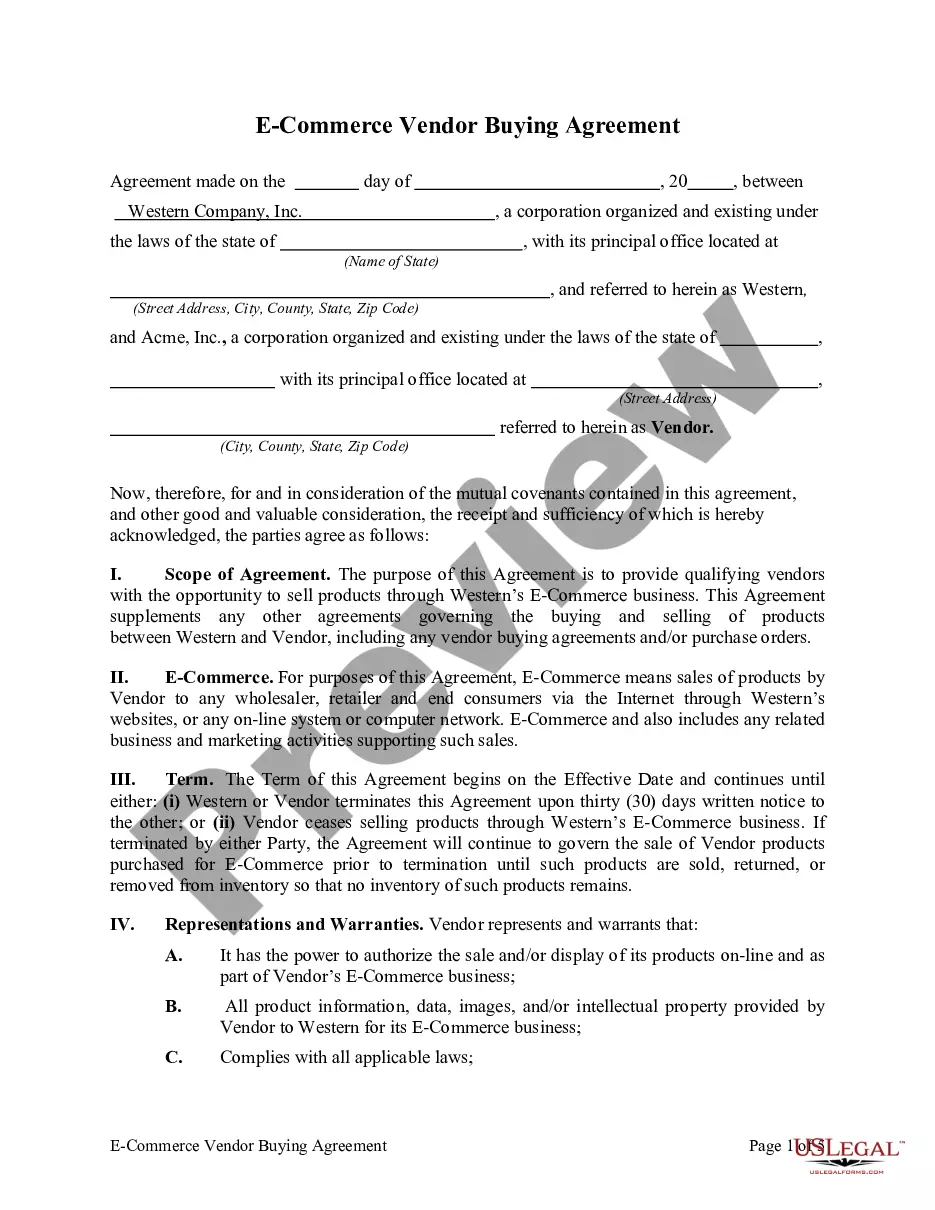




Form popularity
FAQ
Basically, a severance agreement is a waiver or release of liability that the outgoing employee signs, protecting the business from lawsuits. These agreements are usually part of a larger severance package that includes compensation, outplacement services, and other benefits in exchange for the employee's signature.
11 Things You Should Never Say When Firing an Employee “This is really hard for me.” ... “I'm not sure how to say this.” ... “We've decided to let you go.” ... “We've decided to go in a different direction.” ... “We'll work out the details later.” ... “Compared to Susan, your performance is subpar.”
A termination clause is a provision in the employment contract that defines the rights of the employee at the termination of the employment relationship. It typically determines how much notice period and severance an employee is entitled to when the termination is on a without-cause basis.
Dear Employee Name, I feel sorry to inform you that your employment with Company Name will be terminated, effective Termination Date. The reason for your termination is Reason for Termination, which was discussed with you on Date of Discussion during our meeting.
If you are being offered a severance package you should take it. Even if you don't want to the reality is that if you refuse it your employer is still going to let you go. The upside of a severance package is they are trying to cushion the blow. It doesn't matter if you agree with termination.
How do you write a Termination Agreement? Provide the names and mailing addresses of each party involved. Provide details from the original contract. Select a termination date after which the contract will no longer be in effect. State if either party is providing compensation as part of the Termination Agreement.
Yes. I highly recommend accepting the severance agreement immediately. I would also recommend that they immediately start looking for a new job with fervor.
Yes, you can counter a severance package. However, since employers are not legally required to offer them, it is hard to have any leverage for the negotiation unless you have a potential discrimination claim against the employer that acquired your prior company.
You are not obligated to sign a severance agreement. The employer cannot force you to sign it. You may refuse to sign a severance agreement if you believe it is not in your best interest. However, an employer can legally withhold the severance payments or the lump sum payout if you refuse to sign the agreement.