Installment Loan Contract With Consumer Proposal In Philadelphia
Description

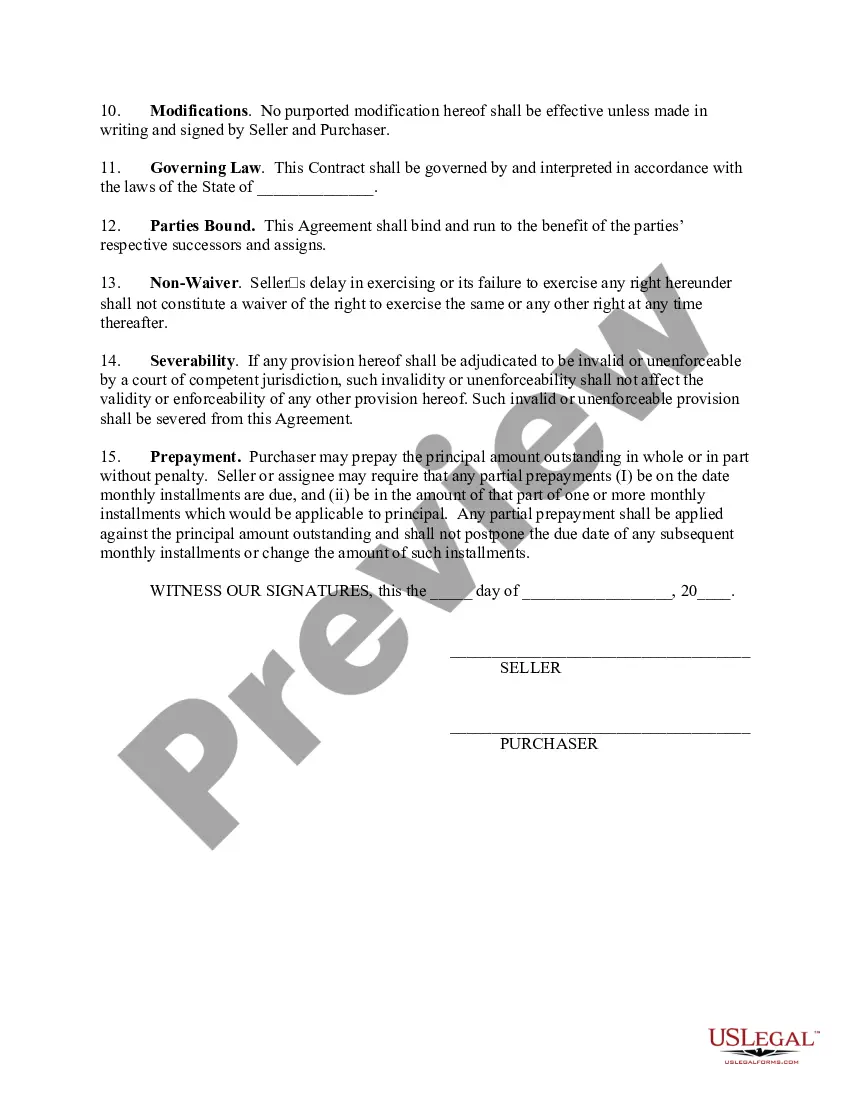
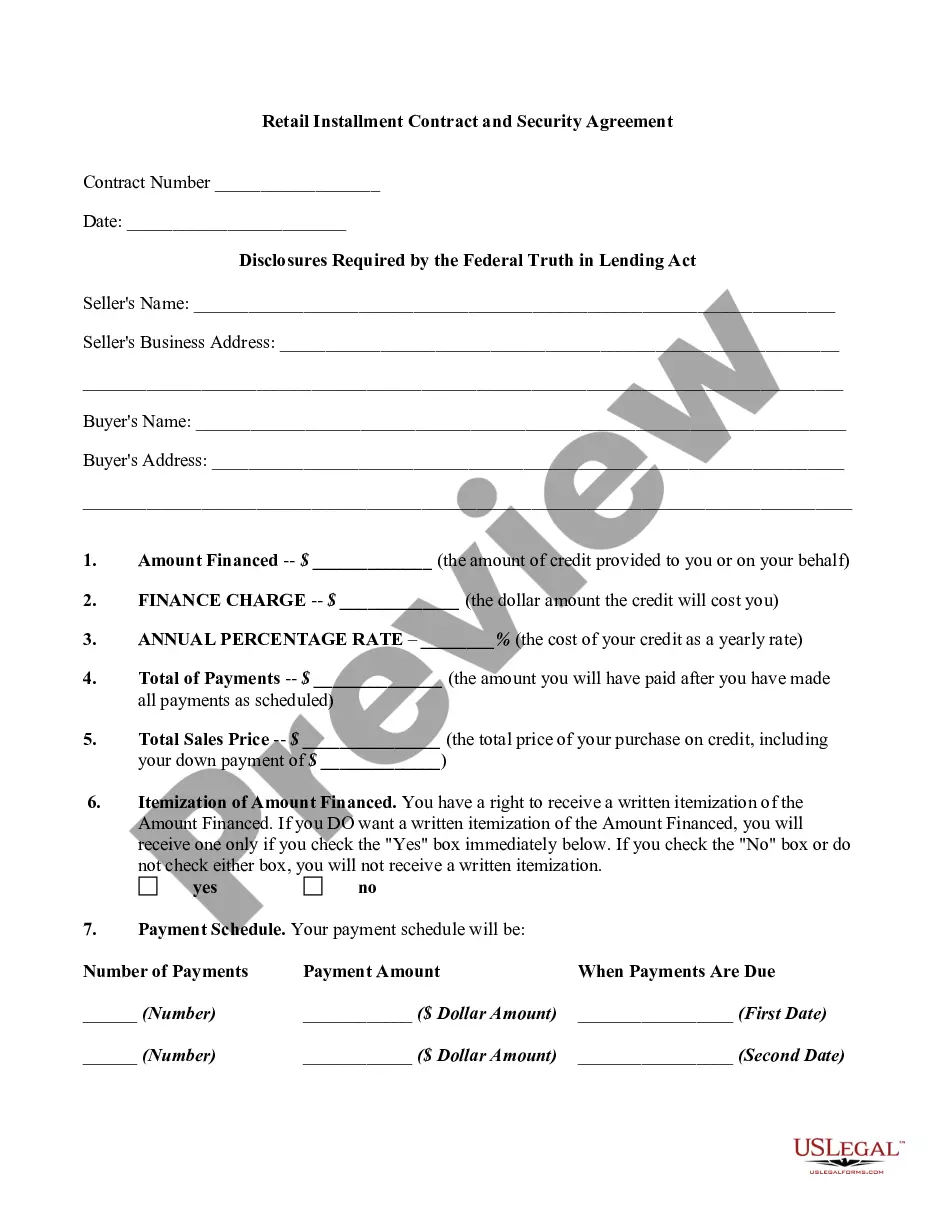
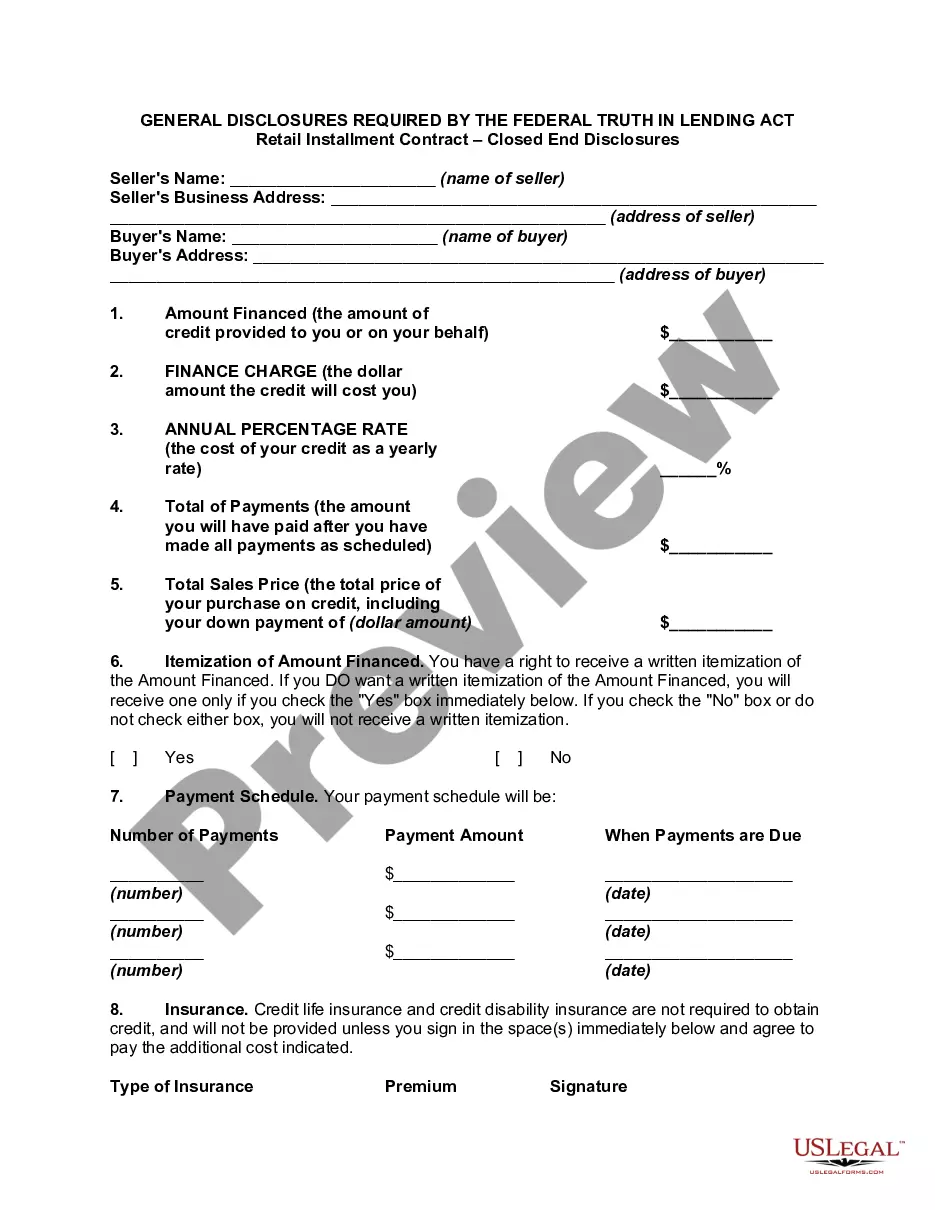
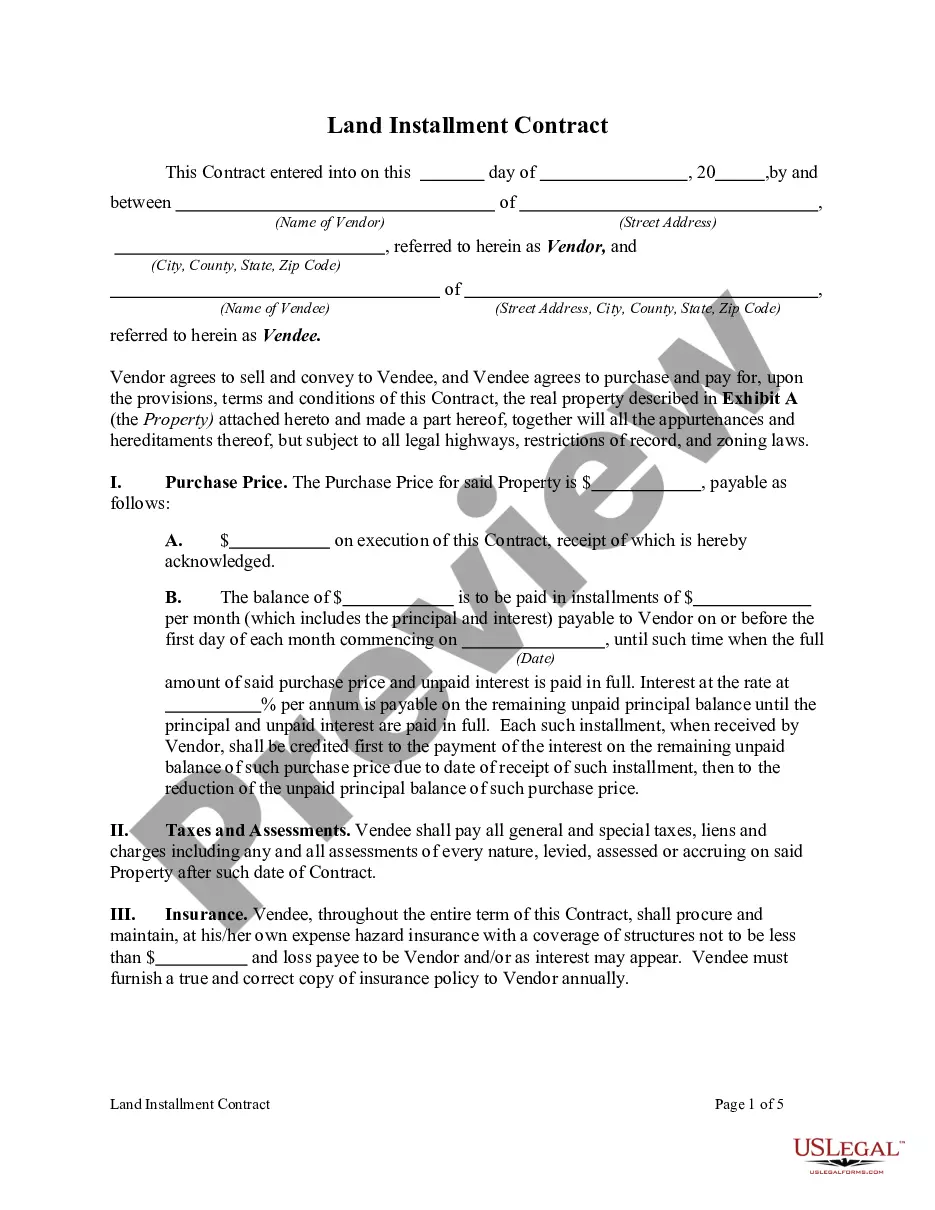
Get your form ready online
Our built-in tools help you complete, sign, share, and store your documents in one place.
Make edits, fill in missing information, and update formatting in US Legal Forms—just like you would in MS Word.
Download a copy, print it, send it by email, or mail it via USPS—whatever works best for your next step.
Sign and collect signatures with our SignNow integration. Send to multiple recipients, set reminders, and more. Go Premium to unlock E-Sign.
If this form requires notarization, complete it online through a secure video call—no need to meet a notary in person or wait for an appointment.
We protect your documents and personal data by following strict security and privacy standards.

Make edits, fill in missing information, and update formatting in US Legal Forms—just like you would in MS Word.

Download a copy, print it, send it by email, or mail it via USPS—whatever works best for your next step.

Sign and collect signatures with our SignNow integration. Send to multiple recipients, set reminders, and more. Go Premium to unlock E-Sign.

If this form requires notarization, complete it online through a secure video call—no need to meet a notary in person or wait for an appointment.

We protect your documents and personal data by following strict security and privacy standards.
Looking for another form?








Form popularity
FAQ
Secured credit cards A secured credit card is a great way to build credit after filing either a proposal or bankruptcy. After filing for bankruptcy, a secured credit card is really your only option.
On July 8, 2022, Pennsylvania enacted market-based sourcing for receipts from intangible income for tax years beginning after Dec. 31, 2022.
In market-based sourcing, the destination of the service revenue, rather than where the revenue was earned, is the relevant location. This practice generally results in an increased tax on out-of-state service providers with in-state customers.
On July 8, 2022, Pennsylvania enacted market-based sourcing for receipts from intangible income for tax years beginning after Dec. 31, 2022.
States Using Market-Based Sourcing: Alabama, Arizona (election), California, Colorado, Connecticut, District of Columbia, Georgia, Hawaii, Idaho, Illinois, Indiana, Iowa, Kentucky, Louisiana, Maine, Maryland, Massachusetts, Michigan, Minnesota, Missouri, Montana, Nebraska, New Hampshire, New Jersey, New Mexico, New ...
Philadelphia is a Sellers Housing Market, which means prices tend to be higher and homes sell faster.
Debts Not Eligible for Inclusion Secured Debts: Secured debts are backed by collateral, such as a home or car. Examples include mortgages and car loans. These debts typically are not included in a Consumer Proposal, which means you can keep the collateral asset as long as you continue to make the payments.
A consumer proposal can only be filed for non-mortgage debt up to $250,000. Bankruptcy has no limit to the amount of debt that can be included, only a minimum of $1000.
It will lower your credit score initially. Your creditors may not approve your proposal; however, this is rare – 99% of consumer proposals are accepted. If you miss three consecutive payments, it will be automatically annulled, and your debts will return.
