Installment Agreement With Irs In Maryland
Description

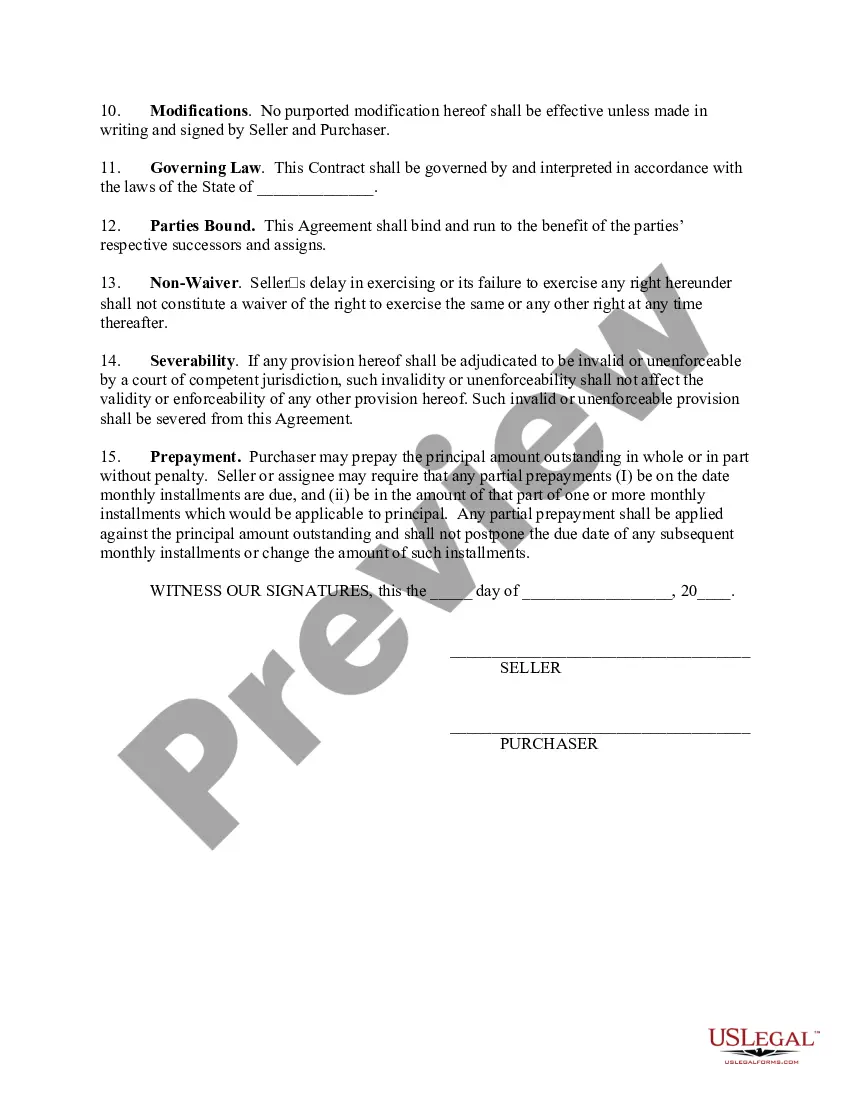
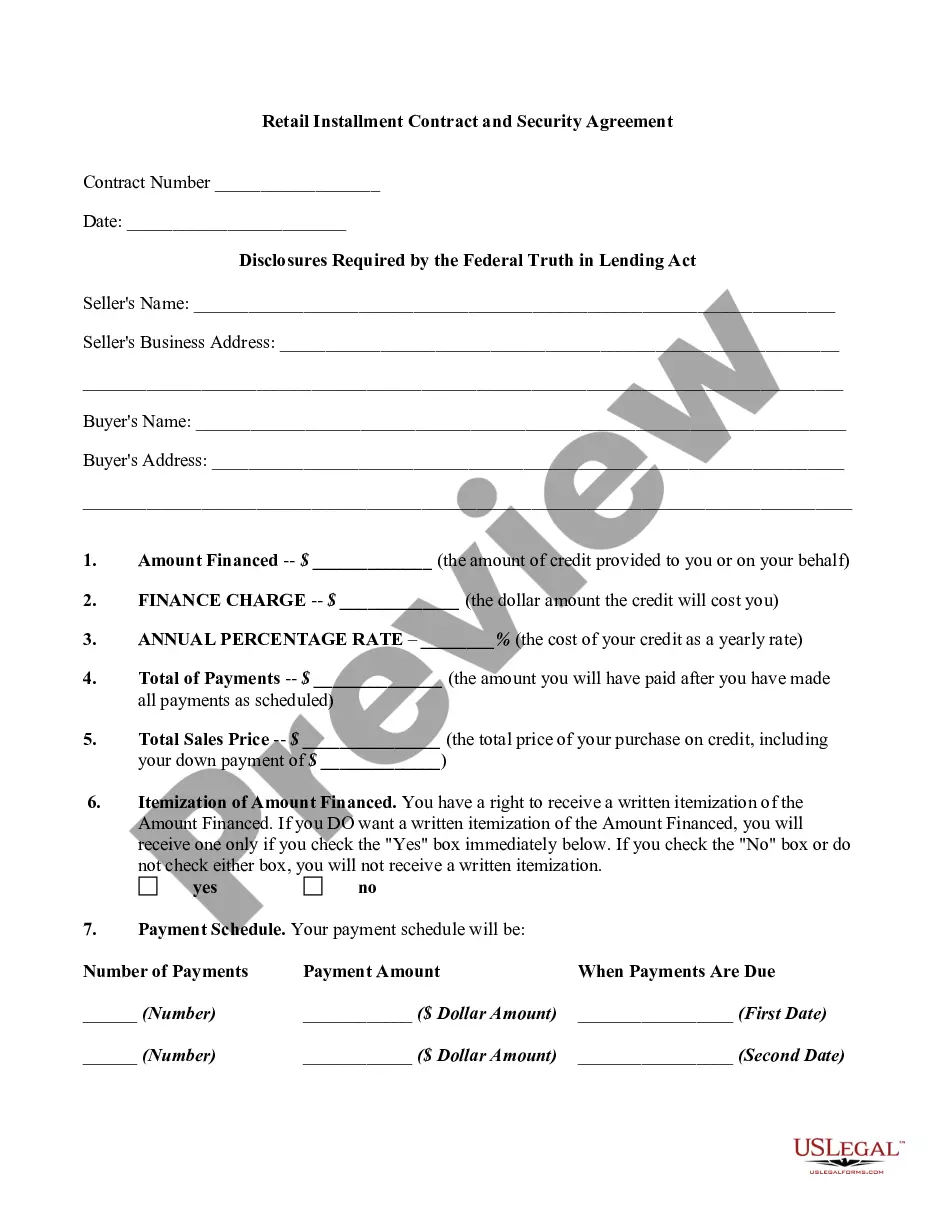
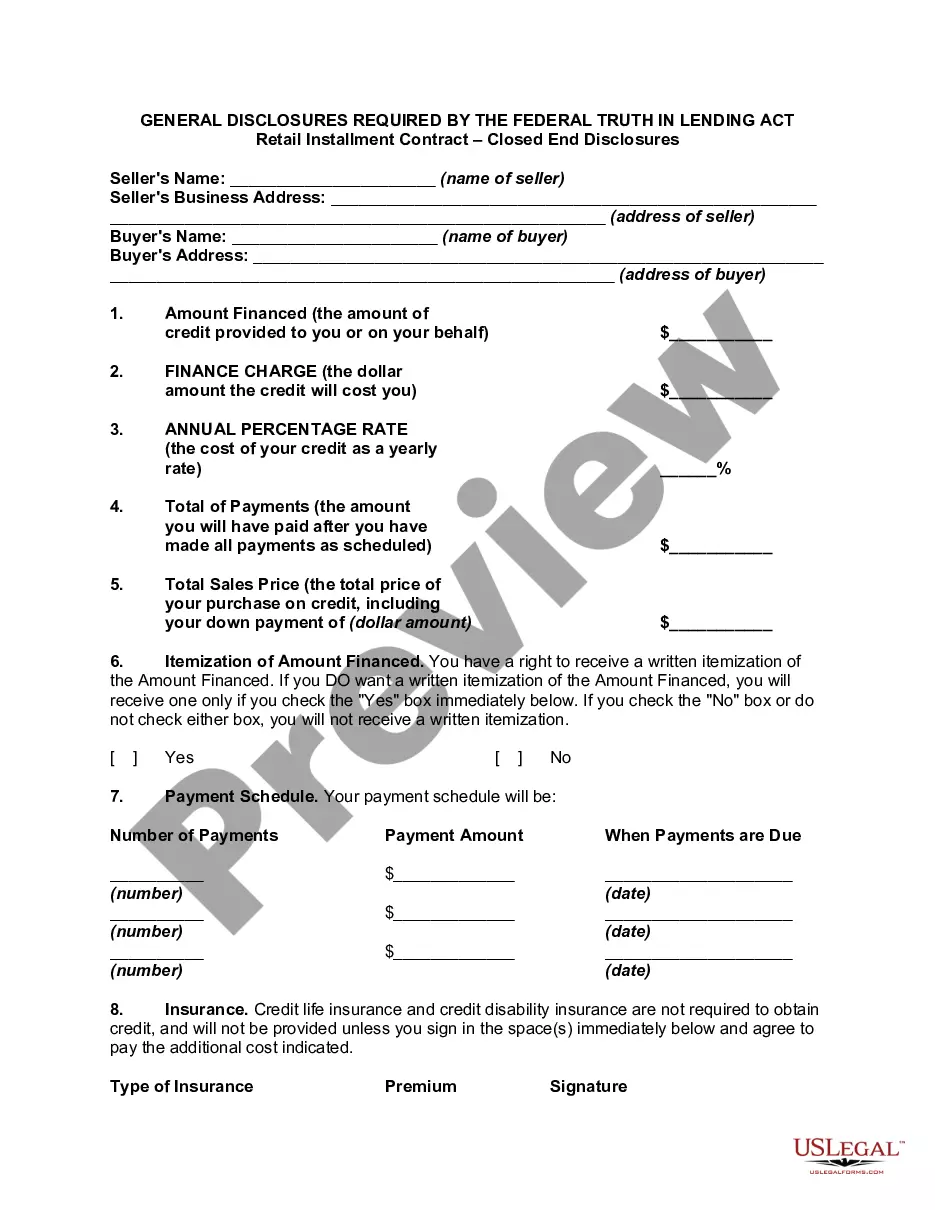
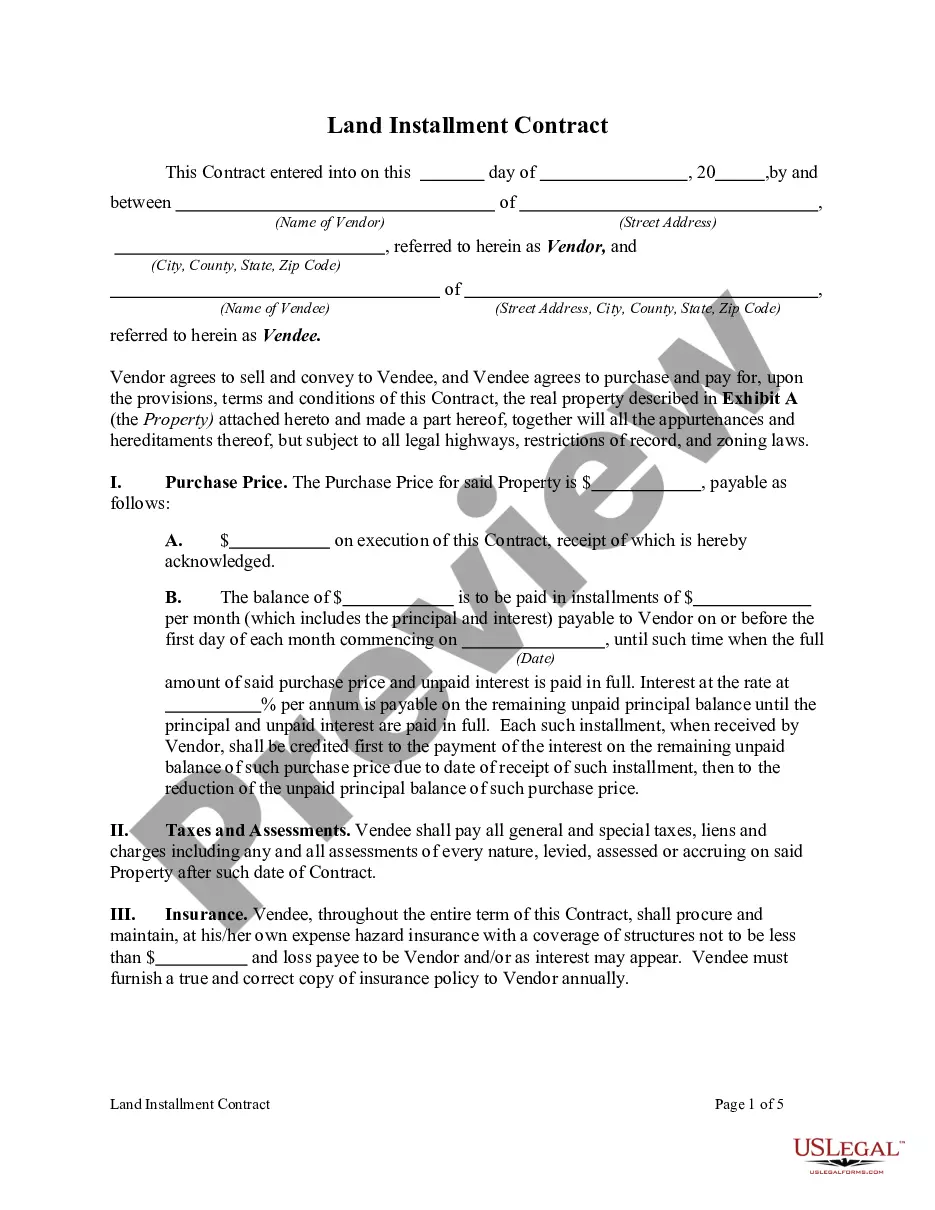
Get your form ready online
Our built-in tools help you complete, sign, share, and store your documents in one place.
Make edits, fill in missing information, and update formatting in US Legal Forms—just like you would in MS Word.
Download a copy, print it, send it by email, or mail it via USPS—whatever works best for your next step.
Sign and collect signatures with our SignNow integration. Send to multiple recipients, set reminders, and more. Go Premium to unlock E-Sign.
If this form requires notarization, complete it online through a secure video call—no need to meet a notary in person or wait for an appointment.
We protect your documents and personal data by following strict security and privacy standards.

Make edits, fill in missing information, and update formatting in US Legal Forms—just like you would in MS Word.

Download a copy, print it, send it by email, or mail it via USPS—whatever works best for your next step.

Sign and collect signatures with our SignNow integration. Send to multiple recipients, set reminders, and more. Go Premium to unlock E-Sign.

If this form requires notarization, complete it online through a secure video call—no need to meet a notary in person or wait for an appointment.

We protect your documents and personal data by following strict security and privacy standards.
Looking for another form?








Form popularity
FAQ
Payment options include full payment or a long-term payment plan (installment agreement) (paying monthly). You may qualify to apply online, if: Long-term payment plan (installment agreement): You have filed all required returns and owe $25,000 or less in combined tax, penalties, and interest.
Long-term payment plan (also called an installment agreement) – For taxpayers who have a total balance less than $50,000 in combined tax, penalties and interest. They can make monthly payments for up to 72 months.
To request an installment agreement, the taxpayer must complete Form 9465. Form 9465 can be included electronically with an e-filed return or paper-filed.
Essentially, Form 9465 is a request form used to apply for a payment plan, and Form 433-D is the direct debit installment agreement form that is used to establish the actual agreement once the IRS has approved the payment plan. 433 d form allows the IRS to take payments directly from a taxpayer's bank account.
If you owe more than $50,000, you will need to send in your 9465 by mail. When you file your taxes, simply attach this form to the front of your tax return. The form can also be submitted by itself, so you can conveniently file your taxes online and send this form separately.
WHY THE IRS REJECTS INSTALLMENT AGREEMENT REQUESTS. The IRS typically rejects an installment agreement request for one of three reasons. If the IRS determines that your living expenses do not fall under the category of “necessary,” your agreement will more than likely be rejected.
If you don't qualify for an IA through OPA, you may also request an IA by submitting Form 9465, Installment Agreement Request, with the IRS. When you request an IA using the form, generally, you'll receive a response from the IRS within 30 days notifying you of whether the IA request was approved or rejected.
