Employment Law Definition In Wayne
Description
















Get your form ready online
Our built-in tools help you complete, sign, share, and store your documents in one place.
Make edits, fill in missing information, and update formatting in US Legal Forms—just like you would in MS Word.
Download a copy, print it, send it by email, or mail it via USPS—whatever works best for your next step.
Sign and collect signatures with our SignNow integration. Send to multiple recipients, set reminders, and more. Go Premium to unlock E-Sign.
If this form requires notarization, complete it online through a secure video call—no need to meet a notary in person or wait for an appointment.
We protect your documents and personal data by following strict security and privacy standards.

Make edits, fill in missing information, and update formatting in US Legal Forms—just like you would in MS Word.

Download a copy, print it, send it by email, or mail it via USPS—whatever works best for your next step.

Sign and collect signatures with our SignNow integration. Send to multiple recipients, set reminders, and more. Go Premium to unlock E-Sign.

If this form requires notarization, complete it online through a secure video call—no need to meet a notary in person or wait for an appointment.

We protect your documents and personal data by following strict security and privacy standards.
Looking for another form?





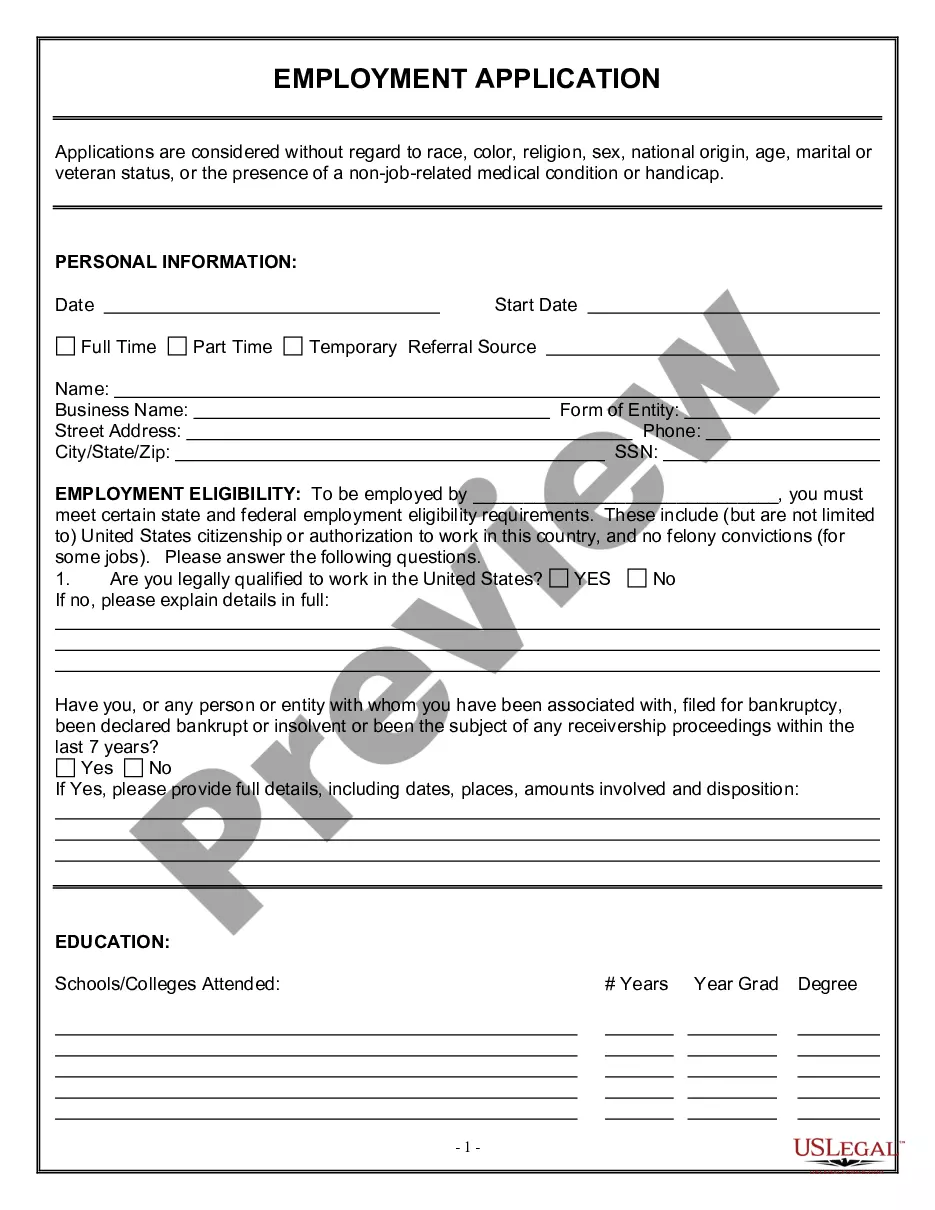


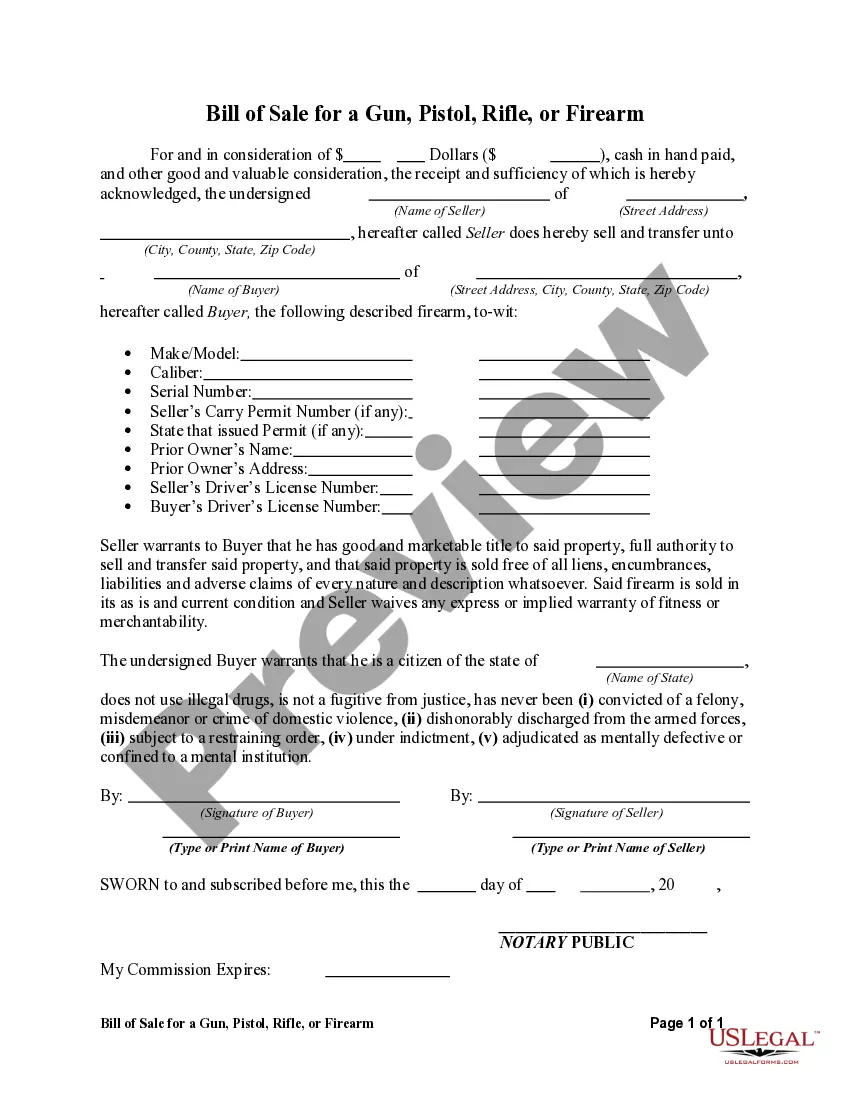
Form popularity
FAQ
There are employment laws and government regulations covering everything from workplace safety to employee rights that every small business owner must know and follow. Being out of compliance could be costly. Not only can the government fine you, but you could expose your small business to costly lawsuits.
Employment law is the section of laws that govern the relationship between an employee and their employer, including the rights and responsibilities of both parties.
Under California Labor Code section 1198.5, an employee or his or her attorney can request their personnel records, after which the personnel file must be produced “no later than 30 calendar days from the date the employer receives a written request, unless the current or former employee, or his or her representative, ...
Because it's gotten too serious. And you want to put it out there that you have a lawyer. But asMoreBecause it's gotten too serious. And you want to put it out there that you have a lawyer. But as always you want to be if you have hired a firm. And you're working with an attorney.
Communicate politely with HR and management and check with your lawyer before discussing the lawsuit with anyone. Not everyone you work with will know about your lawsuit, nor should they. And remember that filing a lawsuit is not a lawful reason for an employer to fire its employee.
No need to tell them. Your attorney will do that themselves. They'll typically send a letter informing your employer that an attorney has been hired to represent you. It's a legal obligation for the lawyers to notify the other party what's happening whether you've said anything or not.
Employment law provides protections against discrimination, harassment, unsafe working conditions, and ensures fair compensation. Employees are entitled to a safe workplace, protection from unjust dismissal, and the right to report violations without fear of retaliation.
The law says you are protected when you: Speak up about wages that are owed to you • Report an injury or a health and safety hazard • File a claim or complaint with a state agency • Join together with other workers to ask for changes.
Generally, working 32 hours or more weekly may classify an employee as full-time, aligning with the IRS and the Affordable Care Act's criteria, which consider 30 hours a week or 130 hours a month as full-time. For the most accurate definition, consulting directly with the employer in question is advised.
Employment law governs every detail of the relationship between employee and employer. It is designed to protect employees and their employers through regulations that guarantee workplace safety, protect against child labor, ensure a fair and equitable hiring process, and address family and medical leave.