Law With Job In Maryland
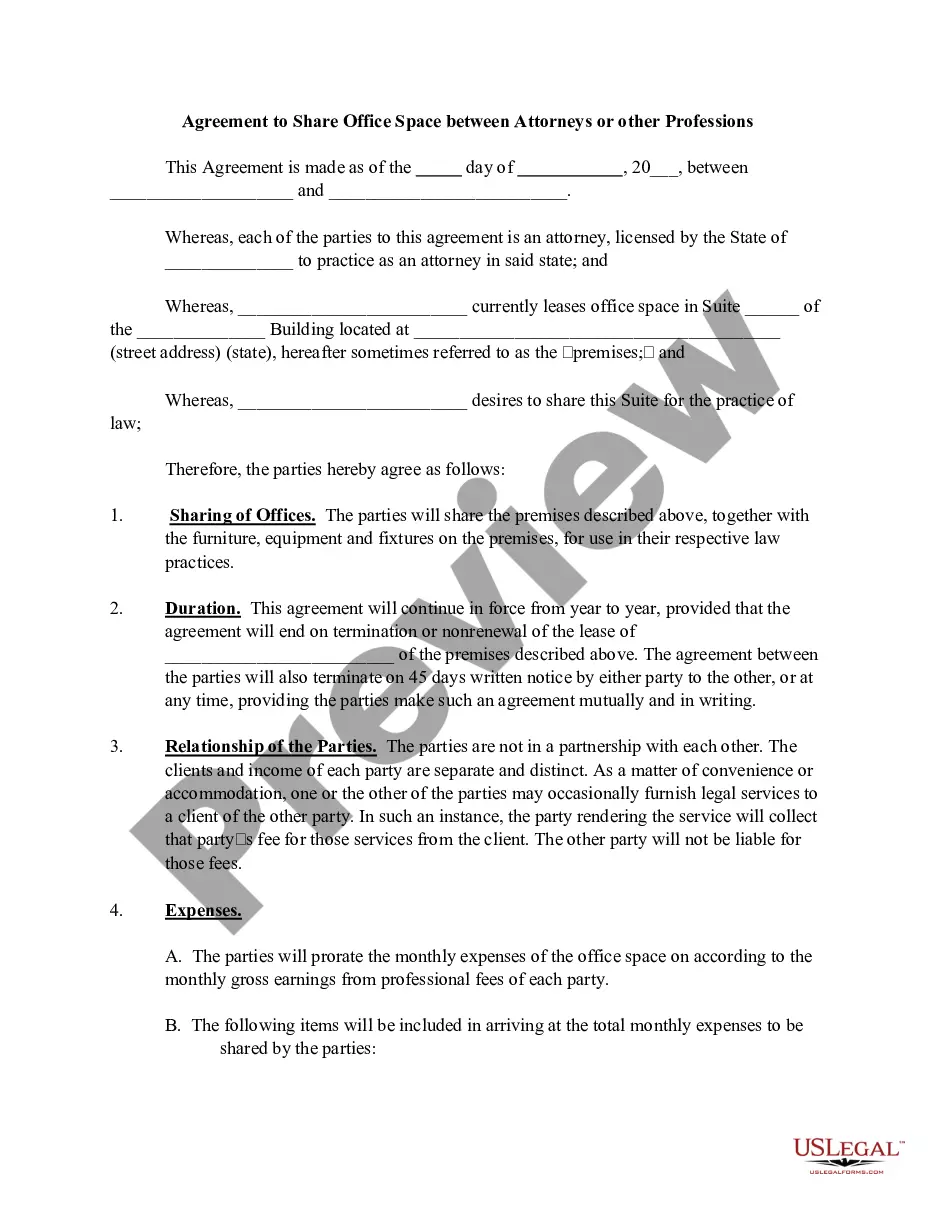
Description
















Get your form ready online
Our built-in tools help you complete, sign, share, and store your documents in one place.
Make edits, fill in missing information, and update formatting in US Legal Forms—just like you would in MS Word.
Download a copy, print it, send it by email, or mail it via USPS—whatever works best for your next step.
Sign and collect signatures with our SignNow integration. Send to multiple recipients, set reminders, and more. Go Premium to unlock E-Sign.
If this form requires notarization, complete it online through a secure video call—no need to meet a notary in person or wait for an appointment.
We protect your documents and personal data by following strict security and privacy standards.

Make edits, fill in missing information, and update formatting in US Legal Forms—just like you would in MS Word.

Download a copy, print it, send it by email, or mail it via USPS—whatever works best for your next step.

Sign and collect signatures with our SignNow integration. Send to multiple recipients, set reminders, and more. Go Premium to unlock E-Sign.

If this form requires notarization, complete it online through a secure video call—no need to meet a notary in person or wait for an appointment.

We protect your documents and personal data by following strict security and privacy standards.
Looking for another form?









Form popularity
FAQ
If you believe your employer owes you $5,000 or less, you can file a case in small claims court for the unpaid wages. Small claims cases are heard by the District Court, and usually involve relatively simple court procedures.
The vast majority of employment relationships in Maryland and D.C. are what the law refers to as “at-will.” This generally means that an employer may terminate an employee for any reason or no reason, while an employee may leave his or her job for any reason or no reason.
Maryland is an employment-at-will state, which means that without a written employee contract, employees can be terminated for any reason at any time, provided that the reason is not discriminatory and that the employer is not retaliating against the employee for a rightful action.
ADMISSION BY UNIFORM BAR EXAM – TEST IN MARYLAND Completed the pre-legal education necessary to be admitted to an ABA-approved law school. Graduated with a JD or equivalent from an ABA-approved law school. Achieved a Qualifying UBE Score. Achieved a Qualifying MPRE Score. Successfully completed the Maryland Law Component.
Other States With Difficult Bar Exams Oregon (Pass rate: 40%) West Virginia (Pass rate: 55%) Vermont (Pass rate: 50%) Maryland (Pass rate: 59%)
About the Degree Program MS in LawJuris Doctor (JD) Time to Complete Typically takes 16 months to two years to complete part time Typically takes four years to complete part time, three years full time Eligibility Requirements Bachelor's Degree Bachelor's Degree and an LSAT or GRE score Eligibility to Sit for Bar Exam No Yes2 more rows
A lawyer needs a bachelor's degree and a Juris Doctor (J.D.) degree from an accredited law school. Prospective lawyers can begin by earning a four-year degree in a program that offers critical thinking skills and a broad range of professional studies to help them succeed in their careers.
Steps to become a lawyer in California Get your bachelor's degree. Earn your law degree and pass the California state bar exam. Apply for admission to the State Bar of California. Gain hands-on experience in the field. Connect with potential clients.
An applicant or employee may file a written complaint with the appropriate head of the principal unit within 1 year after the complainant knew, or reasonably should have known, of the alleged violation of the State's Fair Employment Practices Policy (SPP 5-211).
