Speaker Engagement Speaking For Business 4th Edition In Tarrant
Description
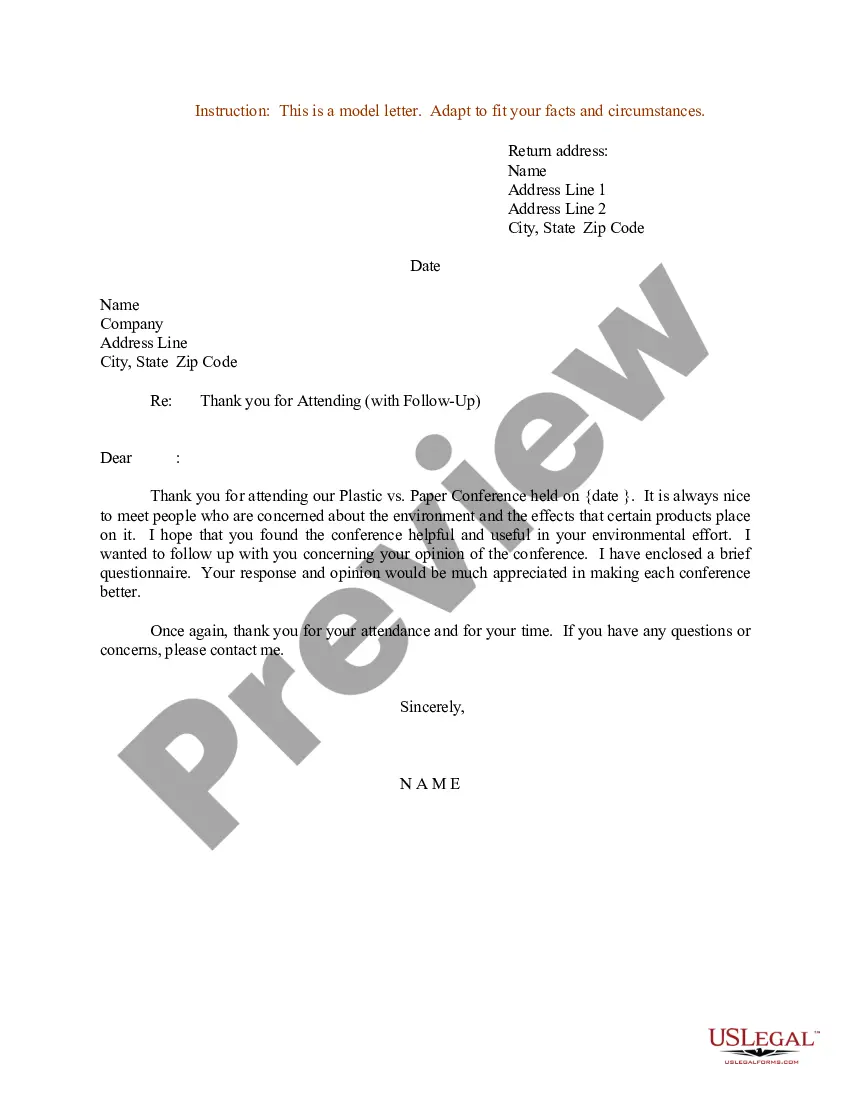
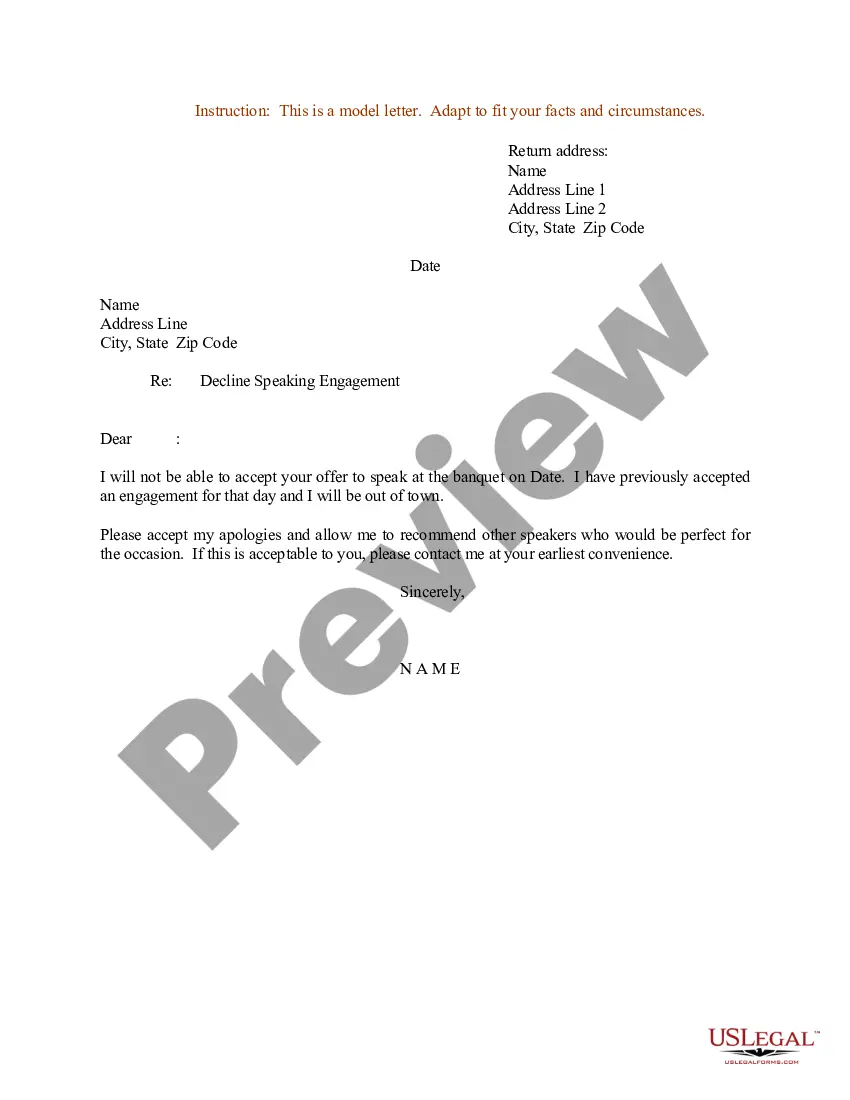
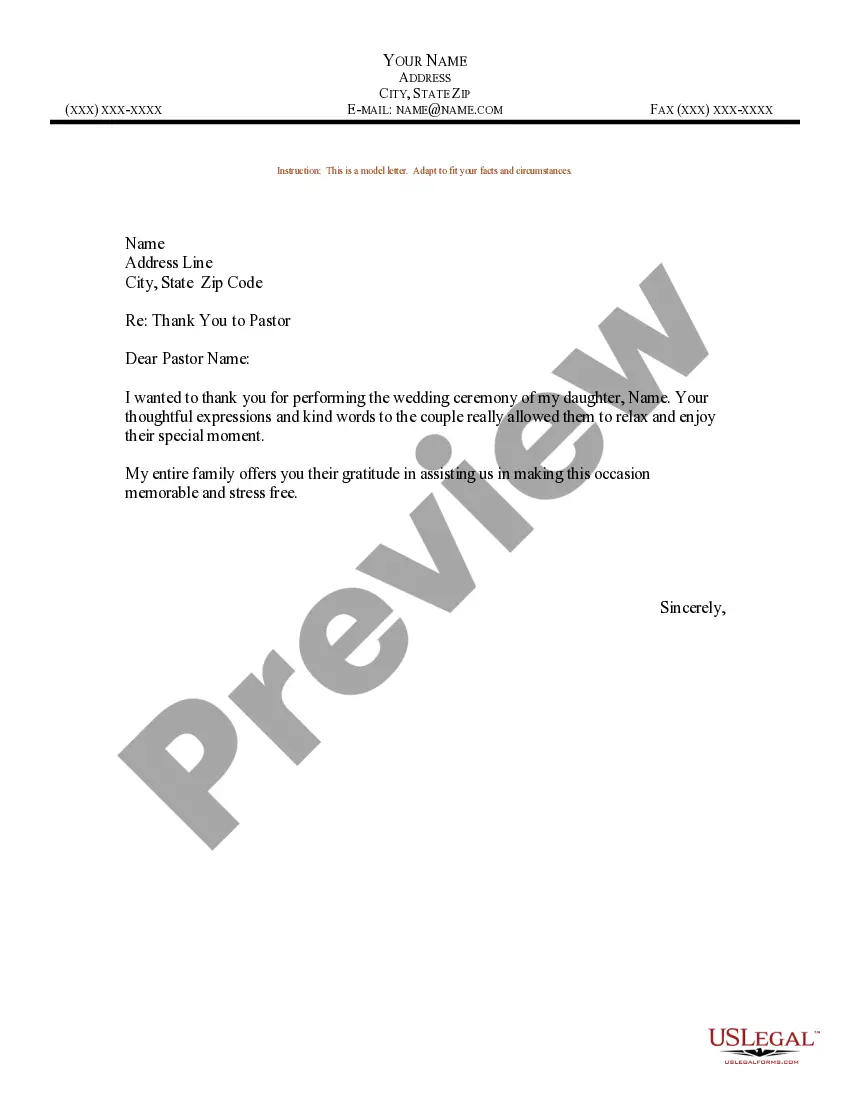
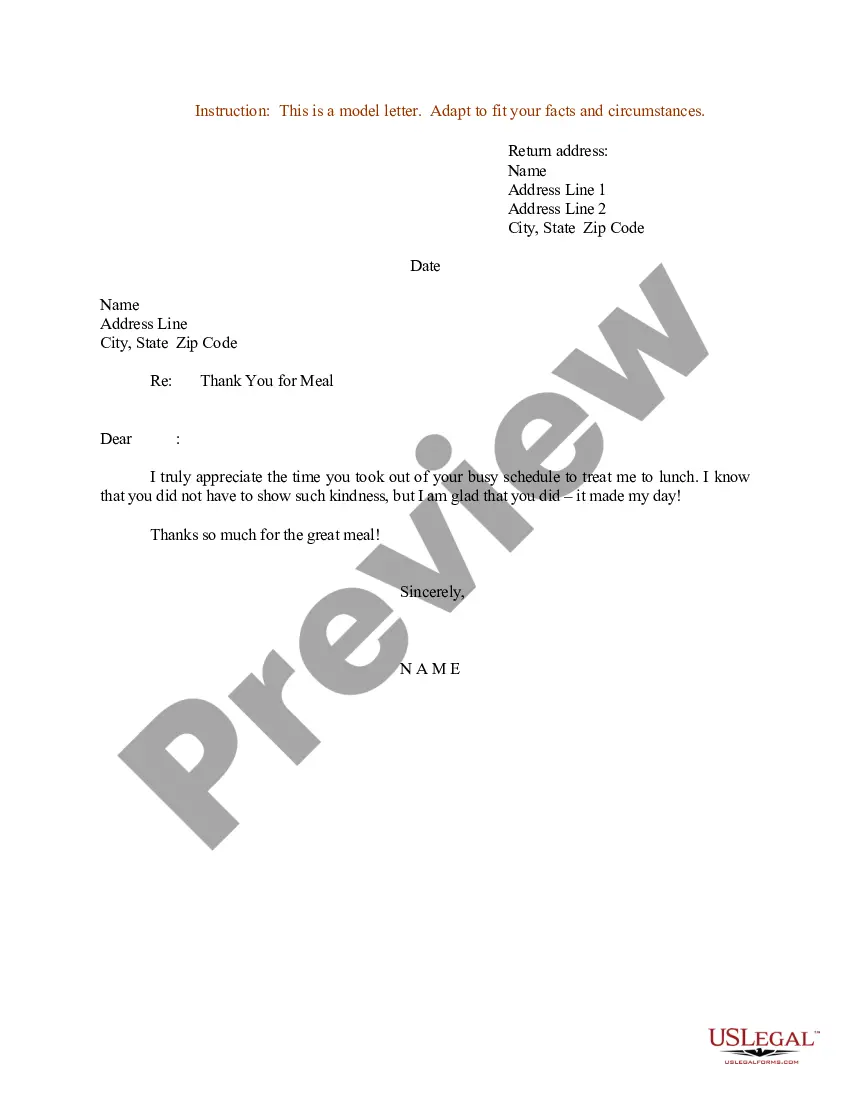
Get your form ready online
Our built-in tools help you complete, sign, share, and store your documents in one place.
Make edits, fill in missing information, and update formatting in US Legal Forms—just like you would in MS Word.
Download a copy, print it, send it by email, or mail it via USPS—whatever works best for your next step.
Sign and collect signatures with our SignNow integration. Send to multiple recipients, set reminders, and more. Go Premium to unlock E-Sign.
If this form requires notarization, complete it online through a secure video call—no need to meet a notary in person or wait for an appointment.
We protect your documents and personal data by following strict security and privacy standards.

Make edits, fill in missing information, and update formatting in US Legal Forms—just like you would in MS Word.

Download a copy, print it, send it by email, or mail it via USPS—whatever works best for your next step.

Sign and collect signatures with our SignNow integration. Send to multiple recipients, set reminders, and more. Go Premium to unlock E-Sign.

If this form requires notarization, complete it online through a secure video call—no need to meet a notary in person or wait for an appointment.

We protect your documents and personal data by following strict security and privacy standards.
Looking for another form?





Form popularity
FAQ
The law is now codified as part of the Texas Open Meetings Act and protects the right of a “member of the public” to air their concerns at public governmental board meetings as long as those concerns are “regarding an item on the agenda for an open meeting.” The law allows the school board to adopt “reasonable rules,” ...
The Open Meetings Act (Government Code, Chapter 551) provides that meetings of governmental bodies must be open to the public (except for expressly authorized executive sessions). Both state and regional agencies file notices of open meetings with the Secretary of State's office.
Open Board Meetings With the exception of some confidential topics, regular and special board meetings of property owners' associations must be open to all members. Actions that can only be taken at an open meeting are listed in Section 209.0051(h) of the Texas Property Code.
551.002. OPEN MEETINGS REQUIREMENT. Every regular, special, or called meeting of a governmental body shall be open to the public, except as provided by this chapter. Added by Acts 1993, 73rd Leg., ch.
The public hearing must be held at least five days after the date notice of public hearing is given. This hearing must be held on a weekday that is not a public holiday and must take place in a public building inside the taxing unit's boundaries or a suitable building to which the public have normal access.
The Open Meeting Act Made Easy is a handbook in a question-and-answer format that covers the most frequently asked questions about the Texas Open Meetings Act (“the Act”). The handbook addresses when the Act applies, what constitutes reasonable notice and the application of the Act to informal gatherings.
The Act requires that posted notices include the date, the hour and the place of the meeting. A description of each subject to be discussed must also be included in the notice. This means that the notice must be enough to alert the public, in general terms, the subjects that will be considered.
Create your pitch in five steps Spend some time thinking about and writing down your top work and school experiences using the STAR Method (Situation, Task, Action and Result). Shorten each story to a sentence or two focusing on your actions and the results of those actions. Analyze the common themes:
Start with a greeting: Begin your introduction with a warm and friendly greeting such as ``Hello,'' ``Hi,'' or ``Good (morning/afternoon/evening).'' Use your full name: State your name clearly, focusing on enunciating each syllable. You could say, ``My name is (Your Name).''
1 Know your audience. Before you send out any pitch, you need to do some research on your target audience. 2 Craft your hook. The first impression is crucial when it comes to pitching yourself for speaking opportunities. 3 Showcase your value. 4 Provide evidence. 5 Include a call to action. 6 Here's what else to consider.

