House Offer With Contingency In Maricopa
Description
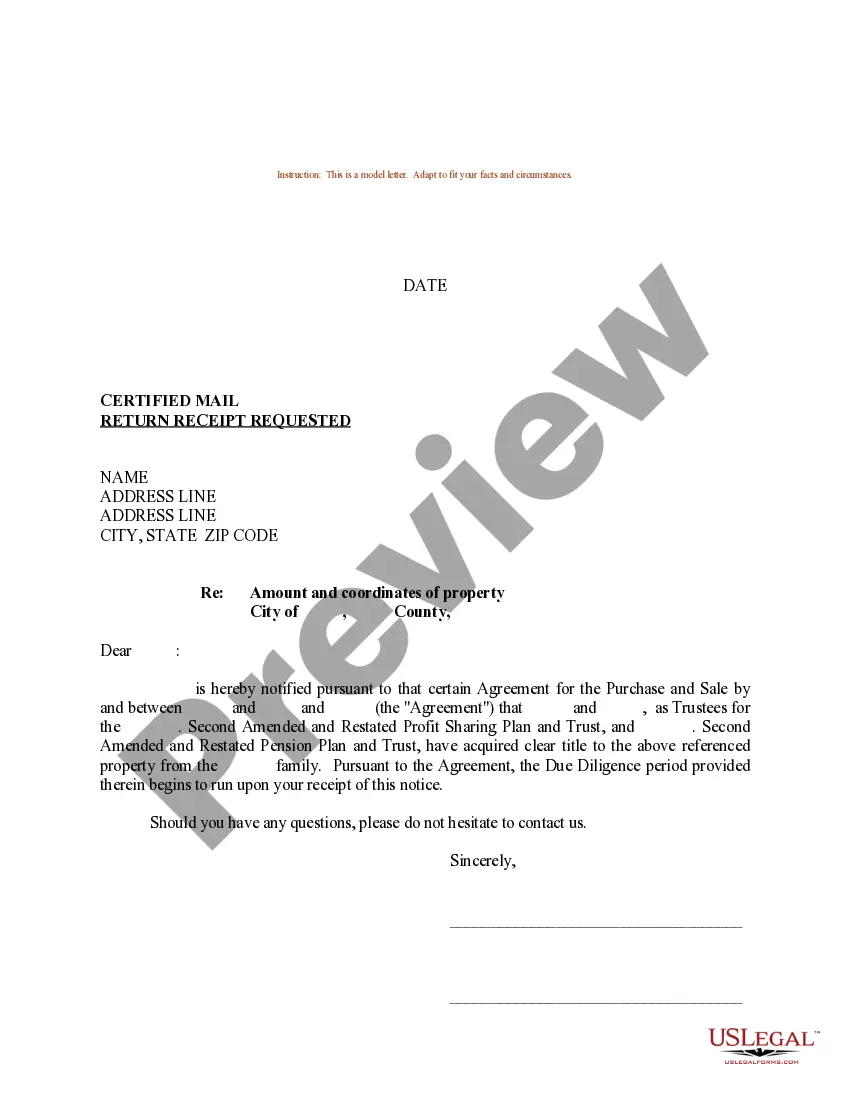
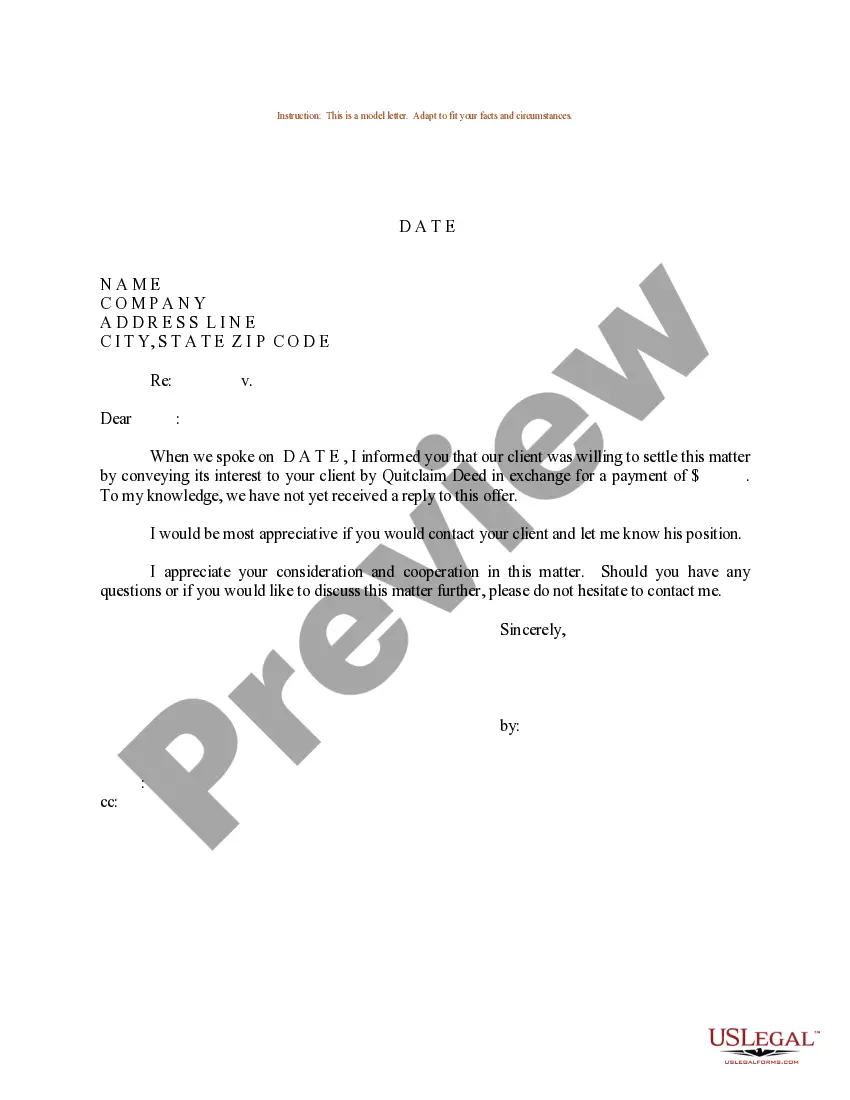
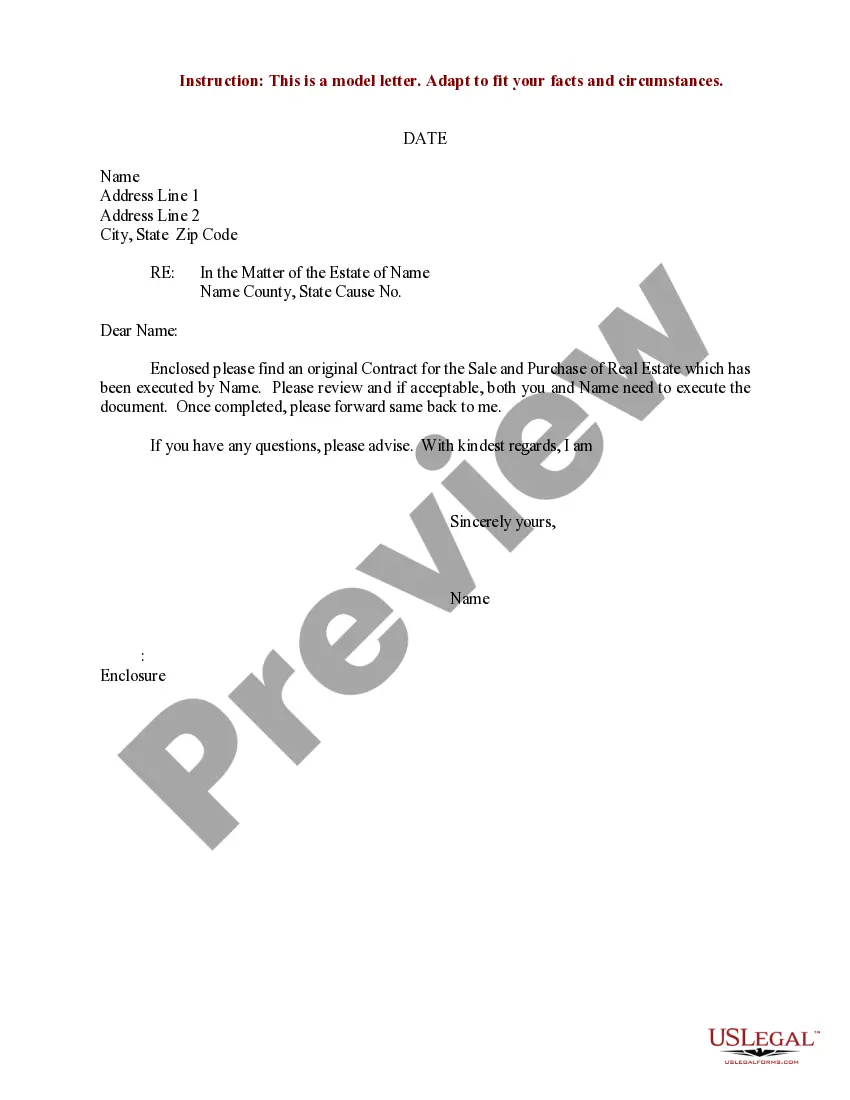

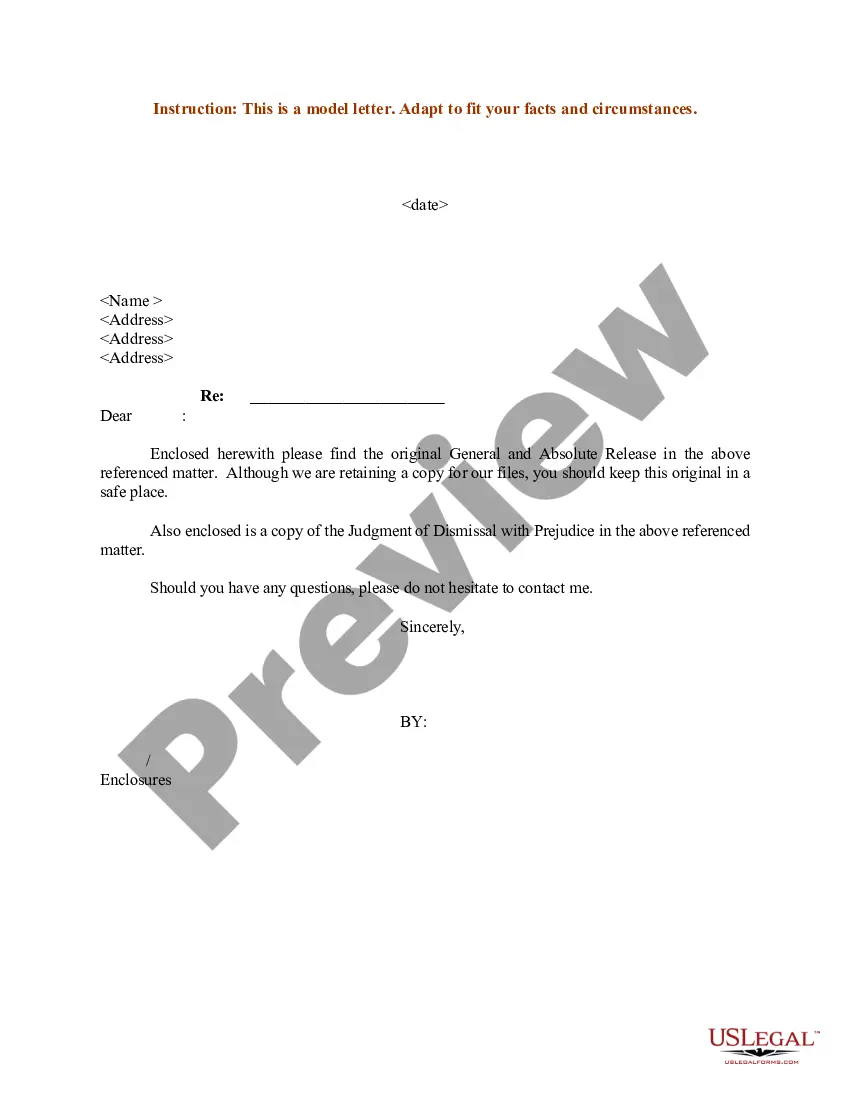
Get your form ready online
Our built-in tools help you complete, sign, share, and store your documents in one place.
Make edits, fill in missing information, and update formatting in US Legal Forms—just like you would in MS Word.
Download a copy, print it, send it by email, or mail it via USPS—whatever works best for your next step.
Sign and collect signatures with our SignNow integration. Send to multiple recipients, set reminders, and more. Go Premium to unlock E-Sign.
If this form requires notarization, complete it online through a secure video call—no need to meet a notary in person or wait for an appointment.
We protect your documents and personal data by following strict security and privacy standards.

Make edits, fill in missing information, and update formatting in US Legal Forms—just like you would in MS Word.

Download a copy, print it, send it by email, or mail it via USPS—whatever works best for your next step.

Sign and collect signatures with our SignNow integration. Send to multiple recipients, set reminders, and more. Go Premium to unlock E-Sign.

If this form requires notarization, complete it online through a secure video call—no need to meet a notary in person or wait for an appointment.

We protect your documents and personal data by following strict security and privacy standards.
Looking for another form?








Form popularity
FAQ
If you're interested in a property that's listed with an active contingent status, you may still be able to make an offer. While the initial offer will take precedence if all the contingencies are satisfied, making an offer can put you at the head of the line if the original deal falls through.
How to create a contingency plan Map out essential processes. Create a list of risks for each process. Evaluate the potential impact and likelihood of each risk. Calculate costs and contingency reserves, and identify issues to mitigate. Create a response plan for prioritized events. Test the contingency plan.
What Is a Contingency? A contingency is a potential occurrence of a negative event in the future, such as an economic recession, natural disaster, fraudulent activity, terrorist attack, or a pandemic.
In a contingency contract, the task defines exactly what behavior a person must engage in to access the reward. It should include what needs to be done, who must do it, when it must be done and details with how it must be done. It should be very clear and specific for all parties.
A contingency clause should clearly outline the conditions, how the conditions are to be fulfilled, and which party is responsible for fulfilling them. The clause should also provide a timeframe for what happens if the condition is not met.
You can still make an offer on a home if it's listed as contingent or pending, but you should consider where the property is in the process to determine the likelihood of your offer being accepted.
If you're looking for a house to make an offer on, a home listed as “contingent” will be better than one listed as “pending.” Though both houses would already be under contract, the contingent house is earlier in the process.
In real estate, the term 'contingent' means that an offer has been made and accepted based on certain conditions being met. These conditions could include things like a successful home inspection, the buyer securing financing, or the seller resolving any outstanding issues with the property title.
It won't hurt anything to look at a house listed as contingent. Nor will it hurt to submit a backup offer, if possible. That said, you should anticipate the original contract going through to close.
Owners whose home is in contingent status can accept a backup offer, and that offer will have precedence if the initial deal does not go through, so if you like a contingent property, it makes sense for you to make an offer on the listing so that you are in position to buy if something goes wrong with that transaction.

