Performance Agreements For Employees In Chicago
Description

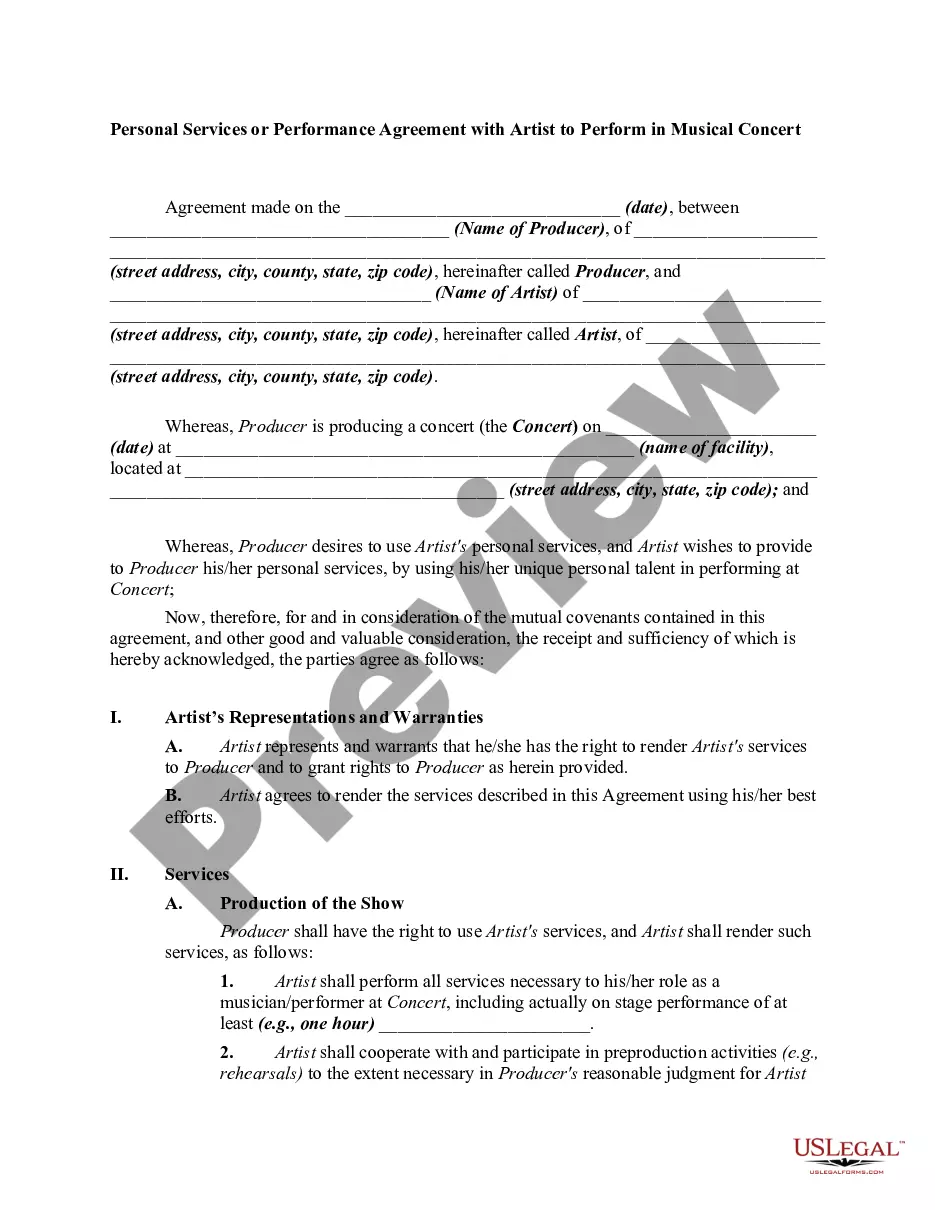
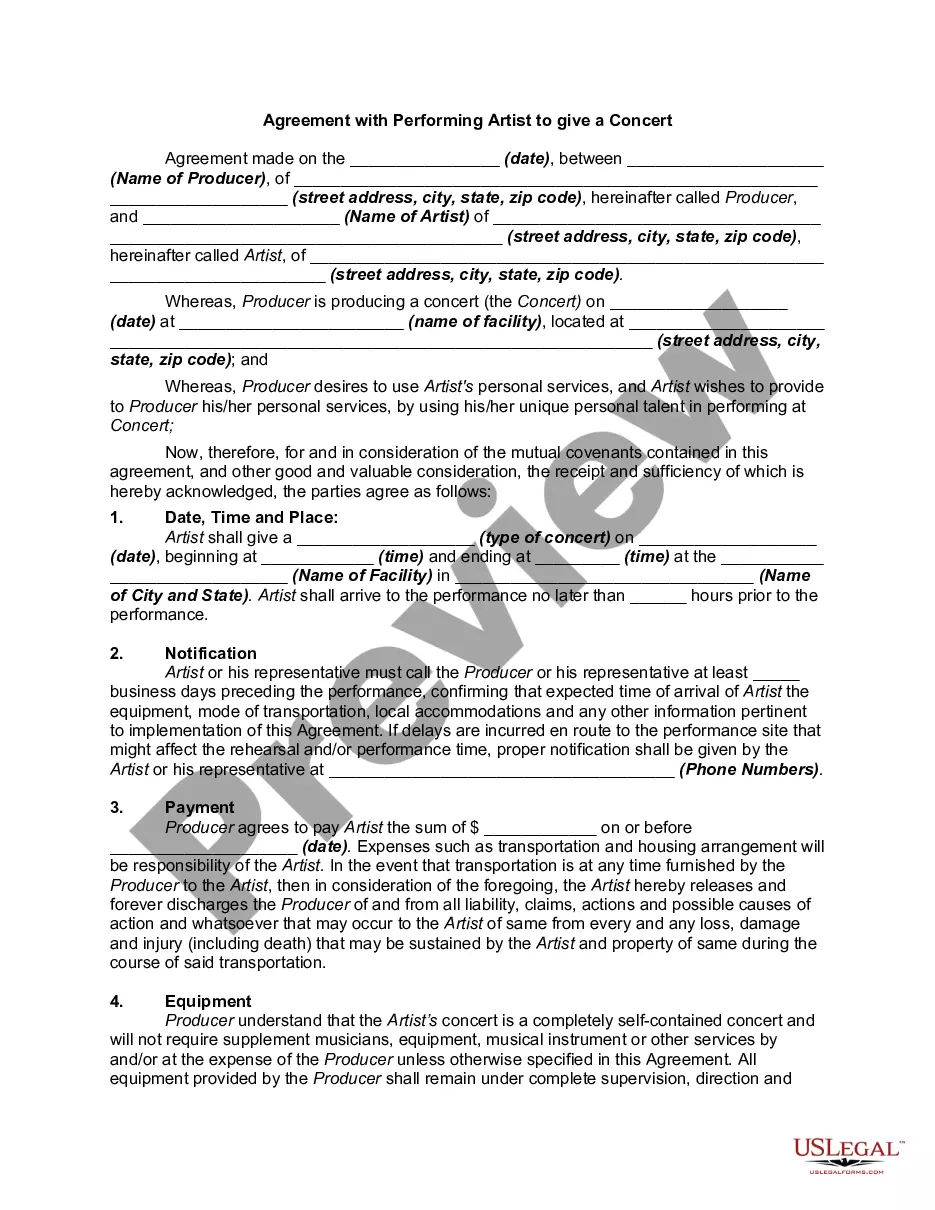
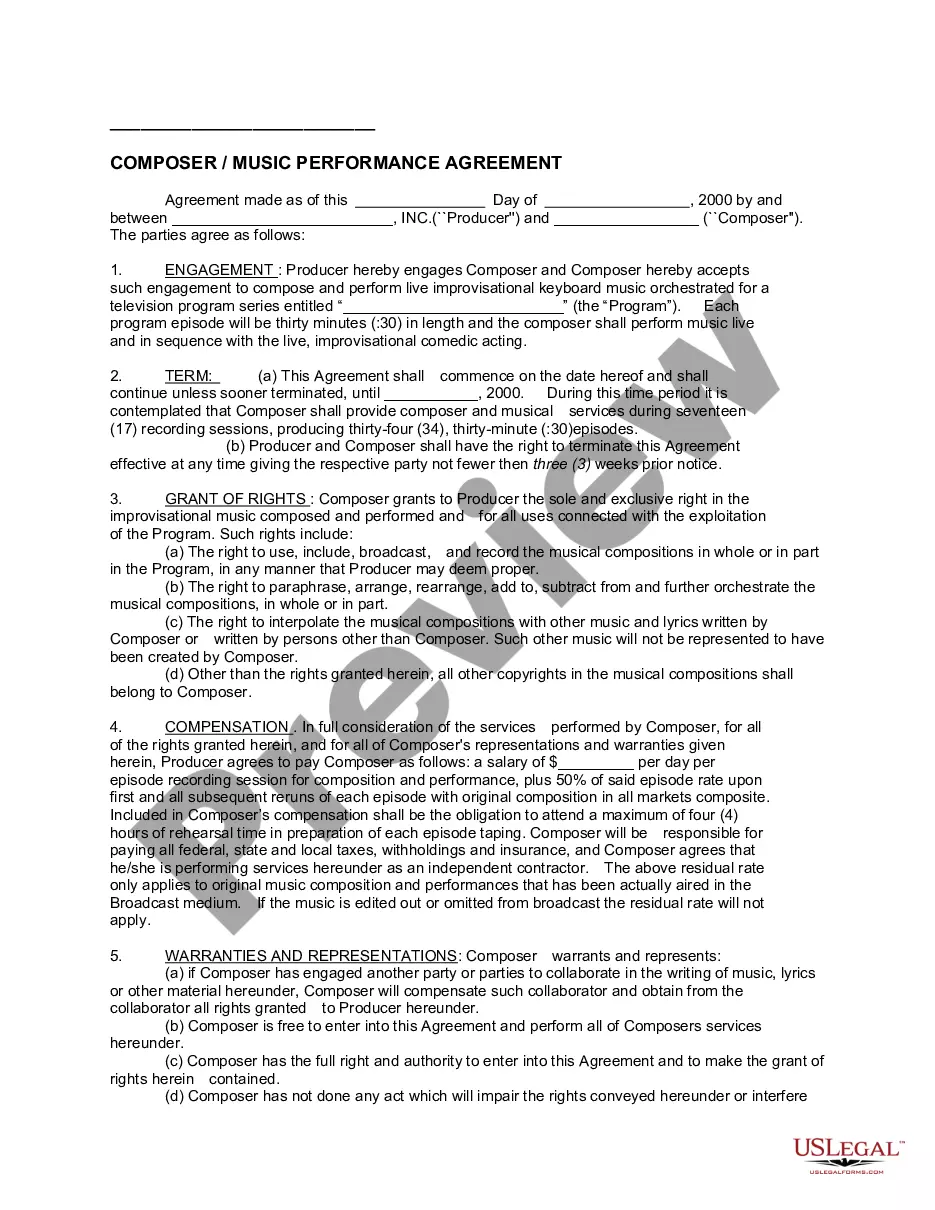
Get your form ready online
Our built-in tools help you complete, sign, share, and store your documents in one place.
Make edits, fill in missing information, and update formatting in US Legal Forms—just like you would in MS Word.
Download a copy, print it, send it by email, or mail it via USPS—whatever works best for your next step.
Sign and collect signatures with our SignNow integration. Send to multiple recipients, set reminders, and more. Go Premium to unlock E-Sign.
If this form requires notarization, complete it online through a secure video call—no need to meet a notary in person or wait for an appointment.
We protect your documents and personal data by following strict security and privacy standards.

Make edits, fill in missing information, and update formatting in US Legal Forms—just like you would in MS Word.

Download a copy, print it, send it by email, or mail it via USPS—whatever works best for your next step.

Sign and collect signatures with our SignNow integration. Send to multiple recipients, set reminders, and more. Go Premium to unlock E-Sign.

If this form requires notarization, complete it online through a secure video call—no need to meet a notary in person or wait for an appointment.

We protect your documents and personal data by following strict security and privacy standards.
Looking for another form?





Form popularity
FAQ
Performance agreements define executive accountability for specific organizational goals, help executives align daily operations, and clarify how work unit activities contribute to the agency's goals and objectives. Collaboration across organizational boundaries.
When you fill the form: Be honest and critical. Analyze your failures and mention the reasons for it. Keep the words minimal. Identify weaknesses. Mention your achievements. Link achievements to the job description and the organization's goals. Set the goals for the next review period. Resolve conflicts and grievances.
What Is a Performance Improvement Plan Lawsuit? A PIP is a tool employers use to address and document an employee's performance deficiencies and offer structured improvement. However, when employers misuse a PIP or violate labor laws during its implementation or execution, it can lead to a lawsuit.
An employee placed on a performance improvement plan because of alleged performance deficiencies typically is given a set period of time, usually 30 to 90 days, to meet certain performance goals or face termination. Some employers refer to it as probation or final warning status.
You typically cannot refuse a PIP where the terms are in line with your defined role, but you have a right to ask them to explain the terms, and more importantly how they will be measured so you can check if your performance is improving.
While it's true that PIPs are often a prelude to a termination, that's not always the case. If you're given a performance improvement plan, there's hope yet — in some cases, you can still fix the issues and keep your job.
Don't quit. If you have had a positive performance review recently then you may even have a case for constructive dismissal if it comes to it. A positive performance review followed by a PIP would be problematic for your employer at a tribunal unless your behaviour has changed radically.
Poor performance can be solved through coaching and mentoring provided through a PIP. A PIP is not a disciplinary step or groundwork to terminate an employee with cause. Rather, it is an opportunity to work with an employee to address concerns about their performance.
How to Address Unfair PIPs Understand Expectations and Timelines: Clarify your role, goals, and timelines with your manager. Ensure everything is documented. Regular Coaching: Request regular coaching sessions. Document Everything: Keep detailed records of all communications with your boss.
