Judgement Lien On Vehicle In San Jose
Description




Get your form ready online
Our built-in tools help you complete, sign, share, and store your documents in one place.
Make edits, fill in missing information, and update formatting in US Legal Forms—just like you would in MS Word.
Download a copy, print it, send it by email, or mail it via USPS—whatever works best for your next step.
Sign and collect signatures with our SignNow integration. Send to multiple recipients, set reminders, and more. Go Premium to unlock E-Sign.
If this form requires notarization, complete it online through a secure video call—no need to meet a notary in person or wait for an appointment.
We protect your documents and personal data by following strict security and privacy standards.

Make edits, fill in missing information, and update formatting in US Legal Forms—just like you would in MS Word.

Download a copy, print it, send it by email, or mail it via USPS—whatever works best for your next step.

Sign and collect signatures with our SignNow integration. Send to multiple recipients, set reminders, and more. Go Premium to unlock E-Sign.

If this form requires notarization, complete it online through a secure video call—no need to meet a notary in person or wait for an appointment.

We protect your documents and personal data by following strict security and privacy standards.
Looking for another form?






Form popularity
FAQ
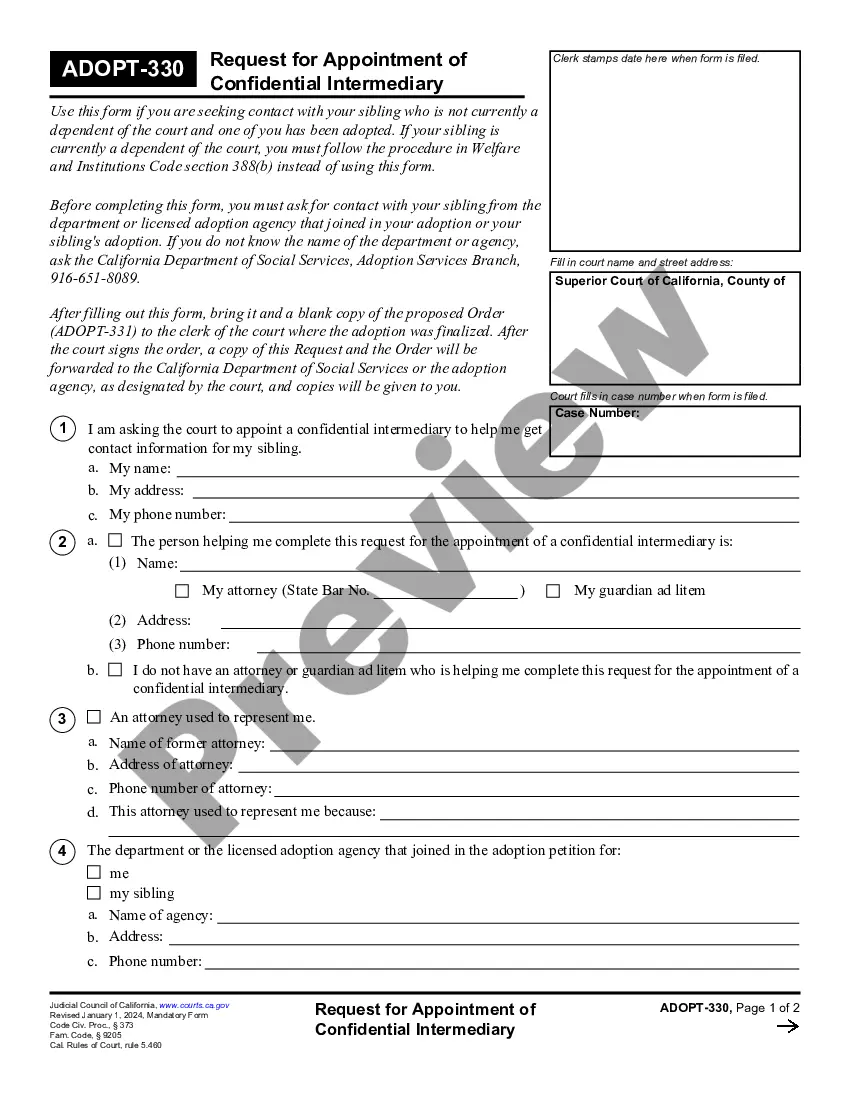
If you put liens on the other side's property, you or the other side must remove them. To remove a lien, file a certified copy of the Acknowledgment of Satisfaction of Judgment (form EJ-100) with each county recorder's office where you put the lien on their property.
You can remove the lien by providing DMV with proof of possession, such as: For registered owners, a vehicle verification or proof of payment on the lienholder's letterhead.
Most judgments (the court order saying what you're owed) expire in 10 years. This means you can't collect on it after 10 years. To avoid this, you can ask the court to renew it. A renewal lasts 10 years.
Lien Release: After a lien has been filed, the California claimant can release or cancel the lien by filing a Mechanics Lien Release form with the county recorder's office where the lien was originally recorded.
Here are a few ways to remove the lien: Invalidate the lien. If the lien is invalid or was obtained in a manner that doesn't follow the procedural requirements under the law, an attorney may be able to strip the lien from the property. Satisfy the debt. Negotiate a lower payoff. File for bankruptcy.
Essentially, consensual liens don't adversely affect your credit as long as repayment terms are satisfied. Judgment and most statutory liens have a negative impact on your credit score and report, which affect your ability to obtain financing in the future.
A lien expires 10 years from the date of recording or filing, unless we extend it. If we extend the lien, we will send a new Notice of State Tax Lien and record or file it with the county recorder or California Secretary of State.
In California, a lien must be enforced within 90 days of filing. If the lien is not perfected within this timeframe, it becomes unenforceable, and the contractor or supplier may lose the right to payment through the lien process.
Enforcing Your Judgment Get in touch with the judgment debtor. Levy (seize) assets that you have personal knowledge of. Examine judgment debtor in court to locate unknown assets. Suspend the judgment debtor's driver's license if the judgment is for auto accident.
In California, the process for enforcing a mechanical lien involves giving notice to the owner of the vehicle and any other interested parties, such as lienholders or insurance companies. The notice must include information about the lien, the amount owed, and the deadline for payment.

