Lien Judgement On Credit Report In Georgia
Description




Get your form ready online
Our built-in tools help you complete, sign, share, and store your documents in one place.
Make edits, fill in missing information, and update formatting in US Legal Forms—just like you would in MS Word.
Download a copy, print it, send it by email, or mail it via USPS—whatever works best for your next step.
Sign and collect signatures with our SignNow integration. Send to multiple recipients, set reminders, and more. Go Premium to unlock E-Sign.
If this form requires notarization, complete it online through a secure video call—no need to meet a notary in person or wait for an appointment.
We protect your documents and personal data by following strict security and privacy standards.

Make edits, fill in missing information, and update formatting in US Legal Forms—just like you would in MS Word.

Download a copy, print it, send it by email, or mail it via USPS—whatever works best for your next step.

Sign and collect signatures with our SignNow integration. Send to multiple recipients, set reminders, and more. Go Premium to unlock E-Sign.

If this form requires notarization, complete it online through a secure video call—no need to meet a notary in person or wait for an appointment.

We protect your documents and personal data by following strict security and privacy standards.
Looking for another form?
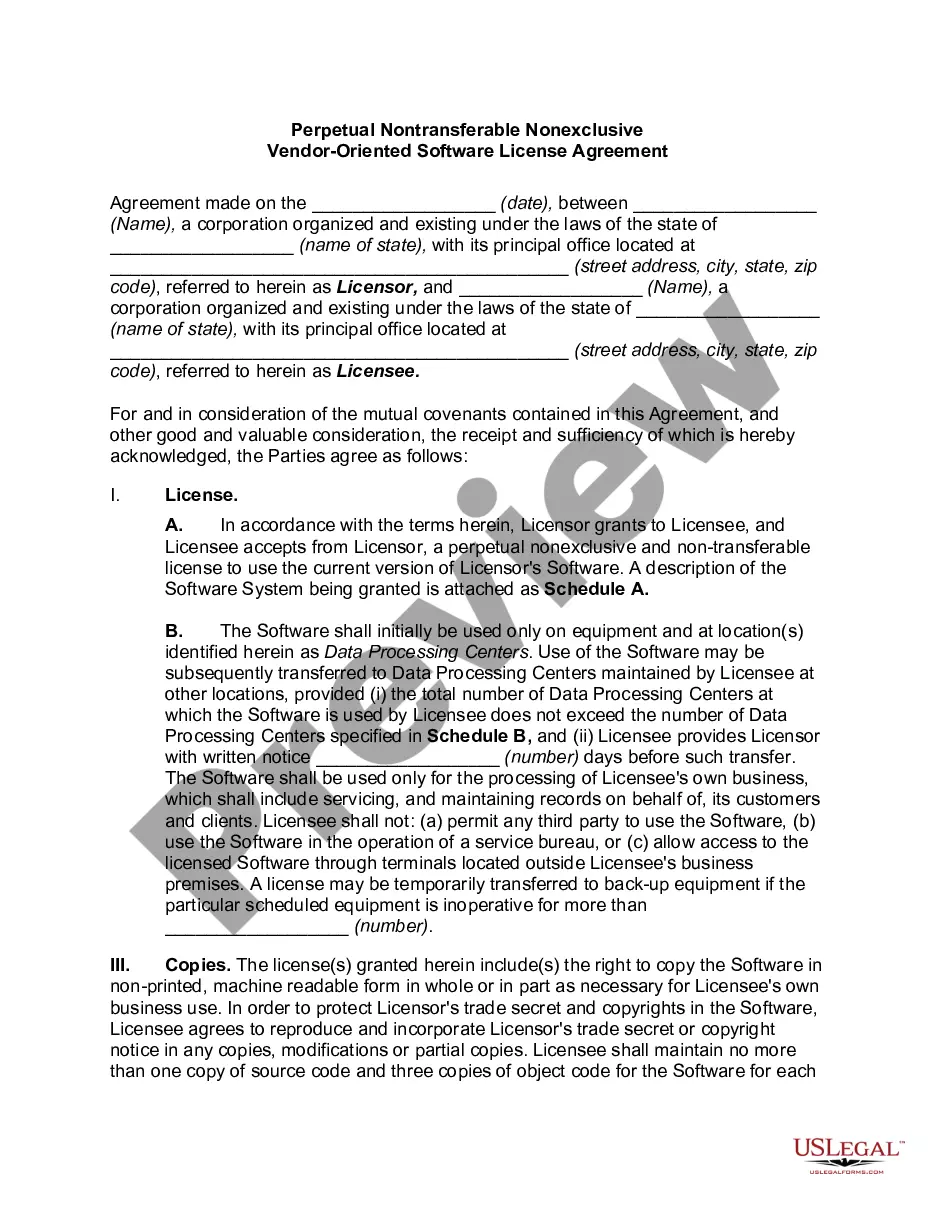
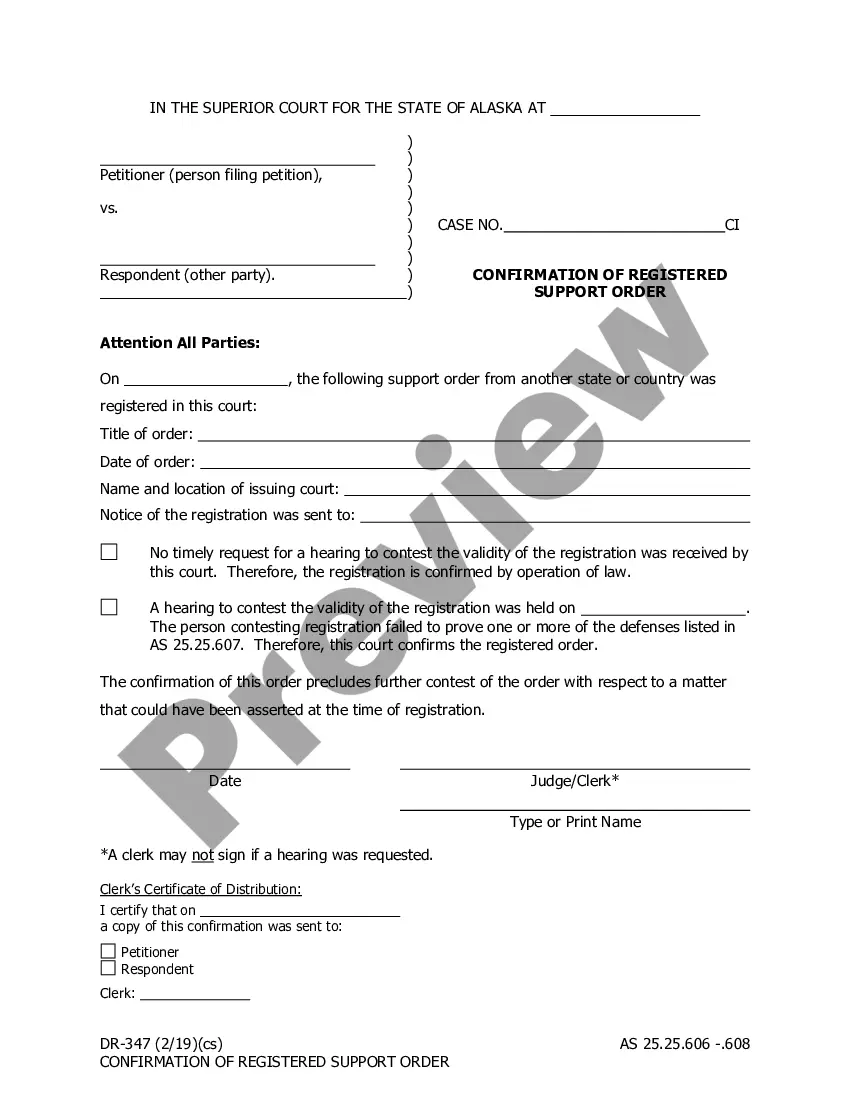
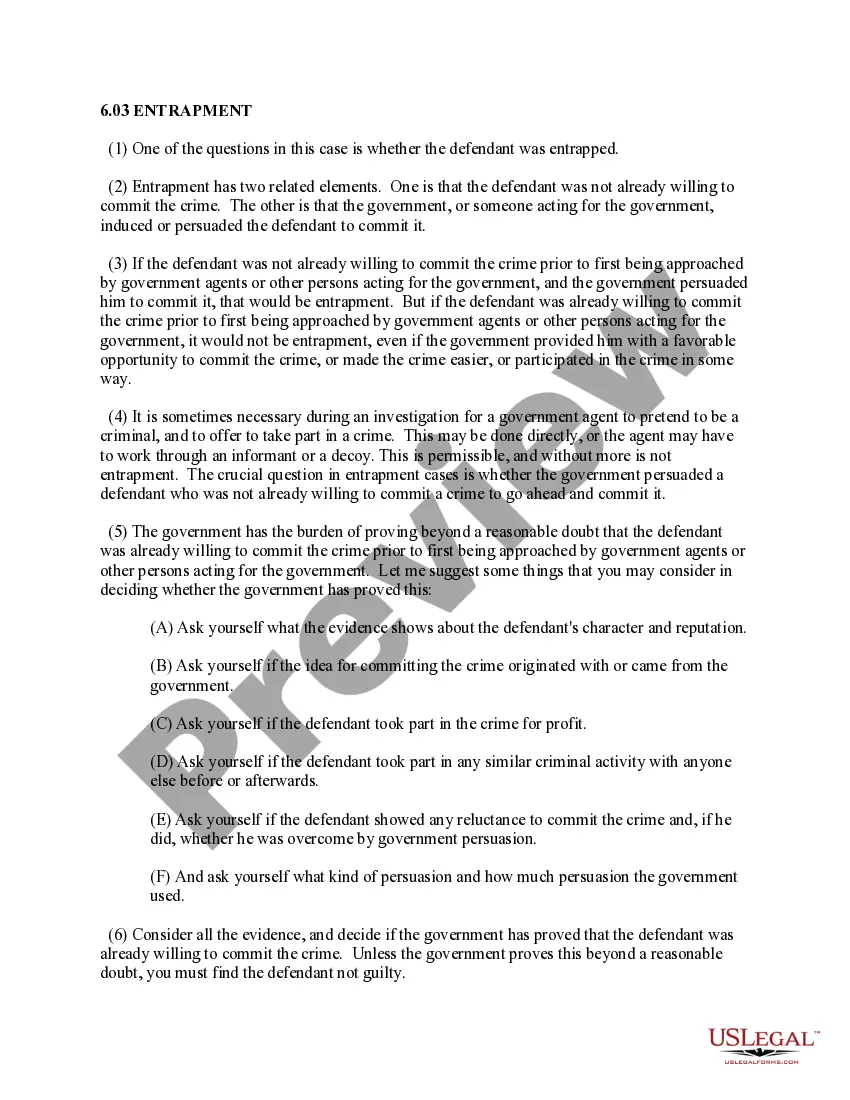


Form popularity
FAQ
Having a judgment filed against you brings with it a new level of debt collection. Thankfully, there are some things you can do to ease the pain. A judgment is nothing more than a decision by a court that has been entered into the public record.
A judgment is good for 7 years and may be renewed by filing the appropriate forms with the Clerk of Magistrate Court.
A judgment becomes dormant and unenforceable when seven years lapse after the granting of the judgment, but may be revived by an additional entry within seven years from the initial judgment. Ga. Code Ann. § 9-12-60.
Involuntary Liens On the contrary, an involuntary lien can be placed on a property regardless of whether the owner wants it on their property. In other words, an owner's property can be claimed against their will if payments aren't made in a specified time period.
You can go to and download any forms you need, including the MV-1 and T-53A forms. Fill out these forms, typewritten, and submit to the appropriate County Tax/Tag Office, along with $18.00 and a copy of the writ of Fi Fa.
Judgments have expiration dates. If they are not timely renewed, they expire. In CA that is 10 years. However, when a judgment lien has been recorded against your property, it has no expiration date.
Record the lien of security interest with Clerk of Superior Court's office in the county where the vehicle owner resides, under the provisions of the Uniform Commercial Code. Contact the Georgia Superior Court Clerks' Cooperative Authority for required forms, filing fees, and additional information.
Use the VIN to do a lien history check. In many states, you can do an online lien history search on a vehicle by using its VIN. Check the website of your local department of motor vehicle services (or equivalent) to see if this method is available to you.
The Georgia Department of Revenue's website is the primary repository for state tax liens. Individuals can visit the agency's Georgia Tax Center to look up tax liens with SOLVED, the Search for a Lien tool. The tool disseminates information on tax liens filed by the state for unpaid taxes.
A judgment becomes dormant and unenforceable when seven years lapse after the granting of the judgment, but may be revived by an additional entry within seven years from the initial judgment. Ga. Code Ann. § 9-12-60.

