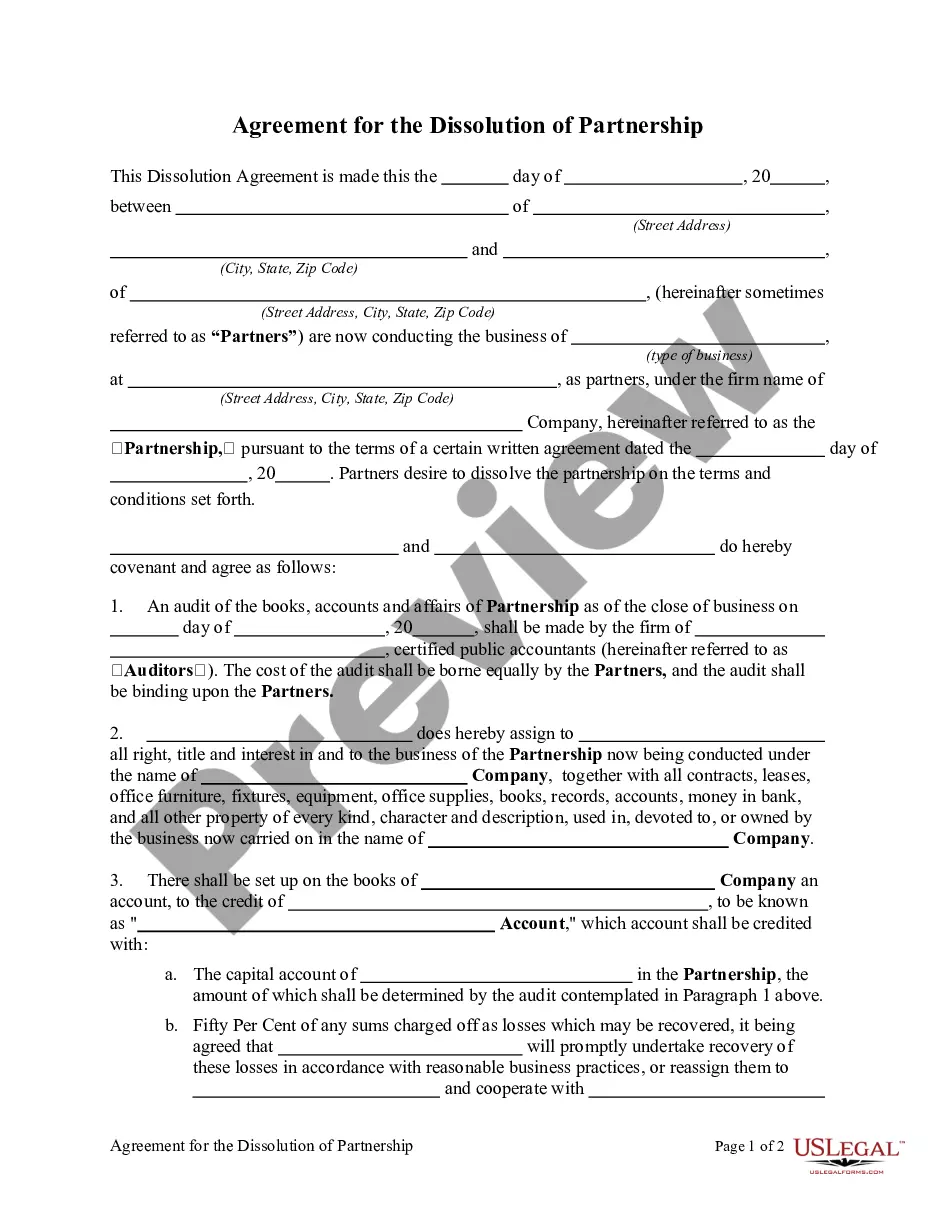
Judgment Note Form With Two Points In Dallas
Description




Get your form ready online
Our built-in tools help you complete, sign, share, and store your documents in one place.
Make edits, fill in missing information, and update formatting in US Legal Forms—just like you would in MS Word.
Download a copy, print it, send it by email, or mail it via USPS—whatever works best for your next step.
Sign and collect signatures with our SignNow integration. Send to multiple recipients, set reminders, and more. Go Premium to unlock E-Sign.
If this form requires notarization, complete it online through a secure video call—no need to meet a notary in person or wait for an appointment.
We protect your documents and personal data by following strict security and privacy standards.

Make edits, fill in missing information, and update formatting in US Legal Forms—just like you would in MS Word.

Download a copy, print it, send it by email, or mail it via USPS—whatever works best for your next step.

Sign and collect signatures with our SignNow integration. Send to multiple recipients, set reminders, and more. Go Premium to unlock E-Sign.

If this form requires notarization, complete it online through a secure video call—no need to meet a notary in person or wait for an appointment.

We protect your documents and personal data by following strict security and privacy standards.
Looking for another form?







Form popularity
FAQ
The total amount of your small claim lawsuit cannot exceed $20,000. The limit is set by Section 27.031 of the Texas Government Code. This statute gives the justice courts jurisdiction over civil matters in disputes of less than $20,000.
The following general information explains the process of filing a claim against the City of Dallas: Accurately complete the "Notice of Claim" form describing in detail the incident causing your claim. Estimate the amount of your damages. will contact you to discuss the facts of your claim.
The amount of debt or damages for which you may sue in small claims court may not exceed $20,000, excluding statutory interest and court costs but including attorney fees, if any.
(Clean Version) Rule 7.1. A court, including an appellate, district, statutory county, business, statutory probate, constitutional county, justice, and municipal court, must adopt a policy governing court confidentiality.
Traditional and no-evidence are the two types of summary judgment motions.
Judicial records are open to the public unless exempt from disclosure, and where a respondent does not raise exemptions and the special committee cannot conclude any apply the records must be released.
In addition to good, evidence-based story-telling, the summary judgment motion should also include a succinct title and introduction, which should address whether or not the party is filing a Traditional Summary Judgment as a plaintiff (Rule 166a(a)) or as a defendant (Rule 166a(b)); what kind of summary judgment is ...
Generally, to file a judgment lien, an abstract of judgment must be issued by the justice court. Some justice courts have a form available on their website to request an abstract of judgment.