Sample Authorization Letter For Sss Representative In Sacramento
Description




Get your form ready online
Our built-in tools help you complete, sign, share, and store your documents in one place.
Make edits, fill in missing information, and update formatting in US Legal Forms—just like you would in MS Word.
Download a copy, print it, send it by email, or mail it via USPS—whatever works best for your next step.
Sign and collect signatures with our SignNow integration. Send to multiple recipients, set reminders, and more. Go Premium to unlock E-Sign.
If this form requires notarization, complete it online through a secure video call—no need to meet a notary in person or wait for an appointment.
We protect your documents and personal data by following strict security and privacy standards.

Make edits, fill in missing information, and update formatting in US Legal Forms—just like you would in MS Word.

Download a copy, print it, send it by email, or mail it via USPS—whatever works best for your next step.

Sign and collect signatures with our SignNow integration. Send to multiple recipients, set reminders, and more. Go Premium to unlock E-Sign.

If this form requires notarization, complete it online through a secure video call—no need to meet a notary in person or wait for an appointment.

We protect your documents and personal data by following strict security and privacy standards.
Looking for another form?
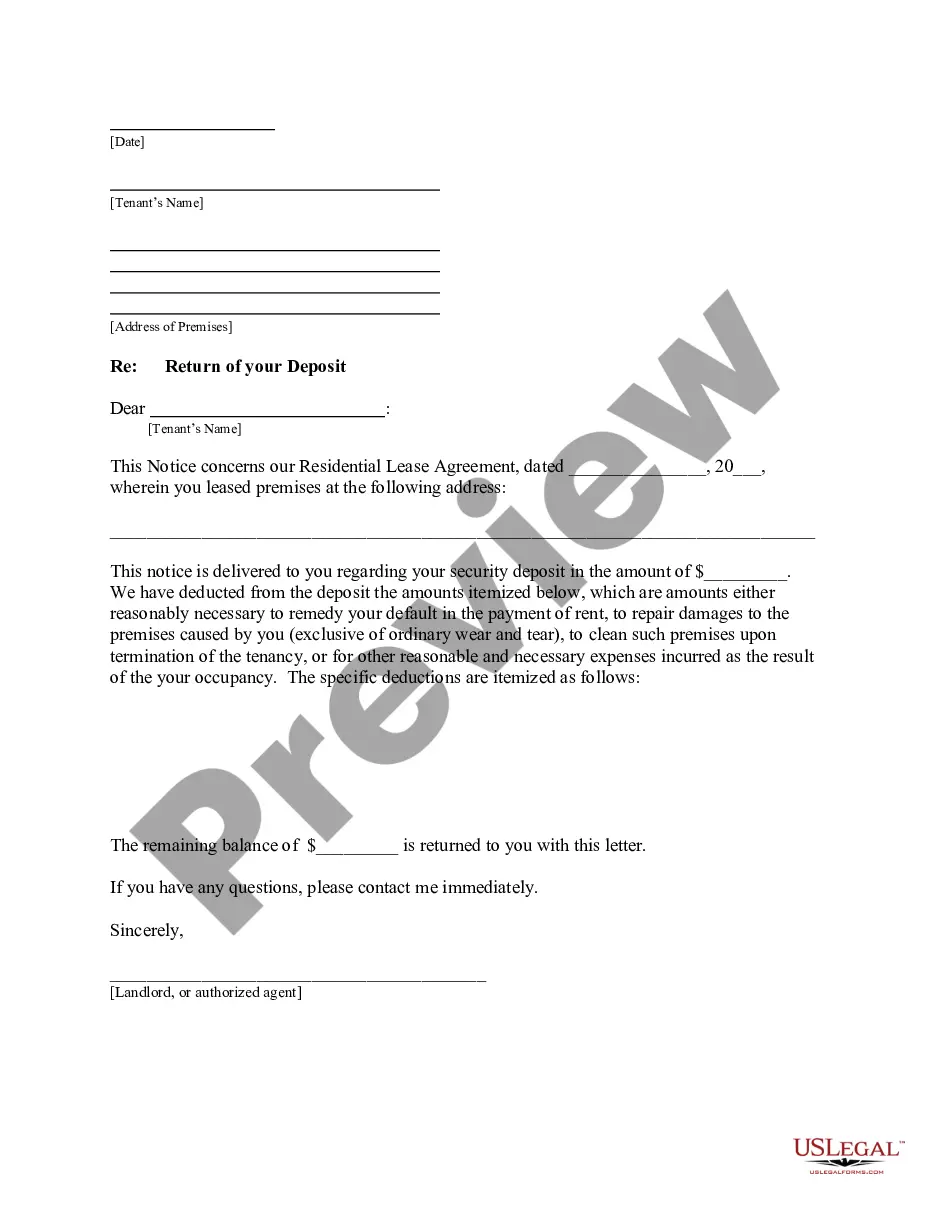






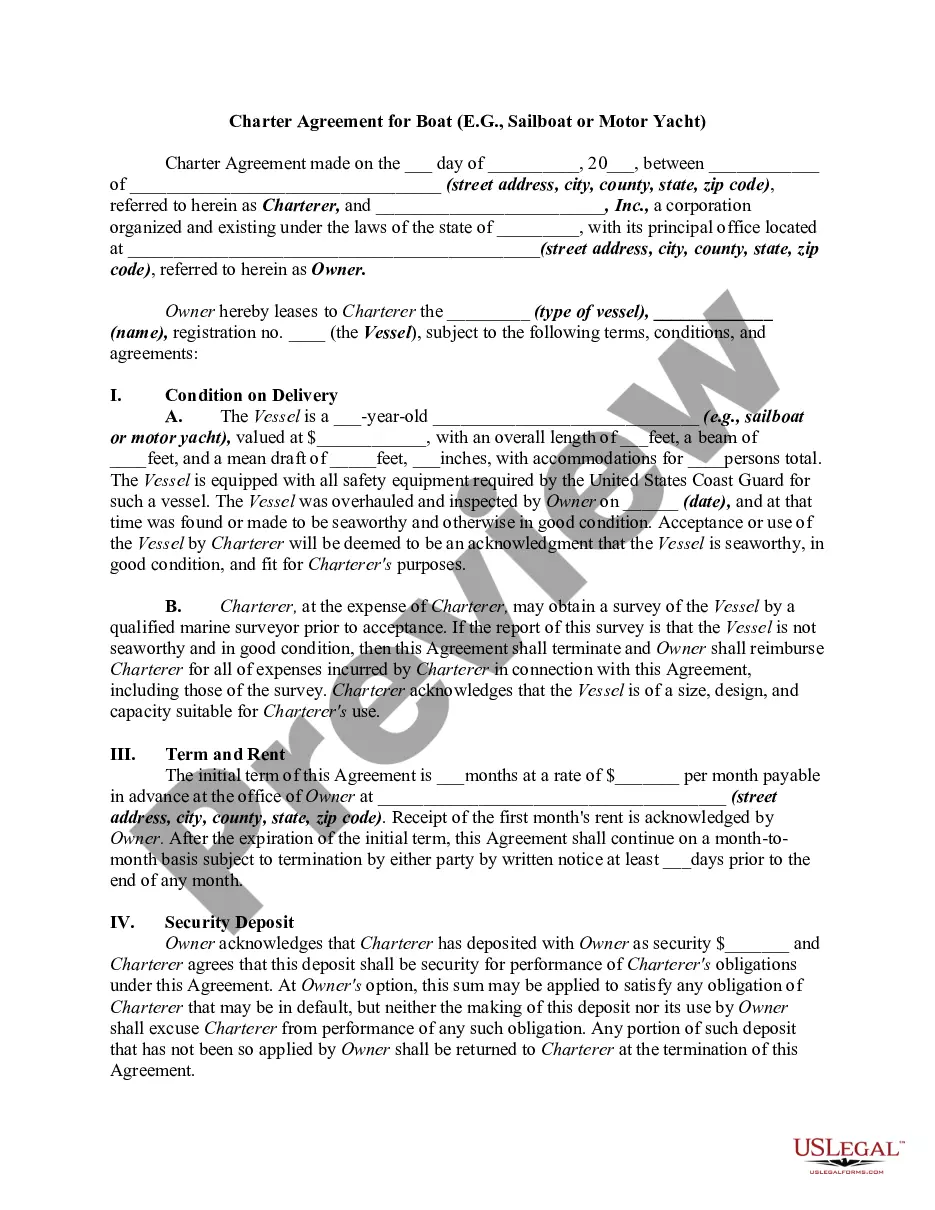
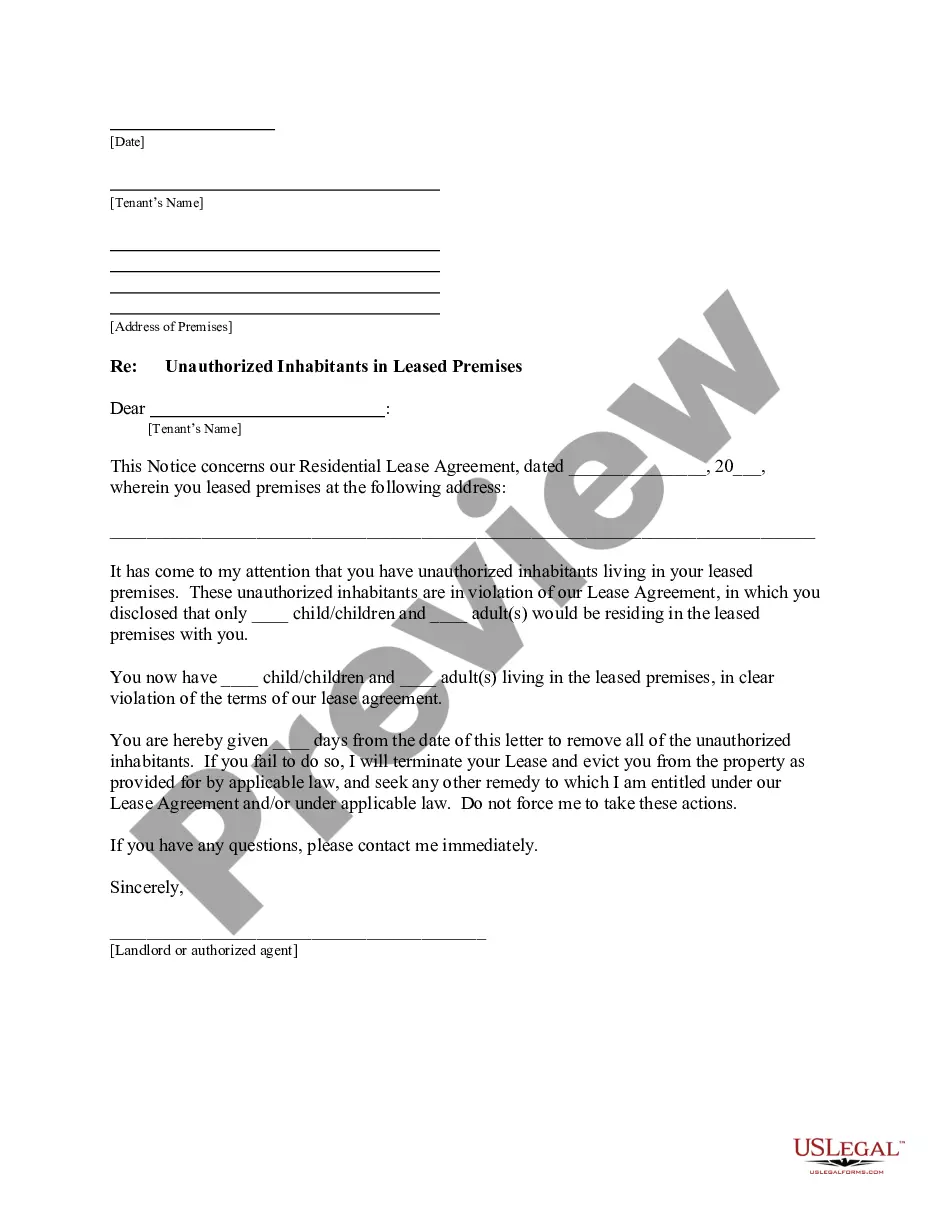
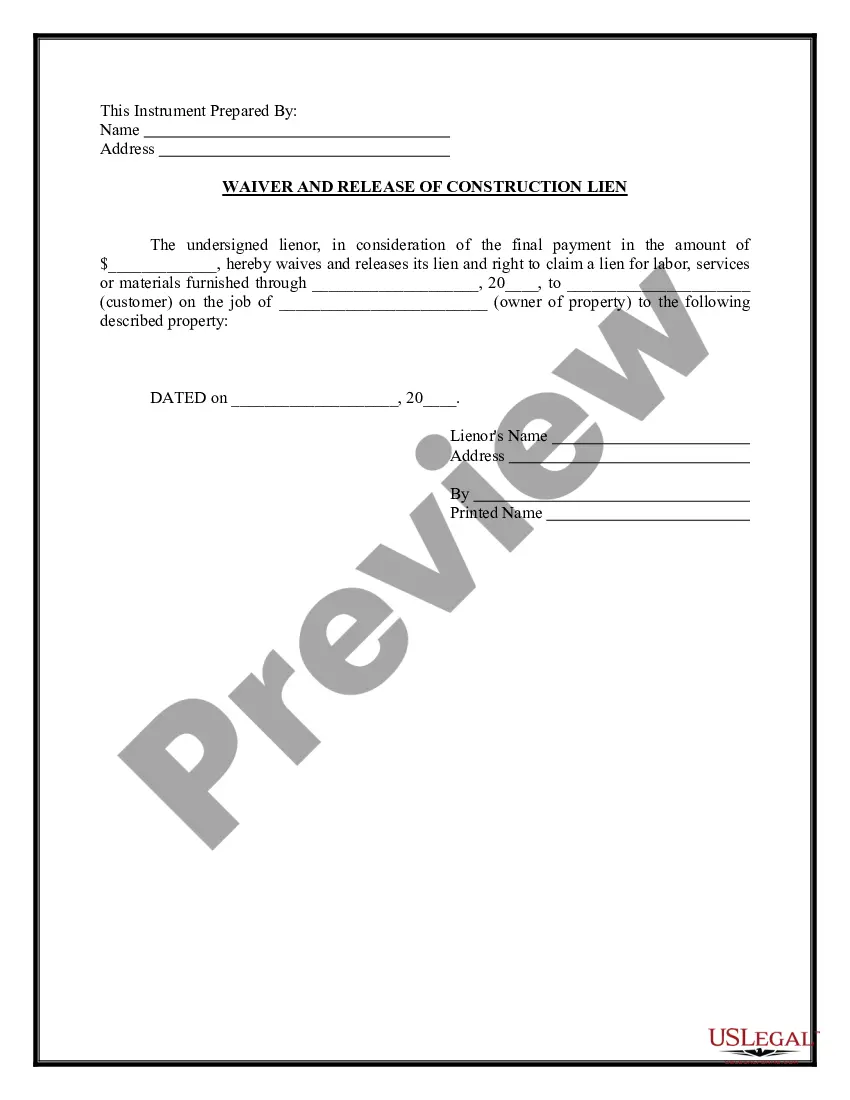
Form popularity
FAQ
Answer. The format of an authorization letter should include the date, the name of the person to whom it is addressed, details about the person who has been authorized (such as name and identity proof), the reason for his absence, the duration of the authorized letter, and the action to be performed by another person.
5 steps to write a letter of authorization. Identify the parties involved. Specify the authority granted. Define the duration of the agreement. Include any necessary details. Sign the document.
Authorization Letter Format Dear (Recipient's Name), I, (Your Full Name), hereby authorize (Authorized Person's Full Name) to act on my behalf for (specific task or responsibility). (He/She) is authorized to (describe the task, e.g., collect my documents, handle financial transactions, etc.)
Every notarized letter of authorization must list the names of the requesting parties and the reason for authorization. The document must also contain the signatures of each party as well as the notary public's signature to confirm that they witnessed and verified the signatures.
Formal Authorization Letter Format Dear Recipient's Name, I, Your Name, am writing to formally authorize Authorized Person's Name to act on my behalf regarding specific task or purpose, e.g., collecting documents, attending meetings, etc.. Details of the Authorized Person: Name: Authorized Person's Name
Dear Recipient's Name, I, Your Full Name, hereby authorize Authorized Person's Full Name to act on my behalf in all matters related to Specify the Purpose of Authorization, e.g., financial transactions, signing documents, accessing records, etc..
Answer. The format of an authorization letter should include the date, the name of the person to whom it is addressed, details about the person who has been authorized (such as name and identity proof), the reason for his absence, the duration of the authorized letter, and the action to be performed by another person.
For SSS purposes, a simple authorization letter is typically sufficient for routine tasks such as filing documents or submitting inquiries. However, for more significant transactions, such as collecting large benefits or managing financial matters, an SPA may be required by the SSS.

