Artist Agreement Form Template For Photography In Pima
Description

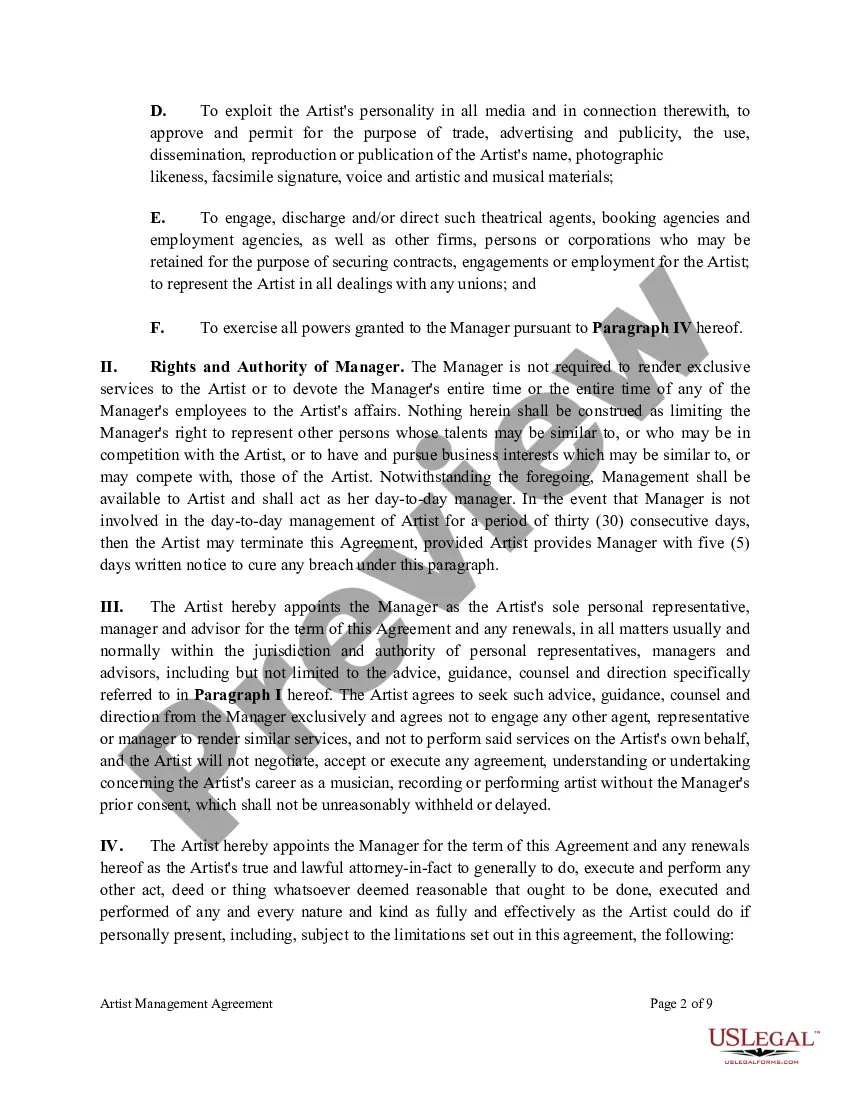
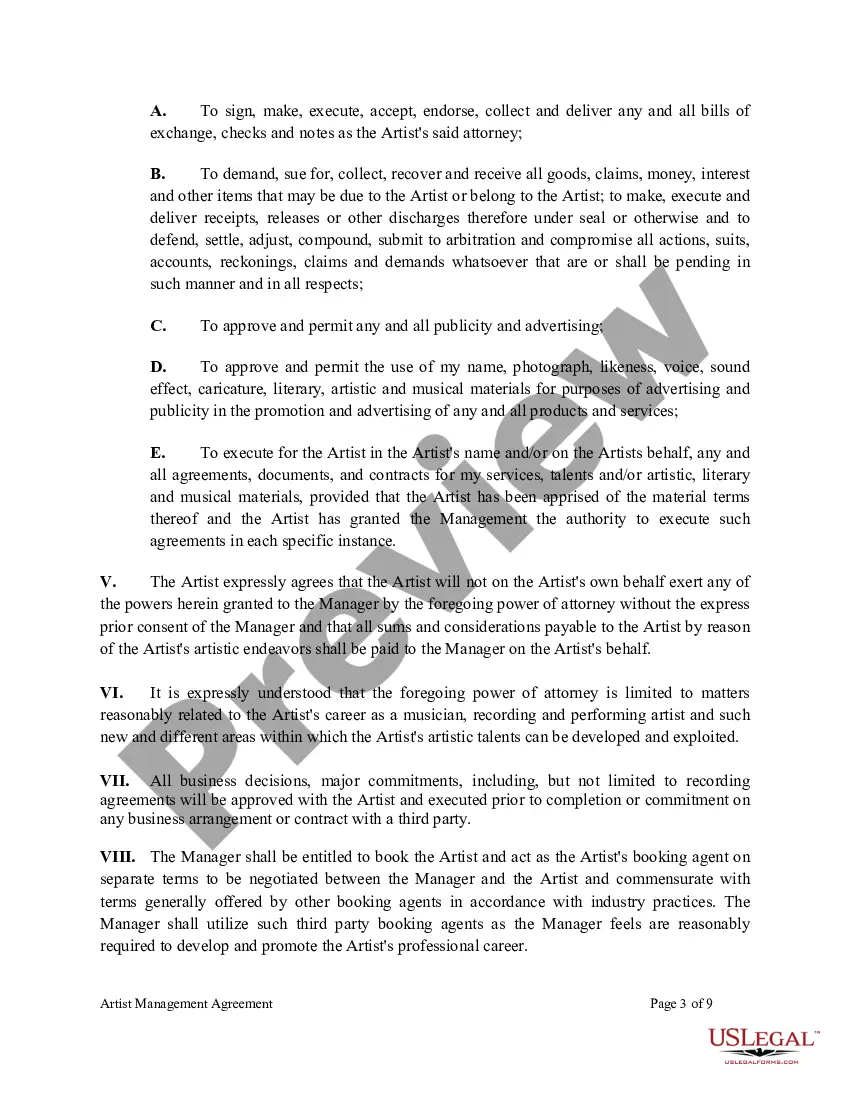
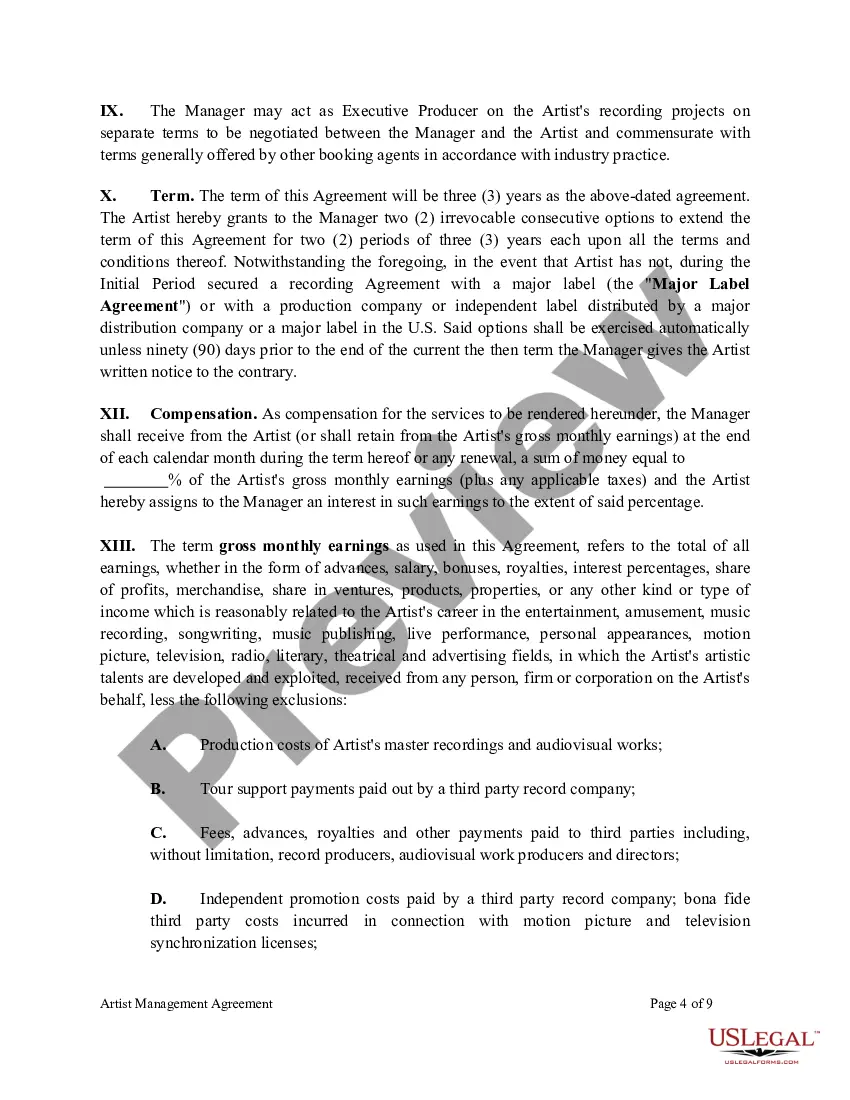
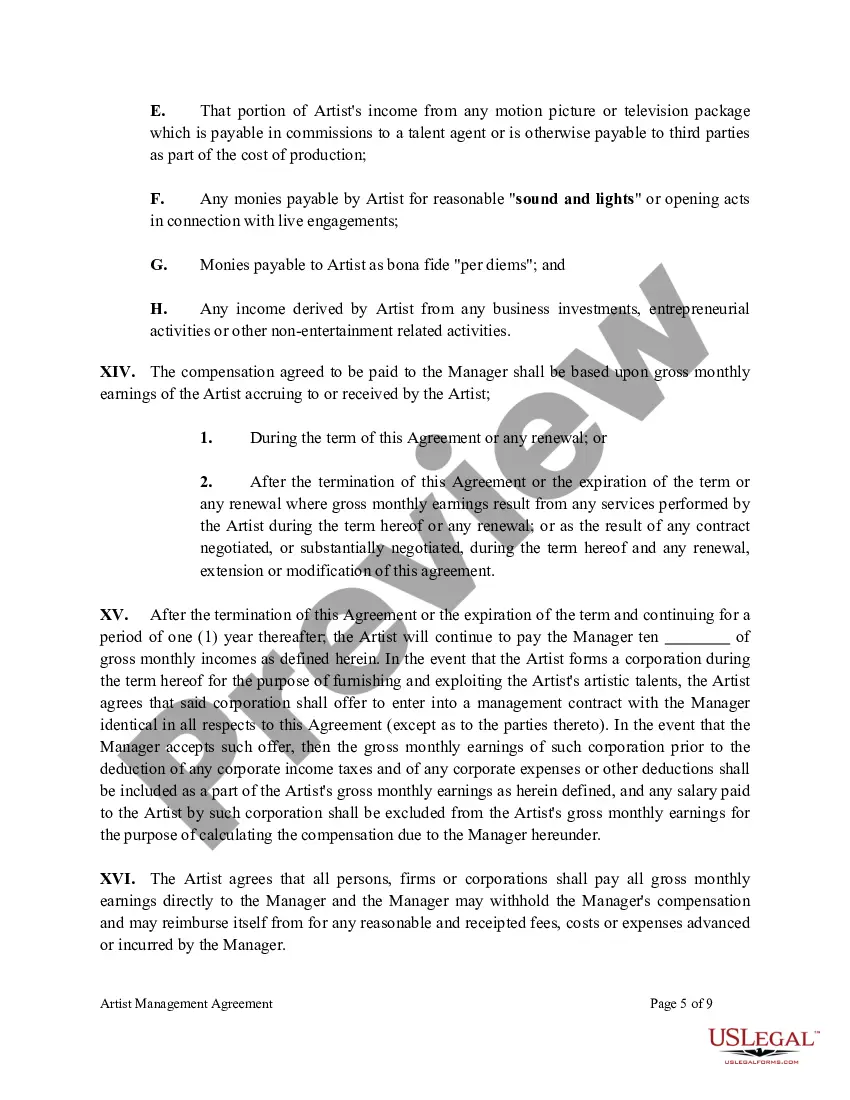
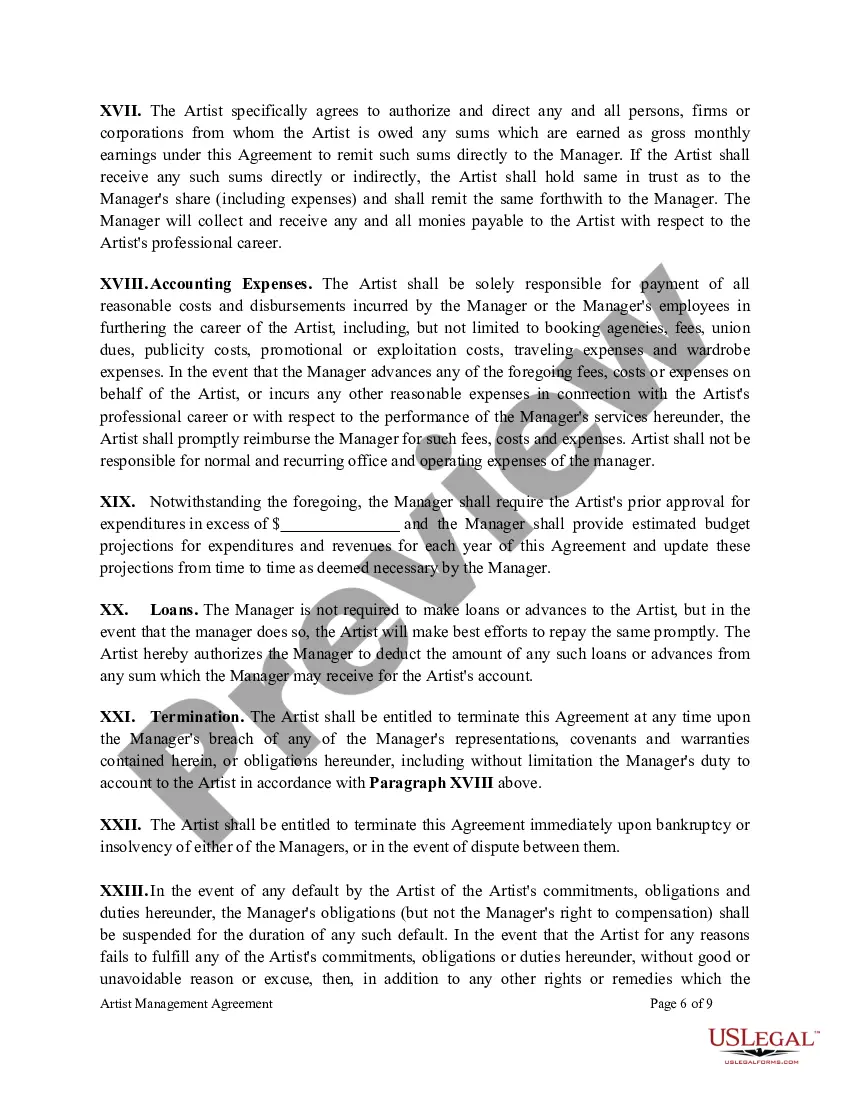
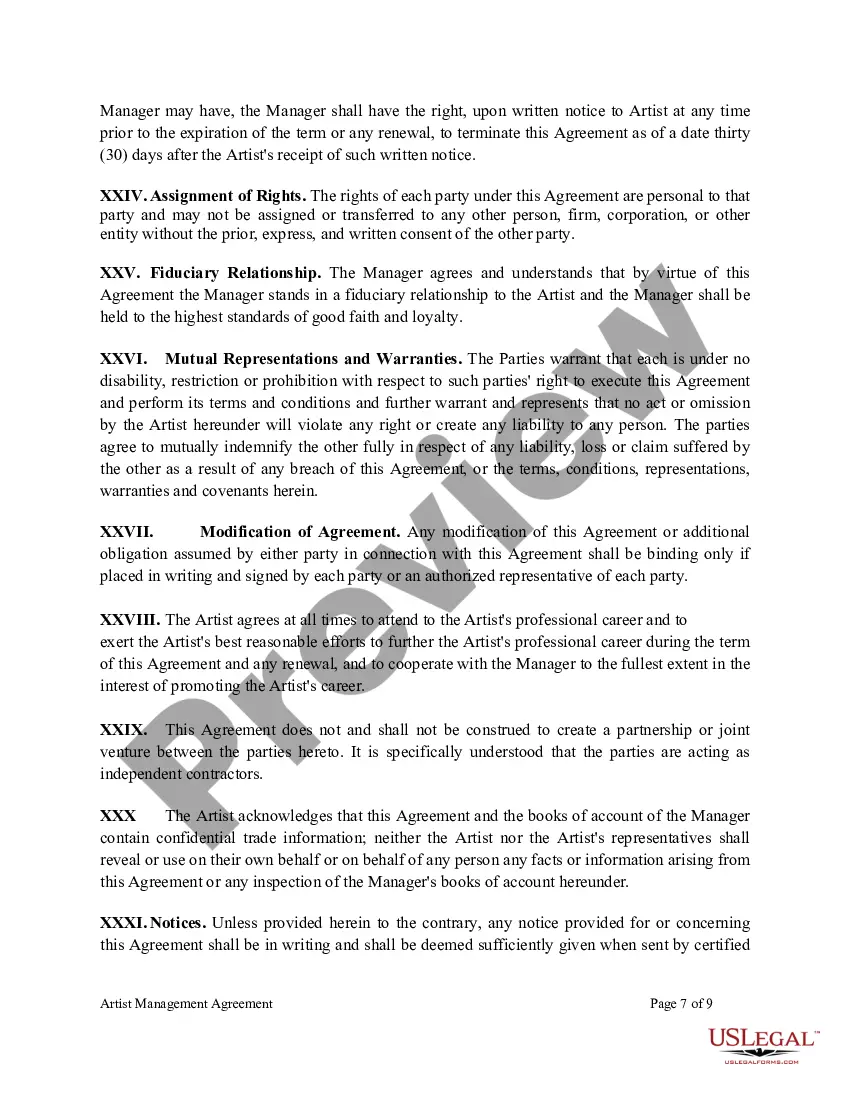
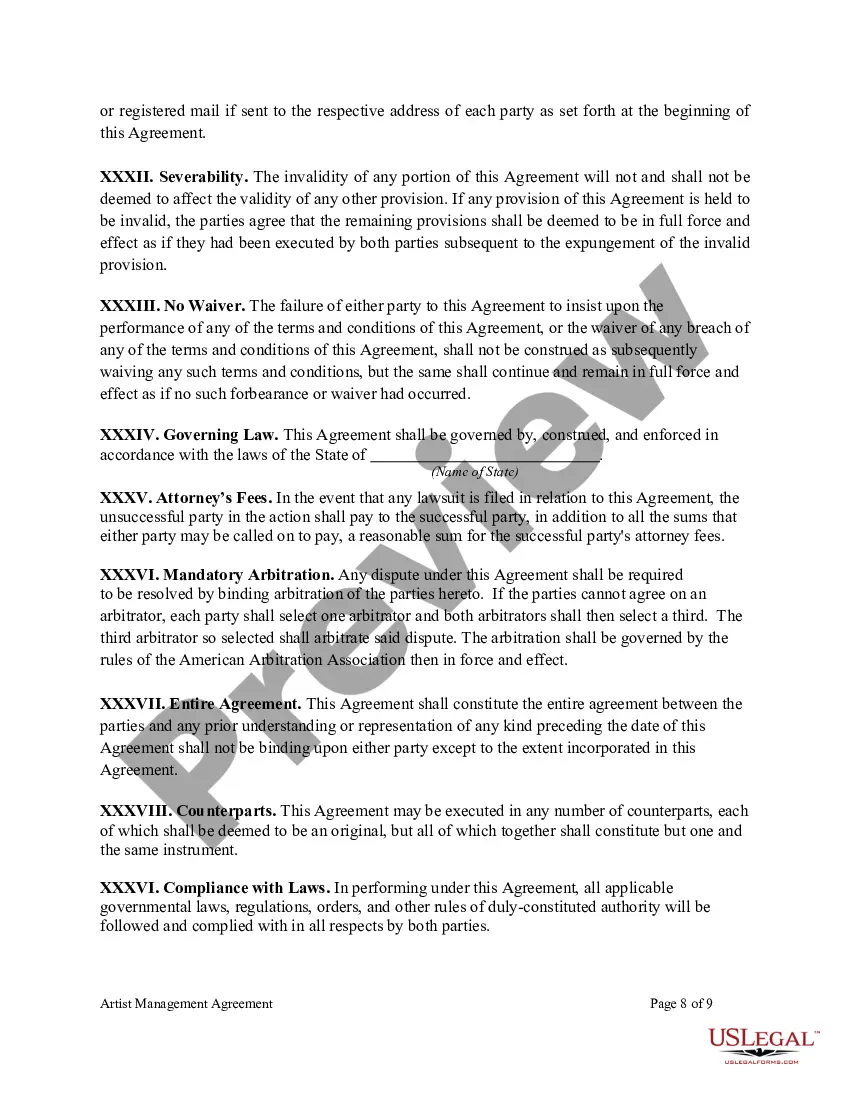
Get your form ready online
Our built-in tools help you complete, sign, share, and store your documents in one place.
Make edits, fill in missing information, and update formatting in US Legal Forms—just like you would in MS Word.
Download a copy, print it, send it by email, or mail it via USPS—whatever works best for your next step.
Sign and collect signatures with our SignNow integration. Send to multiple recipients, set reminders, and more. Go Premium to unlock E-Sign.
If this form requires notarization, complete it online through a secure video call—no need to meet a notary in person or wait for an appointment.
We protect your documents and personal data by following strict security and privacy standards.

Make edits, fill in missing information, and update formatting in US Legal Forms—just like you would in MS Word.

Download a copy, print it, send it by email, or mail it via USPS—whatever works best for your next step.

Sign and collect signatures with our SignNow integration. Send to multiple recipients, set reminders, and more. Go Premium to unlock E-Sign.

If this form requires notarization, complete it online through a secure video call—no need to meet a notary in person or wait for an appointment.

We protect your documents and personal data by following strict security and privacy standards.
Looking for another form?










Form popularity
FAQ
14 Things to Include in Your Photography Contract Parties to the contract. This section states who the parties to the contract are, and includes everyone's contact information. Scope and schedule. Permits. Deliverables. Copyright. Usage rights. Releases. Additional services.
An artist statement should address or include the following: A poetic interpretation of your work, supporting the conceptual and visual connections in your work. Self awareness of how other artists or sources have inspired or influenced you to make your work. A brief discussion about why you are making the work.
Artist Statement Guidelines A general introduction to your work, a body of work, or a specific project. It should open with the work's basic ideas in an overview of two or three sentences or a short paragraph. The second paragraph should go into detail about how these issues or ideas are presented in the work.
An artist statement is piece of writing by you that helps the audience access or understand your artistic work. It is written in the first person, while artist bios are written in the third person. Both represent you as an artist, even while you are not there.
I use photography as a means of self-expression – I make pictures for myself, to identify with hidden qualities of my character, to better understand my reality, and to express my interpretation of the world around me.
“My work is a collection of a variety of resources, a collection of experiences. It's about understanding history, understanding the power of history, the power of power, the power of beauty, the power of transformation, and the power of purpose.”
It is a legal agreement that binds the Artist and the Company to fulfill all the terms and conditions contained in it. All Individual Artist Agreements must be in compliance with the respective Collective Bargaining Agreement.
Contracts like an artist agreement help avoid miscommunications and confusion over the rights and responsibilities of both parties involved. Artist agreements typically include availability expectations, performance markers, and licensing or ownership rights of the works created during the partnership.
A good artist contract sets forth the deliverables for the project being completed. This usually includes all details regarding project timeframes, the type of work being completed, the number of revisions expected, and the delivery dates.
A photography contract is legally binding, even if you write it yourself. As long as you and your client sign a contract that meets the basic requirements outlined by contract law, it is considered a legally binding contract. It's important to remember that a contract must be in writing and signed by both parties.
