Management Company Examples In California
Description

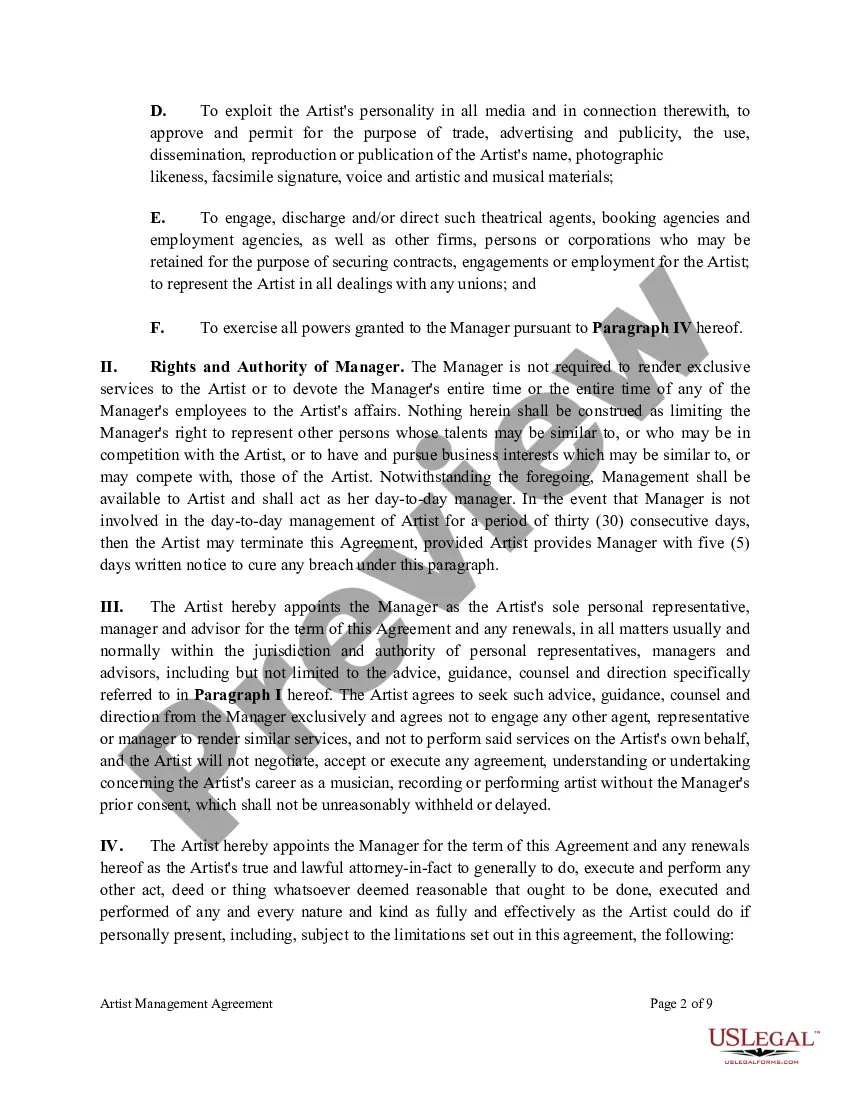
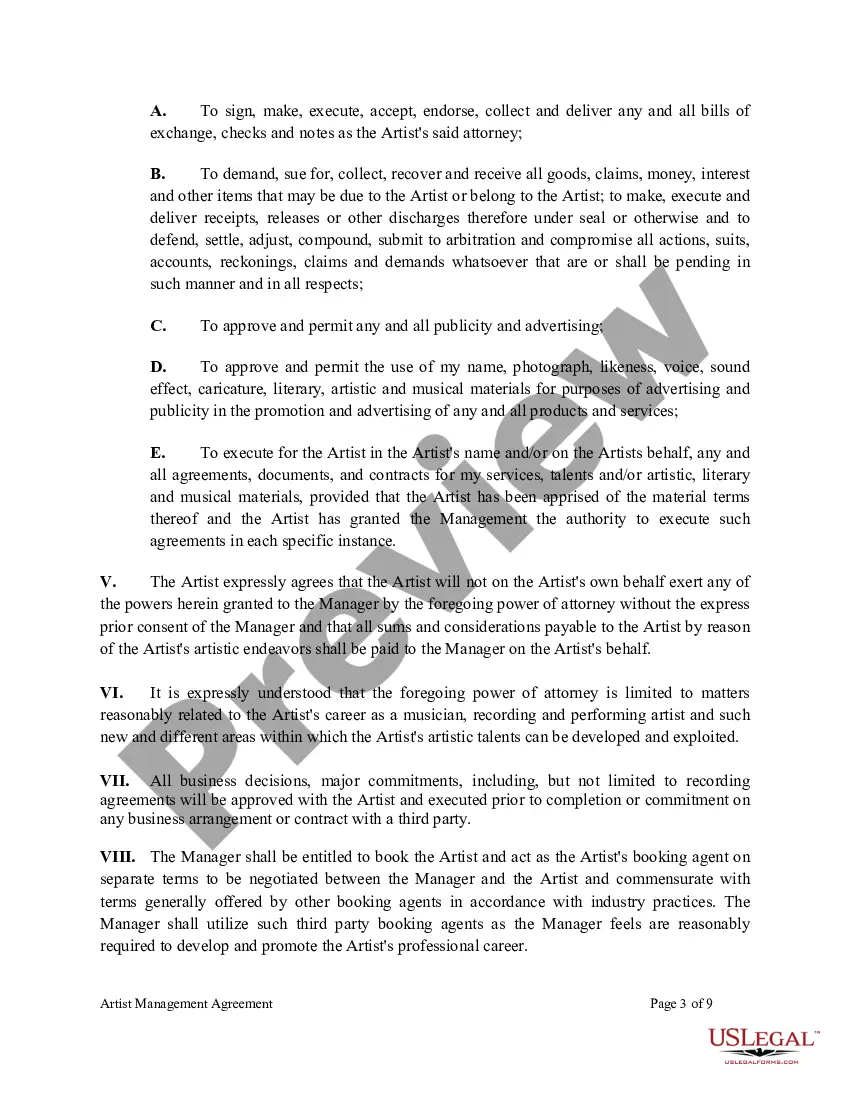
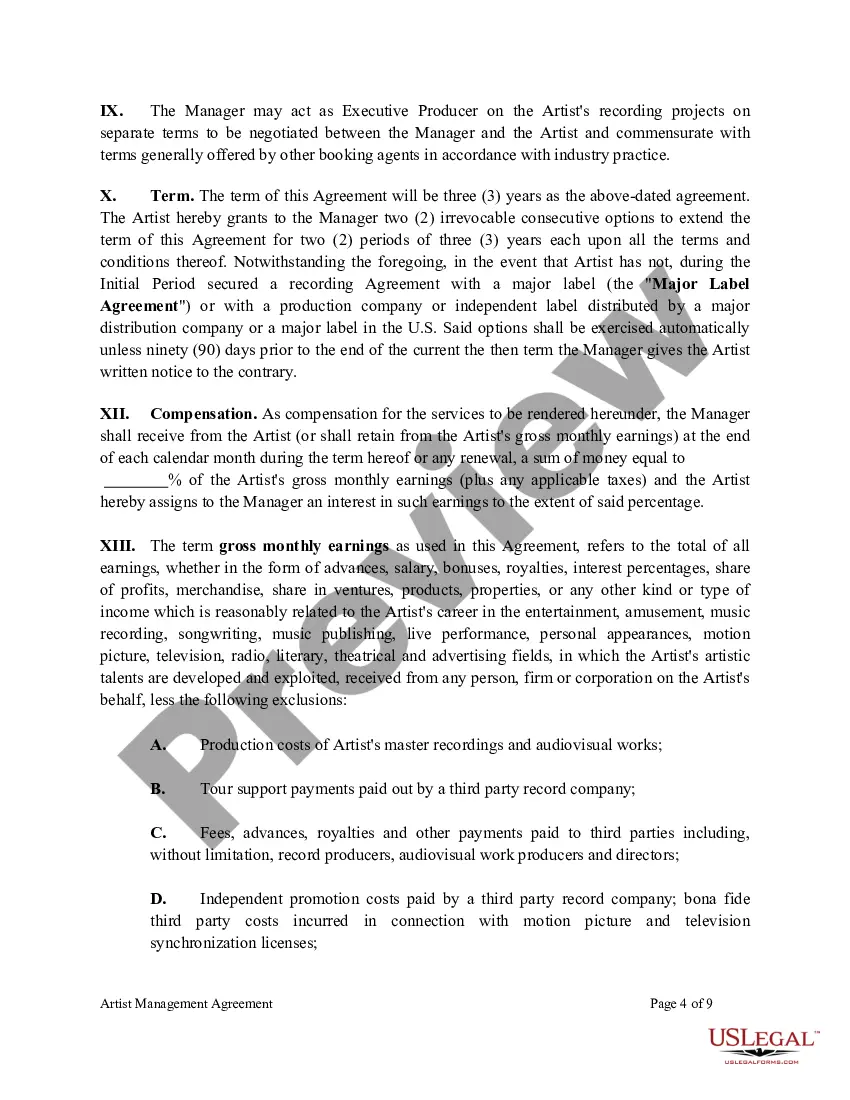
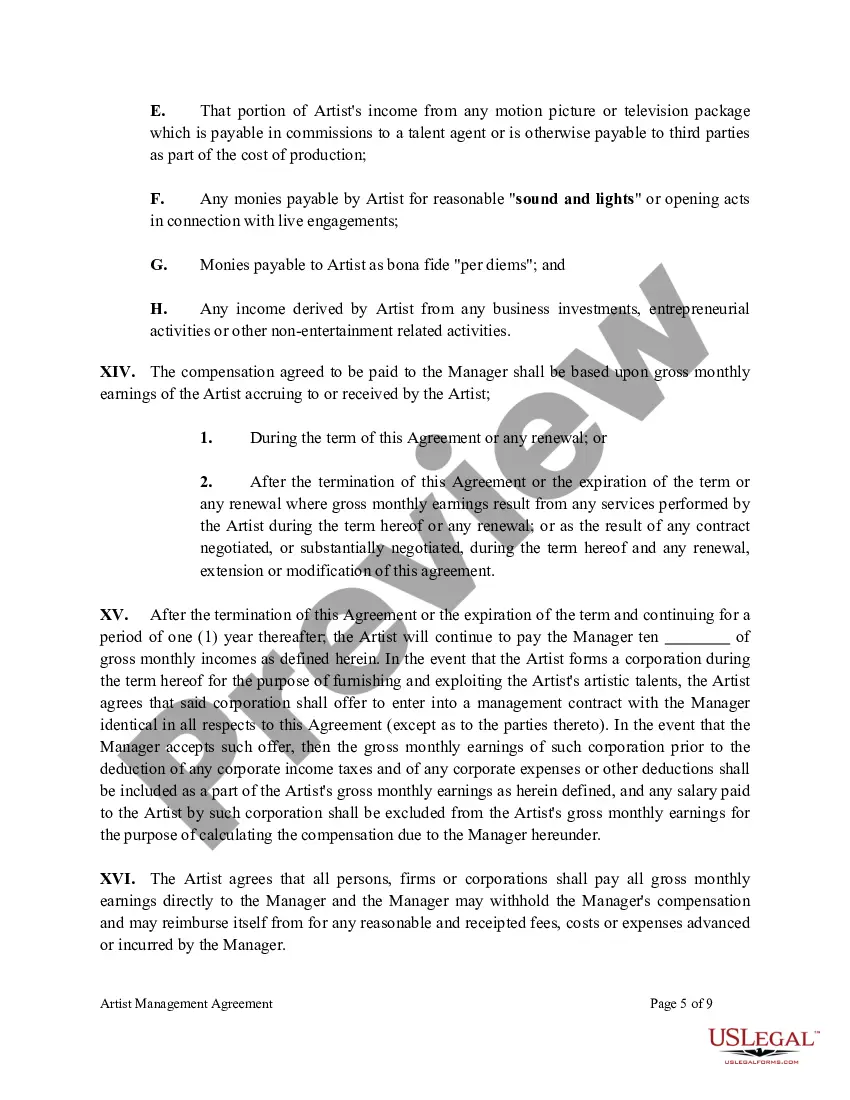
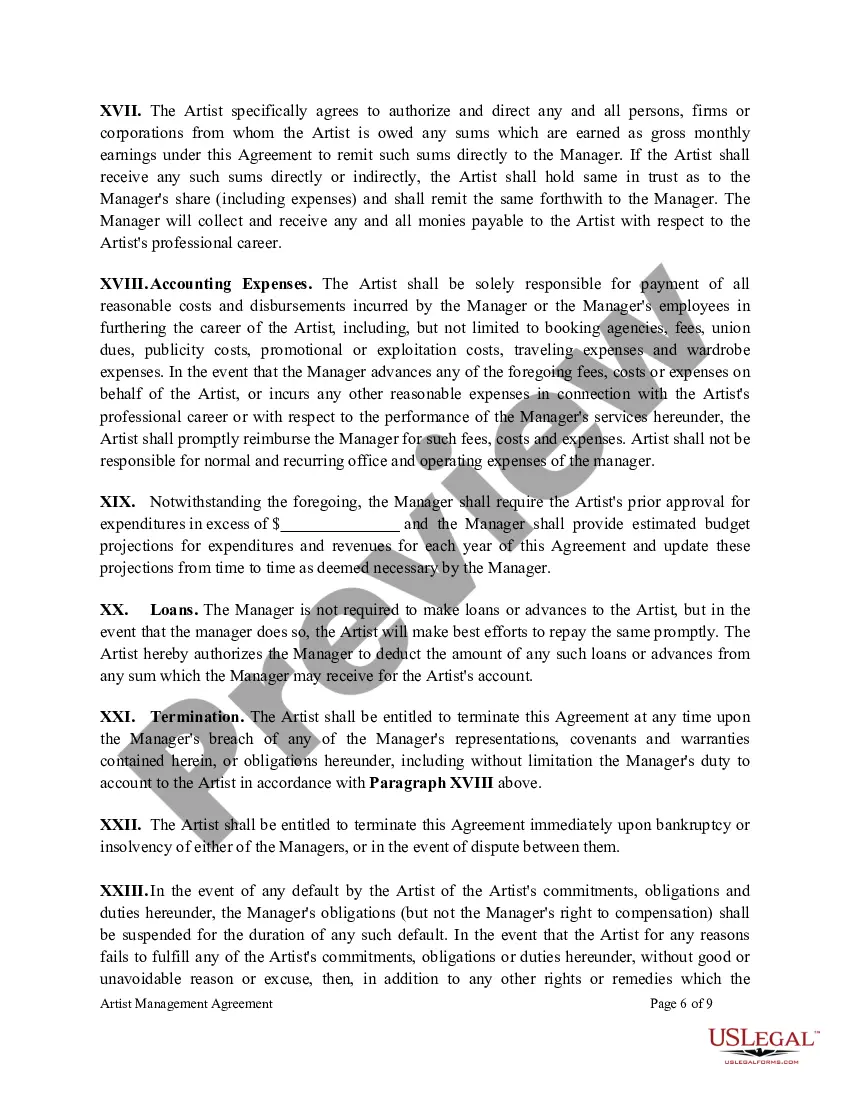
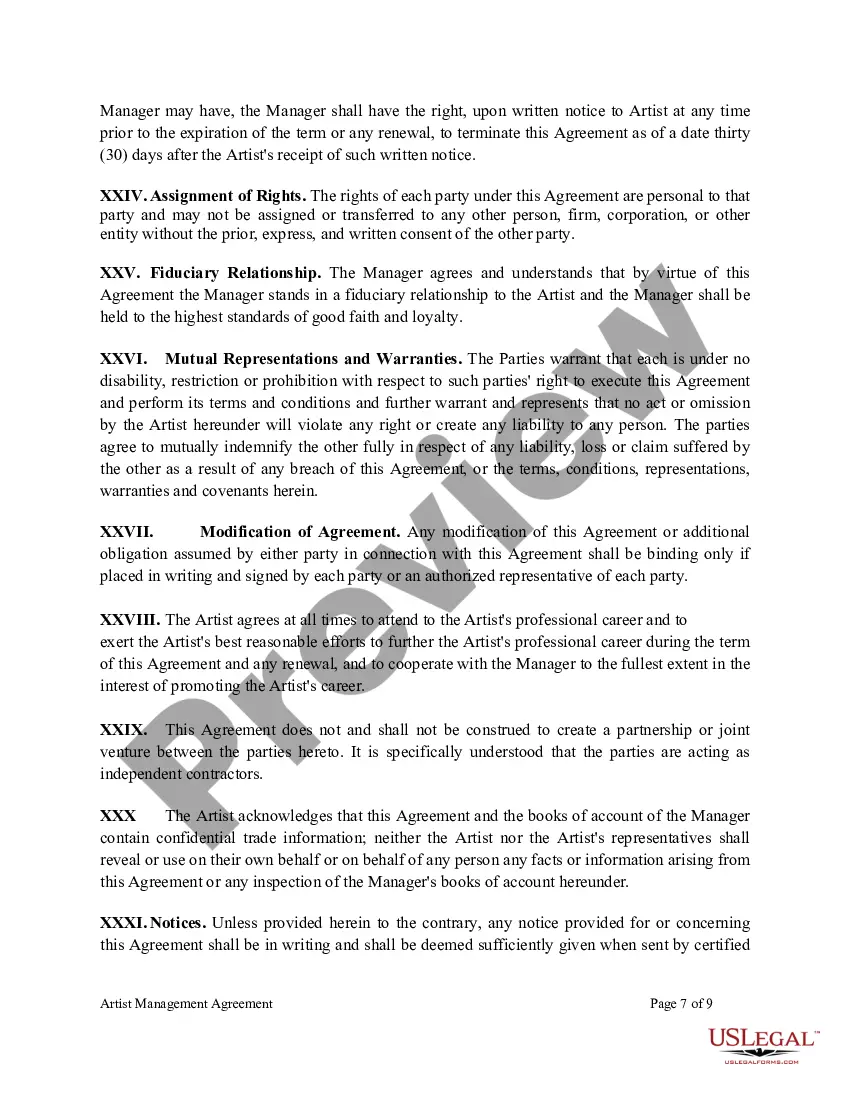
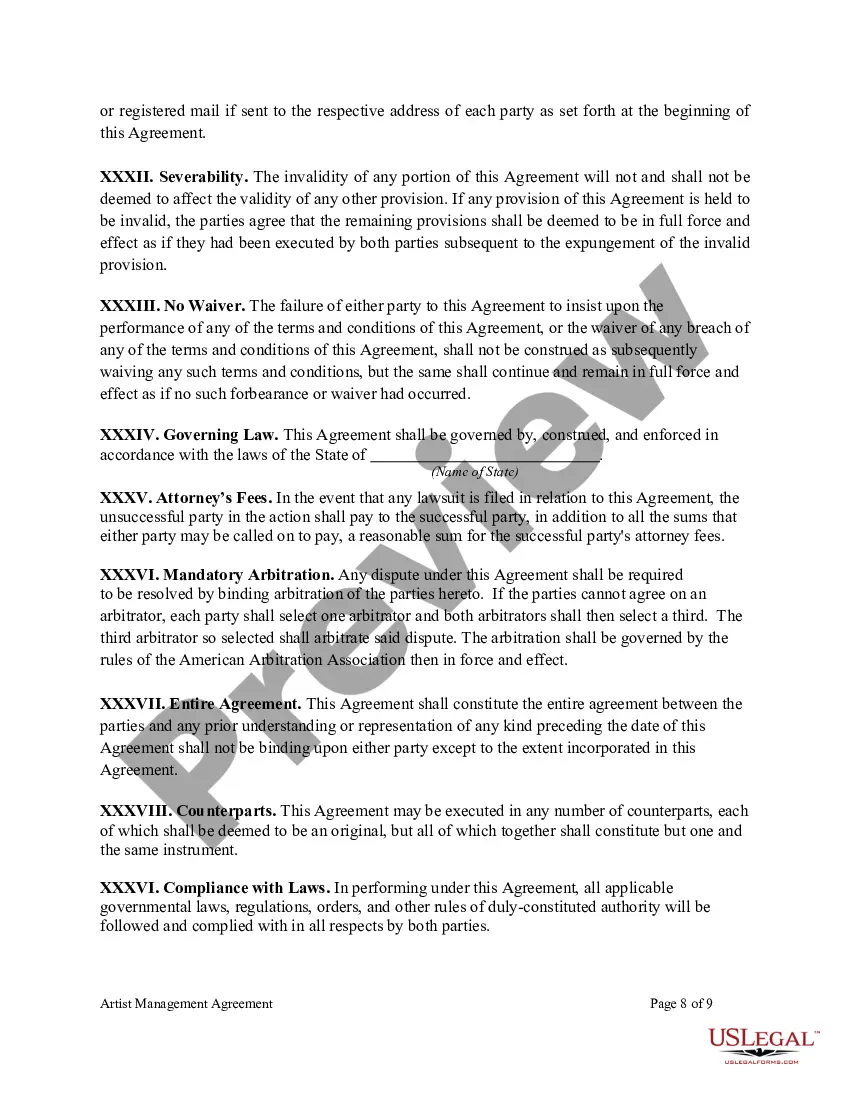

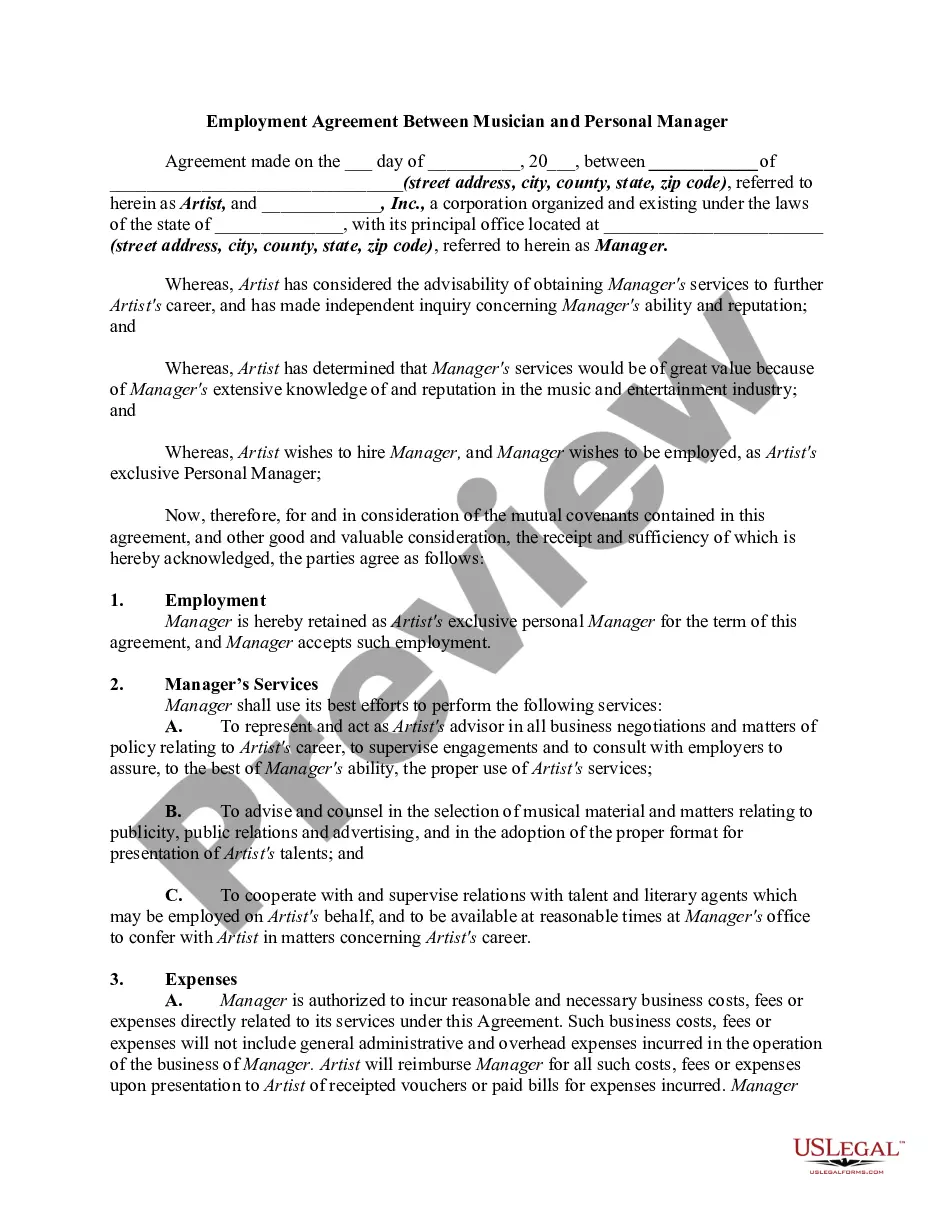
Get your form ready online
Our built-in tools help you complete, sign, share, and store your documents in one place.
Make edits, fill in missing information, and update formatting in US Legal Forms—just like you would in MS Word.
Download a copy, print it, send it by email, or mail it via USPS—whatever works best for your next step.
Sign and collect signatures with our SignNow integration. Send to multiple recipients, set reminders, and more. Go Premium to unlock E-Sign.
If this form requires notarization, complete it online through a secure video call—no need to meet a notary in person or wait for an appointment.
We protect your documents and personal data by following strict security and privacy standards.

Make edits, fill in missing information, and update formatting in US Legal Forms—just like you would in MS Word.

Download a copy, print it, send it by email, or mail it via USPS—whatever works best for your next step.

Sign and collect signatures with our SignNow integration. Send to multiple recipients, set reminders, and more. Go Premium to unlock E-Sign.

If this form requires notarization, complete it online through a secure video call—no need to meet a notary in person or wait for an appointment.

We protect your documents and personal data by following strict security and privacy standards.
Looking for another form?









Form popularity
FAQ
Every corporation and limited liability company is required to file a Statement of Information either every year or every two years as applicable. The Secretary of State sends a reminder to the business entity approximately three months prior to the date its filing is due.
Statement of Information (Form SI-100) For faster processing, the required statement for most corporations can be filed online at .
To form an LLC in California, go to bizfileOnline.sos.ca, log in, select Register a Business under the Business Entities Tile, Articles of Organization - CA LLC and follow the prompts to complete and submit.
To submit Form SI-100, you may file it online at the California Secretary of State's website or mail it to the Statement of Information Unit at P.O. Box 944230, Sacramento, CA 94244-2300. For in-person submissions, visit the Sacramento office located at 1500 11th Street, Sacramento, CA 95814.
Licensing Laws For anyone stepping into managing a property on behalf of the owner, the first requirement is to have a property management license in California.
There are no provisions in the Business and Professions (B&P) Code which authorize a limited liability company (LLC) to become licensed as a real estate broker. Refer to: Sections 10158, 10159, 10159.2, 10170.5 10180, and 10211 of the (B&P) Code. Sections 2740 through 2746 of the Commissioner's Regulations.
Example New Property Manager Introduction Letter Dear Ms. I would like to take the time to introduce myself as the new Property Manager of enter address. If you have questions or concerns regarding your property, rent, or have a maintenance request please contact your site manager, Sarah Gill:
No, that would be a conflict of interest for the property manager or management company to own the property. They are unlike a landlord in that sense. Generally the properties being managed are being ran by an association and managed by a property manager or management company and either owned privately or publicly.
Choosing a Structure As a general rule, most property management companies choose to either establish a Limited Liability Corporation (LLC) or an unincorporated business entity (often called an S-Corp or C-Corp).
There are 6 basic steps to follow to transfer property to an LLC: Contact the lender. Form your LLC. Obtain an EIN. Set up an LLC bank account. Transfer property title. Update leases, permits, contracts, and utilities.
