Letter Requesting Motion To Vacate Order Of Default With Student Loans In Cook
Description

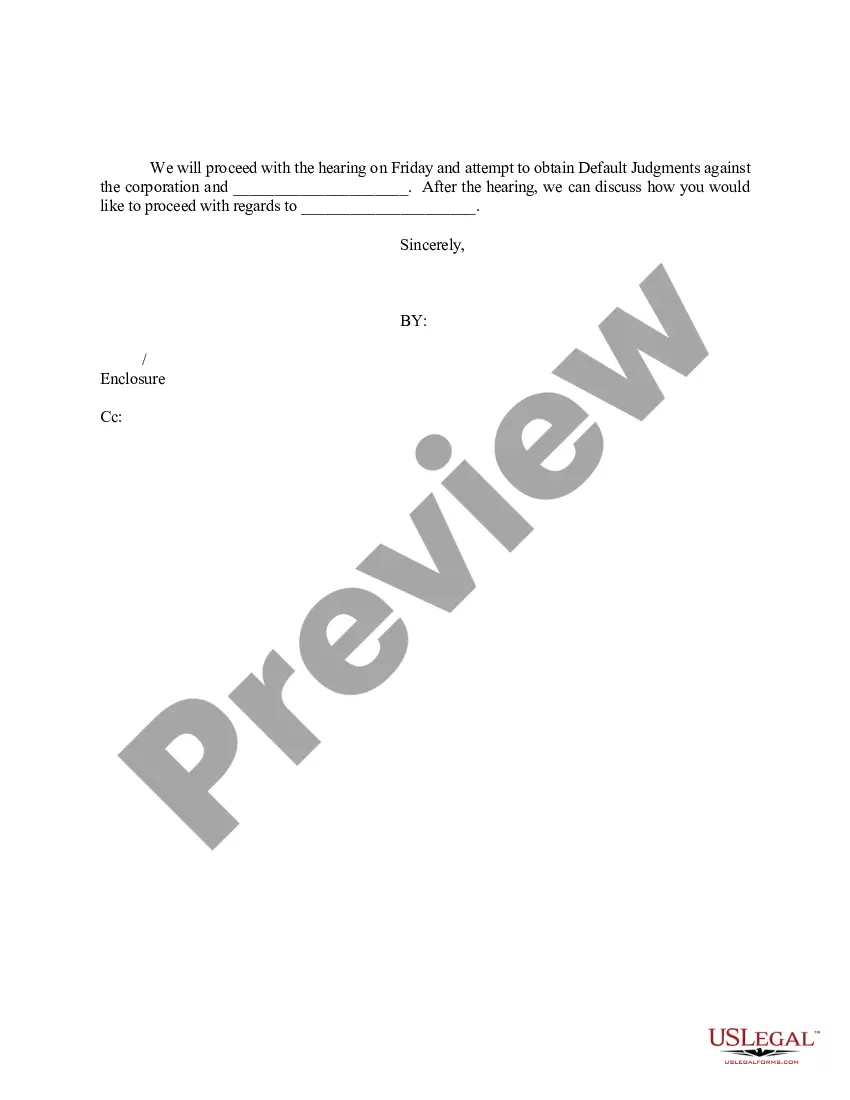
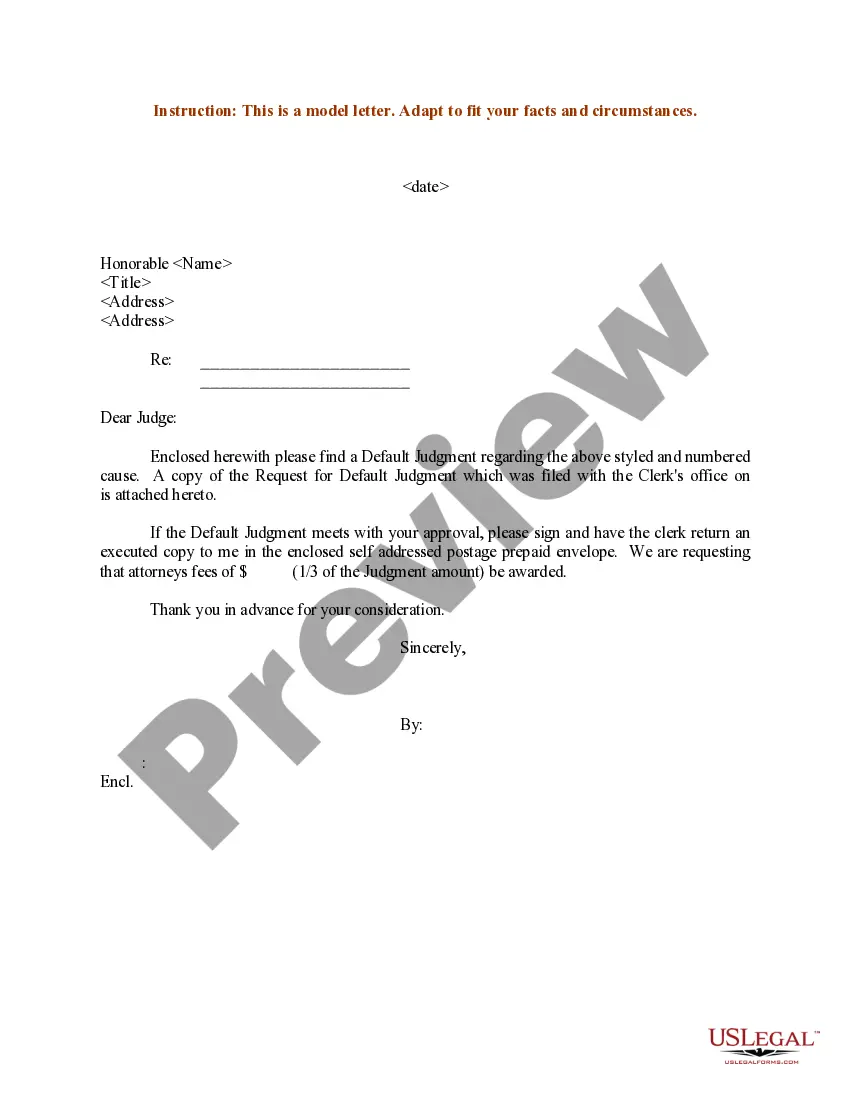
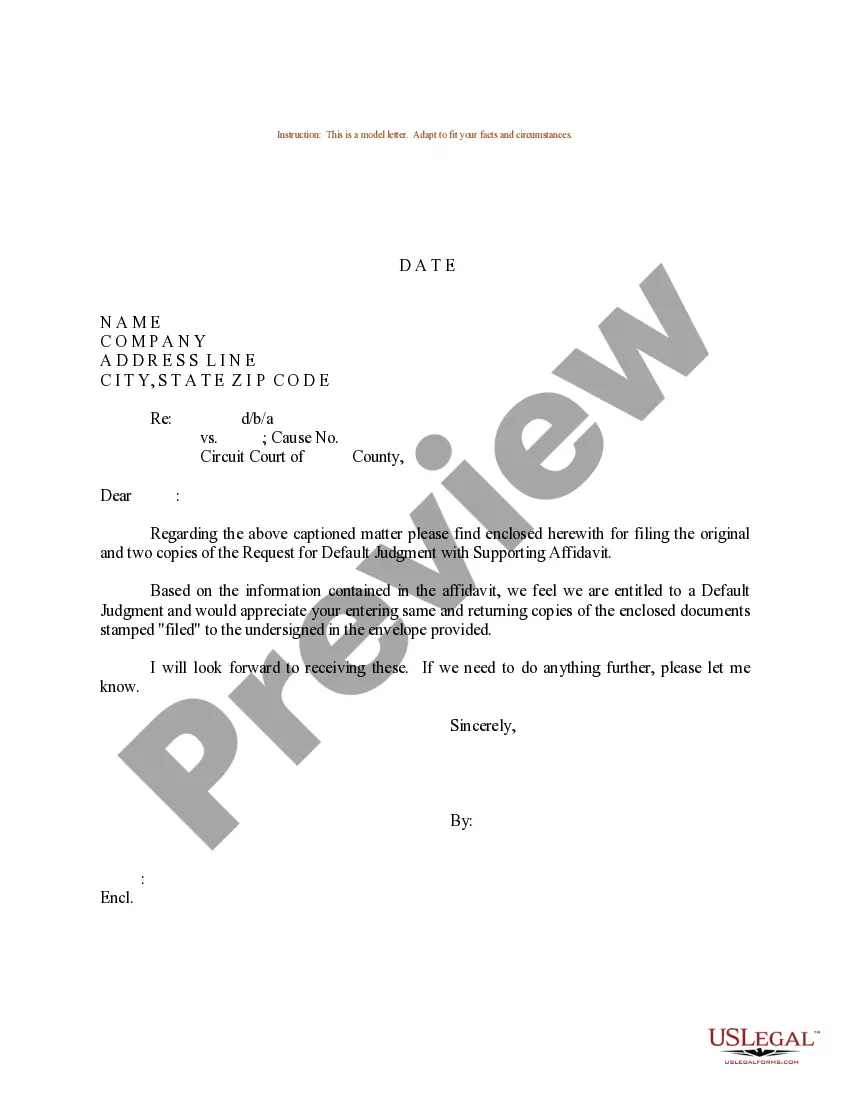
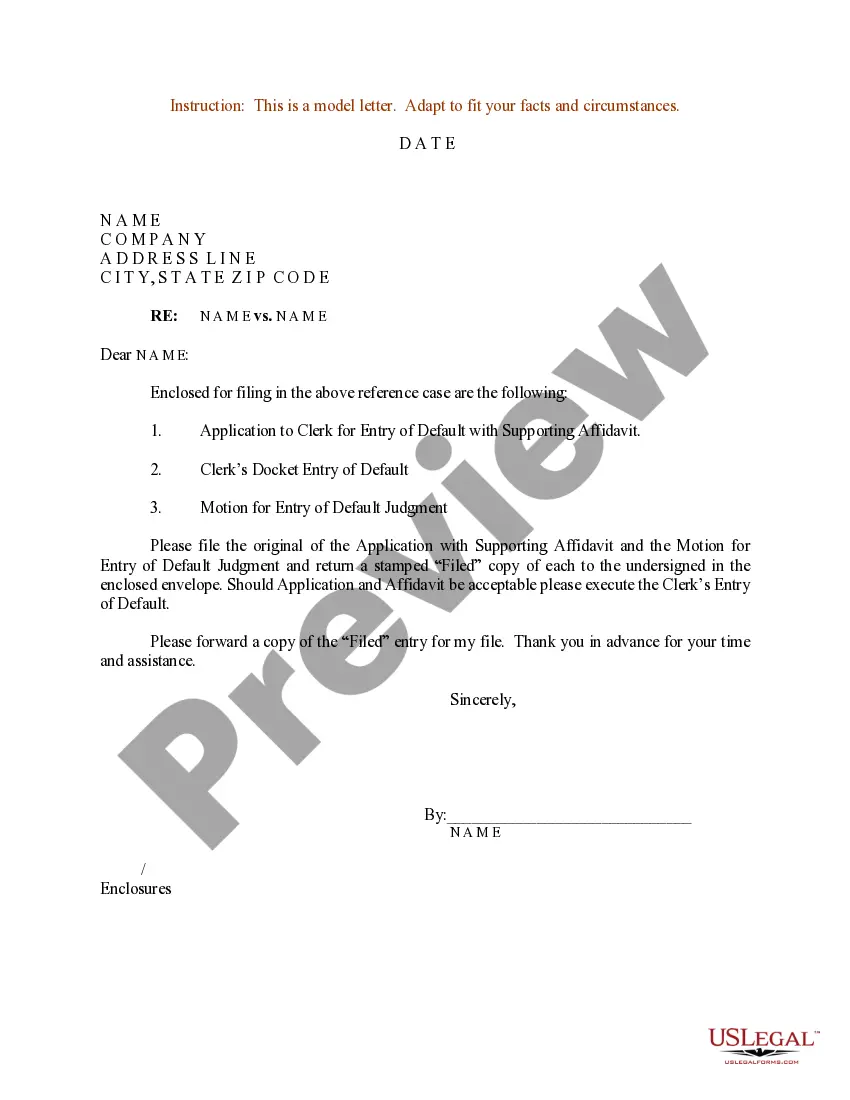
Get your form ready online
Our built-in tools help you complete, sign, share, and store your documents in one place.
Make edits, fill in missing information, and update formatting in US Legal Forms—just like you would in MS Word.
Download a copy, print it, send it by email, or mail it via USPS—whatever works best for your next step.
Sign and collect signatures with our SignNow integration. Send to multiple recipients, set reminders, and more. Go Premium to unlock E-Sign.
If this form requires notarization, complete it online through a secure video call—no need to meet a notary in person or wait for an appointment.
We protect your documents and personal data by following strict security and privacy standards.

Make edits, fill in missing information, and update formatting in US Legal Forms—just like you would in MS Word.

Download a copy, print it, send it by email, or mail it via USPS—whatever works best for your next step.

Sign and collect signatures with our SignNow integration. Send to multiple recipients, set reminders, and more. Go Premium to unlock E-Sign.

If this form requires notarization, complete it online through a secure video call—no need to meet a notary in person or wait for an appointment.

We protect your documents and personal data by following strict security and privacy standards.
Looking for another form?


Form popularity
FAQ
If you don't file an Answer or you miss a court date, the party suing you will ask the court for a default judgment against you. You can ask the court to vacate (undo) the default judgment. If the judgment is vacated and the case is put back on the court's calendar and the case will continue.
Imagine you've taken someone to court, but they've ignored all proceedings. A motion for default judgment allows you to ask the court to automatically decide in your favor due to the other party's lack of response or action.
You must ask the clerk of the court to enter default against the defendant before you can move for default judgment. After the clerk enters default against a defendant and you move the court to grant a default judgment, you will have to argue that you should win your case as a matter of law.
To stop the entry of a default or default judgment before it is entered, one generally has to file something in court. This can be an Answer, a Motion to Extend Time, a Motion to Quash Service of Process, or perhaps others. A motion will likely interrupt entry of a default, but a motion is merely a request.
An appeal asks a higher court to change the decision made by a lower court. A Motion to Vacate asks the same court to cancel its decision, as if the case never happened.
On application a default judgment where the plaintiff has agreed in writing can be rescinded or varied. “On application” means that the applicant needs to serve on the plaintiff a copy of the application and file with the clerk of the court the application.
A defendant who has a default judgment against them can apply to the court that issued the judgment to set it aside. If the court sets aside the judgment, it is as though the order was never made. The court still needs to deal with the claim.
After the court enters a default or a default judgment against you, you can't take any action in a case until you have it set aside.
Summary: To make a motion to vacate a judgment, follow these steps: Obtain a form from the court clerk, provide your case details, explain the reason for your request, sign the motion, file it with the court, and attend any hearings that follow.