Consumer Protection Agency For Texas In Clark
Description
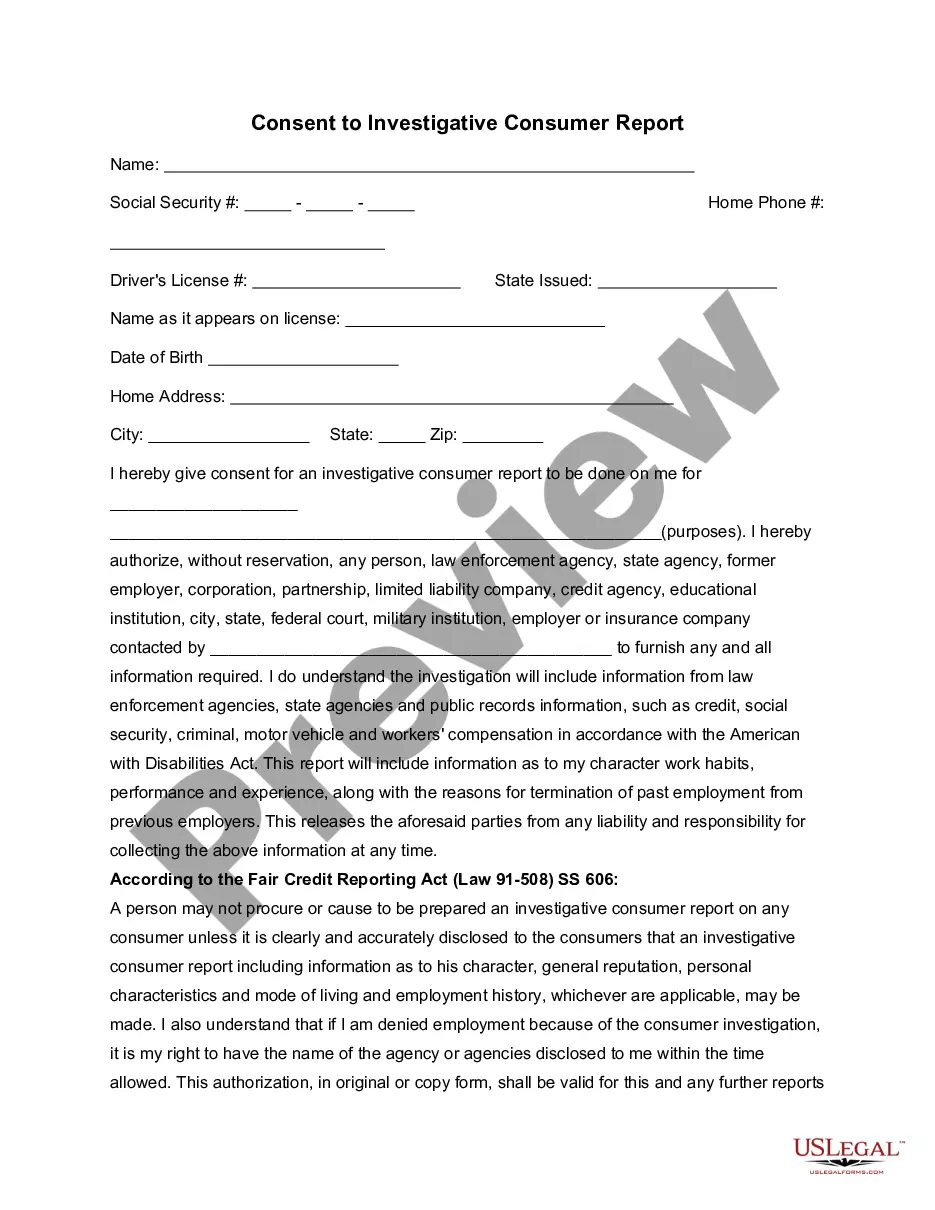

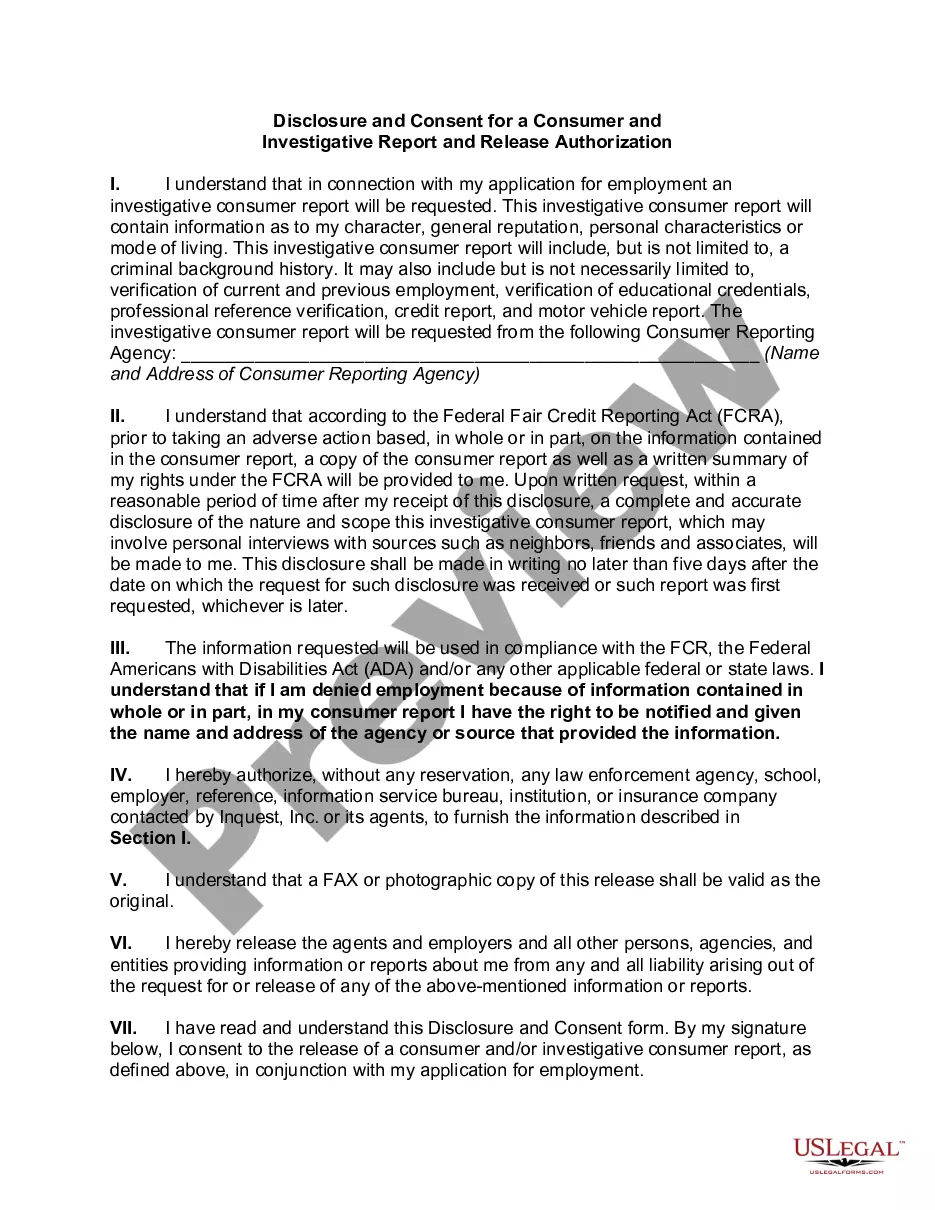
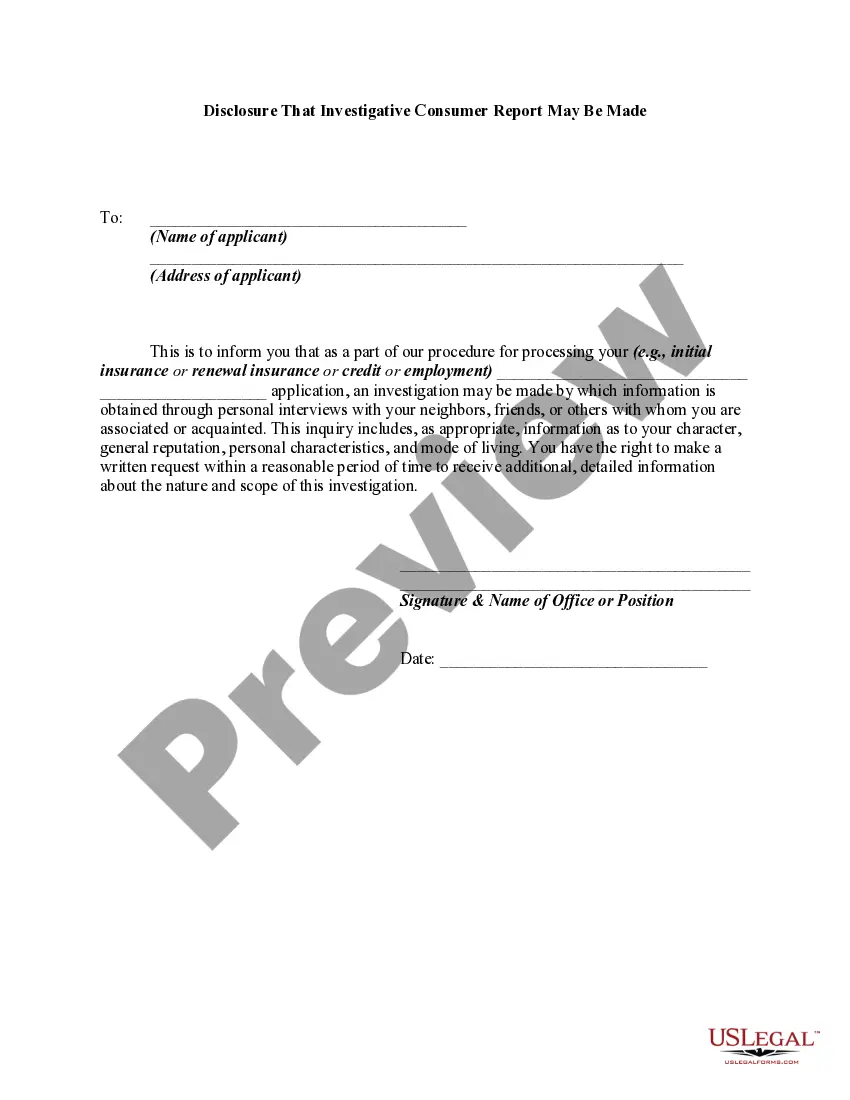
Get your form ready online
Our built-in tools help you complete, sign, share, and store your documents in one place.
Make edits, fill in missing information, and update formatting in US Legal Forms—just like you would in MS Word.
Download a copy, print it, send it by email, or mail it via USPS—whatever works best for your next step.
Sign and collect signatures with our SignNow integration. Send to multiple recipients, set reminders, and more. Go Premium to unlock E-Sign.
If this form requires notarization, complete it online through a secure video call—no need to meet a notary in person or wait for an appointment.
We protect your documents and personal data by following strict security and privacy standards.

Make edits, fill in missing information, and update formatting in US Legal Forms—just like you would in MS Word.

Download a copy, print it, send it by email, or mail it via USPS—whatever works best for your next step.

Sign and collect signatures with our SignNow integration. Send to multiple recipients, set reminders, and more. Go Premium to unlock E-Sign.

If this form requires notarization, complete it online through a secure video call—no need to meet a notary in person or wait for an appointment.

We protect your documents and personal data by following strict security and privacy standards.
Looking for another form?









Form popularity
FAQ
National Consumer Helpline - NCH. The Department of Consumer Affairs has launched this portal as an integrated Grievance Redress Mechanism (INGRAM) for bringing all Stakeholders such as Consumers, Central and State Government Agencies, Private Companies, Regulators, Ombudsmen and call centres etc.
The FTC enforces federal consumer protection laws that prevent fraud, deception and unfair business practices. The Commission also enforces federal antitrust laws that prohibit anticompetitive mergers and other business practices that could lead to higher prices, fewer choices, or less innovation.
The primary tool the Office of the Attorney General uses to protect Texas consumers is the Deceptive Trade Practices Act (DTPA). This law lists many practices that are false, deceptive, or misleading. When you fall victim to illegal practices covered by the DTPA, you may have the right to sue for damages under the act.
We protect consumers from unfair, deceptive, or abusive practices and take action against companies that break the law. We arm people with the information, steps, and tools that they need to make smart financial decisions.
10 Effective Ways to Complain About a Company Online Go to the company website. Contact the Better Business Bureau. Contact the Federal Trade Commission (FTC). Check out the Ripoff Report. Email spam@uce. Try Yelp. Post on Planet Feedback. Google your attorney general.
The Consumer Product Safety Commission (CPSC) protects the public from unreasonable risks of serious injury or death from thousands of types of consumer products under its jurisdiction, including products that pose a fire, electrical, chemical, or mechanical hazard or can injure children.
If the law authorizes you to request an attorney general opinion, you may send a request letter in writing in one of two ways: Email: opinionmittee@oag.texas. Certified or registered mail, with return receipt requested: Office of the Attorney General. Attention Opinion Committee. P.O. Box 12548.
Generally, to prevail on a DTPA claim, plaintiffs must establish three elements: The plaintiff is a consumer; The defendant engaged in false, misleading, or deceptive acts; and. The acts were a producing cause of the consumer's damages. 2
To seek relief under the Texas DTPA, you must qualify as a consumer. A consumer may be an individual, partnership, corporation, LLC or even a state agency. The Texas Business and Commerce Code Section 17.46 has a laundry list of 25 prohibited acts that are considered false, misleading, or deceptive acts or practices.
